World Health Support Community Facebook ad creative
trynutrawell.com
Natural Relief in Weeks
Learn more

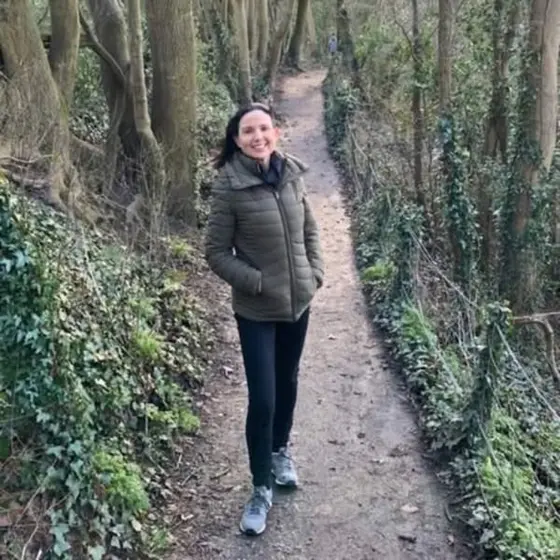
World Health Support Community Facebook and Instagram ad

World Health Support Community ran this image ad since Jun 19, 2026, 3 days so far.

First seen
Jun 19, 2026
Running for
3 days
Format
Image
Call to action
Learn more
Niche
Health and supplements
Countries
Not disclosed
Page likes
1,994

Ad copy

My husband died on a dialysis chair earlier this year. He was fine at breakfast on a Tuesday morning. By that afternoon he was gone. He died at a dialysis center in Naperville, Illinois on April 28th at 3:47 PM. He was 67 years old. I'm sitting in his recliner in the den. I've spent most evenings here since April. I can't sleep in our bed yet — his side is too empty. I sleep here, in the chair, in the same room as his blood pressure cuff and his weight log and the basket of EPO syringes I haven't been able to throw out. His pill organizer is still in the kitchen drawer. The Thursday and Friday compartments are still full from the week he died. My daughter offered to clean them out. I asked her not to. I need to tell you what happened to Robert. Because I'm reading the comments on the kidney support articles people are sharing online and I'm seeing what people say. "My numbers are fine." "I'd know if my kidneys were failing." "I drink plenty of water." "That only happens to diabetics." "My doctor would have caught it." That's what we were saying four and a half years ago. Before Robert's annual physical. Before the number on the lab report that changed our lives. If you're over 55, or someone you love is, please read this entire thing. I know it's long. I know you're scrolling. I know you have things to do. Four and a half years ago I would have given anything — everything — for someone to tell me what I'm about to tell you. Robert had his annual physical in October. He was 63. He felt fine. He'd been managing his blood pressure since his early fifties — lisinopril every morning, salt cut to 1,500 milligrams a day, gave up coffee after lunch, walked the dog twice a day. He weighed himself every morning and wrote the number on the toaster calendar. He was the one reminding ME to schedule MY physical. In 38 years of marriage, that was Robert. The lab work came back on a Thursday. His eGFR was 47. The nurse called and said "the doctor wants to recheck this in three months." I asked what an eGFR of 47 meant. She said "your doctor will explain it." I asked when we could come in. She said "the doctor recommended three months." I asked if it was serious. She said "you'll talk to him about it then." So we waited. Three months later: 44. Three months after that: 41. And again: 39. Six quarters of "monitor and watch." Six quarters of Robert sitting at the kitchen table reading the new lab report and not saying anything. Six quarters of me asking "what does the doctor want us to DO" and Robert saying "he says keep doing what we're doing." Then one day we sat across from a new doctor. A nephrologist. He was kind. He pulled up Robert's labs on the screen and turned the monitor so we could both see. He said: "Robert, we should talk about access placement." I didn't know what that meant. Robert did. His face. I saw it. The way it went still. A fistula. They wanted to start preparing his body for dialysis. He nodded the way you nod when somebody tells you the date of your own funeral. The nephrologist was very calm. He said: "We can slow this. We can manage it. We can put you on the transplant list. But we don't reverse this. The nephrons that are gone are gone. We protect what's left." That sentence has lived in my head every day since. "The nephrons that are gone are gone." Robert had the fistula placement two months later. He wouldn't let me see the scar for a long time. When he finally rolled up his sleeve at the kitchen sink one Saturday morning, I had to grip the counter so my legs wouldn't go out from under me. A long raised cord under his skin. A bulge in his forearm you could see through his shirt sleeve. I told him it was nothing. He looked at me and said "Carolyn. Please." He started dialysis in March of the following year. Mondays. Wednesdays. Fridays. Four hours a session. For three and a half years. There was a night in the second year when he came home from a Wednesday session, sat down at the kitchen table without taking his coat off, and said: "Carolyn. I can't do this anymore." I held his hand. I said: "Then we'll figure something else out." He said: "There isn't something else." In the third year, the transplant list called. A possible kidney. Compatible donor. Robert was awake for thirty-six hours waiting on the second phone call. The second phone call said the kidney had gone to a younger patient. Robert sat in this recliner — the one I'm sitting in right now — and didn't speak for the rest of the day. Year four. I sat across from the cardiologist while he explained something I couldn't unhear. He said most of the people on long-term dialysis don't die of their kidneys giving out. They die of their hearts giving out. I looked at Robert and he was staring at the floor. He added two more medications that week. He kept driving himself to the clinic three days a week. He said "if I can't get myself to the clinic I might as well stop going." Session 642 was a Tuesday. He left the house at 12:30. Kissed me on the side of the head. Said "be back by six." The nurse called at 3:51 PM. I drove to the clinic. Nineteen minutes. I don't remember the drive. When I walked through the doors of the dialysis center, the manager was waiting for me. She took my hand. She walked me to a small office at the side of the floor. She said "I'm so sorry, Carolyn. We did everything we could." The chair he died in had already been cleaned. There was a new patient sitting in it by 5 PM. That's how dialysis centers work. The chair doesn't stop. I walked back to the parking lot. I sat in the driver's seat of his car — I'd driven his car instead of mine — and I sat there for two and a half hours. The sun went down. The parking lot lights came on. I watched the nurses leave at the end of their shifts. I watched the cleaning crew arrive. I drove home at 6:30 PM. The pill organizer was in the kitchen drawer where he'd left it. Thursday and Friday compartments still full. He'd opened Tuesday's that morning. He'd taken his morning pills with his coffee. Then he'd left. I sat in his recliner. I sat there for four hours. The TV was off. The lamp wasn't on. I just sat in the dark and looked at the basket of EPO syringes next to the chair. Hospital bills so far: $34,000 for the final hospitalization, $11,200 for the funeral, and four years of dialysis at roughly $89,000 a year through Medicare. The medical-supply delivery driver still rings the bell every other Wednesday morning at 9:15 because nobody told him to stop coming. I hadn't told him. Two months after the funeral I went in for my own annual physical. The receptionist said "the results will be in your portal in three to five business days." I didn't sleep that night. eGFR 58. I sat at the kitchen table holding the printout in one hand and Robert's pill organizer in the other and I understood — fully, for the first time — that I was now where Robert was four and a half years ago. And I knew exactly what was coming. "Come back in three months." I couldn't just sit in this recliner and watch it happen. So I started researching. Not because I wanted to. Because I had to. Because if Robert died for nothing — if I couldn't save even one person, even myself, from what happened to him — then I couldn't live with that. I spent days reading. Medical journals I barely understood. The USRDS reports. Everything I could find about chronic kidney disease and dialysis outcomes. The numbers are not the ones you'll hear from your doctor's office. Five-year survival on dialysis is roughly 40%. Not 90%. Not 70%. Four in ten people make it five years once they start. Cardiovascular disease kills roughly half of all dialysis patients before kidney failure does. That's what got Robert. And the number that made me put down the laptop: Nine in ten people with chronic kidney disease don't know they have it. Most of them are walking around right now with declining nephron counts and a normal-feeling body and no idea. They'll find out the way we found out — through a lab report from a routine physical. By the time the number shows up, the damage has been happening quietly for years. And I kept reading one thing over and over, in study after study: It's not the diagnosis that takes your kidneys. It's the quiet oxidative damage that compounds every day between the moment you find out and the moment dialysis stops being optional. Every nephron you lose, you don't get back. The window isn't three months. It isn't six months. It's everything between right now and the day they tell you it's time to talk about access placement. That's what happened to Robert. He wasn't dying because his eGFR was 47. He was being scarred — slowly, quietly, quarterly — while we waited for the next blood draw. While we did "monitor and watch." And no medication was ever going to give him back what was already gone. So I started asking a different question. Not "how do I manage CKD?" "How do I actually protect the nephrons I have left?" The first thing I did was open Robert's kitchen cabinet. Robert had been a believer in trying things. The shelf was a graveyard. Cranberry capsules. A bottle of "kidney detox tea" from the health-food store on Main Street that smelled like cut grass and tasted worse. Apple cider vinegar — he'd read about it on a forum. A box of baking soda with a piece of masking tape on the side that said "1/2 tsp morning." CoQ10. A $40 Amazon "kidney support" blend with a picture of a kidney on the label and 14 ingredients I couldn't pronounce. A bottle of magnesium citrate. I lined them up on the kitchen table and I looked at them. He'd taken all of these. Some of them for years. The cranberry capsules every morning since I'd known him. He'd been taking the kidney "support" blend for the last six months of his life. Twice a day, with food, like the label said. He'd taken every single one of them and his eGFR had still gone from 47 to needing dialysis. I read the back of the Amazon blend. Magnesium. B vitamins. A list of herbs — buchu, juniper, dandelion. The "proprietary blend" disclosure that means nobody has to tell you how much of anything is actually in it. $40. The "kidney detox tea" was just dandelion and uva ursi. The same things in the Amazon blend. He was double-dosing the same useless ingredients in two different products. The apple cider vinegar was just vinegar. The baking soda did one thing — slightly adjusted his urine acidity — but it didn't slow anything that actually mattered. The cranberry capsules were for urinary tract infections in women. They had nothing to do with chronic kidney disease. He'd been taking them for years because someone had once told him cranberry was "good for the kidneys." After 47 minutes lining up the bottles on my kitchen table, I was exactly where Robert had been before he started buying them. Nothing was actually addressing what destroys nephrons. Nothing was reducing oxidative load. Nothing was supporting his vessel walls. Nothing was helping his blood pressure stay stable enough to take pressure off his kidneys. And I was furious. Because why is there an entire aisle of "kidney cleanse" products at every health-food store, and not a single one of them actually addresses what destroys nephrons — pressure, oxidation, inflammation? They all just sprinkle minerals and weeds at a problem that requires a real intervention. It's like handing somebody a watering can and telling them they're ready to put out a fire. That's when I found something different. I was on one of those Stage 3 CKD support forums on Facebook — I'd joined three of them after Robert's diagnosis four years ago — and a woman posted something that stopped me cold. She was an RN. She worked the dialysis floor of a hospital in the upper Midwest. Twelve years on the floor. She said she'd seen what kidney decline actually looks like up close — every day, every patient, every conversation about access placement and transplant lists. She said: "I take real Hawaiian astaxanthin every morning. Started three years ago. My BP is 118/76. My labs hold steady. Three of the nurses on my floor do the same thing. We talk about it a lot." I almost scrolled past it. Astaxanthin? Some antioxidant? That sounded like something on a wellness blog next to a smoothie recipe. Because I know antioxidants. Everybody knows antioxidants. It's the word on every juice bottle and vitamin label at the grocery store. They throw it on everything. It's marketing. It's not medicine. In what world does an antioxidant do anything for chronic kidney disease? But I couldn't stop thinking about it. Because that woman worked on a dialysis floor. She was surrounded — every single day — by exactly the disease progression that took Robert. And she wasn't on a dialysis chair herself. Three of her colleagues weren't either. They were watching what happens, and they were doing something different. Robert took every supplement on that kitchen cabinet shelf and his eGFR still slid quarter after quarter for two years before they put him on the transplant list. What was the difference? So I kept reading. And what I found made me put the laptop down and sit on the edge of Robert's recliner for a long time. Turns out, astaxanthin isn't just another antioxidant. It's a carotenoid — the same family of compounds that makes salmon pink — and it's been called nature's most powerful antioxidant. It neutralizes the oxidative stress that scars your nephrons, so your kidney cells can keep filtering the way they're supposed to. It doesn't force your kidneys to work harder like treatments do. It reduces the load. Plus it calms inflammation and supports your vessel walls. The science actually made sense. But here's the part that made me have to stand up and walk around the kitchen. By 60, you've already lost about 40% of your nephron reserve. Your kidneys don't regenerate. You're born with a finite number of filtering units — nephrons — and that's it. By the time you're 60, almost half of them are already gone or scarred from a lifetime of pressure, oxidation, medication burden, the occasional infection, the years of high salt, the diabetes you didn't know you had for a decade. The ones you have left are the only filtration capacity you'll ever have. Think of it like a kitchen strainer that's been catching debris for sixty years — some of the holes are sealed over now, and you can't open them back up. Whatever's still clear is all you have left to work with. And the oxidative damage that destroys what's left compounds quietly, quarter after quarter, while doctors say "monitor and watch." Robert's nephrons were being scarred while we waited for the next blood draw. And nobody told us. I sat down at the kitchen table when I read that. I was shaking. Not from cold. From anger. From grief. From the realization that Robert's own body was supposed to protect what was left and it couldn't because nothing he was taking was helping reduce the load on it. And that's just what happens, and nobody thought to mention it. So I drove to the store the next morning. I'm not someone who buys things off the internet at midnight. I'm 65. I'm Midwestern. I needed to do something simple and small to start, the way Robert used to say "test before you commit." The vitamin aisle at the pharmacy had three kinds of astaxanthin. A bargain bottle for $7.99 — 4mg per capsule, twenty in the bottle. A mid-range one. And a fancier "high potency" bottle for $19.99 in the wellness section. I bought the bargain bottle because it was the cheapest and the nurse on Facebook said astaxanthin. This was astaxanthin. $7.99. I started taking one capsule a day. I checked my home BP cuff every morning the way Robert used to check his weight. Week one: 138/86, 138/85, 137/87. Week two: 136/85, 137/84, 136/86. Week three: 135/85, 134/86, 134/84. Something was happening. But not very much. And not where it counted — I was still tired at 3 PM. I was still going to bed at 8:30. The morning fog hadn't moved. I wanted to believe. I wanted it to be enough. I'd been on the bargain bottle for six weeks when I went in for my next quarterly bloodwork. The nephrologist called on a Thursday. He said the words I'd been bracing for since I started: "Carolyn, your eGFR came in at 56. It's down two points from June. We're going to want to monitor this closely. Your blood pressure has improved a little, but not enough — if it's still in the 130s by the next visit we should talk about adding a second medication." I said okay. I hung up. I sat at the kitchen table for an hour with the lab printout in one hand and the empty bargain bottle in the other. Two points. The same slide Robert had quarter after quarter. I'd been doing something. But not enough of the something to matter. I went back to the laptop that night and I read the research differently than I'd read it the first time. Slower. With the printout next to me. I started reading the actual studies — the ones the wellness blogs were quoting from. Methods sections. Dosing protocols. Sourcing. That's when I realized the astaxanthin the research was studying wasn't anything like what was in the bargain bottle. The clinical work used real algae-derived astaxanthin at meaningful doses — measured in tens of milligrams, taken with fat so the body could actually absorb it. The bargain bottle I'd been taking was 4mg, in a dry capsule, and when I looked closer half the cheap ones on the market aren't even algae-derived at all — they're a synthetic version made in a lab from petrochemicals. A fraction of the dose, the wrong form, and sometimes not even the real compound. I'd been giving myself a crumb of what the research was using a full serving of. I read the back of the bargain bottle one more time. "Astaxanthin 4mg." No source. No mention of algae. No mention of how to take it. I'd been swallowing a dry 4mg capsule on an empty stomach and wondering why my numbers weren't moving. Then I went back to the Facebook post — the one that had started all of this. The nurse on the dialysis floor. I'd glossed over a word the first time I read it. She hadn't just said "astaxanthin." She'd said "real Hawaiian astaxanthin." I'd ignored the qualifier because I didn't know what it meant. Now I did. That's when the rest of it started to make sense. I went back to the pharmacy the next day. The $19.99 "high potency" bottle was still on the wellness shelf. I picked it up and read every word on the label, standing right there in the aisle. "Astaxanthin 6mg, from Haematococcus pluvialis." Better. At least it named the algae. But 6mg. And when I looked at the capsule type — dry again. No oil. No fat carrier. I wrote down the 800 number on the back and called it from the parking lot. Asked where their algae was grown. The woman said "I'd have to check with our sourcing team." She never called me back. I put the bottle back on the shelf. I went home and sat at the kitchen table with the bargain bottle and the studies printed out next to me and I started making a list on the back of a grocery receipt. What the research used. What these bottles actually contained. I wrote it out like I was comparing two job applications against a posting. The research used real algae-derived astaxanthin. Not synthetic. Not petrochemical. The actual compound from the actual organism. The research used a real dose — twenties of milligrams, not a token sprinkle. The research suspended it in oil because it's fat-soluble and a dry capsule wastes most of it. The research sourced from clean environments — and that one stopped me, because I hadn't even thought about where it was grown until I read that contaminated astaxanthin adds more oxidative burden to kidneys you're already trying to protect. The very thing that's supposed to help can make it worse if it's pulling heavy metals out of dirty water. And the research verified purity — third-party tested, so what was on the label was actually in the bottle. I thought about the "proprietary blend" on the Amazon kidney supplement Robert had been taking. Nobody had to tell us what was actually in it. Nobody did. Five things. I counted them on my fingers at the kitchen table. Five things that separated the astaxanthin in the studies from the astaxanthin on the shelf. The bargain bottle failed all five. The $19.99 bottle on the pharmacy shelf failed three. Astaxanthin is what gives salmon and flamingos and shrimp their color, and it's what lets salmon swim upstream against the current without their muscles breaking down from the oxidative stress. Nature has been using this exact compound to protect living tissue under heavy load for as long as there have been salmon. We just kept selling people the synthetic crumb version of it. They've been getting the real thing. We've been getting the lab knockoff. I was furious. I'm still furious. But I wasn't going to just buy a fancier bottle off Amazon and hope this time it was the right one. I'd already wasted six weeks on the bargain bottle, and the $19.99 wellness version failed three of the five things on my grocery-receipt list. I knew enough now to know that the label on a shelf doesn't tell you what's actually inside it. So I kept researching. And what I found is that almost every astaxanthin product in the United States fails at least one of those five things. Most fail two or three. The ones that meet all five are almost impossible to find on a normal pharmacy shelf. I found a company. NutraWell Astaxanthin. And I was skeptical. God, I was skeptical. After Robert's cabinet full of useless products. After the bargain bottle that moved my BP a few points but couldn't stop the slide. After every product Robert had tried for four years had either been the wrong target, the wrong quality, or just decorative. I was not about to trust something new just because the internet said so. So I called Robert's nephrologist. The doctor who had treated him for five years. The one who put him on the transplant list. The one who came to the funeral. I told him what I'd found. I told him about the six weeks on the bargain bottle and the eGFR slipping two points anyway. I asked him straight: "Is the form really that different? Or am I grasping at straws because my own eGFR is 56 and the alternative is what happened to Robert?" He was quiet for a long time. Then he said: "Carolyn, the research on astaxanthin and oxidative stress in kidney function is some of the most promising work in the last decade. It's one of the most powerful antioxidants we know of. The oxidative-protection mechanism is documented. There are no contraindications for daily use at normal doses, and no interactions with your current medications. And the form matters. The clinical studies used real algae-derived astaxanthin at a real dose, taken so the body absorbs it. A cheap synthetic 4mg capsule shouldn't be expected to do what those studies showed. You weren't grasping. You were just using the wrong tool." Then he paused. "If Robert's oxidative burden had been lower earlier — if his pressure had stayed in range without the medication fatigue — there's a real possibility his progression could have been slower. He might have had more years before dialysis." I had to put the phone down on the counter. I sat at the kitchen table and I cried harder than I'd cried since the day he died. Because a doctor — Robert's own doctor — just told me that my husband might have had more years before that chair if his oxidative burden had been lower. If anyone had told us. If we'd just known. I ordered NutraWell Astaxanthin that night. Sitting in Robert's recliner with my laptop on my knees and the empty bargain bottle on the side table. https://trynutrawell.com/products/nutrawell-astaxanthin-capsules-12mg It came on a Friday. I opened the kitchen drawer where Robert's pill organizer still sat. Thursday and Friday compartments still full. I didn't move them. I took my first serving on the same counter where Robert used to set out his Tuesday pills. Two softgels with breakfast. That's it. They're a deep ruby red — almost the color of the salmon the astaxanthin comes from — and the algae's suspended in MCT oil so your body actually absorbs it. 24 milligrams a serving. Nothing like the dry 4mg crumb in the bargain bottle. Nothing like the kidney "detox" stuff from the health-food store. Less time than it took Robert to set up his weekly pill organizer. I've been taking it every morning — two softgels, first thing, with breakfast — ever since. Three weeks in, something I hadn't expected. I woke up at six in the morning on a Tuesday and walked the dog. I hadn't walked the dog at 6 AM since the year Robert started dialysis. Some mornings I hadn't walked her until ten. I stood on the sidewalk in front of the house at 6:15 with the leash in my hand and I started crying because I felt like myself for the first time in four years. I stayed skeptical. Skepticism is the most loyal thing I have. But I bought a new home blood pressure cuff and I started checking it every morning right after I took the softgels. Through November, December, January, February — 132/82. 130/82. 128/84. 130/82. It just sat there. In April I went in for my quarterly bloodwork — the one after the October that told me what I'd been doing wasn't enough. eGFR 57. A single point above October — well within day-to-day variation, the nephrologist said, but the slide had stopped. He looked at the printout. He looked at me. He said: "Whatever you're doing, keep doing it. Your numbers stabilized." I didn't say anything for about ten seconds because I couldn't talk. I'm not telling you my kidneys healed. They didn't. The nephrons I've already lost are still gone. That's not how this works. What I'm telling you is that the slide stopped. For me, after four years of watching Robert slide quarter after quarter, the slide stopping was the entire ballgame. I called my daughter that night. She said: "Mom? Are you okay?" I said: "I think this is helping." And then we both just cried. Because we were both thinking the same thing. If Robert had this. If we'd known. The first person I called was Robert's brother in Arizona — 68, diabetic, Stage 3 CKD himself, eGFR 51 the last time we talked. He ordered it the day after the funeral. He emailed me last week: "Carolyn, my eGFR came back at 52. First time in three years it's gone up instead of down. I think Robert would want me to tell you this is real." I had to close my laptop when I read that. I'm not a doctor. I'm not a scientist. I'm not selling anything. I'm a 65-year-old widow whose husband died on a dialysis chair and whose own eGFR was 58 two months later, and I'm trying to figure out how to do something different than what we did with Robert. Here's what I know because I lived it: The five-year survival rate on dialysis is roughly 40%. That number hasn't improved meaningfully in years. Cardiovascular disease kills about half of all long-term dialysis patients before their kidneys do. That's what killed Robert. Nine in ten people with chronic kidney disease don't know they have it. Most will find out the way we found out — through a routine lab report. By then, the damage has been quietly compounding for years. Your kidneys don't regenerate. By 60, you've already lost about 40% of your nephron reserve. What you have left is what you have. Doctors will monitor your decline. They will not reverse it. They will tell you to come back in three months. And in those three months, the oxidative damage that destroys nephrons will continue — quietly, invisibly — until one day the doctor says the words "access placement." Your kidneys' ability to keep filtering depends on reducing the load on them every day. There's a compound — astaxanthin, nature's most powerful antioxidant — that reduces exactly the kind of oxidative load that scars the filtration capacity your body is trying to preserve. Not all of it delivers. Most doesn't. The five criteria above are what separate the kind that does from the cheap synthetic crumb that's just colored powder. I wish someone had told me this before Robert's 642nd session. Before the access placement conversation. Before the first "come back in three months." Before the eGFR 47 that nobody flagged at the time. Before all six quarters of "monitor and watch" while his nephrons were being scarred. I can't go back. Robert can't come back. The Thursday and Friday compartments of his pill organizer are still in the kitchen drawer and they're going to stay there. But you can still go forward. The article that explains what I just told you — the astaxanthin research, the five criteria, why most bottles on the market don't qualify, what daily support of the filtration pathway actually looks like — it's the reason I found NutraWell Astaxanthin. It's the reason my eGFR didn't slide to 55 this quarter. I want you to read it. Not for me. For whoever you'd leave behind. Or for yourself, if you're sitting where I was the night I got my own labs back. It's also backed by a 90-day money-back guarantee — take it for three months and if your numbers don't stabilize, if your blood pressure doesn't trend better, if you don't feel a difference, you get every dollar back. https://trynutrawell.com/products/nutrawell-astaxanthin-capsules-12mg Robert used to say: "The best time to fix the roof is before it rains." It's raining. — Carolyn, age 65 Naperville, IL P.S. Robert's pill organizer is still in the kitchen drawer. I open it sometimes and look at the Thursday and Friday compartments. Eight pills for Thursday morning. Six for Thursday night. Eight for Friday morning. Six for Friday night. They're still there because once I move them, the last week he was alive stops being the last week he was alive. $89,000 a year in dialysis costs for four years. $34,000 for the final hospitalization. $11,200 for the funeral. And two softgels a day that cost about two dollars — something his own nephrologist said could have given us more years. Backed by a 90-day money-back guarantee. Please. Don't end up here. Don't let someone you love end up here. https://trynutrawell.com/products/nutrawell-astaxanthin-capsules-12mg P.P.S. I don't work for NutraWell. I don't get a penny from this. I'm writing this because I still wake up at 4 AM and reach across the bed and his side is empty and for one second I forget. For one second I think he's just downstairs in the kitchen. He's not. The medical-supply delivery driver still rings the doorbell every other Wednesday morning at 9:15 with the EPO and the saline because nobody told him to stop coming. Last Wednesday I finally said "Robert passed away in April." He didn't know what to do with his face. Neither did I. If putting this on the internet saves one person — just one — then at least something good came from the worst thing that's ever happened to me. P.P.P.S. Share this with anyone you love over 55. Please. https://trynutrawell.com/products/nutrawell-astaxanthin-capsules-12mg
Placements and targeting

FacebookInstagramAudience NetworkMessengerThreads

More ads from World Health Support Community

Full World Health Support Community profile
World Health Support Community
+1
Inactive3 days
shop.trynutrawell.com
Natural Relief in Weeks
Learn more

If your A1C is between 6.5 and 7.2 and you don't want to end up on dialysis, here's what I would do as a nephrologist -- a kidney specialist. I would stop pretending that monitoring the decline is a plan. That is not a plan. That is a countdown. I'm Dr. Marcus Webb. I've been a nephrologist for 18 years. I've watched kidney disease move through families like a sentence that gets passed down. I've sat across from patients and explained what dialysis means. Three times a week. Four hours a session. Hooked to a machine just to stay alive. I've watched it drain bodies, drain savings, drain entire families. And I've watched men come into my clinic who followed every instruction -- took the pills, tracked the number, kept every appointment -- and still ended up with a GFR dropping two points every quarter. So when I tell you that monitoring a number is not the same as stopping the destruction underneath it, I need you to understand exactly what I mean. Here is what your A1C is not showing you. Your kidneys are under sustained attack from high blood sugar. Glucose circulating through your blood is destroying your nephrons one by one. Those are the filtering units inside your kidneys that clean your blood. You have roughly one million in each kidney. They do not grow back. High blood sugar accelerates this. High blood pressure pours fuel on it. The glucose circulating through your kidney's tiny capillary walls, hour after hour, year after year, grinds those walls thinner from the inside. Think of it like fine sand moving through a water pipe. It makes no sound. It leaves no warning. It just wears the interior thinner, grain by grain, until one day you see foam in your toilet that will not flush away -- protein leaking out of filters that have been quietly failing for years. Your blood pressure medication manages the pressure. It does not stop the damage high blood sugar is doing inside your kidney tissue. Your metformin reduces the flood. It does not stop what the flood has already set in motion inside your kidney tissue. And here is what stopped me cold, reading at midnight with 18 years of nephrology behind me. The research on how to stop that destruction at the cellular level exists. It has been published. Peer reviewed. Sitting in databases that a 15-minute appointment leaves no time to read. There is a specific compound that does something your medications cannot. Your medications lower the glucose circulating through the blood. What they do not do is protect the kidney tissue from the damage the glucose has already caused. The glomerular capillaries, the nephrons, the filtering structures being worn down -- they are being attacked from the inside by oxidative stress. Free radicals generated by the excess glucose. And every day that goes unaddressed, the scarring gets worse. And for years I was not mentioning it. Not because I was hiding it. Because the gap between published research and clinical practice is not malice. It is time. It is a system that funds what it can patent and leaves everything else sitting in journals. You cannot patent a compound from microalgae. So no pharmaceutical company funds the trials that would land it on a sales representative's desk. The studies stay in databases. Patients keep coming in with protein in their urine and GFRs that won't stabilize. That is not your fault. You took the medication. You tracked the number. You kept every appointment. The system was only giving you half the answer. Let me tell you about the other half. Six months ago a patient came into my clinic. Type 2 for eleven years. A1C at 6.8. On metformin and a blood pressure pill. Following every instruction. And his protein spillage had climbed to 480 milligrams and his GFR had dropped to 44. His numbers were managed. His kidneys were not. Three months later he came back. His GFR was 49. His protein spillage had dropped to 290. His fasting glucose had gone from 142 to 112. I looked at his chart. Looked at him. "What did you change?" He reached into his jacket and set a bottle on my desk. Astaxanthin. Dark ruby red softgels. 12mg each. Called NutraWell Astaxanthin. I picked it up the way I pick up anything a patient brings me -- skeptically. Read the label. Set it down. Told him I was glad his numbers had improved and that we would continue monitoring. That night I could not stop thinking about the GFR. GFR does not move like that. Not in three months. Not without a significant intervention. Not in a patient who had been declining for two years. At 11:30 PM I started reading. Here is what I found. Astaxanthin is a carotenoid pigment produced by a specific strain of Hawaiian microalgae called Haematococcus pluvialis. It is the most potent natural antioxidant ever measured. And it does something that no medication in my prescribing toolkit does. It crosses the cell membrane and embeds itself directly inside the nephron walls. Here is why that matters. High blood sugar doesn't just clog your kidney filters from the outside. It generates reactive oxygen species -- free radicals -- inside the glomerular capillaries themselves. Those free radicals attack the filtration membranes from within. They degrade the tissue. They cause the scarring that leads to protein leaking into your urine and your GFR sliding downward year after year. Your medications reduce the glucose. They do not neutralize the free radicals the glucose left behind. Astaxanthin does. It is 6,000 times more effective than vitamin C at quenching singlet oxygen -- the specific type of free radical that damages kidney cell membranes. A study published in Free Radical Biology and Medicine showed that astaxanthin significantly reduced oxidative stress markers in renal tissue. A study in Nutrients demonstrated measurable kidney protection in subjects with metabolic dysfunction. A review in Kidney International confirmed that oxidative stress is the primary driver of nephron degradation in diabetic kidney disease -- and that targeted antioxidant intervention at the cellular level is the missing piece. This is not fringe research. This is peer-reviewed science sitting in plain sight. Now. You have probably tried antioxidants before. Vitamin C. Vitamin E. Maybe turmeric or CoQ10. They did not move your kidney numbers. I need you to understand exactly why. First: those antioxidants are water-soluble. Your kidney cell membranes are a double layer of fat molecules. Water-soluble antioxidants cannot cross that barrier. They circulate through your bloodstream, they neutralize some free radicals in the plasma, and they never reach the cells where the actual damage is occurring. They never get inside the nephron walls. You were not taking the wrong amount. You were taking the wrong type. Astaxanthin is fat-soluble. It is one of the only antioxidants that spans the entire cell membrane -- anchoring on both sides of the lipid bilayer. That is why it reaches the glomerular tissue. That is why it works where vitamin C and vitamin E cannot. Second: even some astaxanthin products will do nothing. Most astaxanthin sold online is synthetic -- manufactured from petrochemicals, not grown from living microalgae. Synthetic astaxanthin has a different molecular geometry. It does not embed in cell membranes the same way. The clinical research showing kidney protection used natural astaxanthin from Haematococcus pluvialis -- the microalgae -- not the synthetic version. Your antioxidant did not fail because antioxidants do not work. It failed because it was never delivered. That patient who set the bottle on my desk was taking NutraWell Astaxanthin. Natural astaxanthin from single-origin Hawaiian microalgae. Haematococcus pluvialis, grown in some of the cleanest air and water on earth -- no contaminants, no heavy metals, no pesticide residue. Dosed at 12mg per softgel, two softgels per serving -- 24mg daily. The dosing range that corresponds directly to the published clinical research. Suspended in MCT oil from coconuts. Not as a filler. As the delivery system -- the fat bridge that carries the astaxanthin through your cell membranes and into the nephron tissue where it needs to go. Third-party tested. Made in the USA. Every batch verified for purity and potency. I ordered a bottle that night. Week 1, my energy leveled out. I have had a fasting glucose stuck at 118 for two years -- not alarming, but not moving. What I noticed first was not the meter. It was that I stopped hitting the wall at 2 PM. No coffee to stay functional during afternoon rounds. Just steady, clear energy from morning through evening. Week 2, my fasting glucose dropped from 118 to 104. I tested three times. Week 3, the 3 AM trips to the bathroom stopped. Sleeping through the night for the first time in over a year. Week 8, my fasting glucose was consistently between 96 and 105. I hadn't seen numbers below 105 in two years. Week 10, my colleague ran my labs. My creatinine, which had been creeping upward, came back at 1.1. It was 1.4 six months earlier. He looked at it. Looked at me. "What did you change?" I handed him the same research I had been reading at midnight for three weeks. He read for ten minutes. Closed the folder. "Your kidney function improved." I nodded. "Keep doing whatever you're doing." That patient -- the one with the bottle on my desk -- came back for his follow-up. GFR at 52. Up from 44. Protein spillage at 210. Down from 480. I sat across from him and told him the truth again. This time it was different news. "Your numbers are improving." He nodded. "The drain opened." I have recommended NutraWell Astaxanthin to nine patients now. Every single one has reported the same pattern. Better sleep within the first week. Steady energy through the day. Lower fasting glucose within the first month. One patient -- a 61-year-old woman with an A1C of 7.1 and protein spillage that had been climbing for three years -- came back at her 90-day follow-up with spillage down 38 percent. She cried when she told me the foam in her toilet was gone. Another patient's GFR went from 48 to 54 in four months. His nephrologist, who had been preparing him for the conversation about dialysis timelines, told him the trajectory had changed. But here is what I need you to understand about why most astaxanthin products fail. It is not because the mechanism is wrong. The mechanism is published, replicated, and real. Most products use synthetic astaxanthin. Manufactured from petrochemicals in a lab. Different molecular structure. Does not embed in cell membranes the way natural astaxanthin does. Without verification of the source, you have no way of knowing what you are actually taking. Most products are drastically underdosed. Clinical research uses 12 to 24mg daily. Most capsules contain 4 to 6mg. That is not a small gap. That is the difference between a therapeutic dose and a trace amount. And most products use the wrong delivery format. Astaxanthin is fat-soluble. A dry capsule without a fat carrier does not absorb. The research on this is not ambiguous. The difference between the generic I would have dismissed six months ago and NutraWell Astaxanthin is the difference between none of this working and a patient's GFR climbing 8 points in four months. Same mechanism. Completely different execution. If you are sitting with a managed A1C while your kidney markers quietly decline -- while the foam is still there every morning, while your feet still tingle, while your doctor keeps saying "let's keep an eye on it" -- try NutraWell Astaxanthin risk-free. Visit https://shop.trynutrawell.com/as/sp 90-day money-back guarantee. No questions asked. If your fasting glucose does not come down, if your kidney markers do not move, if you see no difference in 90 days, you pay nothing. Most patients who see real movement in their kidney function are the ones who committed to at least three months. That is how long it takes to give your GFR a real chance to stabilize and shift. That is how long it takes to move A1C meaningfully. The 90-day guarantee means those three months cost you nothing if the numbers do not move. Here is what happens if they do. Your fasting glucose starts dropping between weeks 2 and 4. Your sleep improves within the first week. Your energy levels out through the day. And at your next lab draw -- the one where your doctor has been saying "let's keep an eye on it" for two years -- she pauses. Looks at the numbers. Looks at you. Asks what you changed. You tell her. She is quiet for a moment. Then she uses a word you have not heard in years of appointments. "Improving." Not managed. Improving. Two softgels daily with breakfast. That is the whole protocol. They sell out. It is a small company sourcing natural astaxanthin from a certified microalgae farm in Hawaii and doing it properly. If you see out of stock, sign up for the notification. If it is available, order now. Visit https://shop.trynutrawell.com/as/sp There is a promotion running currently. Three bottles at a significant discount -- which is the commitment window where the kidney markers actually move. If you are dealing with: Foam in the toilet that will not go away no matter how many times you flush. Tingling or burning in your feet that your doctor calls neuropathy. Fasting glucose that will not come below 130 no matter what you cut out. GFR dropping a point or two every time you go back for labs. An A1C your doctor calls managed while your body keeps sending signals that something is wrong. Give it 90 days. Track your fasting glucose every morning. Note your sleep, your energy, your foot sensation. Go back for your next labs. If the numbers do not move, you get your money back. But if they do -- if your protein spillage drops, if your GFR holds or climbs, if your doctor pauses over your labs and says the word you have been waiting to hear for years -- you will understand why I now have a standing conversation with every type 2 patient who walks into my office. Our fathers didn't have this option. We do. The flood is being managed. The drain was never opened. You know now that it can be. ~ Dr. Marcus Webb, MD, Nephrology, 18 years

World Health Support Community
+1
Inactive2 days
shop.trynutrawell.com
Natural Relief in Weeks
Learn more

If your A1C is between 6.5 and 7.2 and you don't want to end up on dialysis, here's what I would do as a nephrologist -- a kidney specialist. I would stop pretending that monitoring the decline is a plan. That is not a plan. That is a countdown. I'm Dr. Marcus Webb. I've been a nephrologist for 18 years. I've watched kidney disease move through families like a sentence that gets passed down. I've sat across from patients and explained what dialysis means. Three times a week. Four hours a session. Hooked to a machine just to stay alive. I've watched it drain bodies, drain savings, drain entire families. And I've watched men come into my clinic who followed every instruction -- took the pills, tracked the number, kept every appointment -- and still ended up with a GFR dropping two points every quarter. So when I tell you that monitoring a number is not the same as stopping the destruction underneath it, I need you to understand exactly what I mean. Here is what your A1C is not showing you. Your kidneys are under sustained attack from high blood sugar. Glucose circulating through your blood is destroying your nephrons one by one. Those are the filtering units inside your kidneys that clean your blood. You have roughly one million in each kidney. They do not grow back. High blood sugar accelerates this. High blood pressure pours fuel on it. The glucose circulating through your kidney's tiny capillary walls, hour after hour, year after year, grinds those walls thinner from the inside. Think of it like fine sand moving through a water pipe. It makes no sound. It leaves no warning. It just wears the interior thinner, grain by grain, until one day you see foam in your toilet that will not flush away -- protein leaking out of filters that have been quietly failing for years. Your blood pressure medication manages the pressure. It does not stop the damage high blood sugar is doing inside your kidney tissue. Your metformin reduces the flood. It does not stop what the flood has already set in motion inside your kidney tissue. And here is what stopped me cold, reading at midnight with 18 years of nephrology behind me. The research on how to stop that destruction at the cellular level exists. It has been published. Peer reviewed. Sitting in databases that a 15-minute appointment leaves no time to read. There is a specific compound that does something your medications cannot. Your medications lower the glucose circulating through the blood. What they do not do is protect the kidney tissue from the damage the glucose has already caused. The glomerular capillaries, the nephrons, the filtering structures being worn down -- they are being attacked from the inside by oxidative stress. Free radicals generated by the excess glucose. And every day that goes unaddressed, the scarring gets worse. And for years I was not mentioning it. Not because I was hiding it. Because the gap between published research and clinical practice is not malice. It is time. It is a system that funds what it can patent and leaves everything else sitting in journals. You cannot patent a compound from microalgae. So no pharmaceutical company funds the trials that would land it on a sales representative's desk. The studies stay in databases. Patients keep coming in with protein in their urine and GFRs that won't stabilize. That is not your fault. You took the medication. You tracked the number. You kept every appointment. The system was only giving you half the answer. Let me tell you about the other half. Six months ago a patient came into my clinic. Type 2 for eleven years. A1C at 6.8. On metformin and a blood pressure pill. Following every instruction. And his protein spillage had climbed to 480 milligrams and his GFR had dropped to 44. His numbers were managed. His kidneys were not. Three months later he came back. His GFR was 49. His protein spillage had dropped to 290. His fasting glucose had gone from 142 to 112. I looked at his chart. Looked at him. "What did you change?" He reached into his jacket and set a bottle on my desk. Astaxanthin. Dark ruby red softgels. 12mg each. Called NutraWell Astaxanthin. I picked it up the way I pick up anything a patient brings me -- skeptically. Read the label. Set it down. Told him I was glad his numbers had improved and that we would continue monitoring. That night I could not stop thinking about the GFR. GFR does not move like that. Not in three months. Not without a significant intervention. Not in a patient who had been declining for two years. At 11:30 PM I started reading. Here is what I found. Astaxanthin is a carotenoid pigment produced by a specific strain of Hawaiian microalgae called Haematococcus pluvialis. It is the most potent natural antioxidant ever measured. And it does something that no medication in my prescribing toolkit does. It crosses the cell membrane and embeds itself directly inside the nephron walls. Here is why that matters. High blood sugar doesn't just clog your kidney filters from the outside. It generates reactive oxygen species -- free radicals -- inside the glomerular capillaries themselves. Those free radicals attack the filtration membranes from within. They degrade the tissue. They cause the scarring that leads to protein leaking into your urine and your GFR sliding downward year after year. Your medications reduce the glucose. They do not neutralize the free radicals the glucose left behind. Astaxanthin does. It is 6,000 times more effective than vitamin C at quenching singlet oxygen -- the specific type of free radical that damages kidney cell membranes. A study published in Free Radical Biology and Medicine showed that astaxanthin significantly reduced oxidative stress markers in renal tissue. A study in Nutrients demonstrated measurable kidney protection in subjects with metabolic dysfunction. A review in Kidney International confirmed that oxidative stress is the primary driver of nephron degradation in diabetic kidney disease -- and that targeted antioxidant intervention at the cellular level is the missing piece. This is not fringe research. This is peer-reviewed science sitting in plain sight. Now. You have probably tried antioxidants before. Vitamin C. Vitamin E. Maybe turmeric or CoQ10. They did not move your kidney numbers. I need you to understand exactly why. First: those antioxidants are water-soluble. Your kidney cell membranes are a double layer of fat molecules. Water-soluble antioxidants cannot cross that barrier. They circulate through your bloodstream, they neutralize some free radicals in the plasma, and they never reach the cells where the actual damage is occurring. They never get inside the nephron walls. You were not taking the wrong amount. You were taking the wrong type. Astaxanthin is fat-soluble. It is one of the only antioxidants that spans the entire cell membrane -- anchoring on both sides of the lipid bilayer. That is why it reaches the glomerular tissue. That is why it works where vitamin C and vitamin E cannot. Second: even some astaxanthin products will do nothing. Most astaxanthin sold online is synthetic -- manufactured from petrochemicals, not grown from living microalgae. Synthetic astaxanthin has a different molecular geometry. It does not embed in cell membranes the same way. The clinical research showing kidney protection used natural astaxanthin from Haematococcus pluvialis -- the microalgae -- not the synthetic version. Your antioxidant did not fail because antioxidants do not work. It failed because it was never delivered. That patient who set the bottle on my desk was taking NutraWell Astaxanthin. Natural astaxanthin from single-origin Hawaiian microalgae. Haematococcus pluvialis, grown in some of the cleanest air and water on earth -- no contaminants, no heavy metals, no pesticide residue. Dosed at 12mg per softgel, two softgels per serving -- 24mg daily. The dosing range that corresponds directly to the published clinical research. Suspended in MCT oil from coconuts. Not as a filler. As the delivery system -- the fat bridge that carries the astaxanthin through your cell membranes and into the nephron tissue where it needs to go. Third-party tested. Made in the USA. Every batch verified for purity and potency. I ordered a bottle that night. Week 1, my energy leveled out. I have had a fasting glucose stuck at 118 for two years -- not alarming, but not moving. What I noticed first was not the meter. It was that I stopped hitting the wall at 2 PM. No coffee to stay functional during afternoon rounds. Just steady, clear energy from morning through evening. Week 2, my fasting glucose dropped from 118 to 104. I tested three times. Week 3, the 3 AM trips to the bathroom stopped. Sleeping through the night for the first time in over a year. Week 8, my fasting glucose was consistently between 96 and 105. I hadn't seen numbers below 105 in two years. Week 10, my colleague ran my labs. My creatinine, which had been creeping upward, came back at 1.1. It was 1.4 six months earlier. He looked at it. Looked at me. "What did you change?" I handed him the same research I had been reading at midnight for three weeks. He read for ten minutes. Closed the folder. "Your kidney function improved." I nodded. "Keep doing whatever you're doing." That patient -- the one with the bottle on my desk -- came back for his follow-up. GFR at 52. Up from 44. Protein spillage at 210. Down from 480. I sat across from him and told him the truth again. This time it was different news. "Your numbers are improving." He nodded. "The drain opened." I have recommended NutraWell Astaxanthin to nine patients now. Every single one has reported the same pattern. Better sleep within the first week. Steady energy through the day. Lower fasting glucose within the first month. One patient -- a 61-year-old woman with an A1C of 7.1 and protein spillage that had been climbing for three years -- came back at her 90-day follow-up with spillage down 38 percent. She cried when she told me the foam in her toilet was gone. Another patient's GFR went from 48 to 54 in four months. His nephrologist, who had been preparing him for the conversation about dialysis timelines, told him the trajectory had changed. But here is what I need you to understand about why most astaxanthin products fail. It is not because the mechanism is wrong. The mechanism is published, replicated, and real. Most products use synthetic astaxanthin. Manufactured from petrochemicals in a lab. Different molecular structure. Does not embed in cell membranes the way natural astaxanthin does. Without verification of the source, you have no way of knowing what you are actually taking. Most products are drastically underdosed. Clinical research uses 12 to 24mg daily. Most capsules contain 4 to 6mg. That is not a small gap. That is the difference between a therapeutic dose and a trace amount. And most products use the wrong delivery format. Astaxanthin is fat-soluble. A dry capsule without a fat carrier does not absorb. The research on this is not ambiguous. The difference between the generic I would have dismissed six months ago and NutraWell Astaxanthin is the difference between none of this working and a patient's GFR climbing 8 points in four months. Same mechanism. Completely different execution. If you are sitting with a managed A1C while your kidney markers quietly decline -- while the foam is still there every morning, while your feet still tingle, while your doctor keeps saying "let's keep an eye on it" -- try NutraWell Astaxanthin risk-free. Visit https://shop.trynutrawell.com/as/sp 90-day money-back guarantee. No questions asked. If your fasting glucose does not come down, if your kidney markers do not move, if you see no difference in 90 days, you pay nothing. Most patients who see real movement in their kidney function are the ones who committed to at least three months. That is how long it takes to give your GFR a real chance to stabilize and shift. That is how long it takes to move A1C meaningfully. The 90-day guarantee means those three months cost you nothing if the numbers do not move. Here is what happens if they do. Your fasting glucose starts dropping between weeks 2 and 4. Your sleep improves within the first week. Your energy levels out through the day. And at your next lab draw -- the one where your doctor has been saying "let's keep an eye on it" for two years -- she pauses. Looks at the numbers. Looks at you. Asks what you changed. You tell her. She is quiet for a moment. Then she uses a word you have not heard in years of appointments. "Improving." Not managed. Improving. Two softgels daily with breakfast. That is the whole protocol. They sell out. It is a small company sourcing natural astaxanthin from a certified microalgae farm in Hawaii and doing it properly. If you see out of stock, sign up for the notification. If it is available, order now. Visit https://shop.trynutrawell.com/as/sp There is a promotion running currently. Three bottles at a significant discount -- which is the commitment window where the kidney markers actually move. If you are dealing with: Foam in the toilet that will not go away no matter how many times you flush. Tingling or burning in your feet that your doctor calls neuropathy. Fasting glucose that will not come below 130 no matter what you cut out. GFR dropping a point or two every time you go back for labs. An A1C your doctor calls managed while your body keeps sending signals that something is wrong. Give it 90 days. Track your fasting glucose every morning. Note your sleep, your energy, your foot sensation. Go back for your next labs. If the numbers do not move, you get your money back. But if they do -- if your protein spillage drops, if your GFR holds or climbs, if your doctor pauses over your labs and says the word you have been waiting to hear for years -- you will understand why I now have a standing conversation with every type 2 patient who walks into my office. Our fathers didn't have this option. We do. The flood is being managed. The drain was never opened. You know now that it can be. ~ Dr. Marcus Webb, MD, Nephrology, 18 years

World Health Support Community
+1
Inactive3 days
shop.trynutrawell.com
Natural Relief in Weeks
Learn more

If your A1C is between 6.5 and 7.2 and you don't want to end up on dialysis, here's what I would do as a nephrologist -- a kidney specialist. I would stop pretending that monitoring the decline is a plan. That is not a plan. That is a countdown. I'm Dr. Marcus Webb. I've been a nephrologist for 18 years. I've watched kidney disease move through families like a sentence that gets passed down. I've sat across from patients and explained what dialysis means. Three times a week. Four hours a session. Hooked to a machine just to stay alive. I've watched it drain bodies, drain savings, drain entire families. And I've watched men come into my clinic who followed every instruction -- took the pills, tracked the number, kept every appointment -- and still ended up with a GFR dropping two points every quarter. So when I tell you that monitoring a number is not the same as stopping the destruction underneath it, I need you to understand exactly what I mean. Here is what your A1C is not showing you. Your kidneys are under sustained attack from high blood sugar. Glucose circulating through your blood is destroying your nephrons one by one. Those are the filtering units inside your kidneys that clean your blood. You have roughly one million in each kidney. They do not grow back. High blood sugar accelerates this. High blood pressure pours fuel on it. The glucose circulating through your kidney's tiny capillary walls, hour after hour, year after year, grinds those walls thinner from the inside. Think of it like fine sand moving through a water pipe. It makes no sound. It leaves no warning. It just wears the interior thinner, grain by grain, until one day you see foam in your toilet that will not flush away -- protein leaking out of filters that have been quietly failing for years. Your blood pressure medication manages the pressure. It does not stop the damage high blood sugar is doing inside your kidney tissue. Your metformin reduces the flood. It does not stop what the flood has already set in motion inside your kidney tissue. And here is what stopped me cold, reading at midnight with 18 years of nephrology behind me. The research on how to stop that destruction at the cellular level exists. It has been published. Peer reviewed. Sitting in databases that a 15-minute appointment leaves no time to read. There is a specific compound that does something your medications cannot. Your medications lower the glucose circulating through the blood. What they do not do is protect the kidney tissue from the damage the glucose has already caused. The glomerular capillaries, the nephrons, the filtering structures being worn down -- they are being attacked from the inside by oxidative stress. Free radicals generated by the excess glucose. And every day that goes unaddressed, the scarring gets worse. And for years I was not mentioning it. Not because I was hiding it. Because the gap between published research and clinical practice is not malice. It is time. It is a system that funds what it can patent and leaves everything else sitting in journals. You cannot patent a compound from microalgae. So no pharmaceutical company funds the trials that would land it on a sales representative's desk. The studies stay in databases. Patients keep coming in with protein in their urine and GFRs that won't stabilize. That is not your fault. You took the medication. You tracked the number. You kept every appointment. The system was only giving you half the answer. Let me tell you about the other half. Six months ago a patient came into my clinic. Type 2 for eleven years. A1C at 6.8. On metformin and a blood pressure pill. Following every instruction. And his protein spillage had climbed to 480 milligrams and his GFR had dropped to 44. His numbers were managed. His kidneys were not. Three months later he came back. His GFR was 49. His protein spillage had dropped to 290. His fasting glucose had gone from 142 to 112. I looked at his chart. Looked at him. "What did you change?" He reached into his jacket and set a bottle on my desk. Astaxanthin. Dark ruby red softgels. 12mg each. Called NutraWell Astaxanthin. I picked it up the way I pick up anything a patient brings me -- skeptically. Read the label. Set it down. Told him I was glad his numbers had improved and that we would continue monitoring. That night I could not stop thinking about the GFR. GFR does not move like that. Not in three months. Not without a significant intervention. Not in a patient who had been declining for two years. At 11:30 PM I started reading. Here is what I found. Astaxanthin is a carotenoid pigment produced by a specific strain of Hawaiian microalgae called Haematococcus pluvialis. It is the most potent natural antioxidant ever measured. And it does something that no medication in my prescribing toolkit does. It crosses the cell membrane and embeds itself directly inside the nephron walls. Here is why that matters. High blood sugar doesn't just clog your kidney filters from the outside. It generates reactive oxygen species -- free radicals -- inside the glomerular capillaries themselves. Those free radicals attack the filtration membranes from within. They degrade the tissue. They cause the scarring that leads to protein leaking into your urine and your GFR sliding downward year after year. Your medications reduce the glucose. They do not neutralize the free radicals the glucose left behind. Astaxanthin does. It is 6,000 times more effective than vitamin C at quenching singlet oxygen -- the specific type of free radical that damages kidney cell membranes. A study published in Free Radical Biology and Medicine showed that astaxanthin significantly reduced oxidative stress markers in renal tissue. A study in Nutrients demonstrated measurable kidney protection in subjects with metabolic dysfunction. A review in Kidney International confirmed that oxidative stress is the primary driver of nephron degradation in diabetic kidney disease -- and that targeted antioxidant intervention at the cellular level is the missing piece. This is not fringe research. This is peer-reviewed science sitting in plain sight. Now. You have probably tried antioxidants before. Vitamin C. Vitamin E. Maybe turmeric or CoQ10. They did not move your kidney numbers. I need you to understand exactly why. First: those antioxidants are water-soluble. Your kidney cell membranes are a double layer of fat molecules. Water-soluble antioxidants cannot cross that barrier. They circulate through your bloodstream, they neutralize some free radicals in the plasma, and they never reach the cells where the actual damage is occurring. They never get inside the nephron walls. You were not taking the wrong amount. You were taking the wrong type. Astaxanthin is fat-soluble. It is one of the only antioxidants that spans the entire cell membrane -- anchoring on both sides of the lipid bilayer. That is why it reaches the glomerular tissue. That is why it works where vitamin C and vitamin E cannot. Second: even some astaxanthin products will do nothing. Most astaxanthin sold online is synthetic -- manufactured from petrochemicals, not grown from living microalgae. Synthetic astaxanthin has a different molecular geometry. It does not embed in cell membranes the same way. The clinical research showing kidney protection used natural astaxanthin from Haematococcus pluvialis -- the microalgae -- not the synthetic version. Your antioxidant did not fail because antioxidants do not work. It failed because it was never delivered. That patient who set the bottle on my desk was taking NutraWell Astaxanthin. Natural astaxanthin from single-origin Hawaiian microalgae. Haematococcus pluvialis, grown in some of the cleanest air and water on earth -- no contaminants, no heavy metals, no pesticide residue. Dosed at 12mg per softgel, two softgels per serving -- 24mg daily. The dosing range that corresponds directly to the published clinical research. Suspended in MCT oil from coconuts. Not as a filler. As the delivery system -- the fat bridge that carries the astaxanthin through your cell membranes and into the nephron tissue where it needs to go. Third-party tested. Made in the USA. Every batch verified for purity and potency. I ordered a bottle that night. Week 1, my energy leveled out. I have had a fasting glucose stuck at 118 for two years -- not alarming, but not moving. What I noticed first was not the meter. It was that I stopped hitting the wall at 2 PM. No coffee to stay functional during afternoon rounds. Just steady, clear energy from morning through evening. Week 2, my fasting glucose dropped from 118 to 104. I tested three times. Week 3, the 3 AM trips to the bathroom stopped. Sleeping through the night for the first time in over a year. Week 8, my fasting glucose was consistently between 96 and 105. I hadn't seen numbers below 105 in two years. Week 10, my colleague ran my labs. My creatinine, which had been creeping upward, came back at 1.1. It was 1.4 six months earlier. He looked at it. Looked at me. "What did you change?" I handed him the same research I had been reading at midnight for three weeks. He read for ten minutes. Closed the folder. "Your kidney function improved." I nodded. "Keep doing whatever you're doing." That patient -- the one with the bottle on my desk -- came back for his follow-up. GFR at 52. Up from 44. Protein spillage at 210. Down from 480. I sat across from him and told him the truth again. This time it was different news. "Your numbers are improving." He nodded. "The drain opened." I have recommended NutraWell Astaxanthin to nine patients now. Every single one has reported the same pattern. Better sleep within the first week. Steady energy through the day. Lower fasting glucose within the first month. One patient -- a 61-year-old woman with an A1C of 7.1 and protein spillage that had been climbing for three years -- came back at her 90-day follow-up with spillage down 38 percent. She cried when she told me the foam in her toilet was gone. Another patient's GFR went from 48 to 54 in four months. His nephrologist, who had been preparing him for the conversation about dialysis timelines, told him the trajectory had changed. But here is what I need you to understand about why most astaxanthin products fail. It is not because the mechanism is wrong. The mechanism is published, replicated, and real. Most products use synthetic astaxanthin. Manufactured from petrochemicals in a lab. Different molecular structure. Does not embed in cell membranes the way natural astaxanthin does. Without verification of the source, you have no way of knowing what you are actually taking. Most products are drastically underdosed. Clinical research uses 12 to 24mg daily. Most capsules contain 4 to 6mg. That is not a small gap. That is the difference between a therapeutic dose and a trace amount. And most products use the wrong delivery format. Astaxanthin is fat-soluble. A dry capsule without a fat carrier does not absorb. The research on this is not ambiguous. The difference between the generic I would have dismissed six months ago and NutraWell Astaxanthin is the difference between none of this working and a patient's GFR climbing 8 points in four months. Same mechanism. Completely different execution. If you are sitting with a managed A1C while your kidney markers quietly decline -- while the foam is still there every morning, while your feet still tingle, while your doctor keeps saying "let's keep an eye on it" -- try NutraWell Astaxanthin risk-free. Visit https://shop.trynutrawell.com/as/sp 90-day money-back guarantee. No questions asked. If your fasting glucose does not come down, if your kidney markers do not move, if you see no difference in 90 days, you pay nothing. Most patients who see real movement in their kidney function are the ones who committed to at least three months. That is how long it takes to give your GFR a real chance to stabilize and shift. That is how long it takes to move A1C meaningfully. The 90-day guarantee means those three months cost you nothing if the numbers do not move. Here is what happens if they do. Your fasting glucose starts dropping between weeks 2 and 4. Your sleep improves within the first week. Your energy levels out through the day. And at your next lab draw -- the one where your doctor has been saying "let's keep an eye on it" for two years -- she pauses. Looks at the numbers. Looks at you. Asks what you changed. You tell her. She is quiet for a moment. Then she uses a word you have not heard in years of appointments. "Improving." Not managed. Improving. Two softgels daily with breakfast. That is the whole protocol. They sell out. It is a small company sourcing natural astaxanthin from a certified microalgae farm in Hawaii and doing it properly. If you see out of stock, sign up for the notification. If it is available, order now. Visit https://shop.trynutrawell.com/as/sp There is a promotion running currently. Three bottles at a significant discount -- which is the commitment window where the kidney markers actually move. If you are dealing with: Foam in the toilet that will not go away no matter how many times you flush. Tingling or burning in your feet that your doctor calls neuropathy. Fasting glucose that will not come below 130 no matter what you cut out. GFR dropping a point or two every time you go back for labs. An A1C your doctor calls managed while your body keeps sending signals that something is wrong. Give it 90 days. Track your fasting glucose every morning. Note your sleep, your energy, your foot sensation. Go back for your next labs. If the numbers do not move, you get your money back. But if they do -- if your protein spillage drops, if your GFR holds or climbs, if your doctor pauses over your labs and says the word you have been waiting to hear for years -- you will understand why I now have a standing conversation with every type 2 patient who walks into my office. Our fathers didn't have this option. We do. The flood is being managed. The drain was never opened. You know now that it can be. ~ Dr. Marcus Webb, MD, Nephrology, 18 years

World Health Support Community
+1
Inactive2 days
shop.trynutrawell.com
Natural Relief in Weeks
Learn more

If your A1C is between 6.5 and 7.2 and you don't want to end up on dialysis, here's what I would do as a nephrologist -- a kidney specialist. I would stop pretending that monitoring the decline is a plan. That is not a plan. That is a countdown. I'm Dr. Marcus Webb. I've been a nephrologist for 18 years. I've watched kidney disease move through families like a sentence that gets passed down. I've sat across from patients and explained what dialysis means. Three times a week. Four hours a session. Hooked to a machine just to stay alive. I've watched it drain bodies, drain savings, drain entire families. And I've watched men come into my clinic who followed every instruction -- took the pills, tracked the number, kept every appointment -- and still ended up with a GFR dropping two points every quarter. So when I tell you that monitoring a number is not the same as stopping the destruction underneath it, I need you to understand exactly what I mean. Here is what your A1C is not showing you. Your kidneys are under sustained attack from high blood sugar. Glucose circulating through your blood is destroying your nephrons one by one. Those are the filtering units inside your kidneys that clean your blood. You have roughly one million in each kidney. They do not grow back. High blood sugar accelerates this. High blood pressure pours fuel on it. The glucose circulating through your kidney's tiny capillary walls, hour after hour, year after year, grinds those walls thinner from the inside. Think of it like fine sand moving through a water pipe. It makes no sound. It leaves no warning. It just wears the interior thinner, grain by grain, until one day you see foam in your toilet that will not flush away -- protein leaking out of filters that have been quietly failing for years. Your blood pressure medication manages the pressure. It does not stop the damage high blood sugar is doing inside your kidney tissue. Your metformin reduces the flood. It does not stop what the flood has already set in motion inside your kidney tissue. And here is what stopped me cold, reading at midnight with 18 years of nephrology behind me. The research on how to stop that destruction at the cellular level exists. It has been published. Peer reviewed. Sitting in databases that a 15-minute appointment leaves no time to read. There is a specific compound that does something your medications cannot. Your medications lower the glucose circulating through the blood. What they do not do is protect the kidney tissue from the damage the glucose has already caused. The glomerular capillaries, the nephrons, the filtering structures being worn down -- they are being attacked from the inside by oxidative stress. Free radicals generated by the excess glucose. And every day that goes unaddressed, the scarring gets worse. And for years I was not mentioning it. Not because I was hiding it. Because the gap between published research and clinical practice is not malice. It is time. It is a system that funds what it can patent and leaves everything else sitting in journals. You cannot patent a compound from microalgae. So no pharmaceutical company funds the trials that would land it on a sales representative's desk. The studies stay in databases. Patients keep coming in with protein in their urine and GFRs that won't stabilize. That is not your fault. You took the medication. You tracked the number. You kept every appointment. The system was only giving you half the answer. Let me tell you about the other half. Six months ago a patient came into my clinic. Type 2 for eleven years. A1C at 6.8. On metformin and a blood pressure pill. Following every instruction. And his protein spillage had climbed to 480 milligrams and his GFR had dropped to 44. His numbers were managed. His kidneys were not. Three months later he came back. His GFR was 49. His protein spillage had dropped to 290. His fasting glucose had gone from 142 to 112. I looked at his chart. Looked at him. "What did you change?" He reached into his jacket and set a bottle on my desk. Astaxanthin. Dark ruby red softgels. 12mg each. Called NutraWell Astaxanthin. I picked it up the way I pick up anything a patient brings me -- skeptically. Read the label. Set it down. Told him I was glad his numbers had improved and that we would continue monitoring. That night I could not stop thinking about the GFR. GFR does not move like that. Not in three months. Not without a significant intervention. Not in a patient who had been declining for two years. At 11:30 PM I started reading. Here is what I found. Astaxanthin is a carotenoid pigment produced by a specific strain of Hawaiian microalgae called Haematococcus pluvialis. It is the most potent natural antioxidant ever measured. And it does something that no medication in my prescribing toolkit does. It crosses the cell membrane and embeds itself directly inside the nephron walls. Here is why that matters. High blood sugar doesn't just clog your kidney filters from the outside. It generates reactive oxygen species -- free radicals -- inside the glomerular capillaries themselves. Those free radicals attack the filtration membranes from within. They degrade the tissue. They cause the scarring that leads to protein leaking into your urine and your GFR sliding downward year after year. Your medications reduce the glucose. They do not neutralize the free radicals the glucose left behind. Astaxanthin does. It is 6,000 times more effective than vitamin C at quenching singlet oxygen -- the specific type of free radical that damages kidney cell membranes. A study published in Free Radical Biology and Medicine showed that astaxanthin significantly reduced oxidative stress markers in renal tissue. A study in Nutrients demonstrated measurable kidney protection in subjects with metabolic dysfunction. A review in Kidney International confirmed that oxidative stress is the primary driver of nephron degradation in diabetic kidney disease -- and that targeted antioxidant intervention at the cellular level is the missing piece. This is not fringe research. This is peer-reviewed science sitting in plain sight. Now. You have probably tried antioxidants before. Vitamin C. Vitamin E. Maybe turmeric or CoQ10. They did not move your kidney numbers. I need you to understand exactly why. First: those antioxidants are water-soluble. Your kidney cell membranes are a double layer of fat molecules. Water-soluble antioxidants cannot cross that barrier. They circulate through your bloodstream, they neutralize some free radicals in the plasma, and they never reach the cells where the actual damage is occurring. They never get inside the nephron walls. You were not taking the wrong amount. You were taking the wrong type. Astaxanthin is fat-soluble. It is one of the only antioxidants that spans the entire cell membrane -- anchoring on both sides of the lipid bilayer. That is why it reaches the glomerular tissue. That is why it works where vitamin C and vitamin E cannot. Second: even some astaxanthin products will do nothing. Most astaxanthin sold online is synthetic -- manufactured from petrochemicals, not grown from living microalgae. Synthetic astaxanthin has a different molecular geometry. It does not embed in cell membranes the same way. The clinical research showing kidney protection used natural astaxanthin from Haematococcus pluvialis -- the microalgae -- not the synthetic version. Your antioxidant did not fail because antioxidants do not work. It failed because it was never delivered. That patient who set the bottle on my desk was taking NutraWell Astaxanthin. Natural astaxanthin from single-origin Hawaiian microalgae. Haematococcus pluvialis, grown in some of the cleanest air and water on earth -- no contaminants, no heavy metals, no pesticide residue. Dosed at 12mg per softgel, two softgels per serving -- 24mg daily. The dosing range that corresponds directly to the published clinical research. Suspended in MCT oil from coconuts. Not as a filler. As the delivery system -- the fat bridge that carries the astaxanthin through your cell membranes and into the nephron tissue where it needs to go. Third-party tested. Made in the USA. Every batch verified for purity and potency. I ordered a bottle that night. Week 1, my energy leveled out. I have had a fasting glucose stuck at 118 for two years -- not alarming, but not moving. What I noticed first was not the meter. It was that I stopped hitting the wall at 2 PM. No coffee to stay functional during afternoon rounds. Just steady, clear energy from morning through evening. Week 2, my fasting glucose dropped from 118 to 104. I tested three times. Week 3, the 3 AM trips to the bathroom stopped. Sleeping through the night for the first time in over a year. Week 8, my fasting glucose was consistently between 96 and 105. I hadn't seen numbers below 105 in two years. Week 10, my colleague ran my labs. My creatinine, which had been creeping upward, came back at 1.1. It was 1.4 six months earlier. He looked at it. Looked at me. "What did you change?" I handed him the same research I had been reading at midnight for three weeks. He read for ten minutes. Closed the folder. "Your kidney function improved." I nodded. "Keep doing whatever you're doing." That patient -- the one with the bottle on my desk -- came back for his follow-up. GFR at 52. Up from 44. Protein spillage at 210. Down from 480. I sat across from him and told him the truth again. This time it was different news. "Your numbers are improving." He nodded. "The drain opened." I have recommended NutraWell Astaxanthin to nine patients now. Every single one has reported the same pattern. Better sleep within the first week. Steady energy through the day. Lower fasting glucose within the first month. One patient -- a 61-year-old woman with an A1C of 7.1 and protein spillage that had been climbing for three years -- came back at her 90-day follow-up with spillage down 38 percent. She cried when she told me the foam in her toilet was gone. Another patient's GFR went from 48 to 54 in four months. His nephrologist, who had been preparing him for the conversation about dialysis timelines, told him the trajectory had changed. But here is what I need you to understand about why most astaxanthin products fail. It is not because the mechanism is wrong. The mechanism is published, replicated, and real. Most products use synthetic astaxanthin. Manufactured from petrochemicals in a lab. Different molecular structure. Does not embed in cell membranes the way natural astaxanthin does. Without verification of the source, you have no way of knowing what you are actually taking. Most products are drastically underdosed. Clinical research uses 12 to 24mg daily. Most capsules contain 4 to 6mg. That is not a small gap. That is the difference between a therapeutic dose and a trace amount. And most products use the wrong delivery format. Astaxanthin is fat-soluble. A dry capsule without a fat carrier does not absorb. The research on this is not ambiguous. The difference between the generic I would have dismissed six months ago and NutraWell Astaxanthin is the difference between none of this working and a patient's GFR climbing 8 points in four months. Same mechanism. Completely different execution. If you are sitting with a managed A1C while your kidney markers quietly decline -- while the foam is still there every morning, while your feet still tingle, while your doctor keeps saying "let's keep an eye on it" -- try NutraWell Astaxanthin risk-free. Visit https://shop.trynutrawell.com/as/sp 90-day money-back guarantee. No questions asked. If your fasting glucose does not come down, if your kidney markers do not move, if you see no difference in 90 days, you pay nothing. Most patients who see real movement in their kidney function are the ones who committed to at least three months. That is how long it takes to give your GFR a real chance to stabilize and shift. That is how long it takes to move A1C meaningfully. The 90-day guarantee means those three months cost you nothing if the numbers do not move. Here is what happens if they do. Your fasting glucose starts dropping between weeks 2 and 4. Your sleep improves within the first week. Your energy levels out through the day. And at your next lab draw -- the one where your doctor has been saying "let's keep an eye on it" for two years -- she pauses. Looks at the numbers. Looks at you. Asks what you changed. You tell her. She is quiet for a moment. Then she uses a word you have not heard in years of appointments. "Improving." Not managed. Improving. Two softgels daily with breakfast. That is the whole protocol. They sell out. It is a small company sourcing natural astaxanthin from a certified microalgae farm in Hawaii and doing it properly. If you see out of stock, sign up for the notification. If it is available, order now. Visit https://shop.trynutrawell.com/as/sp There is a promotion running currently. Three bottles at a significant discount -- which is the commitment window where the kidney markers actually move. If you are dealing with: Foam in the toilet that will not go away no matter how many times you flush. Tingling or burning in your feet that your doctor calls neuropathy. Fasting glucose that will not come below 130 no matter what you cut out. GFR dropping a point or two every time you go back for labs. An A1C your doctor calls managed while your body keeps sending signals that something is wrong. Give it 90 days. Track your fasting glucose every morning. Note your sleep, your energy, your foot sensation. Go back for your next labs. If the numbers do not move, you get your money back. But if they do -- if your protein spillage drops, if your GFR holds or climbs, if your doctor pauses over your labs and says the word you have been waiting to hear for years -- you will understand why I now have a standing conversation with every type 2 patient who walks into my office. Our fathers didn't have this option. We do. The flood is being managed. The drain was never opened. You know now that it can be. ~ Dr. Marcus Webb, MD, Nephrology, 18 years

See all 498 ads

Create a free account to unlock every creative, video and landing page.

Sign up free

Similar health and supplements ads

28-Day Fun Weight Loss Challenge
+2
Inactive1 day
easy-quiz.dancefit.me
7 MIN HOME DANCE PLAN FOR BEGINNERS
Learn more

NO GYM, NO STRESS JUST DANCING! BOOST YOUR MOOD QUICKLY BURN CALORIES Take a quiz and get your dance plan in DanceFitMe

28-Day Fun Weight Loss Challenge
+2
Inactive7 days
easy-quiz.dancefit.me
7 MIN HOME DANCE PLAN FOR BEGINNERS
Learn more

NO GYM, NO STRESS JUST DANCING! BOOST YOUR MOOD QUICKLY BURN CALORIES Take a quiz and get your dance plan in DanceFitMe

28-Day Fun Weight Loss Challenge
+2
Inactive8 days
easy-quiz.dancefit.me
7 MIN HOME DANCE PLAN FOR BEGINNERS
Learn more

NO GYM, NO STRESS JUST DANCING! BOOST YOUR MOOD QUICKLY BURN CALORIES Take a quiz and get your dance plan in DanceFitMe

28-Day Fun Weight Loss Challenge
+2
Inactive4 days
easy-quiz.dancefit.me
7 MIN HOME DANCE PLAN FOR BEGINNERS
Learn more

NO GYM, NO STRESS JUST DANCING! BOOST YOUR MOOD QUICKLY BURN CALORIES Take a quiz and get your dance plan in DanceFitMe

See all ads

Create a free account to unlock every creative, video and landing page.

Sign up free

Keep exploring

Free plan, no card needed

Find more ads like this

Search millions of real ads by keyword, niche and format, and save the winners to your swipe file.

Start free