A research detail keeps showing up across spondylolisthesis stories where the slip progressed faster than expected. A deep stabilizing muscle along the lower spine quietly atrophies under the chronic instability of the slip. Fat replaces the muscle tissue. The internal support keeps collapsing. The slip inches forward. Grade 1 becomes Grade 2 becomes Grade 3. The detail most spondy patients hear about too late is that the muscle, not the bone, is the layer that decides whether the slip stays stable or keeps moving. Learn more 👉 try.relivex.com/lander/n
Walk Free Daily Facebook and Instagram ad
Walk Free Daily ran this video ad since Jun 24, 2026, 157 days so far.
Ad copy
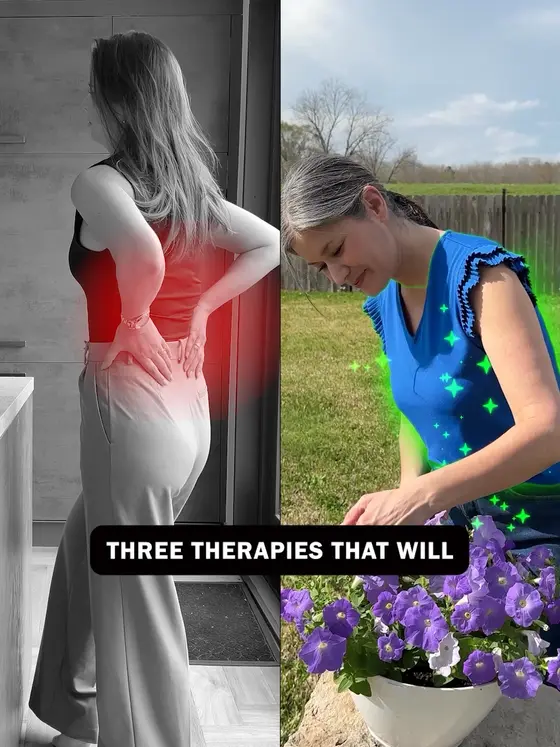
Three things need to happen for spinal stenosis support to actually last. Most people only address one. That's why the cycle keeps repeating. First: the deep stabilizing muscle that stenosis shuts down needs to be reactivated. It sits 30-50mm below the surface, where standard approaches don't reach. Second: once that muscle starts working again, the vertebrae can hold their position and reduce pressure on the compressed nerves. Third: consistent daily use rebuilds strength over time so the spine has internal support all day, not just temporarily. Rehabilitation clinics offer these therapies separately for hundreds of dollars per session. But many people are now combining all three at home with a simple 15-minute daily routine. Learn about the approach 👉 try.relivex.com/lander
Placements and targeting
More ads from Walk Free Daily
Three signs keep showing up in the months before a spinal fusion is discussed for the first time. The walks get shorter, sometimes ending at the nearest bench. A heaviness or tingling starts traveling down one or both legs. The lower back aches through the day and only quiets when the body sits and leans forward. Most patients carry all three for years before anyone explains what they tend to mean. They usually trace back to one detail, a deep stabilizing muscle along the spine that has switched off. A newer at-home approach reaches that layer directly. See what's actually behind the 3 si
A surprising share of spondylolisthesis patients are finally getting pain relief after years of routines that didn't land. The pattern across those stories comes down to one detail. A deep stabilizing muscle along the lower spine that the slipped level shut off. Most spondy routines, from chiropractic adjustments to injections to physical therapy, work the layers around it. The muscle itself stays offline through all of them, which is why the relief never lasted. A newer at-home approach is built around restoring that exact layer. Read what's behind the turnaround 👉 try.relivex.com/lander
Keep exploring
Find more ads like this
Search millions of real ads by keyword, niche and format, and save the winners to your swipe file.
