A research detail keeps showing up across spondylolisthesis stories where the slip progressed faster than expected. A deep stabilizing muscle along the lower spine quietly atrophies under the chronic instability of the slip. Fat replaces the muscle tissue. The internal support keeps collapsing. The slip inches forward. Grade 1 becomes Grade 2 becomes Grade 3. The detail most spondy patients hear about too late is that the muscle, not the bone, is the layer that decides whether the slip stays stable or keeps moving. Learn more 👉 try.relivex.com/lander/n
Walk Free Daily Facebook and Instagram ad
Walk Free Daily ran this video ad since Jun 28, 2026, 132 days so far.
Ad copy
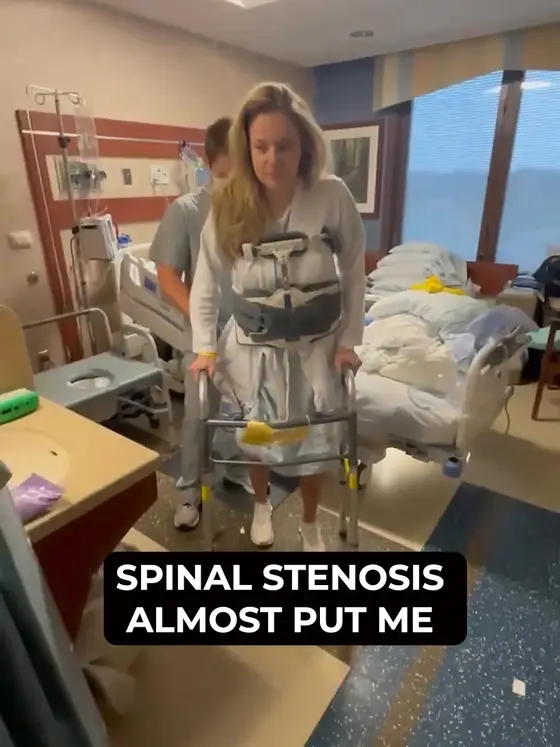
The progression of spinal stenosis worries many people more than the symptoms themselves. Walking distance shrinks. Mobility becomes uncertain. And the path toward surgery feels inevitable. But here's what the research reveals. Fusion surgery doesn't guarantee the progression ends. Nearly half of patients still struggle afterward. And 1 in 3 need another surgery within a decade. The reason is something most surgeons don't check for: a deep stabilizing muscle that shuts down when stenosis develops. Surgery addresses the structure, but this muscle stays offline. Without it, the spine has no internal support. The good news? This muscle can be reactivated. Not with more procedures, but with a specific technology that reaches it directly. 15 minutes a day at home. 🏡 Learn what's keeping stenosis patients mobile 👉 try.relivex.com/lander
Placements and targeting
More ads from Walk Free Daily
Three signs keep showing up in the months before a spinal fusion is discussed for the first time. The walks get shorter, sometimes ending at the nearest bench. A heaviness or tingling starts traveling down one or both legs. The lower back aches through the day and only quiets when the body sits and leans forward. Most patients carry all three for years before anyone explains what they tend to mean. They usually trace back to one detail, a deep stabilizing muscle along the spine that has switched off. A newer at-home approach reaches that layer directly. See what's actually behind the 3 signs 👉 try.relivex.com/lander
A surprising share of spondylolisthesis patients are finally getting pain relief after years of routines that didn't land. The pattern across those stories comes down to one detail. A deep stabilizing muscle along the lower spine that the slipped level shut off. Most spondy routines, from chiropractic adjustments to injections to physical therapy, work the layers around it. The muscle itself stays offline through all of them, which is why the relief never lasted. A newer at-home approach is built around restoring that exact layer. Read what's behind the turnaround 👉 try.relivex.com/lander/n
Keep exploring
Find more ads like this
Search millions of real ads by keyword, niche and format, and save the winners to your swipe file.
