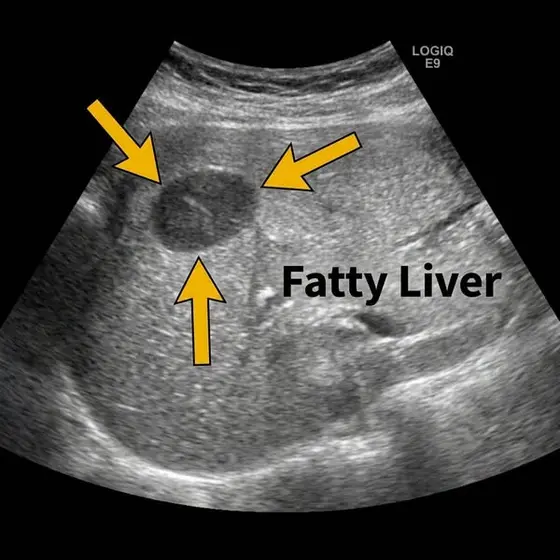
The Wellness Research Report Facebook ad creative
florenix.com
Fatty Liver? It's Not About Your Weight...
Learn more

The Wellness Research Report Facebook and Instagram ad

The Wellness Research Report ran this image ad since Jun 25, 2026, 135 days so far.

First seen
Jun 25, 2026
Running for
135 days
Format
Image
Call to action
Learn more
Niche
Health and supplements
Countries
Not disclosed
Page likes
1,420

Ad copy

I've watched too many fatty liver patients end up on a transplant list to keep my mouth shut about this. If you've been told "just lose weight" for fatty liver, I need to tell you something your GP isn't telling you. My name is Jennifer Stevens. I've treated over 200 fatty liver patients in 15 years as a clinical nutritionist and functional medicine specialist. And when a patient walks into my clinic with elevated ALT after their GP said "lose weight, we'll recheck in a year," I already know what their Fibroscan will show 5-10 years later if nothing changes. Advanced fibrosis. The exact same oxidative fire and endothelial dysfunction driving their elevated ALT is silently scarring their liver tissue right now. And at 51, when my own ALT came back at 62, I knew exactly what my GP was about to tell me. And exactly what he wasn't. Your elevated ALT isn't a "watch and wait" problem. It's a vascular emergency happening at the micro-cellular level. I've been treating fatty liver for 15 years. I've seen hundreds of patients dismissed with "try to lose some weight, we'll recheck in a year." Most of them walked out, Googled the diagnosis on the drive home, and stopped at the supplement aisle on the way back. Milk thistle. Turmeric. Fish oil. One of those 15-ingredient liver detox blends. The supplements every fatty liver article on the internet eventually recommends. They took them for months. Some for years. Their bloods barely moved. And what's worse, they thought they were doing something about the problem. Because your GP sees you once. Writes the dismissal. Sends you home. They don't see you 5 to 10 years later when you're sitting in my office with a Fibroscan reading 12+ kPa and the word "fibrosis" on your chart for the first time. But I do. Linda's mother. Diagnosed with fatty liver at 49. Same advice. Lose weight, recheck next year. Year after year. By 62 her enzymes had crept up enough that they finally ordered an ultrasound. Cirrhosis. By 65 she was on the transplant list. She died at 67 waiting. Her starting ALT was 58. Almost exactly what mine was. James, 31. Came to me with ALT 71. Normal BMI. What I'm ashamed to say I didn't recognise quickly enough was lean NAFLD. I gave him the same "milk thistle and Mediterranean diet" speech I'd been giving for years. He came back 18 months later with a Fibroscan reading 13.4 kPa. F2-F3 fibrosis. Still reversible at that stage. But barely. He's the patient I think about at night. They had years. They just didn't know they had them. Because nobody had explained what their blood test results were actually pointing at, or what was quietly building underneath those numbers while they waited for the next appointment. The lab work was telling them the truth from the first test. The supplements they were taking didn't change anything. They just made them feel like they were doing something. My symptoms told me I was fine. My bloods said otherwise. I felt fine. A little more tired than I used to be. Brain fog in the afternoon I told myself was my schedule. My weight had crept up but nothing dramatic. Then a routine annual check-up caught it. My GP looked at the panel and said what he says to every patient. "Standard plan. Try to lose a bit of weight, cut alcohol, recheck in six months." I knew it wouldn't work. That's not the point. I'm a clinical nutritionist. I'd watched over 200 patients try exactly that and watched their numbers stay exactly the same or even go up. So I requested my own full liver panel. ALT 62. AST 47. GGT 71. I asked for a Fibroscan. Because I know what elevated ALT actually means. Early fibrosis. A massive oxidative fire choking off your liver's micro-vasculature. The kind of vascular damage diet alone was never going to fix. My elevated ALT wasn't a "lose some weight" problem. It was my liver's blood supply being choked off faster than my body could repair it. And another year of "monitoring" would have masked the only early warning sign I had. Here's what your GP doesn't tell you because they don't follow long-term liver health outcomes. Your liver doesn't have nerve endings. It doesn't hurt. It doesn't swell painfully. It doesn't warn you. By the time your ALT is elevated, your natural antioxidants have been depleted for years. By the time a Fibroscan shows fibrosis, the oxidative damage has been progressing in silence. You're not "just getting older" or "stressed" or "carrying a few extra pounds." The micro-vessels your liver relies on to clear toxins are being choked off by oxidative stress. The same process pushing your ALT up is quietly progressing toward fibrosis underneath. Right now. Roughly 1 in 4 patients with NASH progresses to cirrhosis within 10 years. By the time most fatty liver patients are diagnosed, the damage is already at F2 or F3. Your fatty liver isn't embarrassing. It's your 5 to 10 year early warning system. And milk thistle silences that alarm while the fibrosis advances. So I tried what patients try. Diet. Mediterranean style. Cut alcohol entirely. Walking every morning. Improved how I felt a little, but ALT stayed elevated. Supplements. Milk thistle. Turmeric at 1g a day. Fish oil. A liver detox blend with 15 ingredients I couldn't pronounce. 18 weeks of disciplined dosing. Bloods came back. ALT 60. I lost 2 points. 18 weeks of doing exactly what I'd been telling 200 patients to do. Nothing was reopening the choked-off vessels driving the ALT. But I kept thinking about something that made no sense. The liver is one of the only organs that can fully regenerate itself. Fatty liver CAN reverse. Even early fibrosis CAN reverse. The scientific research proves it. So why wasn't mine reversing? And why hadn't my patients' livers reversed either? 8th October. Late at night. I was reviewing 18 months of patient outcome data in my home office after a long clinic day. Couldn't sleep. My own ALT had just come back at 60. I wasn't looking for anything specific. If I'm being honest, I was pretty desperate. I'd compiled outcomes for every patient I'd put on milk thistle for at least six months. Average ALT change at 6 months. Average change at 12 months. Average change at 18 months. The numbers stopped me cold. Patients on milk thistle showed no statistically meaningful improvement compared to patients taking nothing at all. Eighteen months. 200+ patients. Almost zero meaningful difference. I sat there staring at a spreadsheet I should have run five years earlier. I was the specialist recommending milk thistle for 15 years. And I was wrong. Then I pulled up the small subset. The ones who'd done their homework. They'd quietly added something else on their own while I was still recommending milk thistle. A specific dietary flavanol called epicatechin. Some had bought standard supermarket cocoa powder or cheap chocolate extracts from Amazon. £14.99. Their numbers barely moved either. Maybe a few points, then they plateaued. That sent me down another rabbit hole. Commercial chocolate and standard cocoa powders have a serious processing problem. They are "dutched" and alkalised. That manufacturing process destroys up to 90% of the active flavanols. So a standard scoop? Your liver actually sees almost nothing. That's a fraction of the clinical study dose. No wonder my own patients on standard supermarket cocoa saw nothing. But the small group who'd found pure, cold-processed raw cacao? Those numbers told a different story. The cold-processing preserves the epicatechin so it actually reaches your bloodstream. Their ALT was moving. Real movement. The kind of result I'd been hoping for in 15 years of practice but never actually seen. I'd been a clinical nutritionist for 15 years. I'd studied liver biochemistry my entire career. And I'd never properly understood why milk thistle wasn't doing the job. Milk thistle sits on the outside of a liver cell and absorbs some free radicals. That's its job. But it can't reopen a choked-off blood vessel. Epicatechin can. It floods the micro-vasculature with nitric oxide, forcing the vessels wide open so your liver can actually clear toxins again. At the same time, it packs 40 times the raw antioxidant capacity of blueberries to neutralise the oxidative fire completely. One protects the surface. The other restores the blood flow. Decades of cardiovascular research have proven epicatechin restores endothelial function. And recent clinical data shows the exact same mechanism applies to the hepatic micro-vasculature—it's one of the only compounds that shows significant ability to neutralise oxidative stress and reopen liver blood vessels. At 12 am, I ordered Florenix. A cold-processed raw cacao powder. 1,200mg of flavanols and 600mg of epicatechin per serving. The clinical study dose. Not the dutched supermarket cocoa I'd watched patients buy and see nothing from. I didn't expect miracles. But for the first time in 15 years, the mechanism was sound. The tub arrived three days later. I started on 12th October. One scoop in the morning with breakfast. 10 days in, I noticed the brain fog wasn't there. I'd just driven home from a 12-hour clinic day and my head felt as clear as it could be. First time in months. Three weeks in, my husband noticed before I told him. "You're not running on coffee anymore," he said over breakfast. "What changed?" I hadn't told him I was taking anything. "Different approach," I said. "Whatever you're doing, keep doing it." Eight weeks in, I got my ALT rechecked and Fibroscan rechecked. When the numbers came up, I stared at the screen for almost one minute. ALT: 31. Down from 62. 50% reduction in 8 weeks. AST and GGT both back in normal range. Fibroscan: 6.4 kPa. Down from 8.2. The drop wasn't subtle. It was the kind of movement I'd been promising patients for 15 years and never seeing. My elevated ALT was resolving because my liver's micro-vessels were finally reopening. I printed both panels. Walked them down to the next clinical review meeting. Dr Patel looked at the panels. Looked at me. Looked back at the panels. "Jennifer, what protocol did you put yourself on? ALT doesn't drop this fast on diet alone." I explained the endothelial dysfunction. The epicatechin mechanism. The nitric oxide flush. The cold-processed raw cacao vs dutched commercial cocoa. He studied the numbers for another minute. "And you said your Fibroscan improved too?" "From 8.2 to 6.4 in eight weeks." He was quiet for a moment. "I need to start asking my fatty liver patients about whether they've ever tried clinical-dose cocoa flavanols." I cancelled my hepatologist consult. But I started telling patients something their GPs don't. I started with Linda. 54. Three years of doing everything her doctors told her. Cut all sugar. Mediterranean diet. Walked every morning. Lost 22 pounds. Took milk thistle twice a day for eight months. Tried lymphatic drainage drops her sister found on Facebook. Her ALT when she started? 72. Her ALT after three years of all of that? 69. Three points. Three years. That was her reward for doing everything right. Linda sat across from my desk and said, "I'm not going to be my mother. But nobody will tell me what to do besides losing weight." So I told her what I'd just figured out. 10 weeks on the same protocol I'd put myself on. 1,200mg of cold-processed flavanols. One scoop in the morning. Her ALT at 10 weeks: 34. Down from 72. At her 8-week follow-up, her husband pulled me aside in the corridor. He said, "I don't know what you gave her, but she's sleeping through the night for the first time in two years. Whatever you're doing, keep doing it." I'm not telling you this because I'm against milk thistle. Milk thistle has a place. It's a gentle hepatoprotectant. It might marginally slow some forms of acute oxidative stress. But it doesn't reopen choked-off blood vessels. It doesn't address the biochemical mechanism causing fatty liver progression. It doesn't move ALT meaningfully in the patients who need it most. It temporarily protects the outside of liver cells while the blood supply chokes off inside. Your elevated ALT is warning you. The same oxidative fire driving your ALT is quietly scarring your liver tissue underneath. And you have two choices. Wipe the outside of your liver cells with milk thistle while the blood supply chokes off inside. Or reopen the vessels and let your liver heal. I think about what I almost did. I almost wasted years the way my own patients had wasted theirs. I almost let my own ALT climb on a milk thistle protocol I'd already proven didn't work. I almost became the patient I see in my clinic 5 to 10 years later, wishing someone had told them their elevated ALT isn't the full picture. Because once your Fibroscan shows F2 to F3, your treatment options narrow. Once cirrhosis is on your chart, the damage is permanent. Once you need a transplant assessment, your life changes forever. There's a new drug called Rezdiffra. Recently approved for advanced fibrosis. It costs around £35,000 a year privately and only addresses fibrosis after it's already developed. Florenix is about £1.50 a day. And it addresses the oxidative stress before fibrosis develops. You don't get a second warning. Your elevated ALT is your first warning. The only warning you can still act on. Your elevated ALT is your check engine light. Milk thistle is electrical tape over the warning indicator. The engine is still failing. You just can't see the light anymore. But I see it every day in 200 patients' bloods. Every single one of them says the same thing. "I wish someone had told me elevated ALT was actually treatable." Someone just told you. You can't unhear it. The choice is yours. Reopen your micro-vasculature, and you potentially reverse fatty liver before it becomes fibrosis. Or try to heal the outside of your liver cells with milk thistle, and risk everything underneath. I'm a clinical nutritionist. I understand endothelial function at a molecular level. And I chose to reopen my own liver's blood supply before it progressed to fibrosis. That's all I'm asking you to consider. Give your liver a chance to heal before you accept "monitoring" or risk a hepatology referral. Your elevated ALT is giving you years of advance warning. Use them. Eight weeks. That's all it took my ALT to drop from 62 to 31 and start reversing early fibrosis on imaging. Eight weeks of reopening choked-off blood vessels instead of wiping the outside of cells. This is the cold-processed raw cacao I bought: https://florenix.com/products/florenix-cocoa-flavanols P.S. The protocol I used is Florenix Cocoa Flavanols. 1,200mg of flavanols and 600mg of epicatechin per serving. The clinical study dose, not the dutched, under-dosed cocoa most patients are buying at the supermarket. Cold-processed delivery so the active compounds actually survive and reach your liver cells (standard cocoa powders destroy up to 90% of the epicatechin, so most of it never reaches your liver). If you've been told "just lose weight" for fatty liver, and you've been taking milk thistle, and you have any cardiovascular risk factors, metabolic syndrome, type 2 diabetes, or family history of liver disease, get a baseline ALT/AST/GGT panel. Take Florenix for 8 to 12 weeks. Get follow-up bloods. Compare your numbers. Florenix backs the protocol with a 90-day money-back guarantee. If your numbers don't move on the 90-day protocol, you get every penny back. No questions. The 3-tub bundle is the protocol I'd recommend. Buy 2, the third is free. That drops the cost significantly and saves you money versus single tubs. Exactly 90 days, which is the study window. Florenix is small. They've sold out twice this year already. If your tub ships, take it. If it's already out of stock, get on the waitlist before the next batch. You can always go back to milk thistle if it doesn't work. But you can't undo cirrhosis if your elevated ALT tried to warn you and you silenced it with a supplement that wasn't doing the job. I wish someone had told me this 15 years ago when I started telling patients to just lose weight and trying milk thistle. I can't get those years back. But I can tell you now. Don't waste the time you have. This is the cold-processed raw cacao I bought: https://florenix.com/products/florenix-cocoa-flavanols

Placements and targeting

FacebookInstagramAudience NetworkMessengerThreads

More ads from The Wellness Research Report

Full The Wellness Research Report profile
The Wellness Research Report
+1
Inactive134 days
florenix.com
High Flavanol Cocoa 1200mg with 600mg Epicatechin
Learn more

Here's how to use cold-processed raw cacao the right way, and if you don't believe me, I've been a nurse for 38 years. Blood sugar biology is my thing. And I need to confess something. For 38 years I've been telling diabetic patients to take their Metformin, follow the NHS diet, and trust their GP. Last year, my own fasting blood sugar hit 10.4. I did none of those things. Here's why. I've been a nurse for 38 years, and high blood sugar is one of the hardest things I see patients struggle with. The afternoon crashes. The brain fog. The desperate thirst that never stops. I've had patients tell me they're up 3 or 4 times every night running to the loo. Day and night, it never stops. About three years ago, it happened to me. My own blood sugar started spiking out of control. All those years of long shifts and not taking care of myself the way I should have finally caught up with me. At first it was just feeling tired after lunch. Then came the crashes. Those sudden waves of exhaustion and brain fog that hit you out of nowhere. By the end of my shift, I could barely think straight. But the worst part? Nighttime. The second I'd finally fall asleep, I'd wake up needing to pee. Again. And again. I'd be dragging myself to the bathroom three, sometimes four times a night, feeling exhausted and thirsty no matter how much water I drank. Now I was the one living with it. And let me tell you, every patient was right. It's a living hell. My GP offered me Metformin. I smiled politely and said I'd think about it. But I knew I wasn't going to take it. I've watched too many of my patients struggle with the side effects. The diarrhoea so bad they're afraid to leave the house. The nausea and stomach cramps that never fully go away. The fact that their blood sugar still isn't stable. And for what? Most of them tell me it barely keeps their numbers in check. I wasn't about to trade one nightmare for another. So I just dealt with it. Apple cider vinegar shots. Berberine. Cutting carbs completely. Nothing really worked. But what else was I supposed to do? Then about two months ago, one of my regular patients came in for her appointment. Sweet lady with type 2 diabetes and blood sugar issues for years. She'd been struggling with it for over a decade. I always felt terrible for her because she'd tried everything and nothing gave her more than a few hours of stable energy. But this time she seemed different. Lighter somehow. I asked her how she was managing, and she said something I didn't expect. She told me her blood sugar actually wasn't crashing anymore. She'd found this supplement, cold-processed raw cacao, packed with natural flavanols and epicatechin. Been taking it every morning. And for the first time in years, she was sleeping through the night without waking up to pee. I'll be honest, I was very sceptical. I've heard every miracle cure story you can imagine. But she seemed so genuinely relieved. Like she'd finally found something that actually worked. That same night, my blood sugar was all over the place again. I woke up twice to pee and couldn't get back to sleep. And I kept thinking about what she'd said. So I looked it up. Turns out the active compounds in real, cold-processed raw cacao—specifically a flavanol called epicatechin—flood your micro-vasculature with nitric oxide. This forces open choked-off blood vessels, restoring proper blood flow to your pancreas and cellular insulin receptors, while completely neutralising the oxidative fire that causes insulin resistance in the first place. It doesn't force your body to produce more insulin like drugs do. It restores your cells' ability to actually use the insulin you have. The science actually made sense. I ordered some. Standard commercial cocoa powder from a brand on Amazon. Took a scoop every morning for three weeks. My numbers moved maybe 0.3 points. Nothing real. So I ordered a different brand. Same thing. "Premium" cocoa, slightly different label. Three weeks later, no meaningful change. I was getting frustrated. Everyone said cocoa flavanols worked. But they weren't working for me. So I went back and started reading more carefully. That's when I noticed something. People weren't just saying cocoa. They were getting specific about which cocoa. One person said they tried three different brands before finding one that actually worked. Another mentioned most cocoa you can buy online or at the supermarket is "dutched" and alkalised—a chemical process that destroys up to 90% of the active epicatechin so it tastes sweeter. I started researching. Turns out most cocoa supplements are dutched powders your body can't use, low concentration with not enough active compounds, mixed with sugar and additives that spike the exact inflammation you're trying to fight, and have no real flavanols left so they pass through unused. The cocoa flavanols that actually worked for blood sugar had to be strictly cold-processed raw cacao, delivering a clinical dose of epicatechin, never alkalised, and third-party tested for verified purity and potency. I kept seeing the same brand mentioned over and over in the reviews and testimonials. Florenix. I ordered it. It was more expensive than the supermarket tubs I'd tried. But at that point I didn't care. When it arrived, I could tell the difference immediately. This wasn't stripped-down, sugary powder. It was a pure, cold-processed raw cacao delivering 1,200mg of raw flavanols and 600mg of epicatechin per scoop. The quality was obvious. I took one scoop that first morning. I didn't expect much. I'd already been disappointed twice. But about 30 minutes later, I noticed something. The usual mid-morning crash wasn't happening. Like someone had flipped a switch and my energy was actually staying steady. I went from feeling like I was flagging through the day to actually feeling clear-headed and energised. I could actually feel my brain working properly again for the first time in months. That night, I slept through. Actually slept through without a single trip to the loo. No waking up at 2 am. No stumbling to the bathroom half-asleep. Just sleep. When I woke up the next morning, I laid there stunned. Eight hours. I'd slept eight hours without waking up once. By the end of the first week, I checked my blood sugar in the morning. 6.5. Not 10.0 like with the other brands. 6.5. I checked it three times because I didn't believe it. It hadn't been under 8.9 in over a year. Those afternoon crashes that used to knock me out? Gone. The brain fog that made me forget what I was saying mid-sentence? Cleared up almost completely. I could work a full shift without feeling like I needed a nap by 2 pm. It's been two months now. I sleep through the night. Every night. The crashes are gone. The constant thirst is gone. Sometimes I get a tiny bit of fatigue after a really long shift, but it's nothing. Nothing compared to what it was. I saw my patient last week and thanked her. She just smiled and said she was glad it helped. Look, for almost three years I thought I just had to live with the crashes and brain fog. That this was my life now. But I was wrong. And here's the thing. Not all cocoa is created equal. I wasted weeks on cheap, dutched brands that barely moved the needle. Florenix's cold-processed epicatechin delivery is the only one that actually worked. If my patient hadn't mentioned raw cacao that day, I'd still be waking up exhausted with my blood sugar all over the place. I've told five of my patients with high blood sugar about Florenix specifically. Every single one of them has come back and said they're finally getting stable energy. One lady told me she slept through the night for the first time in three years. I'm sharing this because I hope it can help someone else the way it helped me. After 38 years as a nurse, I thought I knew every option out there. Turns out, my patient knew something I didn't. Here's where I got mine: https://florenix.com/products/florenix-cocoa-flavanols (They're running a bundle offer right now. I just ordered 3 more tubs.) P.S. A few things I wish I'd known before ordering: When I first ordered Florenix, I didn't know they had a 90-day money-back guarantee. If it doesn't work for you, you get your money back. No questions asked. I wish I'd known that earlier. Would have saved me from trying those cheaper brands that did nothing. Most people buy it at regular price, but right now they're running a promotion where you can get it at a significant discount when you buy a bundle. That's actually how I was able to stock up on three tubs. The only problem is that Florenix is a small company committed to quality, cold-processed testing. They're getting really popular, probably because nurses like me keep recommending it to patients, and they can't always keep up with demand. I want to apologise in advance because when you click the link below, you might see that they're sold out. I've had patients wait weeks before Florenix was back in stock. But I'd still suggest clicking to see if they have any left. If you're dealing with high blood sugar, constant fatigue, brain fog, or waking up multiple times at night, and especially if medications like Metformin are making your life miserable, I'd grab some before they're gone again. I went from 10.4 to 6.5 in six weeks. If there's even a chance this could work for you, it's worth trying. 👉 Check if Florenix is in stock here: https://florenix.com/products/florenix-cocoa-flavanols

The Wellness Research Report
+1
Inactive134 days
florenix.com
1 Supplement, 9 Benefits
Learn more

I'm 54 years old, and 3 months ago I got my blood test results back and my GP circled two numbers in red. My LDL cholesterol was 4.3, and my HDL was sitting at 1.0. He looked at me and said "if we don't get this under control, you're at serious risk for a heart attack or stroke. We have to start you on a statin immediately." I sat in that office and felt my stomach drop... because I've seen what statins do to people. My older brother has been on them for almost a decade. He complains about constant leg cramps, poor memory, and permanent brain fog that makes him feel like he's wading through mud every single day. He told me once, "I can't tell if the pills are keeping me alive or slowly shutting me down." He was 56 when they put him on them. And I told myself… that's not going to be me. So I went home and started digging into the research. I tried everything the internet told me to try: Fish oil capsules, red yeast rice, cutting out eggs, porridge every morning. Even that plant sterol spread that tastes like flavoured plastic. After two months of choking down supplements and eating like a monk, I went back for another blood test. My LDL dropped by just 0.1. That's when I started looking even deeper beyond the standard advice. I found something in a cardiovascular research paper that completely changed how I understood cholesterol. Here's what it said: The real problem isn't that your LDL number is high. The real danger is when your LDL particles get oxidised by free radicals in your bloodstream. See, LDL cholesterol on its own is actually a normal part of how your body functions. Your liver produces it, it travels through your blood, it delivers nutrients to your cells. That's what it's supposed to do. But when free radicals attack those LDL particles, which happens more and more as you get older, as you deal with stress, inflammatory foods, environmental toxins, those particles become oxidised. And oxidised LDL is what triggers arterial plaque buildup. That's what narrows your arteries. That's what leads to heart attacks and strokes. So here I was, obsessing over my total LDL number, when the real threat was that my cholesterol was being damaged in transit and nobody had ever explained that to me. Not my GP. Not the back of the fish oil bottle. Nobody. Once I got familiar with the actual problem, I found an article in the Journal of Pharmacology And Therapeutics about a specific type of antioxidant. It's a flavanol found in raw cacao, which has been shown to do something no other common supplement could do. It floods your bloodstream, locking onto the exact pathways where your lipids travel. Think of it like an armed escort convoy riding right alongside your cholesterol down the exact same highway, intercepting free radicals and neutralising them before they can ever crash into your LDL. And it doesn't stop there… It also supports the flexibility of your blood vessel walls, improves blood flow by boosting your body's nitric oxide, and helps shift your cholesterol ratio toward more HDL and less LDL. Fish oil doesn't do that. CoQ10 doesn't do that. Red yeast rice definitely doesn't do that. None of those are designed to ride alongside your cholesterol and protect it from oxidative damage. They're all addressing isolated symptoms while the actual cause (oxidation in the bloodstream) goes completely unchecked. The compound is a cocoa flavanol called epicatechin. And based on ORAC scoring—the clinical standard for measuring antioxidant strength—it packs 40 times the antioxidant capacity of blueberries. I know. I'd never heard of it either. But once I understood the mechanism, I couldn't un-see it. Everything else I'd tried was fighting the wrong battle. The problem was, when I went looking for a high-flavanol cocoa, most of what I found was a mess. Brands selling "cocoa" that's been dutched and alkalised, a process that destroys up to 90% of the flavanols, the only part that actually does anything. That's like taking a third of an aspirin and wondering why your headache is still there. And the ones that weren't dutched buried a tiny scoop of flavanols in a tub loaded with sugar, which spikes the very inflammation you're trying to fight. Taking an antioxidant and packing it with sugar felt backwards. I tried three different brands from Amazon over a 6-week stretch. None of them moved the needle. Then a friend in my walking group, who's a retired pharmacist, told me about Florenix. 1,200mg of real flavanols and 600mg of epicatechin per scoop, from raw cacao, not stripped down in processing. Cold-processed so the flavanols actually survive, never dutched. No sugar, no fillers, no alkalising, no synthetic rubbish. I figured after everything else I'd tried, what's one more. So I ordered a couple of tubs and started taking one scoop every morning with breakfast. The first thing I noticed, and this was within about 10 days, was my energy. I wasn't flagging in the afternoon anymore. That 2pm wall where I'd normally reach for another coffee didn't hit. I'd get to 4 or 5 o'clock and realise I still felt sharp, still had momentum. My wife actually commented that I looked different. Said my face had more colour, that I looked less tired. Her exact words were "you look like you did five years ago." But the real moment came 8 weeks in, at my follow-up blood test. My LDL had dropped to 3.4. My HDL had climbed to 1.3. My GP pulled up the previous results side by side and actually paused. "What changed?" he asked. I told him about the cocoa flavanols. About the oxidised LDL research, the mechanism, all of it. He didn't laugh. He actually nodded and said he'd seen the studies, but that most patients don't know about it. Then he said something I'll never forget: "This is the best lipid panel you've had since I started treating you. Keep doing whatever you're doing. We can hold off on the statin conversation." That was 10 weeks ago now. My numbers have held steady. My energy stays consistent from morning until evening. I sleep well, I recover fast from my walks, and honestly, I feel like I got five years back. I'm not flagging through my days wondering when the other shoe drops. I'm not staring at a prescription bottle on my nightstand dreading what it's going to do to my body. One scoop. Every morning. With breakfast. That's it. I'm telling you this because if your cholesterol numbers have you worried. If your GP is pushing statins and you're lying awake at night wondering if there's another path. I need you to know that what I found is real. It's not a miracle pill. It won't replace a sensible diet or exercise. But it fills a specific gap that diet, exercise, and every other heart supplement I tried left completely open… Protecting your cholesterol from the oxidative damage that causes the problem in the first place. Florenix offers a 90-day money-back guarantee, so you're not risking anything to find out for yourself. And honestly, if your results look anything like mine, you're going to be furious that your GP's first instinct was to reach for the prescription drugs instead of telling you about this. Fair warning, though. Florenix is a smaller company and they run out of stock regularly. I've been caught waiting for a restock once already, which is why I keep a backup supply now. If they have tubs available right now, I wouldn't sit on it. Your cholesterol isn't protecting itself. Every day those LDL particles are circulating unguarded is another day of oxidative damage building up in your arteries. You deserve to walk into your next blood test feeling confident, not terrified. Your body has what it actually needs to keep your heart healthy the way it was designed to. This is what helped me take control of my cholesterol without a single prescription. It could do the same for you. 🔗 https://florenix.com/products/florenix-cocoa-flavanols

The Wellness Research Report
+1
Inactive135 days
florenix.com
My uncle quit alcohol for 7 years... His liver gave out anyway
Learn more

I am going to say something that nobody with liver problems wants to hear and I don't give a f*k if it upsets you. Quitting alcohol is not going to save your liver. Not the alcohol-free beer. Not the AA meetings your GP keeps pushing. Not Dry January. Not tapering. Not cold turkey. NONE OF IT IS GOING TO WORK. I know because I watched my uncle do ALL of it. Every form of abstinence. Seven straight years. Not a beer at Christmas. Not a glass of wine at his daughter's wedding. Nothing. And his liver failed anyway. Sixty-one years old. Died of cirrhosis. Because he spent seven years treating the wrong problem. And the worst part? Years later my own ALT came back at 187. Same age range. Same blood test result. Same GP pulling out the same referral form. And I almost let it happen to me because I was still listening to the same garbage advice that killed him. I'm done being polite about this. If your numbers are climbing and you're sitting there debating whether to give up whisky for the rest of your life, you are wasting time your liver does not have. Read this entire post. Every word. Because the answer is in here and it is NOT another seven years of declining invitations. My name is David M. I'm 58. I live in Manchester with my wife Karen and our two grown kids. Whisky a few nights a week. Pints at the match. Client dinners, weddings, the barbecue my mate throws every August Bank Holiday. That's not a problem. That's my life. Or at least it was, until I got my diagnosis. My uncle Ted was 54 when he got his. The GP told him to stop drinking entirely. No questions. ALT in the 180s. Fatty liver. Early fibrosis. The consultant hepatologist called abstinence "the gold standard." Said it was "the only intervention with real evidence." Said it would protect his liver. Uncle Ted did exactly what they told him. Not another drink. Not a pint at the local. Not a whisky at his retirement party. Not a glass of red at his daughter's wedding. Nothing. For SEVEN YEARS. In year one, the bloods improved. ALT came down. The doctor said they were making progress. But Uncle Ted wasn't himself anymore. This was a man who was the first invite at every barbecue. The ringleader of the lads' trips. Friday night poker host. The bloke you wanted in the room. By year three, he'd stopped going to the barbecues. Stopped accepting the holiday invitations. Started declining poker night. "Too hard to be around it," he'd say. "Easier to just stay home." My aunt told me he cried in the car on the way home from his daughter's wedding. Not from joy. Because he felt like he was watching his own life through a window he couldn't open. You know what the doctors said when they told them what abstinence was doing to him? "That's normal. It gets easier." "We can refer you to a support group." "The benefits outweigh the quality of life impact." So he stayed compliant. Year after year. Watching everyone else drink while he sipped sparkling water and tried to smile. Slowly disappearing from the life he'd built. And then the fibrosis progressed anyway. F3 by year five. Cirrhosis by year seven. He never had another drink. And he died of liver failure at 61. At his funeral, my aunt grabbed my hand and said something I will never forget: "They took everything he loved for seven years. And then they let him die anyway." Three months ago, I went in for my annual health MOT. The GP pulled up my bloods. "David, your ALT is 187. We need to talk about your alcohol consumption." She started writing the referral. "I'd like you to stop drinking. Completely." My chest went tight. I saw Uncle Ted declining the wedding glass. Crying in the car. Dying at 61 after seven years of perfect compliance. "No," I said. She blinked at me. "I'm not stopping permanently. I watched my uncle do exactly that. His liver failed anyway. So I'm not destroying my life for an outcome that isn't even guaranteed." She gave me the look they give difficult patients. "Give me ninety days," I said. She wasn't happy. I didn't care. For three months, I did everything else right. Cut my drinking in half. Cleaned up my diet. More veg. Less red meat. No fried food. Started a milk thistle supplement from the local health shop. The girl behind the till swore by it. Three months later, I went back. ALT: 181. Four points. After ninety days of half-drinks and salads and milk thistle. Four. Points. The GP pulled out the referral form again. "David, I really think it's time." I drove home with that referral on the passenger seat and felt something snap. I'd cut back. Cleaned up. Taken the supplements everyone recommends. And the only "real" answer left was to permanently give up the thing that defines every social moment of my life. Watch every barbecue, every lads' trip, every poker night happen without me. For the rest of my life. With no guarantee it would even work. That night I couldn't sleep. I kept doing the maths. My uncle developed serious fibrosis at 54. I was 58 with a 187 ALT and a referral sheet on my kitchen counter. At 2am I gave up. Went downstairs. Opened my laptop. I started researching everything. What actually causes liver enzyme elevation. Why some people drink their whole lives with perfect bloods and others don't. What's actually happening at the cellular level. Every mainstream site said the same thing: Stop drinking. Reduce calories. Exercise more. Take milk thistle. I'd done three of those four. I refused to do the one that would cost me my life as I knew it. So I kept digging. Looking for men who'd actually solved this. Not managed it. Not just delayed it by quitting. Solved it. That's when I found the thread. A forum post about men who fixed their liver enzymes without giving up drinking. And in the comments, one name kept coming up. A bloke called Danny. People kept saying: "Find out what Danny is taking." Fifteen comments. Twenty. All pointing to the same person. Someone posted a city. A pub he went to regularly. I looked at the clock. 2:47 AM. 8 AM, I was in my car. By 11 AM, I was in Newcastle. I didn't have an address. Just a city and a pub name. Found the pub. Sat down. Asked the barman if he knew a regular named Danny. He pointed to the end of the bar. Man about my age. Whisky in front of him. Easy posture. Grinning at something on his phone. I walked over. He looked up. "You drove here," he said. Not a question. "Three hours," I said. He nodded at the stool next to him. "Sit down." I told him about my uncle. About my bloods. About my GP's referral sheet. About the three months of cutting back that changed nothing. He listened without saying a word. Then he pulled out his phone and laid it on the bar in front of me. His blood test results. Six months of them. "Pint and a pie on a Tuesday," he said. "ALT: 26." "Full weekend at my mate's cottage in the Lake District." "AST: 21." "Cheltenham Festival. Three days straight." He pointed to the follow-up bloods a week later. "ALT: 28." I looked at the dates. The entries. The numbers. "Your ALT was 187 six months ago," I said. "Same as mine." "Exactly the same," he said. I stared at his phone. Then I ordered a whisky. "What are you taking?" I asked. He shook his head. "Not tonight. Have the drink. We'll talk in the morning." Next morning, over coffee, Danny leaned across the table and said the sentence that changed everything. "The drinking isn't killing your liver. The oxidative fire and choked-off blood supply are. Put out the fire, open the vessels, and the whisky stops being a death sentence." I said: "What does that mean?" He broke it down. "Your liver is one of the most vascular organs in your body. It relies on a massive micro-network of blood vessels to clear toxins," he said. "Here's what nobody tells you. Alcohol doesn't just poison the liver directly. It triggers a massive oxidative fire that burns through your liver's natural antioxidant defences. Every drink drains your defence at the exact same time it creates the attack." "For years your body kept up. But after forty, your natural antioxidant production declines. You hit a point where the tank runs dry. When that happens, the oxidative stress chokes off those micro-vessels. The blood flow drops. The liver's immune cells panic, and that's when scar tissue forms." He paused. "Your uncle stopped drinking. But nobody ever put out the oxidative fire in his liver, and nobody repaired those choked-off vessels. The damage kept building because the micro-vasculature was still broken. That's why stopping wasn't enough." He set down his coffee. "Cutting back doesn't reopen choked-off blood vessels. It just slows how fast you destroy what's left." He told me his hepatologist had mentioned it off the record. After his bloods kept climbing and nothing conventional was moving the numbers. Most specialists know about the research. But there's no prescription version, no NHS code, no profit in it. So they point the patients who ask the right questions in the right direction and let the bloods do the talking. Then he slid a tub across the table. "It's called Florenix." He explained the formula. "It's a pure, cold-processed raw cacao powder loaded with a specific flavanol called epicatechin." "Clinical studies show epicatechin floods your bloodstream with nitric oxide, forcing those choked-off hepatic micro-vessels wide open so your liver can actually clear toxins again." "At the same time, it packs 40 times the raw antioxidant capacity of blueberries, completely neutralising the oxidative fire that causes the scar tissue." "Most brands sell 'cocoa' that's been dutched and alkalised, which destroys 90% of the active compounds. Or they pack it with sugar, which just drives more inflammation." "This doesn't manage the problem. It fixes the micro-vasculature that failed." He pointed to the empty whisky glass from the night before. "You don't have to drain the reservoir to save the system. You just need to put out the fire and reopen the vessels." I ordered my first tub that day. I took one scoop every morning with breakfast. I didn't track obsessively. I didn't change what I drank. I didn't white-knuckle through social events. I just lived. Week one. The 2pm fog I'd been writing off as just part of getting older. Gone. Energy steady through the evening for the first time in years. Week three. The dull ache under my right ribs that I'd been quietly terrified about for months. Went quiet. I pressed on the spot out of habit. Nothing. Week six. Bloods came back. ALT: 61. Down from 187. My GP ran it twice. Said nothing for a moment. Then: "What are you doing differently?" Week ten. ALT: 28. AST: 26. Normal range. She closed the screen. Looked at me directly. "Whatever you're doing, keep doing it." That was four months ago. I haven't stopped drinking. I went to my mate's cottage in the Lake District in May. Three days, plenty of whisky. Bloods the following week — still in normal range. August Bank Holiday barbecue. Did not skip a single pour. Bloods steady. My wife noticed before the bloods did. Said I look ten years younger. Said I have my energy back. Said I'm laughing more. I think about Uncle Ted almost every day. Because now I understand what happened. For seven years, his liver's blood supply was choked off. Quitting drinking didn't reopen the vessels. It just slowed how fast he was destroying what was already gone. Every meal, every medication, every breath of air still required his liver to process it, and his liver had no blood flow and no antioxidants to work with. He didn't die because he drank. He died because he stopped drinking and never repaired the micro-vasculature that alcohol — and age, and life — had choked off. His doctor told him abstinence was the gold standard. It wasn't. It was the only tool the doctor had. And it wasn't enough. I'm writing this because I see the same pattern playing out for thousands of men my age. Doctor's appointment. Elevated ALT. Abstinence prescription. Some men comply and watch their lives shrink for nothing. Some men refuse and gamble that they'll be the lucky ones. Both groups are losing. Because both groups are treating the wrong problem. The drinking isn't killing your liver. The choked-off blood supply is. And every day you go without reopening those vessels — whether you're drinking or not — your liver is running closer to the edge. You don't need to white-knuckle it through every barbecue for the next twenty years. You don't need to decline your daughter's wedding toast. You don't need to watch your mates drink while you sip sparkling water and pretend you don't miss it. You need to fix the endothelial dysfunction before your fibrosis progresses. Get the flavanol formula that turned my bloods around: https://florenix.com/products/florenix-cocoa-flavanols Because I almost let abstinence destroy my life chasing an outcome that wasn't even guaranteed. And Uncle Ted didn't get the chance to know there was another way. Don't let that be your story. Don't waste seven years declining invitations and watching your life shrink for a "gold standard" that didn't save the man before you. Don't wait until your Fibroscan tells you it's too late. Put out the oxidative fire today. EDIT: A lot of lads messaged me asking where to buy. I always order directly from the official site. They have a warning about counterfeits on Amazon — I forgot to add the link, here it is again: https://florenix.com/products/florenix-cocoa-flavanols P.S. I felt the difference by week 3. Saw measurable lab improvement by week 6. Hit normal range by week 10. No restrictions. No quitting. No giving up the life I built. ALT 187 to 28. The bloods don't lie. P.P.S. Uncle Ted quit drinking for SEVEN YEARS. His ALT improved in year one. Then his fibrosis progressed anyway. F3 by year five. Cirrhosis by year seven. Dead at 61. The vomiting feeling under his ribs wasn't from the drinking — he hadn't had a drop in years. It was a choked-off liver that his body could no longer repair on its own. If your numbers are climbing and your GP just gave you the abstinence speech, you have a window. Don't waste it on a protocol that doesn't reopen the vessels you've already closed: https://florenix.com/products/florenix-cocoa-flavanols

See all 18 ads

Create a free account to unlock every creative, video and landing page.

Sign up free

Similar health and supplements ads

28-Day Fun Weight Loss Challenge
+2
Inactive1 day
easy-quiz.dancefit.me
7 MIN HOME DANCE PLAN FOR BEGINNERS
Learn more

NO GYM, NO STRESS JUST DANCING! BOOST YOUR MOOD QUICKLY BURN CALORIES Take a quiz and get your dance plan in DanceFitMe

28-Day Fun Weight Loss Challenge
+2
Inactive7 days
easy-quiz.dancefit.me
7 MIN HOME DANCE PLAN FOR BEGINNERS
Learn more

NO GYM, NO STRESS JUST DANCING! BOOST YOUR MOOD QUICKLY BURN CALORIES Take a quiz and get your dance plan in DanceFitMe

28-Day Fun Weight Loss Challenge
+2
Inactive8 days
easy-quiz.dancefit.me
7 MIN HOME DANCE PLAN FOR BEGINNERS
Learn more

NO GYM, NO STRESS JUST DANCING! BOOST YOUR MOOD QUICKLY BURN CALORIES Take a quiz and get your dance plan in DanceFitMe

28-Day Fun Weight Loss Challenge
+2
Inactive4 days
easy-quiz.dancefit.me
7 MIN HOME DANCE PLAN FOR BEGINNERS
Learn more

NO GYM, NO STRESS JUST DANCING! BOOST YOUR MOOD QUICKLY BURN CALORIES Take a quiz and get your dance plan in DanceFitMe

See all ads

Create a free account to unlock every creative, video and landing page.

Sign up free

Keep exploring

Free plan, no card needed

Find more ads like this

Search millions of real ads by keyword, niche and format, and save the winners to your swipe file.

Start free