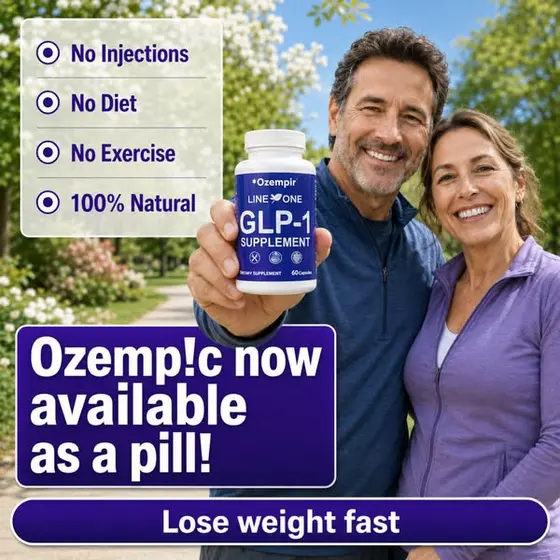
I had planned everything. The hotel. The booking at the restaurant we used to go to in the early years. The new dress I'd ordered three weeks before and never tried on, because I couldn't face seeing how it looked. Twenty years. This was supposed to be the evening we would still talk about in another twenty. ======== But when the moment came — when he looked at me, when he took my hand — I withdrew. Not physically. Inwardly. I found a reason to get up. To turn the light off. To look away. And the look on his face when he realised I wasn't there again — that look broke something in me. Not because he had done anything wrong. But because I knew perfectly well why I had turned away. ======== I was 53 years old and I was deeply ashamed of my own body. Not in some vague, abstract sense. In a very specific, very daily one. I had stopped looking at myself in the mirror properly. I wore clothes that concealed things, not clothes I actually liked. I avoided photographs — at parties, at family gatherings, at work lunches — because I didn't want evidence of what I looked like to exist anywhere. And with my own husband — the one person for whom none of this should have mattered — I fled the furthest. ======== The weight had accumulated over years. Not dramatically. Not overnight. It was the business trips. The long days when dinner consisted of whatever was in the hotel minibar. The disrupted sleep. The stress that settled somewhere inside — I could feel it, just couldn't locate it — until it became visible. I had tried everything. Intermittent fasting. Shakes. Calorie counting. An app that tracked every single meal. Three months of gym membership that I quietly abandoned after the sixth visit. Every time the same pattern: three weeks of discipline, a kilo lost, then a work trip, a birthday, an exhausted week — and everything was back. ======== Then Ozempic. I'd heard about it everywhere. Friends talking. Colleagues. Articles in every magazine. I looked into it. I was ready. The injections. The nausea. The dependency — monthly, indefinite, expensive. And the knowledge that if you stop, the weight returns. Not gradually. Quickly. After two months I was more frustrated than before I'd started. I had lost some weight. But I had paid for it: dizziness, nausea, the constant feeling of deceiving my body rather than supporting it. That didn't feel like health. It felt rather like defeat. ======== The turning point didn't come through an advertisement. It came through my endocrinologist, Dr. Anna Roberts, whom I went to see — not because I needed help, but because I was looking for a justification for another round of Ozempic. She listened to me. Really listened. Without interrupting. Then she said something I haven't been able to forget since. "Yosi, weight isn't a question of willpower. It's often a metabolic one. At some point your body began storing fat more aggressively and burning it more slowly. That happens because of stress, sleep, hormones — not weakness." I looked at her. "What does that mean, exactly?" "It means diets don't solve the problem. Injections don't either — not in the long term. What you need is something that changes the metabolic pattern. Not something that tricks it." ======== She explained Ozempil™ to me. No prescription. No needles. No monthly dependency. A capsule developed with clinically studied ingredients working together to do precisely what the injections do — without the invasiveness, without the side effects, without the cost. Green tea extract: activates the metabolism, supports natural fat burning. Garcinia Cambogia: reduces appetite and cravings, restores the feeling of control. Bitter orange extract: natural energy, supports fat reduction. Glucomannan: promotes lasting satiety, reduces overeating. "97 percent of participants in studies reported visible results in the first week," she said. "95 percent lost up to ten kilos within a month — without dieting, without exercise." ======== I was sceptical. I always require the numbers. But I ordered it. Not because I believed it would work. Because that anniversary evening was still inside me. The darkness. The look on his face. The feeling of having lost somewhere the woman I used to be. ======== After 30 days. I stood in front of the mirror and waited for the thought I always had — the impulse to look away. It didn't come. Ten kilos. Not through deprivation. Not through counting. Not through injections. I had eaten differently — not because I had forced myself, but because my hunger had become quieter. Calmer. The four o'clock craving that had followed me about for years had simply not appeared. ======== My husband noticed first. One evening he looked at me and said — quite naturally, as though it were obvious — "You look like yourself again." I had to stop breathing. Not because of the weight. Because of the word "again". ======== What surprised me most is not what I lost. It's what came back. I appear in photographs again. Not because my body is perfect. But because I have stopped hiding. I choose clothes I actually like — not clothes that conceal something. And when my husband takes my hand, I no longer turn away. ======== I'm not saying this so that anyone buys what I bought. I'm saying it because I spent fifteen years believing the problem was in me. My discipline. My willpower. My resolve. It was in my metabolism. And when I gave my body what it needed to change that — it changed. No needles. No deprivation. No punishing myself.

Purely Well UK Facebook and Instagram ad
Purely Well UK ran this image ad since Jun 26, 2026, 1 days so far.
Ad copy
I had planned everything. The hotel. The booking at the restaurant we used to go to in the early years. The new dress I'd ordered three weeks before and never tried on, because I couldn't face seeing how it looked. Twenty years. This was supposed to be the evening we would still talk about in another twenty. ======== But when the moment came — when he looked at me, when he took my hand — I withdrew. Not physically. Inwardly. I found a reason to get up. To turn the light off. To look away. And the look on his face when he realised I wasn't there again — that look broke something in me. Not because he had done anything wrong. But because I knew perfectly well why I had turned away. ======== I was 53 years old and I was deeply ashamed of my own body. Not in some vague, abstract sense. In a very specific, very daily one. I had stopped looking at myself in the mirror properly. I wore clothes that concealed things, not clothes I actually liked. I avoided photographs — at parties, at family gatherings, at work lunches — because I didn't want evidence of what I looked like to exist anywhere. And with my own husband — the one person for whom none of this should have mattered — I fled the furthest. ======== The weight had accumulated over years. Not dramatically. Not overnight. It was the business trips. The long days when dinner consisted of whatever was in the hotel minibar. The disrupted sleep. The stress that settled somewhere inside — I could feel it, just couldn't locate it — until it became visible. I had tried everything. Intermittent fasting. Shakes. Calorie counting. An app that tracked every single meal. Three months of gym membership that I quietly abandoned after the sixth visit. Every time the same pattern: three weeks of discipline, a kilo lost, then a work trip, a birthday, an exhausted week — and everything was back. ======== Then Ozempic. I'd heard about it everywhere. Friends talking. Colleagues. Articles in every magazine. I looked into it. I was ready. The injections. The nausea. The dependency — monthly, indefinite, expensive. And the knowledge that if you stop, the weight returns. Not gradually. Quickly. After two months I was more frustrated than before I'd started. I had lost some weight. But I had paid for it: dizziness, nausea, the constant feeling of deceiving my body rather than supporting it. That didn't feel like health. It felt rather like defeat. ======== The turning point didn't come through an advertisement. It came through my endocrinologist, Dr. Anna Roberts, whom I went to see — not because I needed help, but because I was looking for a justification for another round of Ozempic. She listened to me. Really listened. Without interrupting. Then she said something I haven't been able to forget since. "Yosi, weight isn't a question of willpower. It's often a metabolic one. At some point your body began storing fat more aggressively and burning it more slowly. That happens because of stress, sleep, hormones — not weakness." I looked at her. "What does that mean, exactly?" "It means diets don't solve the problem. Injections don't either — not in the long term. What you need is something that changes the metabolic pattern. Not something that tricks it." ======== She explained Ozempil™ to me. No prescription. No needles. No monthly dependency. A capsule developed with clinically studied ingredients working together to do precisely what the injections do — without the invasiveness, without the side effects, without the cost. Green tea extract: activates the metabolism, supports natural fat burning. Garcinia Cambogia: reduces appetite and cravings, restores the feeling of control. Bitter orange extract: natural energy, supports fat reduction. Glucomannan: promotes lasting satiety, reduces overeating. "97 percent of participants in studies reported visible results in the first week," she said. "95 percent lost up to ten kilos within a month — without dieting, without exercise." ======== I was sceptical. I always require the numbers. But I ordered it. Not because I believed it would work. Because that anniversary evening was still inside me. The darkness. The look on his face. The feeling of having lost somewhere the woman I used to be. ======== After 30 days. I stood in front of the mirror and waited for the thought I always had — the impulse to look away. It didn't come. Ten kilos. Not through deprivation. Not through counting. Not through injections. I had eaten differently — not because I had forced myself, but because my hunger had become quieter. Calmer. The four o'clock craving that had followed me about for years had simply not appeared. ======== My husband noticed first. One evening he looked at me and said — quite naturally, as though it were obvious — "You look like yourself again." I had to stop breathing. Not because of the weight. Because of the word "again". ======== What surprised me most is not what I lost. It's what came back. I appear in photographs again. Not because my body is perfect. But because I have stopped hiding. I choose clothes I actually like — not clothes that conceal something. And when my husband takes my hand, I no longer turn away. ======== I'm not saying this so that anyone buys what I bought. I'm saying it because I spent fifteen years believing the problem was in me. My discipline. My willpower. My resolve. It was in my metabolism. And when I gave my body what it needed to change that — it changed. No needles. No deprivation. No punishing myself.
Placements and targeting
More ads from Purely Well UK
I had planned everything. The hotel. The booking at the restaurant we used to go to in the early years. The new dress I'd ordered three weeks before and never tried on, because I couldn't face seeing how it looked. Twenty years. This was supposed to be the evening we would still talk about in another twenty. ======== But when the moment came — when he looked at me, when he took my hand — I withdrew. Not physically. Inwardly. I found a reason to get up. To turn the light off. To look away. And the look on his face when he realised I wasn't there again — that look broke something in me. Not because he had done anything wrong. But because I knew perfectly well why I had turned away. ======== I was 53 years old and I was deeply ashamed of my own body. Not in some vague, abstract sense. In a very specific, very daily one. I had stopped looking at myself in the mirror properly. I wore clothes that concealed things, not clothes I actually liked. I avoided photographs — at parties, at family gatherings, at work lunches — because I didn't want evidence of what I looked like to exist anywhere. And with my own husband — the one person for whom none of this should have mattered — I fled the furthest. ======== The weight had accumulated over years. Not dramatically. Not overnight. It was the business trips. The long days when dinner consisted of whatever was in the hotel minibar. The disrupted sleep. The stress that settled somewhere inside — I could feel it, just couldn't locate it — until it became visible. I had tried everything. Intermittent fasting. Shakes. Calorie counting. An app that tracked every single meal. Three months of gym membership that I quietly abandoned after the sixth visit. Every time the same pattern: three weeks of discipline, a kilo lost, then a work trip, a birthday, an exhausted week — and everything was back. ======== Then Ozempic. I'd heard about it everywhere. Friends talking. Colleagues. Articles in every magazine. I looked into it. I was ready. The injections. The nausea. The dependency — monthly, indefinite, expensive. And the knowledge that if you stop, the weight returns. Not gradually. Quickly. After two months I was more frustrated than before I'd started. I had lost some weight. But I had paid for it: dizziness, nausea, the constant feeling of deceiving my body rather than supporting it. That didn't feel like health. It felt rather like defeat. ======== The turning point didn't come through an advertisement. It came through my endocrinologist, Dr. Anna Roberts, whom I went to see — not because I needed help, but because I was looking for a justification for another round of Ozempic. She listened to me. Really listened. Without interrupting. Then she said something I haven't been able to forget since. "Yosi, weight isn't a question of willpower. It's often a metabolic one. At some point your body began storing fat more aggressively and burning it more slowly. That happens because of stress, sleep, hormones — not weakness." I looked at her. "What does that mean, exactly?" "It means diets don't solve the problem. Injections don't either — not in the long term. What you need is something that changes the metabolic pattern. Not something that tricks it." ======== She explained Ozempil™ to me. No prescription. No needles. No monthly dependency. A capsule developed with clinically studied ingredients working together to do precisely what the injections do — without the invasiveness, without the side effects, without the cost. Green tea extract: activates the metabolism, supports natural fat burning. Garcinia Cambogia: reduces appetite and cravings, restores the feeling of control. Bitter orange extract: natural energy, supports fat reduction. Glucomannan: promotes lasting satiety, reduces overeating. "97 percent of participants in studies reported visible results in the first week," she said. "95 percent lost up to ten kilos within a month — without dieting, without exercise." ======== I was sceptical. I always require the numbers. But I ordered it. Not because I believed it would work. Because that anniversary evening was still inside me. The darkness. The look on his face. The feeling of having lost somewhere the woman I used to be. ======== After 30 days. I stood in front of the mirror and waited for the thought I always had — the impulse to look away. It didn't come. Ten kilos. Not through deprivation. Not through counting. Not through injections. I had eaten differently — not because I had forced myself, but because my hunger had become quieter. Calmer. The four o'clock craving that had followed me about for years had simply not appeared. ======== My husband noticed first. One evening he looked at me and said — quite naturally, as though it were obvious — "You look like yourself again." I had to stop breathing. Not because of the weight. Because of the word "again". ======== What surprised me most is not what I lost. It's what came back. I appear in photographs again. Not because my body is perfect. But because I have stopped hiding. I choose clothes I actually like — not clothes that conceal something. And when my husband takes my hand, I no longer turn away. ======== I'm not saying this so that anyone buys what I bought. I'm saying it because I spent fifteen years believing the problem was in me. My discipline. My willpower. My resolve. It was in my metabolism. And when I gave my body what it needed to change that — it changed. No needles. No deprivation. No punishing myself.
Similar fitness ads
Exploring adult event organization ideas? 🪩 This guide explains venue layouts, theme planning, and guest experience considerations. Learn More.
🌟 Explore practical ways people are learning to create sustainable online revenue streams. Understand different methods, tools, and skills that can help you build a flexible digital career over time. Learn more. 💪
Introducing the One&Done Workout – a 7 minute S.I.T. routine helps activate the body’s natural metabolic multipliers. 👉 https://get.riseworkouts.com/fb/quiz-ds/ 👈
Keep exploring
Find more ads like this
Search millions of real ads by keyword, niche and format, and save the winners to your swipe file.