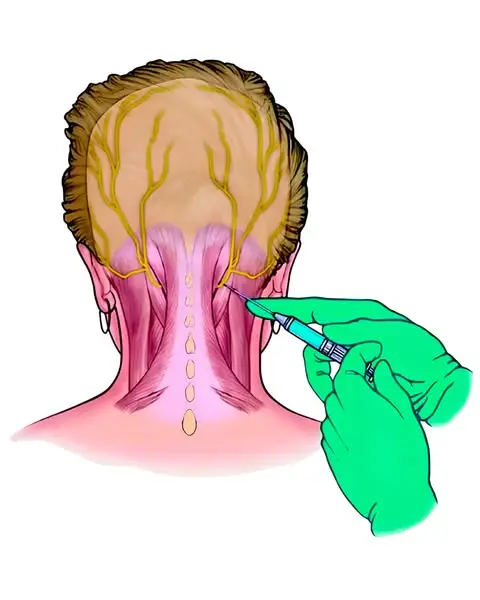
Migraine Relief Blog Facebook ad creative
florusrelief.com
A Post-Op Nurse's Quiet Confession About Migraine Surgery
Learn more

Migraine Relief Blog Facebook and Instagram ad

Migraine Relief Blog ran this carousel ad since Jun 24, 2026, 136 days so far.

First seen
Jun 24, 2026
Running for
136 days
Format
Carousel
Call to action
Learn more
Niche
Health and supplements
Countries
Not disclosed
Page likes
1,374

Ad copy

I'm a post-op nurse. I have helped wheel forty-something Migraine patients out of occipital nerve decompression surgery. Almost none of them stayed pain-free. I'm going to tell you what I have been quietly watching happen on my hospital floor for the past seven years. And I'm going to tell you what I started doing about it last fall. I work in the recovery wing of a hospital in the Midwest. I've been a registered nurse for eleven years. The last seven of those years have been in the post-op floor that handles neuro recovery, which means I see every patient who comes out of occipital nerve decompression, every nerve block patient, every Botox-for-chronic-migraine patient, every patient who has spent the day in the suite on an infusion that didn't break their cycle. Most of them are women in their late thirties to mid fifties. Most of them have been on the medication carousel: Topamax, Propranolol, Amitriptyline, Triptans, Excedrin five days a week, for at least five years. Most of them are at the surgical option because they have run out of pharmaceutical ones. And here is what almost every single one of them tells me in the first 24 hours after surgery, almost word for word: "The pressure is gone. I haven't felt this clear in years." Two months later, on follow-up, here is what almost every single one of them tells me at the desk: "The pressure came back the day my swelling resolved." I have heard those two sentences in that order so many times I could mouth them. I want you to understand something that took me almost six years to put together. The first sentence, the immediate post-op clarity is not the surgery working. It is the swelling from the surgery masking the patient's baseline Migraine pain. While the tissue is inflamed from being cut, the nerves can't fire the way they normally do. So the patient feels temporarily quiet. When the swelling resolves at week six to eight, the nerve has gone back to its sensitized baseline and the cascade picks up exactly where it left off. The CT scan is clear. The decompression is technically successful. The surgeon did everything right. The patient still has Migraines. I had a patient last year, I'll call her Brenda, who came in for her second occipital nerve decompression. Her first one had been three years earlier at a different hospital. It had given her six weeks of relief and then the pressure came back. She had spent the three years between surgeries on Triptans, on Botox, on a CGRP inhibitor that cost $720 a month before insurance. When I read her chart I had to step out of the room for a minute. Because the second surgery was going to work the same way the first one did. Six to eight weeks of post-surgical inflammation masking the cascade. Then it would come right back. And she had paid $14,000 out of pocket for the first one. Insurance was covering most of the second one but her copay was still around $3,500. I am not allowed to tell patients I think their surgery is not going to fix what they think it's going to fix. That is not my role. I would lose my license. I would deserve to. So I did what I could. I sat with her after the procedure, asked her about her medication history, asked her about her triggers, asked her how she was doing emotionally. I let her talk. She cried for about ten minutes about how this was her last hope and she didn't know what she would do if it didn't work. I went home that night and I did something I had not done in eleven years of nursing. I started reading the neurology research my hospital does not put in front of post-op nurses. I read about the trigeminal cascade. The 20 to 40 minute prodrome window. The 45-minute oral medication absorption gap. The Medication Overuse Headache cycle that makes the cascade more reactive over time. The trigeminocervical complex. The reason that occipital nerve decompression provides temporary relief, it does interrupt one branch of the convergence, but does not address the V1 territory firing that drives most of these patients' worst symptoms. I read about a topical formula that addresses the trigeminal nerve at the three points where it sits 2 millimeters under the skin: the temples, behind the ears, the base of the skull. The exact area my surgeons cut into. Skin to nerve. 90 seconds. No 45-minute absorption gap. No central nervous system sedation. No scalpel. It was developed by a neurologist named Dr. Fiora Laurent who suffers from Migraines herself. It was called Florus. Five ingredients: magnesium glycinate to support nerve relaxation, wild peppermint and menthol crystals to activate TRPM8 cooling receptors and interrupt pain signal transmission, chamomile and feverfew to reduce inflammation along the pathway over time. I bought a bottle and put it in my own purse. I do not have Migraines myself, but my sister does. She had been on Topamax for nine years. I sent her the bottle. She called me eleven days later. She had caught three prodromes with it. None had developed into a full Migraine. She had not taken a Sumatriptan in over a week. She told me she had not realized until that moment that her Topamax had been making her stupider for nine years. I cried in the car for ten minutes again. Now I keep three bottles of Florus in my locker at the hospital. When a patient is being discharged after an occipital nerve decompression, or a nerve block, or a Botox round, I cannot legally tell them what to take. But I can drop a bottle in their belongings bag along with a folded printout of the Florus website URL and a Post-it that says "my sister has Migraines. Try this." I have done this for fourteen patients in the past nine months. Six of them have followed up with me. Five of those six have told me some version of the same thing: "I caught the next one before it became a Migraine. I haven't needed the rescue medication in weeks. Why didn't anyone tell me about this before the surgery?" I don't have an answer for that last question. Or I do, but I'm not allowed to give it from inside a hospital uniform. If you are reading this and you are scheduled for occipital nerve decompression, or a nerve block, or another round of Botox, or a CGRP inhibitor, please do not cancel your appointment because of an internet post. Talk to your doctor. But before you spend $14,000 on a procedure that gives you six weeks of post-surgical relief and then returns you to your baseline cascade, consider that the cascade is happening at a nerve sitting 2 millimeters under your skin at three exact points. A topical compound applied to those three points reaches the cascade in 90 seconds. It does not require a scalpel. It does not require six weeks of healing. It does not interact with your existing medications. The full mechanism breakdown and the reason every Migraine tool you currently have works downstream of the source, is in the article below. 7,405 five-star reviews. 90-day money-back guarantee. If it doesn't help you, you send it back. You lose nothing. Compared to a $14,000 surgery and six months of expectations management, this is a small bet. 👉 https://florusrelief.com/blogs/news/every-migraine-tool-you-have-works-downstream-of-the-source-here-is-what-works-at-it P.S. I'm not going to use my name because I want to keep my license. But every post-op nurse on a neuro floor knows what I'm describing. We see the same patient come back six months later for the same surgery for the same outcome. The system is designed to bill for the next procedure. I am writing this anyway because I have a sister. P.P.S. There are essential oil roll-ons on Amazon that look almost identical to Florus. They use synthetic peppermint and don't contain therapeutic-grade magnesium or real feverfew. Two of my patients have told me they bought one of those before they tried the real one and concluded the whole category was a scam. The real Florus is only on the official site. Don't waste a chance because of a cheap counterfeit.

Placements and targeting

FacebookInstagramAudience NetworkMessengerThreads

More ads from Migraine Relief Blog

Full Migraine Relief Blog profile
Migraine Relief Blog
+1
Inactive132 days
florusrelief.com
What My Nursing School Flash Card Said About My Mom's Migraines
Learn more

The nerve that the medications my mother's neurologist prescribed for nineteen years were supposed to stop was running through three points on her face she had been pressing her fingers on her whole adult life. My name is Megan. I am studying nursing at the University of Pittsburgh. I am also the daughter of a woman who has spent the last nineteen years of her life — most of which has been my life — pressing her fingers at the same three points on her face every time a Migraine started. My mom Linda is 52. She teaches AP English at the high school I went to. She started having Migraines a few months after I turned two. I do not have a memory of her without them. I want to tell you the medication list my mother has been through, because if you have been through anything close to it I want you to know somebody is reading it and feeling the same way I did when I finally sat down and wrote it out. Excedrin Migraine, four to five times a week, for years. Until her neurologist told her she had Medication Overuse Headache and the painkillers themselves were part of the cycle. Topamax for twelve years. She forgot the names of her own students. She forgot the title of a Shakespeare play she had been teaching for a decade. She came off it. Propranolol. Her blood pressure dropped so low she fainted at my high school graduation in 2022. She came off it. Amitriptyline. She gained thirty pounds and slept fourteen hours a day. She came off it. Triptans worked for a few years and then stopped. Botox at thirty-one injection sites across her forehead, temples, and neck every twelve weeks. Eight rounds. My dad drove her to the appointments because she could not drive afterward. And as of fourteen months ago, a CGRP inhibitor that costs $720 a month before insurance. Her copay is $35. Her insurance pays the rest. The CGRP brought her Migraine days down from twelve a month to eight. Her neurologist called that a "meaningful clinical response." Eight Migraine days a month was the response they were calling meaningful. I came home for spring break in March. I had a clinical anatomy exam on Tuesday morning of that week. I was on my mom and dad's back porch with my flash cards on Wednesday at 4 p.m. My mom was in the chair across from me reading the New York Times and pressing her right temple absently. I was holding up a card with the trigeminal nerve on it. V1, V2, V3. The three branches. The diagram showed the nerve running through the temples, behind the ears, and down to the base of the skull. My mom looked over at the card. She said "What's that nerve called." I told her. Trigeminal. Largest cranial nerve in the face. Three main branches. Runs through the temples, behind the ears, base of the skull. She said "I have never heard that word before in my life." I am going to say what I said next exactly as I said it because I have replayed it in my head a hundred times. I said "Mom. That is the nerve causing your Migraines. That is literally the first thing they teach us about Migraine in school." She set down the newspaper. I want you to understand what was happening in my chest right then. I am a second-year nursing student. My mother had been to four neurologists in nineteen years. Each one of them had spent years and around $200,000 of training to learn what to call that nerve. Not one of them had said it to her. I pulled out my laptop and I sat on the back porch with my mother for the next three hours and I walked her through what I had been learning in clinicals. The trigeminal nerve becomes sensitized in Migraine sufferers. It begins firing 20 to 40 minutes before any pain. That is what nursing school calls the prodrome window. The aura. The slight pressure. The strange smell. The mood drop my dad had been telling me about for years. By the time my mom felt the pain, the nerve had been firing for almost an hour. By the time she took an Excedrin or a Sumatriptan, the pill needed another 45 minutes to absorb through her stomach, cross her bloodstream, and reach the trigeminal pathway. By the time the medication arrived, the storm was already over the house. I told her every medication she had been on worked downstream of that cascade. Triptans constrict blood vessels after the cascade has already triggered them. CGRP blockers neutralize a signaling protein after it has been released. Botox interrupts pain signal transmission, not nerve initiation. Topamax sedates the central nervous system at the cost of cognition. Then I told her about Medication Overuse Headache. Taking Triptans more than ten days a month, or Excedrin more than fifteen, trains the trigeminal nerve to fire more easily. My mom said "Megan. I was on Excedrin three to four times a week for six years." I said "I know, Mom." My dad came out onto the porch around 7 p.m. He had been making us dinner. He saw both of us sitting there with our hands in our laps. He said "What happened." My mom said "Our daughter knew the answer." That night after dinner, I showed my mom a paper my anatomy professor had referenced in lecture two weeks earlier. A research letter by a neurologist named Dr. Fiora Laurent. Dr. Laurent has been writing for years about topical access to the trigeminal nerve at the three points where it surfaces closest to the skin. Temples. Behind the ears. Base of the skull. 2 millimeters under the surface. Topical reaches the nerve in 90 seconds — no 45-minute stomach detour. Dr. Laurent had built a roll-on around five ingredients. Magnesium glycinate. Wild peppermint. Menthol crystals. Chamomile. Feverfew extract. It was called Florus. I ordered a bottle for my mom on her phone that night before I went back to school. I have been getting weekly updates from her since. Week 1: she caught two prodromes with it. Neither became a full Migraine. She said the cooling "reached deeper than skin." Week 2: she caught three. All three stopped. Week 4: she stopped carrying Excedrin in her purse for the first time since 2009. Week 8: my mom went to her own school's spring concert. She had been the AP English teacher who sat in the back near the door for the last seven years because she always assumed she would have to leave halfway through. She sat in the third row this time. She stayed for the whole concert. Last week she called me at school. She had been to her neurologist follow-up. The neurologist had pulled up her log, looked at the numbers, and asked her what she had changed. My mom told her — about the trigeminal nerve, the prodrome window, the application points, the topical formula. The neurologist closed the chart and said "keep doing what you are doing." My mom said she did not bring up the fact that this neurologist had been treating her for seven years without saying the word trigeminal. She said she did not have the heart for it. I am writing this because there is somebody reading this whose mother has been on the same medication carousel mine has and has also never heard the word. I am not your nurse. I am not anybody's nurse yet. I am a 21-year-old in my second year of school who happened to be on my mom's back porch with the right flash card. I am going to tell you what I told my mom. The trigeminal nerve is real. The prodrome window is real. The application points are real. The mechanism is in every nursing school curriculum in the country and somehow it is not in most of the neurology appointments my mom has sat in. 7,405 five-star reviews. 90-day money-back guarantee. If it does not work, you send it back. Your mother loses nothing. 👉 https://florusrelief.com/blogs/news/every-migraine-tool-you-have-works-downstream-of-the-source-here-is-what-works-at-it P.S. I passed my anatomy exam on the Tuesday morning. My professor wrote "keep going, you're a natural" at the top of the exam. I am going to be a nurse in two years. My mother does not have to wait that long anymore. P.P.S. I want to warn you about something my pharmacology professor mentioned in lecture last week. There are knockoffs of Florus on Amazon that look almost identical to the real bottle. They use synthetic peppermint fragrance oil. They do not contain therapeutic-grade magnesium glycinate or real feverfew extract. My professor said two of his own family members had tried the cheap version, decided it did not work, and almost did not try the real one. The real Florus is only sold on the official site. The link above is the right one, I just checked it before posting.

Migraine Relief Blog
+1
Inactive132 days
florusrelief.com
What My Nursing School Flash Card Said About My Mom's Migraines
Learn more

My mother has had Migraines for nineteen years. I am twenty-one and in my second year of nursing school. The nerve has a name. It was a Wednesday at 4 p.m. on my mom's back porch. My name is Megan. I am studying nursing at the University of Pittsburgh. I am also the daughter of a woman who has spent the last nineteen years of her life — most of which has been my life — pressing her fingers at the same three points on her face every time a Migraine started. My mom Linda is 52. She teaches AP English at the high school I went to. She started having Migraines a few months after I turned two. I do not have a memory of her without them. I want to tell you the medication list my mother has been through, because if you have been through anything close to it I want you to know somebody is reading it and feeling the same way I did when I finally sat down and wrote it out. Excedrin Migraine, four to five times a week, for years. Until her neurologist told her she had Medication Overuse Headache and the painkillers themselves were part of the cycle. Topamax for twelve years. She forgot the names of her own students. She forgot the title of a Shakespeare play she had been teaching for a decade. She came off it. Propranolol. Her blood pressure dropped so low she fainted at my high school graduation in 2022. She came off it. Amitriptyline. She gained thirty pounds and slept fourteen hours a day. She came off it. Triptans worked for a few years and then stopped. Botox at thirty-one injection sites across her forehead, temples, and neck every twelve weeks. Eight rounds. My dad drove her to the appointments because she could not drive afterward. And as of fourteen months ago, a CGRP inhibitor that costs $720 a month before insurance. Her copay is $35. Her insurance pays the rest. The CGRP brought her Migraine days down from twelve a month to eight. Her neurologist called that a "meaningful clinical response." Eight Migraine days a month was the response they were calling meaningful. I came home for spring break in March. I had a clinical anatomy exam on Tuesday morning of that week. I was on my mom and dad's back porch with my flash cards on Wednesday at 4 p.m. My mom was in the chair across from me reading the New York Times and pressing her right temple absently. I was holding up a card with the trigeminal nerve on it. V1, V2, V3. The three branches. The diagram showed the nerve running through the temples, behind the ears, and down to the base of the skull. My mom looked over at the card. She said "What's that nerve called." I told her. Trigeminal. Largest cranial nerve in the face. Three main branches. Runs through the temples, behind the ears, base of the skull. She said "I have never heard that word before in my life." I am going to say what I said next exactly as I said it because I have replayed it in my head a hundred times. I said "Mom. That is the nerve causing your Migraines. That is literally the first thing they teach us about Migraine in school." She set down the newspaper. I want you to understand what was happening in my chest right then. I am a second-year nursing student. My mother had been to four neurologists in nineteen years. Each one of them had spent years and around $200,000 of training to learn what to call that nerve. Not one of them had said it to her. I pulled out my laptop and I sat on the back porch with my mother for the next three hours and I walked her through what I had been learning in clinicals. The trigeminal nerve becomes sensitized in Migraine sufferers. It begins firing 20 to 40 minutes before any pain. That is what nursing school calls the prodrome window. The aura. The slight pressure. The strange smell. The mood drop my dad had been telling me about for years. By the time my mom felt the pain, the nerve had been firing for almost an hour. By the time she took an Excedrin or a Sumatriptan, the pill needed another 45 minutes to absorb through her stomach, cross her bloodstream, and reach the trigeminal pathway. By the time the medication arrived, the storm was already over the house. I told her every medication she had been on worked downstream of that cascade. Triptans constrict blood vessels after the cascade has already triggered them. CGRP blockers neutralize a signaling protein after it has been released. Botox interrupts pain signal transmission, not nerve initiation. Topamax sedates the central nervous system at the cost of cognition. Then I told her about Medication Overuse Headache. Taking Triptans more than ten days a month, or Excedrin more than fifteen, trains the trigeminal nerve to fire more easily. My mom said "Megan. I was on Excedrin three to four times a week for six years." I said "I know, Mom." My dad came out onto the porch around 7 p.m. He had been making us dinner. He saw both of us sitting there with our hands in our laps. He said "What happened." My mom said "Our daughter knew the answer." That night after dinner, I showed my mom a paper my anatomy professor had referenced in lecture two weeks earlier. A research letter by a neurologist named Dr. Fiora Laurent. Dr. Laurent has been writing for years about topical access to the trigeminal nerve at the three points where it surfaces closest to the skin. Temples. Behind the ears. Base of the skull. 2 millimeters under the surface. Topical reaches the nerve in 90 seconds — no 45-minute stomach detour. Dr. Laurent had built a roll-on around five ingredients. Magnesium glycinate. Wild peppermint. Menthol crystals. Chamomile. Feverfew extract. It was called Florus. I ordered a bottle for my mom on her phone that night before I went back to school. I have been getting weekly updates from her since. Week 1: she caught two prodromes with it. Neither became a full Migraine. She said the cooling "reached deeper than skin." Week 2: she caught three. All three stopped. Week 4: she stopped carrying Excedrin in her purse for the first time since 2009. Week 8: my mom went to her own school's spring concert. She had been the AP English teacher who sat in the back near the door for the last seven years because she always assumed she would have to leave halfway through. She sat in the third row this time. She stayed for the whole concert. Last week she called me at school. She had been to her neurologist follow-up. The neurologist had pulled up her log, looked at the numbers, and asked her what she had changed. My mom told her — about the trigeminal nerve, the prodrome window, the application points, the topical formula. The neurologist closed the chart and said "keep doing what you are doing." My mom said she did not bring up the fact that this neurologist had been treating her for seven years without saying the word trigeminal. She said she did not have the heart for it. I am writing this because there is somebody reading this whose mother has been on the same medication carousel mine has and has also never heard the word. I am not your nurse. I am not anybody's nurse yet. I am a 21-year-old in my second year of school who happened to be on my mom's back porch with the right flash card. I am going to tell you what I told my mom. The trigeminal nerve is real. The prodrome window is real. The application points are real. The mechanism is in every nursing school curriculum in the country and somehow it is not in most of the neurology appointments my mom has sat in. 7,405 five-star reviews. 90-day money-back guarantee. If it does not work, you send it back. Your mother loses nothing. 👉 https://florusrelief.com/blogs/news/every-migraine-tool-you-have-works-downstream-of-the-source-here-is-what-works-at-it P.S. I passed my anatomy exam on the Tuesday morning. My professor wrote "keep going, you're a natural" at the top of the exam. I am going to be a nurse in two years. My mother does not have to wait that long anymore. P.P.S. I want to warn you about something my pharmacology professor mentioned in lecture last week. There are knockoffs of Florus on Amazon that look almost identical to the real bottle. They use synthetic peppermint fragrance oil. They do not contain therapeutic-grade magnesium glycinate or real feverfew extract. My professor said two of his own family members had tried the cheap version, decided it did not work, and almost did not try the real one. The real Florus is only sold on the official site. The link above is the right one, I just checked it before posting.

Migraine Relief Blog
+1
Inactive132 days
florusrelief.com
What My Nursing School Flash Card Said About My Mom's Migraines
Learn more

My mother had not heard the word trigeminal. My mother had been on Topamax for twelve years. My mother had been pressing her fingers on the three places the nerve surfaces for half her life. My nursing school flash card said the word she had been waiting for. My name is Megan. I am studying nursing at the University of Pittsburgh. I am also the daughter of a woman who has spent the last nineteen years of her life — most of which has been my life — pressing her fingers at the same three points on her face every time a Migraine started. My mom Linda is 52. She teaches AP English at the high school I went to. She started having Migraines a few months after I turned two. I do not have a memory of her without them. I want to tell you the medication list my mother has been through, because if you have been through anything close to it I want you to know somebody is reading it and feeling the same way I did when I finally sat down and wrote it out. Excedrin Migraine, four to five times a week, for years. Until her neurologist told her she had Medication Overuse Headache and the painkillers themselves were part of the cycle. Topamax for twelve years. She forgot the names of her own students. She forgot the title of a Shakespeare play she had been teaching for a decade. She came off it. Propranolol. Her blood pressure dropped so low she fainted at my high school graduation in 2022. She came off it. Amitriptyline. She gained thirty pounds and slept fourteen hours a day. She came off it. Triptans worked for a few years and then stopped. Botox at thirty-one injection sites across her forehead, temples, and neck every twelve weeks. Eight rounds. My dad drove her to the appointments because she could not drive afterward. And as of fourteen months ago, a CGRP inhibitor that costs $720 a month before insurance. Her copay is $35. Her insurance pays the rest. The CGRP brought her Migraine days down from twelve a month to eight. Her neurologist called that a "meaningful clinical response." Eight Migraine days a month was the response they were calling meaningful. I came home for spring break in March. I had a clinical anatomy exam on Tuesday morning of that week. I was on my mom and dad's back porch with my flash cards on Wednesday at 4 p.m. My mom was in the chair across from me reading the New York Times and pressing her right temple absently. I was holding up a card with the trigeminal nerve on it. V1, V2, V3. The three branches. The diagram showed the nerve running through the temples, behind the ears, and down to the base of the skull. My mom looked over at the card. She said "What's that nerve called." I told her. Trigeminal. Largest cranial nerve in the face. Three main branches. Runs through the temples, behind the ears, base of the skull. She said "I have never heard that word before in my life." I am going to say what I said next exactly as I said it because I have replayed it in my head a hundred times. I said "Mom. That is the nerve causing your Migraines. That is literally the first thing they teach us about Migraine in school." She set down the newspaper. I want you to understand what was happening in my chest right then. I am a second-year nursing student. My mother had been to four neurologists in nineteen years. Each one of them had spent years and around $200,000 of training to learn what to call that nerve. Not one of them had said it to her. I pulled out my laptop and I sat on the back porch with my mother for the next three hours and I walked her through what I had been learning in clinicals. The trigeminal nerve becomes sensitized in Migraine sufferers. It begins firing 20 to 40 minutes before any pain. That is what nursing school calls the prodrome window. The aura. The slight pressure. The strange smell. The mood drop my dad had been telling me about for years. By the time my mom felt the pain, the nerve had been firing for almost an hour. By the time she took an Excedrin or a Sumatriptan, the pill needed another 45 minutes to absorb through her stomach, cross her bloodstream, and reach the trigeminal pathway. By the time the medication arrived, the storm was already over the house. I told her every medication she had been on worked downstream of that cascade. Triptans constrict blood vessels after the cascade has already triggered them. CGRP blockers neutralize a signaling protein after it has been released. Botox interrupts pain signal transmission, not nerve initiation. Topamax sedates the central nervous system at the cost of cognition. Then I told her about Medication Overuse Headache. Taking Triptans more than ten days a month, or Excedrin more than fifteen, trains the trigeminal nerve to fire more easily. My mom said "Megan. I was on Excedrin three to four times a week for six years." I said "I know, Mom." My dad came out onto the porch around 7 p.m. He had been making us dinner. He saw both of us sitting there with our hands in our laps. He said "What happened." My mom said "Our daughter knew the answer." That night after dinner, I showed my mom a paper my anatomy professor had referenced in lecture two weeks earlier. A research letter by a neurologist named Dr. Fiora Laurent. Dr. Laurent has been writing for years about topical access to the trigeminal nerve at the three points where it surfaces closest to the skin. Temples. Behind the ears. Base of the skull. 2 millimeters under the surface. Topical reaches the nerve in 90 seconds — no 45-minute stomach detour. Dr. Laurent had built a roll-on around five ingredients. Magnesium glycinate. Wild peppermint. Menthol crystals. Chamomile. Feverfew extract. It was called Florus. I ordered a bottle for my mom on her phone that night before I went back to school. I have been getting weekly updates from her since. Week 1: she caught two prodromes with it. Neither became a full Migraine. She said the cooling "reached deeper than skin." Week 2: she caught three. All three stopped. Week 4: she stopped carrying Excedrin in her purse for the first time since 2009. Week 8: my mom went to her own school's spring concert. She had been the AP English teacher who sat in the back near the door for the last seven years because she always assumed she would have to leave halfway through. She sat in the third row this time. She stayed for the whole concert. Last week she called me at school. She had been to her neurologist follow-up. The neurologist had pulled up her log, looked at the numbers, and asked her what she had changed. My mom told her — about the trigeminal nerve, the prodrome window, the application points, the topical formula. The neurologist closed the chart and said "keep doing what you are doing." My mom said she did not bring up the fact that this neurologist had been treating her for seven years without saying the word trigeminal. She said she did not have the heart for it. I am writing this because there is somebody reading this whose mother has been on the same medication carousel mine has and has also never heard the word. I am not your nurse. I am not anybody's nurse yet. I am a 21-year-old in my second year of school who happened to be on my mom's back porch with the right flash card. I am going to tell you what I told my mom. The trigeminal nerve is real. The prodrome window is real. The application points are real. The mechanism is in every nursing school curriculum in the country and somehow it is not in most of the neurology appointments my mom has sat in. 7,405 five-star reviews. 90-day money-back guarantee. If it does not work, you send it back. Your mother loses nothing. 👉 https://florusrelief.com/blogs/news/every-migraine-tool-you-have-works-downstream-of-the-source-here-is-what-works-at-it P.S. I passed my anatomy exam on the Tuesday morning. My professor wrote "keep going, you're a natural" at the top of the exam. I am going to be a nurse in two years. My mother does not have to wait that long anymore. P.P.S. I want to warn you about something my pharmacology professor mentioned in lecture last week. There are knockoffs of Florus on Amazon that look almost identical to the real bottle. They use synthetic peppermint fragrance oil. They do not contain therapeutic-grade magnesium glycinate or real feverfew extract. My professor said two of his own family members had tried the cheap version, decided it did not work, and almost did not try the real one. The real Florus is only sold on the official site. The link above is the right one, I just checked it before posting.

Migraine Relief Blog
+1
Inactive132 days
florusrelief.com
What My Nursing School Flash Card Said About My Mom's Migraines
Learn more

I am 21 and learning the words my mother spent 19 years not being told. My mother is 52 and being told the words I just learned in my second-year clinicals. My name is Megan. I am studying nursing at the University of Pittsburgh. I am also the daughter of a woman who has spent the last nineteen years of her life — most of which has been my life — pressing her fingers at the same three points on her face every time a Migraine started. My mom Linda is 52. She teaches AP English at the high school I went to. She started having Migraines a few months after I turned two. I do not have a memory of her without them. I want to tell you the medication list my mother has been through, because if you have been through anything close to it I want you to know somebody is reading it and feeling the same way I did when I finally sat down and wrote it out. Excedrin Migraine, four to five times a week, for years. Until her neurologist told her she had Medication Overuse Headache and the painkillers themselves were part of the cycle. Topamax for twelve years. She forgot the names of her own students. She forgot the title of a Shakespeare play she had been teaching for a decade. She came off it. Propranolol. Her blood pressure dropped so low she fainted at my high school graduation in 2022. She came off it. Amitriptyline. She gained thirty pounds and slept fourteen hours a day. She came off it. Triptans worked for a few years and then stopped. Botox at thirty-one injection sites across her forehead, temples, and neck every twelve weeks. Eight rounds. My dad drove her to the appointments because she could not drive afterward. And as of fourteen months ago, a CGRP inhibitor that costs $720 a month before insurance. Her copay is $35. Her insurance pays the rest. The CGRP brought her Migraine days down from twelve a month to eight. Her neurologist called that a "meaningful clinical response." Eight Migraine days a month was the response they were calling meaningful. I came home for spring break in March. I had a clinical anatomy exam on Tuesday morning of that week. I was on my mom and dad's back porch with my flash cards on Wednesday at 4 p.m. My mom was in the chair across from me reading the New York Times and pressing her right temple absently. I was holding up a card with the trigeminal nerve on it. V1, V2, V3. The three branches. The diagram showed the nerve running through the temples, behind the ears, and down to the base of the skull. My mom looked over at the card. She said "What's that nerve called." I told her. Trigeminal. Largest cranial nerve in the face. Three main branches. Runs through the temples, behind the ears, base of the skull. She said "I have never heard that word before in my life." I am going to say what I said next exactly as I said it because I have replayed it in my head a hundred times. I said "Mom. That is the nerve causing your Migraines. That is literally the first thing they teach us about Migraine in school." She set down the newspaper. I want you to understand what was happening in my chest right then. I am a second-year nursing student. My mother had been to four neurologists in nineteen years. Each one of them had spent years and around $200,000 of training to learn what to call that nerve. Not one of them had said it to her. I pulled out my laptop and I sat on the back porch with my mother for the next three hours and I walked her through what I had been learning in clinicals. The trigeminal nerve becomes sensitized in Migraine sufferers. It begins firing 20 to 40 minutes before any pain. That is what nursing school calls the prodrome window. The aura. The slight pressure. The strange smell. The mood drop my dad had been telling me about for years. By the time my mom felt the pain, the nerve had been firing for almost an hour. By the time she took an Excedrin or a Sumatriptan, the pill needed another 45 minutes to absorb through her stomach, cross her bloodstream, and reach the trigeminal pathway. By the time the medication arrived, the storm was already over the house. I told her every medication she had been on worked downstream of that cascade. Triptans constrict blood vessels after the cascade has already triggered them. CGRP blockers neutralize a signaling protein after it has been released. Botox interrupts pain signal transmission, not nerve initiation. Topamax sedates the central nervous system at the cost of cognition. Then I told her about Medication Overuse Headache. Taking Triptans more than ten days a month, or Excedrin more than fifteen, trains the trigeminal nerve to fire more easily. My mom said "Megan. I was on Excedrin three to four times a week for six years." I said "I know, Mom." My dad came out onto the porch around 7 p.m. He had been making us dinner. He saw both of us sitting there with our hands in our laps. He said "What happened." My mom said "Our daughter knew the answer." That night after dinner, I showed my mom a paper my anatomy professor had referenced in lecture two weeks earlier. A research letter by a neurologist named Dr. Fiora Laurent. Dr. Laurent has been writing for years about topical access to the trigeminal nerve at the three points where it surfaces closest to the skin. Temples. Behind the ears. Base of the skull. 2 millimeters under the surface. Topical reaches the nerve in 90 seconds — no 45-minute stomach detour. Dr. Laurent had built a roll-on around five ingredients. Magnesium glycinate. Wild peppermint. Menthol crystals. Chamomile. Feverfew extract. It was called Florus. I ordered a bottle for my mom on her phone that night before I went back to school. I have been getting weekly updates from her since. Week 1: she caught two prodromes with it. Neither became a full Migraine. She said the cooling "reached deeper than skin." Week 2: she caught three. All three stopped. Week 4: she stopped carrying Excedrin in her purse for the first time since 2009. Week 8: my mom went to her own school's spring concert. She had been the AP English teacher who sat in the back near the door for the last seven years because she always assumed she would have to leave halfway through. She sat in the third row this time. She stayed for the whole concert. Last week she called me at school. She had been to her neurologist follow-up. The neurologist had pulled up her log, looked at the numbers, and asked her what she had changed. My mom told her — about the trigeminal nerve, the prodrome window, the application points, the topical formula. The neurologist closed the chart and said "keep doing what you are doing." My mom said she did not bring up the fact that this neurologist had been treating her for seven years without saying the word trigeminal. She said she did not have the heart for it. I am writing this because there is somebody reading this whose mother has been on the same medication carousel mine has and has also never heard the word. I am not your nurse. I am not anybody's nurse yet. I am a 21-year-old in my second year of school who happened to be on my mom's back porch with the right flash card. I am going to tell you what I told my mom. The trigeminal nerve is real. The prodrome window is real. The application points are real. The mechanism is in every nursing school curriculum in the country and somehow it is not in most of the neurology appointments my mom has sat in. 7,405 five-star reviews. 90-day money-back guarantee. If it does not work, you send it back. Your mother loses nothing. 👉 https://florusrelief.com/blogs/news/every-migraine-tool-you-have-works-downstream-of-the-source-here-is-what-works-at-it P.S. I passed my anatomy exam on the Tuesday morning. My professor wrote "keep going, you're a natural" at the top of the exam. I am going to be a nurse in two years. My mother does not have to wait that long anymore. P.P.S. I want to warn you about something my pharmacology professor mentioned in lecture last week. There are knockoffs of Florus on Amazon that look almost identical to the real bottle. They use synthetic peppermint fragrance oil. They do not contain therapeutic-grade magnesium glycinate or real feverfew extract. My professor said two of his own family members had tried the cheap version, decided it did not work, and almost did not try the real one. The real Florus is only sold on the official site. The link above is the right one, I just checked it before posting.

See all 193 ads

Create a free account to unlock every creative, video and landing page.

Sign up free

Similar health and supplements ads

28-Day Fun Weight Loss Challenge
+2
Inactive1 day
easy-quiz.dancefit.me
7 MIN HOME DANCE PLAN FOR BEGINNERS
Learn more

NO GYM, NO STRESS JUST DANCING! BOOST YOUR MOOD QUICKLY BURN CALORIES Take a quiz and get your dance plan in DanceFitMe

28-Day Fun Weight Loss Challenge
+2
Inactive7 days
easy-quiz.dancefit.me
7 MIN HOME DANCE PLAN FOR BEGINNERS
Learn more

NO GYM, NO STRESS JUST DANCING! BOOST YOUR MOOD QUICKLY BURN CALORIES Take a quiz and get your dance plan in DanceFitMe

28-Day Fun Weight Loss Challenge
+2
Inactive8 days
easy-quiz.dancefit.me
7 MIN HOME DANCE PLAN FOR BEGINNERS
Learn more

NO GYM, NO STRESS JUST DANCING! BOOST YOUR MOOD QUICKLY BURN CALORIES Take a quiz and get your dance plan in DanceFitMe

28-Day Fun Weight Loss Challenge
+2
Inactive4 days
easy-quiz.dancefit.me
7 MIN HOME DANCE PLAN FOR BEGINNERS
Learn more

NO GYM, NO STRESS JUST DANCING! BOOST YOUR MOOD QUICKLY BURN CALORIES Take a quiz and get your dance plan in DanceFitMe

See all ads

Create a free account to unlock every creative, video and landing page.

Sign up free

Keep exploring

Free plan, no card needed

Find more ads like this

Search millions of real ads by keyword, niche and format, and save the winners to your swipe file.

Start free