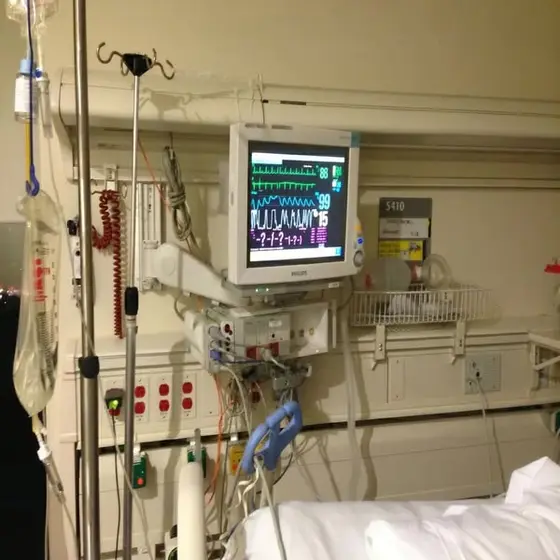
Micro Nutrients Facebook ad creative
getmicronutrients.com
The Natural Way People Are Supporting Their Heart Health!
Shop now

Micro Nutrients Facebook and Instagram ad

Micro Nutrients ran this image ad since Jun 25, 2026, 135 days so far, targeting United Kingdom.

First seen
Jun 25, 2026
Running for
135 days
Format
Image
Call to action
Shop now
Niche
Health and supplements
Countries
1 targeted
Page likes
0

Ad copy

My daughter's been asking me to share this for months. I kept saying no — it's too personal. She said, "Mom, what if it helps someone avoid what Dad went through?" That's what got me. My husband Frank had a heart attack two years ago. Not a minor one — a full cardiac arrest in our kitchen. One minute he was pouring orange juice. The next minute he was on the floor and I was screaming into the phone at 911. The paramedics got his heart going again in the ambulance. He survived. Barely. But here's the part that still keeps me up at night: Frank had been on atorvastatin for nine years. Nine years of taking that pill every single morning. Nine years of "managed" cholesterol. Nine years of his doctor saying, "Your numbers look good, Frank." And his heart still stopped. When I asked the cardiologist how that was possible — how a man on statins for nearly a decade could have a massive heart attack — he gave me this look. Like he'd heard the question a thousand times. "The statin was doing its job," he said. "But statins only address part of the problem." I didn't understand what that meant. Not then. Six months later, I found out the hard way. Routine bloodwork. My doctor called me at home, which she never does. Total cholesterol: 247. LDL: 164. "Diane, we need to start you on atorvastatin." The same drug Frank was taking when his heart stopped. I sat in my car in the clinic parking lot for twenty minutes. Couldn't turn the key. Looking back, the warning signs had been there for years. The bloating after every meal — so bad I'd unbutton my pants at the dinner table. The fatigue that hit me like a wall by 2 p.m. Brain fog so thick I'd forget why I walked into a room. I couldn't lose the weight around my midsection no matter what I did. My hands and feet were always cold. My digestion felt sluggish, heavy, like everything I ate just sat there. I went to my doctor about it twice. Both times she said the same thing: "You're 63. This is normal." So I tried everything. Cut out red meat. Went low-fat. Oatmeal every morning. Walking thirty minutes a day. Fish oil. Plant sterols. Red yeast rice. I did that for four months straight. Next bloodwork: My cholesterol dropped seven points. Seven. My doctor looked at the results and said: "That's not enough. You really need the medication." I went home and stared at the prescription on my kitchen counter. The pharmacy bag still stapled shut. Every morning I watched Frank take his atorvastatin. The same pill. The same routine. The same drug that was supposed to protect him. And I kept thinking: If nine years of this didn't save him, why would it save me? But I was terrified to NOT take it. Because I knew what high cholesterol leads to. I'd seen it. I was married to it. I couldn't sleep. I'd lie there imagining plaque building in my arteries. Imagining my daughter getting a phone call. Imagining Frank finding me the way I found him — on the kitchen floor. I started obsessing over every twinge in my chest. Every headache. Every moment of breathlessness. My daughter Emily lives two hours away. She came to visit three weeks after the diagnosis. She saw the prescription bag on the counter. Still sealed. "Mom. You haven't filled it." "I can't. I can't take the same drug that didn't protect your father." She didn't argue. She just looked at me — and I saw it in her face. The same fear I had. That she was about to lose both her parents to the same thing. I broke down. I hadn't cried in front of her since Frank's heart attack. I told her everything. The terror at night. The obsessing. The feeling of being trapped between a drug I didn't trust and a number that could kill me. She was quiet for a long time. Then she said: "Give me a week, Mom. Let me look into this." Five days later she called. Her voice was different. Urgent. "Mom. I think I found why the statins didn't work for Dad. And I think I found something that could actually fix your cholesterol. Without the medication." That weekend she drove up. She had a bottle in her bag and a stack of printed research. "Before you say anything," she said, "I know what you're going to think. Just hear me out." She sat me down and said something I'll never forget: "Mom — the statin reduces what's flowing through Dad's blood. But the plaque that caused his heart attack? It's still stuck to his artery walls. The statin never touched it. Not in nine years." I didn't understand. So she explained. There's a protein in your blood called fibrin. Think of it as biological cement. It's what holds plaque together and binds it to the walls of your arteries. Without fibrin, plaque can't stick. Can't build up. Can't harden into the blockages that cause heart attacks. When you're young, your body dissolves fibrin naturally. Almost as fast as it forms. But after 40, something shifts. Your body starts producing less of the stuff that dissolves fibrin. And more of something that blocks it. Less dissolving. More sticking. More hardening. Year after year. "Think of it like the pipes in an old house," she said. "After decades, deposits build up on the inside of the walls. They harden. The pipes narrow. Putting a filter on the water line so fewer minerals flow through? That's what statins do. Less stuff flowing through. But the deposits already caked to the inside of the walls? The filter doesn't touch them." Then she said the part that made my stomach drop: "Statins reduce how much cholesterol your body MAKES. But if plaque is already cemented to your artery walls — and it's been building since your 40s — you're just turning down the faucet while the pipes are clogged from the inside." I stared at her. "That's why Dad's numbers looked fine on paper. The statin slowed production. But the buildup on his artery walls was never dissolved. It just kept growing. Kept hardening. Kept narrowing. For nine years." It hit me like a freight train. I spent twenty-eight years as a pharmacy technician. I filled statin prescriptions every single day. Lipitor. Crestor. Atorvastatin. Rosuvastatin. Thousands of them. Not ONCE did a doctor mention dissolving the plaque already stuck to the walls. Not once did anyone write on a prescription pad: "Check for existing buildup." Not once did a patient come back and say their doctor talked about what was already THERE. Because we're still treating cholesterol like it's 1985. Reduce what the body makes. Block production. Hope for the best. But high cholesterol isn't just about what's flowing through your blood. The real danger is what's already STUCK TO THE WALLS. And nobody is dissolving it. She pulled the bottle out of her bag. Micro Nutrients Nattokinase. "The active ingredient is nattokinase — an enzyme originally found in a traditional Japanese food. It dissolves fibrin directly. That's the cement holding plaque to your artery walls. It breaks it down." "It also reactivates your body's own fibrin-dissolving system — the same one that started shutting down after 40." "And it's four times more potent than the enzyme your body makes naturally." She looked at me. And I saw something in her face I hadn't seen since she was a little girl: fear. Not fear of a supplement. Fear of losing her mother. "Mom, I watched Dad take a pill every day for nine years and it didn't save him. I can't watch you do the same thing. Please." I'm a retired pharmacy technician. I've seen every supplement scam that's ever existed. I've watched customers waste money on pills that do nothing. But I looked at my daughter. And I realized she wasn't trying to sell me something. She was trying to save me. So I said yes. That night I read through the research she'd printed. Study after study on nattokinase and plaque reduction. The 1,062-person clinical trial. The connection between fibrin buildup and heart attacks in people with "controlled" cholesterol. And I kept coming back to one thought: Why did no one tell us this? If we know fibrin cements plaque to artery walls — and we know the body stops dissolving it after 40 — why is the first-line treatment a drug that only reduces production? It's like treating a flooded basement by turning off the hose — while ignoring the clogged pipes that are backing everything up. You can reduce production all day. If the buildup on the walls is never dissolved, it doesn't matter. You need to dissolve what's already there. But here's the critical part — and this is where my twenty-eight years in pharmacy matter: The DOSE matters enormously. Drugstore nattokinase sits at 2,000 to 4,000 FU. FU stands for fibrinolytic units — think of it like horsepower. It's not about how big the pill is. It's about how much dissolving power is packed inside. At 2,000 FU, you're using a garden hose on a house fire. The largest clinical trial on nattokinase — 1,062 participants — tested two doses head-to-head. At 3,600 FU per day? Ineffective. The researchers' own word. At 10,800 FU per day? Plaque in the arteries shrank by 36%. LDL and triglycerides both dropped. 85 to 95% of participants improved. Safe. Well tolerated. Most people taking nattokinase are taking a version that can't possibly work. And then they tell their friends "nattokinase doesn't work for cholesterol" when they never actually took a clinical dose. It's like taking a quarter dose of an antibiotic and wondering why the infection doesn't clear. Micro Nutrients Nattokinase is formulated at 10,800 FU — the full clinical dose. Not the 2,000 FU in drugstore bottles. The exact amount from the study that shrank arterial plaque by 36%. The cheap ones give you a fraction of the dose. Not enough dissolving power to break through anything. You wouldn't take a quarter dose of a medication and expect it to work. Don't do it with your arteries either. I took two capsules that night. Within about twenty minutes, I felt something I didn't expect. My hands felt warmer. Not dramatically. Just... warmer. Like blood was reaching places it hadn't been reaching in a long time. I thought I was imagining it. But I wasn't. Week one: The bloating after meals — the kind I'd had for years — was gone. Not reduced. Gone. My digestion felt lighter. Easier. Like something had finally opened up. Week two: The brain fog lifted. I woke up clear. Alert. My energy held through the afternoon for the first time in months. Week three: The puffiness around my midsection started going down. My rings fit again. My husband said I looked different — he couldn't explain it, but something had changed. Week six: Bloodwork. I sat in Dr. Nguyen's office trying not to shake. She pulled up the results. Looked at them. Looked at me. Looked at them again. Total cholesterol: Down 38 points. LDL: Down 29 points. No statin. "What are you taking?" she asked. "A nattokinase supplement. Clinical dose." Long pause. She wrote it down. Then she said something that broke me: "I wish we'd tried this approach with your husband before the atorvastatin." That sentence. Because all I could think was: What if Frank had known? What if someone had told him nine years ago that the plaque cemented to his artery walls was the real danger — that the statin was only reducing what flowed through while the buildup on the walls just kept growing? Would his heart have stopped in our kitchen? I'll never know. And that's what I live with. But I can make sure YOU know. If you're reading this and your cholesterol is high — or "borderline" — or your doctor is pushing statins and something in your gut is telling you to look for another answer — please listen. Before you go looking for a nattokinase supplement, I need to warn you: Most of what you'll find on Amazon or at the drugstore will NOT work. I spent twenty-eight years in pharmacy. I know what a therapeutic dose looks like. And most nattokinase supplements are underdosed garbage. Here's why: Clinical plaque reduction requires nattokinase at 10,800 FU per day. That's the threshold. Below that, the enzyme is too weak to dissolve anything. You get a label that says "nattokinase." You don't get enough dissolving power to touch the buildup on your artery walls. Most cheap supplements are 2,000 FU. That's fine for a label claim. It does nothing for your arteries. Micro Nutrients Nattokinase is the full clinical dose — 10,800 FU. One enzyme. Right dose. That's all you need. I bought two bottles. One for me. One for Frank. Within five weeks, his doctor was reassessing his statin dosage. His numbers — which had been "managed" on atorvastatin for nearly a decade — actually started improving for the first time. My sister had been told her cholesterol was "borderline high" for three years. Her doctor kept saying "let's watch it." She took Micro Nutrients for six weeks. Her LDL dropped 24 points. She called me and said: "Diane, I didn't realize how sluggish I felt until I started feeling normal again." That's what years of buildup does. It restricts blood flow so gradually — the fatigue, the fog, the cold hands, the sluggishness — that you forget what good feels like. You just assume it's aging. It's not aging. It's your arteries narrowing so slowly you don't notice until it's too late. Micro Nutrients sells out regularly. Every time a health article runs about statin alternatives or nattokinase research, inventory disappears for weeks. Last month, a former colleague from the pharmacy tried to order it. Sold out. She waited. Three weeks later her doctor put her on rosuvastatin because her LDL had climbed another 12 points. She called me and said: "I wish I'd ordered it the first time you told me about it." I don't want that to be you. Because here's the thing about high cholesterol: It doesn't hurt. It doesn't warn you. It doesn't send you signals. You feel perfectly fine right up until you don't. Frank felt fine. His numbers were "managed." His doctor said he was doing great. And then his heart stopped in our kitchen and I was on the floor doing chest compressions on the man I've been married to for 36 years. One minute he was pouring orange juice. The next minute I was begging him not to die. I got a second chance. Frank survived. Not everyone does. Micro Nutrients Nattokinase comes with a money-back guarantee. If you don't feel a difference, you get every penny back. But I'm confident you will. Because I felt it. Frank felt it. My sister felt it. Don't wait until you're sitting in a cardiologist's office being told you need a drug that only fixes half the problem. Don't wait until your family is standing in a hospital hallway. Don't wait until it's too late. Get it now. While it's in stock. While you still can. 👉 https://getmicronutrients.com/products/nattokinase — Diane Mercer, CPhT (Retired) 28 years in pharmacy And someone who watched a statin fail the person she loves most — and refuses to make the same mistake.

Placements and targeting

FacebookInstagramAudience NetworkMessengerThreads🇬🇧 United Kingdom

More ads from Micro Nutrients

Full Micro Nutrients profile
Micro Nutrients
Micro Nutrients
+1
Inactive134 days
getmicronutrients.com
The Natural Way People Are Supporting Their Heart Health!
Shop now

Dad's first heart attack was at 58. He'd been on statins for 11 years. I'm 55 now, staring at a cholesterol number that won't come down no matter what I do. I was planning my own decline when my sister mentioned something that changed everything. For months, I'd been watching my numbers climb despite doing everything "right." Total cholesterol: 267. LDL: 178. Triglycerides through the roof. That suffocating feeling of watching numbers go the wrong direction while you're doing everything your doctor says. The fear was eating me alive. Every blood draw felt like a countdown. Every time I opened lab results, it was proof I was headed where Dad went. I'd already started catastrophizing—researching stents, bypass survival rates, what happens when they crack your chest open. Looking at costs. Planning how to tell my kids. The breaking point came when my doctor called with my latest panel. LDL up. Again. Higher this time. "We need to increase your statin dose," he said. "If this continues, we'll need to discuss more aggressive options." More aggressive options. Code for "get ready for the operating table." That night, I drove past the hospital where Dad died. Same building where paramedics brought him after he collapsed making coffee on a Saturday morning. Eleven years of statins. Never missed a dose. Dead at 58. "That's my future," I whispered. "Just like him." At his funeral, his cardiologist shook my hand and said, "Sometimes these things happen despite treatment." Despite treatment. Eleven years of treatment reduced to a footnote. When I got my own diagnosis at 44, I felt the floor drop. Same age Dad was when they handed him the prescription. My doctor pulled out his pad before I finished asking questions. "This is the standard of care," he said. "It's what we do." What we do. What they did for Dad. I told him I wanted to try diet first. He gave me 90 days. Mediterranean diet. No red meat. Olive oil on everything. Salmon twice a week. Walking 40 minutes a day. I did it perfectly. 90 days later, my LDL dropped 11 points. From 178 to 167. "That's not enough," my doctor said. "Time for the prescription." I begged for more time. Started taking everything people recommended. Fish oil. Red yeast rice. Plant sterols. Niacin. Berberine. Garlic extract. Expensive stuff from the health food store. I took everything anyone suggested. $340 a month. A whole shelf in my bathroom dedicated to cholesterol. But my numbers got worse. LDL went UP. To 182. Higher than when I started. "Maybe you need to give it more time," my friend said. So I kept taking them. Religiously. For 14 months. Got even worse. My sister, who's a nurse in Portland, called one day. "Remember Dad's friend Hank? The mechanic from church?" "Hank Novak? He had terrible cholesterol. Worse than Dad's." "Had. Past tense. His numbers are completely normal now. I ran into his wife at Safeway. She told me something interesting about what Hank discovered was actually keeping his cholesterol dangerous." She explained that Hank had tried everything too. The statins. The diet. The supplements. All of it. But his numbers kept climbing. Then he found a doctor who asked him one question that changed everything: "Forget about your cholesterol number for a second. What are you doing about the plaque that's already stuck to your artery walls?" Hank had no idea what he was talking about. "He told Hank that all the statins and supplements in the world won't prevent a heart attack if the buildup already stuck to the artery walls keeps growing. It's like changing the oil in your truck every 3,000 miles but never cleaning the sludge that's been caking to the inside of the engine for 20 years. Fresh oil going through. Old sludge still stuck. Engine still choking." Being a mechanic, that clicked for Hank immediately. That night, I couldn't sleep. Started googling "what holds plaque to artery walls" at 2 AM. Found a study that stopped my heart. There's a protein in your blood called fibrin. Think of fibrin as biological cement. It's what holds plaque together and binds it to the walls of your arteries. Without fibrin, plaque can't stick. Can't build up. Can't harden into the blockages that cause heart attacks. When you're young, your body dissolves fibrin naturally. Almost as fast as it forms. Plaque tries to stick — your body breaks it down. But after 40, something shifts. Your body starts producing less of the stuff that dissolves fibrin. And more of something that blocks it. Less dissolving. More sticking. More hardening. Year after year after year. That's why Dad had a heart attack at 58. It wasn't that his cholesterol was too high. His statin brought the number down. On paper, he was "controlled." But the plaque that had been cementing itself to his artery walls since his 40s? The buildup that was narrowing his arteries year after year? Nobody was dissolving it. The statin never touched it. It can't. That's not what statins do. And here's the part that made me furious: Every approach I'd tried — the statins, the diet, the fish oil, the plant sterols — ALL of them were trying to reduce cholesterol going IN. Not a single one was dissolving what was already STUCK. Statins? Block cholesterol production. That's what goes IN. Diet? Reduce cholesterol you eat. That's what goes IN. Fish oil? Interfere with absorption. That's what goes IN. They're all fighting what goes IN. But the problem isn't what goes IN. The problem is what's already STUCK TO THE WALLS. Think of it like the pipes in a house that's been standing for 40 years. The deposits build up. Layer on top of layer. They harden. The pipes narrow from the inside. Putting a filter on the water line so fewer minerals flow through? That's statins. Less stuff flowing through. But the deposits already caked to the inside of the walls? The filter doesn't touch them. The pipes keep narrowing. I looked at all the supplement bottles on my counter. $340 a month. Fourteen months. Not one of them dissolves what's already stuck to my artery walls. My cholesterol wasn't dangerous because I wasn't taking enough supplements. It was dangerous because the buildup in my arteries had nothing dissolving it. Started researching what actually dissolves the buildup. Found studies on nattokinase — an enzyme originally found in a traditional Japanese food that's been linked to some of the lowest rates of heart disease on the planet. What the research showed was staggering. It dissolves fibrin directly — breaking down the cement that holds plaque to artery walls. Not by blocking production. Not by masking a number. By physically dissolving what's already there. It reactivates your body's own fibrin-dissolving system — the same system that started shutting down after 40. And it's four times more potent than what your body produces naturally. It doesn't just slow down the buildup. It dissolves what's already there. But there was a problem. The dose matters enormously. Drugstore nattokinase sits at 2,000 to 4,000 FU. FU stands for fibrinolytic units — think of it like horsepower. It's not about how big the pill is. It's about how much dissolving power is packed inside. At 2,000 FU, you're using a garden hose on a house fire. The largest clinical trial ever done on nattokinase — 1,062 participants — tested two doses head-to-head. At 3,600 FU per day? Ineffective. The researchers' own word. At 10,800 FU per day? Plaque in the arteries shrank by 36%. LDL and triglycerides both dropped. 85 to 95% of participants improved. Safe. Well tolerated. Most people taking nattokinase are taking a version that can't possibly work. And then they tell their friends "nattokinase doesn't work for cholesterol" when they never actually took a clinical dose. Found a brand that had what the research pointed to. Micro Nutrients Nattokinase. 10,800 FU — the full clinical dose. Not the 2,000 FU in drugstore bottles. The exact amount from the study that shrank plaque by 36%. Not a weak dose in a fancy bottle. The clinical dose. One enzyme. That's all you need. Ordered it immediately. First week: the brain fog I didn't even realize I had started lifting. Like someone wiped a film off a window I'd been looking through for years. Ten days in: my digestion changed. Less bloating. That heavy feeling after meals — gone. Two weeks: I tightened my belt one notch. Mentioned it to my husband. He said, "I was going to say something — your face looks different. Less puffy." Three weeks: the afternoon crashes disappeared. I wasn't dragging myself through 3 PM anymore. Four weeks: I went in for bloodwork. Terrified to see the results. My doctor called the next day. "I need to talk to you about your labs." My stomach dropped. "Your total cholesterol dropped 22 points. Your LDL is down 18. And your inflammation markers..." He paused. "They're the lowest I've seen from you in two years." I cried on the phone. Happy tears this time. "Whatever you're doing, keep doing it." "I dissolved the buildup," I said. He didn't understand. But I did. Six months later, another panel. Total cholesterol: normal range. LDL: down from 182 to 138. Triglycerides: dropped 34 points. "I don't think we need to discuss statins anymore," my doctor said. I cried in his office. Eleven years of fear. Gone. Relief and rage mixed together. Turns out Dad probably had the same problem. Plaque had been cementing itself to his artery walls since his 40s. His body stopped dissolving it. Nobody knew. He took statins that reduced what was flowing through, but the buildup already stuck to the walls — the stuff that actually caused the heart attack — was never dissolved. His cholesterol came down on paper. His doctor called it "managed." But managed cholesterol with arteries full of undissolved plaque is like managed flood damage with a broken pump. The water's still rising. You just can't see it on the gauge anymore. What we called "managed" was a number on a lab report while the underlying problem — plaque hardening on artery walls that nothing was dissolving — was never touched. If only someone had asked: "What are you doing to dissolve what's already stuck to the walls?" I think about that all the time. The morning he collapsed. The coffee cup still on the counter. The years we lost. Last week, I was hiking with my grandson. Fully present. No fear hanging over me. My daughter pulled me aside afterward. "Mom, you seem like yourself again. Like really yourself." "I was so scared I was going to end up like Grandpa." "Me too, Mom. Me too." I'm not going to end up like Dad. Not from something as simple as undissolved buildup that nobody bothered to explain. But how many people right now are choking down statins, swallowing fish oil, eating salads they hate — watching their numbers stay stuck — and accepting it as genetics? How many families are watching loved ones march toward a heart attack from something completely addressable? How many mothers, fathers, grandparents are being handed weak supplements marketed as "cholesterol support" at doses that can't possibly work? If you're terrified of following a family pattern of heart disease... if your numbers won't come down no matter what you try... if your doctor keeps pushing for a higher dose... please ask yourself: what are you doing to dissolve what's already stuck to your artery walls? Because all the statins and supplements in the world won't prevent a heart attack if the plaque that causes it is still there. If you're over 40 — and your body has been losing the ability to dissolve fibrin for years — the buildup is growing right now. Whether your numbers look "controlled" or not. The number your doctor keeps trying to force down? It might just need the buildup dissolved. Don't wait until it ends the way it ended for my dad. Micro Nutrients Nattokinase is currently available with a 90-day money-back guarantee. If your numbers don't improve, if you don't feel the difference, you pay nothing. Due to small-batch production and recent demand as more people discover clinical-dose nattokinase, availability may be limited. You can check current availability here: 👉 https://getmicronutrients.com/products/nattokinase

Micro Nutrients
Micro Nutrients
+1
Inactive135 days
getmicronutrients.com
The Natural Way People Are Supporting Their Heart Health!
Shop now

Got my lab results back today. Total cholesterol 267. LDL 182. Doctor says that's "dangerously high. Heart attack territory." Whatever that means. She's writing me a prescription. "We need to get you on a statin immediately," she said. Statin. I took the prescription. Walked to my car. Sat there. Couldn't drive. Couldn't move. Just sat there holding this piece of paper. Atorvastatin 20mg - Take Once Daily My father took atorvastatin for eleven years. I don't know what to do. March 18th Haven't filled the prescription yet. Wife asked why. I couldn't answer. Just keep thinking about Dad. He took his statin every single day. Atorvastatin. 40 milligrams. Never missed one. Had this pill organizer. Sunday through Saturday. Would show me every week—"See? I'm taking everything. I'm doing it right." He'd show me his lab results too. Every three months. After the cardiologist appointments. "Total cholesterol is 198. Doctor says the statin is keeping me in range." But he wasn't in range. Year 3 on statins, the muscle cramps started. His forearms. His calves. Couldn't grip things. Dropped a coffee mug one morning and just stood there staring at the pieces on the floor. He'd worked construction for twenty-three years. Never called in sick before the cholesterol thing. But then he was slowing down. Exhausted. Brain fog rolling in by noon. "The pills take everything out of me," he'd say. "I feel worse on the statin than before." His boss thought he was getting lazy. He wasn't getting lazy. He was deteriorating. But his cholesterol was "controlled." I keep coming back to that. If the statin was working—if his cholesterol was controlled at 198—why did he still have a massive heart attack at 62? That doesn't make sense. March 22nd Pharmacy called. "You haven't picked up your prescription." I said I needed more time. The pharmacist sounded annoyed. "Your LDL is 182. This is urgent." Urgent. Dad's cholesterol was 198 when he died. "Controlled on atorvastatin." What's urgent is I don't want to end up like him. March 25th Can't stop thinking about the statin. Dad took atorvastatin for eleven years. Year 1 through Year 11. I watched him take it religiously. Every night. 40 milligrams. "It'll keep your cholesterol down," his cardiologist said. "Prevent a heart attack." His body got worse. Not better. Worse. Year 1: Felt fine. Total cholesterol 210. "It's working." Year 3: Muscle cramps. Couldn't grip tools. Cholesterol 198. Year 5: Brain fog. Forgot appointments. Couldn't stay awake past 8 PM. Cholesterol 195. Year 8: Lost ten pounds of muscle. Exhausted by noon. Cholesterol 202. "Stable." "Must be aging," his cardiologist said. But what if it wasn't? What if the statin was managing a number while the real problem got worse? March 28th The fatigue. God, the fatigue. Year 7. Dad would come home from work and sit in his recliner. Shoes still on. Couldn't move. "I just need twenty minutes," he'd say. Twenty minutes became two hours. Then he'd go straight to bed. "Statin fatigue," his doctor said. "Common side effect. We can try a lower dose." The lower dose didn't help. But his cholesterol stayed "controlled." I'm exhausted now. Brain fog by 2 PM. Crashing after work. Bloated every evening. Started drinking a third cup of coffee just to function. I'm 51. I'm mainlining caffeine to get through the day. Dad was 52 when his fatigue got bad. April 2nd Wife found me up at 3 AM last night. Sitting at the kitchen table with my laptop. Research articles everywhere. "Michael. What are you doing?" "Research." She sat down. Looked at the screen. I'd typed: "why do people have heart attacks even when cholesterol is controlled on statins" First result: Medical journal. "Residual cardiovascular risk in statin-treated patients." Residual risk. Meaning: even with statins, heart attacks still happen. A lot. Clicked another link. Review article. "Statins reduce circulating LDL cholesterol by inhibiting hepatic production. However, they do not address existing atherosclerotic plaque adhered to arterial walls. Plaque progression may continue despite optimal lipid panel values." Read that three times. Statins reduce what's flowing THROUGH the blood. But the stuff already STUCK to the artery walls? The plaque that's been building up for years? Statins don't touch it. Another study: "Fibrin, a structural protein, serves as the primary scaffolding binding atherosclerotic plaque to the arterial endothelium. Fibrinolytic capacity declines with age." Fibrin. The cement that holds plaque to the walls. And the body's ability to dissolve it goes DOWN as you get older. Another: "Patients over 40 show progressive decline in endogenous fibrinolytic activity, resulting in accelerated plaque accumulation despite statin therapy." My wife looked at me. "So... the statin doesn't fix the real problem?" "No." "What's the real problem?" "What's already stuck to the walls. The statin slows down what goes in. But it never dissolves what's already there." "Then what dissolves it?" "That's what I'm trying to find out." April 5th Couldn't sleep. Back at the laptop. If statins only reduce what's flowing through the blood... and the real danger is what's already stuck to the artery walls... why did the doctor never look at THAT? Searched: "do doctors measure arterial plaque buildup" They don't. Not routinely. They test total cholesterol. LDL. HDL. Triglycerides. But they don't check what's already cemented to your artery walls. They don't measure the buildup that's been hardening for years. They watch the number in your blood and assume if that number goes down, you're safe. Dad's doctor watched a number for eleven years. Never once checked what was stuck to the pipes. April 8th Found something. Was searching "how to dissolve arterial plaque naturally" and found a study. "Nattokinase, a fibrinolytic enzyme derived from the Japanese food natto, directly dissolves fibrin—the structural protein that binds plaque to arterial walls. It also reactivates the body's own fibrin-dissolving system, which declines after age 40." Read it three times. Nattokinase doesn't just slow down new buildup. It dissolves what's already there. Think of it like the pipes in a house that's been standing for 40 years. Deposits build up on the inside of the walls. Layer after layer. They harden. The pipes narrow. Statins are like putting a filter on the water so fewer minerals flow through. But the deposits already caked to the walls? The filter doesn't touch them. Nattokinase is what dissolves the deposits. What if that's what Dad needed? Not a statin that reduces what goes in. An enzyme that dissolves what's already stuck. But he was on atorvastatin for eleven years. Nobody ever mentioned dissolving the buildup. They just kept reducing production. While the pipes kept narrowing. April 10th Went down another rabbit hole. Searched: "nattokinase clinical studies plaque reduction" Yes. Multiple studies. The biggest one: 1,062 participants. But there's a problem. The study tested two doses. And the results were completely different depending on how much you take. At 3,600 FU per day — that's "fibrinolytic units," it's like horsepower for an engine, measures how much dissolving power is in each dose — the result was: nothing. Ineffective. The researchers' own word. At 10,800 FU per day? Plaque in the arteries shrank by 36%. LDL and triglycerides dropped. 85 to 95% of participants improved. So even if you take nattokinase: Most supplements are only 2,000 FU Even 3,600 FU wasn't enough The dissolving power has to be high enough to actually break through No wonder most people try nattokinase and nothing happens. Right idea. Wrong dose. Like trying to unclog a drain with a teaspoon of soap. April 12th Okay so I need nattokinase at 10,800 FU. Searched "high dose nattokinase supplement" Amazon. Top rated. 4.5 stars. 8,000 reviews. "Nattokinase. 2,000 FU per capsule." Two thousand. I need 10,800. Every brand I found: 2,000 FU. Some at 4,000. Ordered the highest I could find. 4,000 FU. Started taking it Monday. May 28th Six weeks on the nattokinase. Nothing has changed. Still exhausted. Still foggy. Still bloated every night. Wasted six weeks. Ordered a different brand. More expensive. Higher quality label. Maybe that matters. July 22nd Eight more weeks. Still nothing. I don't know what else to do. Follow-up labs in nine days. Every morning I wake up exhausted. Every afternoon the fog rolls in. Every evening my gut bloats tight as a drum. I see Dad. Year 1: Total cholesterol 267. Doctor writes a statin. Year 3: Muscle cramps. Cholesterol 198. "Controlled." Year 5: Brain fog. Cholesterol 195. Year 11: Heart attack. Dead at 62. Cholesterol was 198. I'm on Year 1. What comes next? July 30th Something weird happened today. I was at a health food store. Supplement aisle. Just staring at all the nattokinase bottles. I'd tried two of them. Fourteen weeks combined. Zero results. Didn't have money to waste on more supplements that won't work. Can't afford a functional medicine doctor. Insurance doesn't cover it. My doctor already wrote the prescription. "Your cholesterol is dangerously high. You need the statin." I'm not ready. Two men talking one aisle over. "—it's not that nattokinase doesn't work. Most supplements don't have enough dissolving power. The bottles on this shelf run 2,000 to 4,000 FU. You need 10,800 to actually dissolve anything." I froze. 10,800? I walked over. "Excuse me. What did you say about the dose?" Older man. Looked like he worked there. Name badge said "Nutritionist." "Most nattokinase supplements are dosed at 2,000 FU per capsule. Some go up to 4,000. But the clinical research — the study with over a thousand participants — found that anything below 10,800 FU per day doesn't work. The researchers tested 3,600 FU and called it ineffective. Their word, not mine." My chest tightened. "I've been taking nattokinase for three months. Two different brands. Nothing changed. My cholesterol hasn't moved." "What dose?" "Started at 2,000. Then moved up to 4,000." "That's the problem. Think of it like horsepower in an engine. A 50-horsepower motor can't do what a 300-horsepower motor does. It's not about the size of the pill. It's about how much dissolving power is packed inside. At 4,000 FU, you're running a lawnmower engine. You need a truck." "So the supplements I tried..." "Right idea. Wrong dose. That's why nothing changed." Everything he's saying — it's what I found at 3 AM. The 1,062-person study. But nobody in the medical system told me this. Dad's cardiologist. Eleven years. This man in a supplement aisle just explained in two minutes what they never considered. "How do I get nattokinase that actually works?" I asked. "You need the clinical dose. 10,800 FU per day. That's the amount that shrank plaque by 36% in the largest trial ever done on nattokinase. Not 2,000. Not 4,000. 10,800. One enzyme. Right dose. That's it." "That's it? Just nattokinase at the right dose?" "That's what the research shows. At 10,800 FU, nattokinase dissolves fibrin — that's the cement holding plaque to your artery walls. It's four times more powerful than the enzyme your body makes on its own. The same enzyme your body stopped making enough of after 40." He pulled out his phone. "There's a brand called Micro Nutrients. Nattokinase at 10,800 FU. Full clinical dose. Not the 2,000 FU you'll find on this shelf." 10,800 FU. Clinical dose. Not a lawnmower engine. A truck. "How do I know it actually works?" I asked. "I can't afford to waste more money." "You'll feel the difference within the first week. Brain fog lifts. Energy comes back. Digestion improves. Then over 4-6 weeks, your cholesterol starts dropping — not because you reduced production, but because the buildup is dissolving. The pipes are opening back up." Within a week? I pulled out my phone. Ordered it standing there. August 2nd The bottle arrived this morning. Took the first dose. 7:30 AM. Sat on the porch. Waited. Didn't believe it would work. August 9th One week. Woke up this morning and something was different. My head was clear. Not "I had good sleep" clear. Clear like a window someone finally cleaned. Got through the afternoon without crashing. No fog. No third coffee. By evening: still sharp. Oh my god. August 16th Two weeks. The bloating is going down. Not completely gone. But my gut doesn't swell after dinner anymore. And I had energy yesterday afternoon. Actually had energy. Didn't crash at 2 PM. Didn't need to lie down after work. Just... had energy. August 23rd Three weeks. My wife looked at me across the breakfast table. "Your face looks different." "What do you mean?" "Less puffy. Sharper. You look like you did five years ago." She wasn't being kind. She was being accurate. The inflammation is leaving. For the first time in over a year. Something is working. August 30th Four weeks. Got my labs done yesterday. Results came back this morning. Total cholesterol: 232. Down from 267. LDL: 149. Down from 182. Stared at the numbers. My cholesterol dropped. Thirty-five points. Without the statin. Dropped. Called my doctor's office. "I need to discuss my new labs." "Is there a problem?" "My cholesterol dropped thirty-five points. Without medication." Silence. "That's... let me check with the doctor." Called back an hour later. "Dr. Park says if your numbers are improving, we can table the statin discussion. Recheck in six weeks." Six weeks. Not atorvastatin. Six weeks. September 27th Eight weeks. Got labs again. Total cholesterol: 211. LDL: 128. Fifty-six point drop in total. Fifty-four in LDL. Eight weeks. No statin. No extreme diet. The buildup was finally dissolving. October 25th Twelve weeks. Total cholesterol: 199. LDL: 117. Dr. Park called me herself. "Michael. I don't know what you're doing, but these numbers... I've been doing this twenty-two years. Patients don't drop sixty-five points of LDL without a statin." "I dissolved the buildup," I said. "You what?" "There's a protein called fibrin. It's like cement. It holds plaque to the artery walls. When you're young, your body dissolves it naturally. After 40, it stops. The plaque just keeps building. Statins reduce what goes in — less cholesterol flowing through the blood. But they never dissolve what's already stuck to the walls. I found an enzyme that does." Silence. "That's... I'll have to look into that." "My father took atorvastatin for eleven years. His cholesterol was controlled the entire time. He still had a massive heart attack at 62. Because nobody ever dissolved the buildup. Nobody checked what was stuck to his artery walls. They just kept reducing what was flowing through while the pipes kept narrowing." "And you think the buildup..." "His arteries were narrowing for eleven years. The statin made the blood test look perfect. But the plaque that killed him was already there. Hardening. Growing. And nobody was dissolving it." More silence. "Well. Whatever you're doing, continue. We'll monitor quarterly. If this holds, you won't need a statin." Won't need a statin. Not eleven years of muscle cramps and brain fog. Not dead at 62 with "controlled" cholesterol. Won't need one at all. Today It's been sixteen weeks. Total cholesterol: 194. LDL: 112. No brain fog. No fatigue. No bloating. Energy all day. Went hiking with my son last weekend. Six miles. Up a ridge trail. Didn't need to stop. At the top he looked at me. "Dad, I thought your cholesterol was dangerous." My throat tightened. "It was." "What happened?" "I dissolved the stuff that was stuck to the walls." Because that's what it was. Dissolve the buildup. Let the blood flow. Simple. My father never got that choice. Because nobody told him statins only reduce what goes in. Nobody told him the real danger was what was already stuck to his artery walls. Nobody told him his body stopped dissolving it after 40. And nobody gave him anything that could. He took the prescription everyone trusted. His cholesterol was controlled. Heart attack. Dead at 62. I'm not following his path. What I Know Now: Total cholesterol and LDL don't tell you what's already stuck to your artery walls. They just measure what's flowing through your blood. There's a protein called fibrin. Think of it as biological cement. It's what holds plaque to your artery walls. Without fibrin, plaque can't stick. Can't build up. Can't harden into blockages. When you're young, your body dissolves fibrin naturally. After 40, that process slows down. The cement stays. Plaque builds. Arteries narrow. Year after year. Statins reduce cholesterol production. But if plaque is already stuck to the walls, you're reducing what goes in while the buildup stays. Numbers improve on paper. The pipes keep narrowing. Drugstore nattokinase is only 2,000 to 4,000 FU. The largest clinical trial — 1,062 people — found that 3,600 FU was ineffective. The dose that actually worked — that shrank plaque by 36% — was 10,800 FU. Below that, the enzyme is too weak to dissolve anything. Standard medical protocols don't check what's stuck to your artery walls. They measure cholesterol levels and prescribe statins. They watch the number and never look at the buildup. The version that works — nattokinase at 10,800 FU, the full clinical dose — exists. You'll feel improvement within weeks. Fog lifts. Energy returns. Labs improve. Your body can dissolve the buildup. If you give it the right enzyme at the right dose. I'm writing this because I need to remember. Four months ago I was terrified. Holding an atorvastatin prescription I couldn't fill. Watching my father's path unfold in front of me. Thought I was trapped. But I wasn't. The trap was believing: High cholesterol means you need to reduce production (you don't — you need to dissolve the buildup) Statins address the root cause (they don't — they manage a number while the pipes keep narrowing) All nattokinase supplements are the same (they're not — 2,000 FU can't do what 10,800 FU can) Doctors test for everything relevant (they don't — they never check what's stuck to your artery walls) Cholesterol is just about what you eat (it's not — it's about whether your body can dissolve what's already there) Once I stopped believing those things — once I saw the contradiction — the path became clear. Dissolve the buildup. Let the blood flow. Simple. I don't know who will read this. But if you're reading this and you see yourself in my story — If your total cholesterol is 267 like mine was. Or 240. Or 300. Or your doctor is pushing a statin you don't want to take. If you're exhausted all the time. Brain fog by noon. Crashing every afternoon. That deep fatigue where getting through the day takes everything. If you're bloated every night. Gut tight. Face puffy. Gaining weight you can't explain. If you've tried the diet. Cut the fat, cut the eggs, cut the red meat. And your numbers barely moved. If you've tried supplements. Fish oil. Red yeast rice. Nattokinase from the drugstore. Nothing changed. If someone in your family took statins for years — did everything right — and still had a heart attack. And you can't understand why. But you're not out of options. What I want you to know: If I hadn't overheard that conversation in the supplement aisle, I'd be on atorvastatin right now. Muscle cramps would probably be starting. Brain fog getting worse. And in five years, my cholesterol would be "controlled" — and the buildup on my artery walls would still be growing. Just like Dad. But I had a choice I didn't know existed. I dissolved the buildup. Cleared the pipes. Let the blood flow again. The brand is Micro Nutrients Nattokinase. 10,800 FU — the full clinical dose. Not the 2,000 FU in drugstore bottles. The amount from the 1,062-person study that shrank arterial plaque by 36%. One enzyme. Right dose. That's it. I felt improvement within the first week. Fog lifted. Energy came back. Then week by week: bloating gone. Face less puffy. Labs improved. Total cholesterol from 267 to 194. LDL from 182 to 112. No statin. No extreme diet. The buildup dissolved. Cholesterol dropped. There's a 30-day guarantee. Try it. Track your labs. If it doesn't work, get your money back. I risked nothing. And got my life back. I'm writing this because I needed to process what happened. How close I came to filling that prescription. How one conversation in a supplement aisle changed everything. If you read this and something clicks — if you see the contradiction I saw — if you realize your cholesterol might be dangerous not because you're making too much, but because the buildup in your arteries has nowhere to go — Then maybe this diary entry finds you at the right time. Maybe you're standing where I was four months ago. Holding a statin prescription. Terrified. Trapped. You're not trapped. There's a way to dissolve what's already there. I found it. You can too. 👉 https://getmicronutrients.com/products/nattokinase Cheers.

Similar health and supplements ads

28-Day Fun Weight Loss Challenge
+2
Inactive1 day
easy-quiz.dancefit.me
7 MIN HOME DANCE PLAN FOR BEGINNERS
Learn more

NO GYM, NO STRESS JUST DANCING! BOOST YOUR MOOD QUICKLY BURN CALORIES Take a quiz and get your dance plan in DanceFitMe

28-Day Fun Weight Loss Challenge
+2
Inactive7 days
easy-quiz.dancefit.me
7 MIN HOME DANCE PLAN FOR BEGINNERS
Learn more

NO GYM, NO STRESS JUST DANCING! BOOST YOUR MOOD QUICKLY BURN CALORIES Take a quiz and get your dance plan in DanceFitMe

28-Day Fun Weight Loss Challenge
+2
Inactive8 days
easy-quiz.dancefit.me
7 MIN HOME DANCE PLAN FOR BEGINNERS
Learn more

NO GYM, NO STRESS JUST DANCING! BOOST YOUR MOOD QUICKLY BURN CALORIES Take a quiz and get your dance plan in DanceFitMe

28-Day Fun Weight Loss Challenge
+2
Inactive4 days
easy-quiz.dancefit.me
7 MIN HOME DANCE PLAN FOR BEGINNERS
Learn more

NO GYM, NO STRESS JUST DANCING! BOOST YOUR MOOD QUICKLY BURN CALORIES Take a quiz and get your dance plan in DanceFitMe

See all ads

Create a free account to unlock every creative, video and landing page.

Sign up free

Keep exploring

Free plan, no card needed

Find more ads like this

Search millions of real ads by keyword, niche and format, and save the winners to your swipe file.

Start free