Linda Hayes Inactive
Linda Hayes Facebook ad creative
getclarova.com
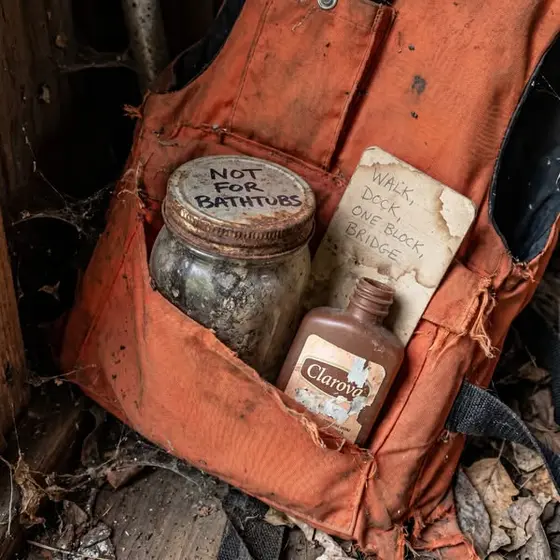
The Silt Jar
Learn more

Linda Hayes Facebook and Instagram ad

Linda Hayes ran this carousel ad since Jun 26, 2026, 134 days so far, targeting United Kingdom.

First seen
Jun 26, 2026
Running for
134 days
Format
Carousel
Call to action
Learn more
Niche
Health and supplements
Countries
1 targeted
Page likes
5

Ad copy

At 5:22 on the morning of my granddaughter’s first kayak trip, I poured a jar of Mississippi River silt into the bathtub and watched the drain turn brown. The trip cooler was packed. Two life jackets waited by the front door. My granddaughter Camille was asleep on the sofa because she had insisted we leave before sunrise and then spent the night talking instead of sleeping. I carried the jar into the bathroom as a test. That is what I called it. The sediment hit the water in a dark cloud. Fine brown particles spread across the tub, circled the drain, and settled into the white enamel around it. I turned on the faucet. The drain remained open, visible and completely unobstructed beneath the muddy water. Water still slowed far enough to erase any comfort the open drain should have given me. I watched the level rise slowly around both my ankles and thought about fibrin, plaque, calcium, and every hidden thing the internet had taught me could make an open artery behave like a blocked channel. Camille appeared in the doorway wearing one sock and her life jacket over pajamas. “Grandma,” she said, “why is there mud in the tub?” I told her the kayak trip was canceled. She looked at the brown water. “Because of that?” “Because the wind is changing.” The trees outside were still. Camille was thirteen, not blind. She took off the life jacket and set it on the bathroom floor. Then she said, “You did the river thing again.” My name is Marisol Baptiste. I am sixty years old. I live in New Orleans in a raised shotgun house painted blue because my husband, Andre, said gray looked like surrender. I worked thirty-five years in flood control and drainage. Pumps. Canals. Gates. Culverts. Outfalls. Storm surge. Rain events measured in inches and remembered in family stories. People think flood protection is about keeping gates closed. Often, it is about moving water out. A gate can open on command. A pump can run at full capacity. If the channel has narrowed with silt, vegetation, debris, or years of neglected buildup, the water still backs up where people live. The system does not fail only at the gate. It fails along the route. That truth became personal after my cousin Renee had a stroke at fifty-eight. Renee and I were raised more like sisters than cousins. Our mothers shared a duplex. We shared a bedroom during storms, school uniforms when one family’s laundry machine broke, and every secret either of us was foolish enough to tell near an open doorway. Renee taught kindergarten for thirty-one years. The morning of her stroke, she had been cutting construction paper apples for a classroom wall. One hand stopped cooperating. She tried to keep cutting because teachers are trained to complete tasks while their bodies request meetings. A coworker noticed her speech and called for help. Renee survived. Her recovery was serious, uneven work. She relearned words with picture cards similar to the ones she had used with children. She could name elephant before she could name refrigerator, which offended her sense of educational order. I sat beside her during therapy and watched every movement become a route that had to be reopened. Afterward, my own circulation stopped feeling invisible in the normal way. It felt hidden in the dangerous way. I wanted a map. A cross-section. A maintenance report. A camera inside the channel. My appointments gave me the information appropriate to my actual history. I followed the plan. I still worried about what one appointment could not show in real time. The first article I read was about nitric oxide. Blood vessels need to open. Beetroot supports the pathway. That fit the gate. Then a video said opening was only half the story if fibrin made the flow sticky. That fit the silt. The presenter described fibrin as a repair protein that could leave a mesh behind, creating resistance inside the route. I bought nattokinase. Then I learned calcium could stiffen the channel. I bought K2 and D3. Then aged garlic for flexibility. Turmeric for the environment. Cayenne for warmth. Hawthorn for the pump. My supplement cabinet became a public-works budget. Every bottle had one project and no coordination agreement. I kept a binder. Section one: OPENING. Section two: FIBRIN. Section three: CALCIUM. Section four: WALL CONDITION. Section five: DELIVERY. I printed diagrams and placed transparent overlays on top of them the way we once compared drainage maps. One overlay showed narrowed vessels. One showed plaque. One showed fibrin strands. One showed blood pressure. The more layers I added, the less of the original map I could see. Andre called the binder the Book of Bad Water. I told him the title was disrespectful. He said the binder had taken my chair at dinner and therefore deserved a name. The jar of silt entered the story during a river survey years earlier. I had collected it from the bottom of a channel where the flow had slowed despite a functioning gate. We used samples to show why dredging mattered. When I retired, I brought one sealed jar home. It sat on the shelf with old engineering awards. After Renee’s stroke, it moved to the dining table. Then the bathroom. Then my tote bag. I carried it to appointments and family dinners because the brown layers helped me explain the fear. Andre said nobody needed a sediment demonstration with gumbo. I disagreed. The fear changed the shape of my days. I stopped paddling Bayou St. John. I had kayaked the same route for fifteen years with Renee, then with Camille when she became old enough to sit still for more than eight minutes. The route was calm, close to shore, and familiar. After the stroke, distance from land stopped being the measurement. Distance from help became the measurement. I imagined one hand slowing on the paddle. One word coming out wrong. A hidden channel inside me backing up while the visible water stayed smooth. I sold my red kayak. Andre asked why. I said the hull was getting soft. It was not. Camille kept her yellow kayak in our shed. She asked every month when we would go again. I blamed weather. Heat. Algae. Work being done on the launch. The bathtub was the first time she saw the real excuse made physical. The person who took the jar away from the bathroom was Celeste Arnaud. Celeste was seventy-four, retired from the London Avenue Canal pumping station, and wore white rubber boots in weather that required no boots because she enjoyed being prepared more than she enjoyed matching. She had worked with me during two hurricanes, three major pump overhauls, and one city-council meeting where a man asked whether canals could be “turned off for the weekend.” Camille called Celeste after the canceled trip. I did not know my granddaughter had her number. Celeste arrived before eight with chicory coffee and a small brass gate model used for school presentations. The tub still held brown residue. She looked at the silt jar on the sink. Then at me. “You canceled water because of water?” she asked. I told her what the jar demonstrated. Celeste set the model gate across the tub drain. She opened it fully. Then she used a washcloth to push the remaining silt into a ridge three inches in front of the opening. The gate stayed open. Water pooled behind the ridge. “An open gate cannot move water through a channel filling with silt,” she said. That was her spine line. The route had two problems. The gate could fail to open. The channel could resist what moved through it. Beetroot spoke to opening. Nattokinase spoke to the sticky-flow story. But a drainage system also needed flexible walls, steady pumps, and delivery to the far end. Celeste had built the same supplement binder after her husband’s heart event. She tried one ingredient at a time and changed the project whenever a new explanation sounded more urgent. Her daughter finally asked whether Celeste was maintaining her health or conducting an environmental review with no permit deadline. Celeste simplified with Clarova Circulation Complex. Aged garlic. Nattokinase. Beetroot. Cayenne. Hawthorn. Turmeric. K2 and D3. She described it as one coordinated project: Open the gate. Smooth the channel. Support the flexible banks. Warm the distant neighborhoods. Power the pump. I asked whether one liquid could contain enough of everything. Celeste picked up the binder. “Enough paperwork has not moved you one foot down the bayou.” Then she handed the jar to Camille. “Put this somewhere your grandmother cannot flood.” I brought the product, the binder, and the full supplement list into the plan already in place with the people who knew my history. Renee’s stroke had taught me to respect sudden changes, not to turn every quiet morning into an emergency review. The behavior test was the kayak trip. Twelve weeks. Bayou St. John to the old bridge and back. Camille in the yellow kayak. Me in a borrowed red one because mine had already been sold. I ordered three bottles. The first week gave me a simpler counter and no dramatic body signal. I took the measured liquid in water each morning. The separate projects came out of the cabinet. The binder went into a drawer. The silt jar disappeared. Camille had hidden it in the shed inside a life-jacket pocket. I knew because I checked. The checking was still alive. Was one foot warmer? Did my hands feel equal on the paddle grip I practiced in the yard? Did the stairs raise my pulse too quickly? Celeste told me to stop measuring the pump in dry dock. We started with the canal path. Week two: walk to the first bridge. Week three: carry the life jackets to the launch and come home. Week four: sit in the borrowed kayak tied to the dock. That step embarrassed me most. Children paddled past while I remained attached to a cleat like an exhibit. Camille sat in her yellow kayak beside me. She did not tease. She said, “The water is still here.” I answered, “So am I.” We stayed fifteen minutes. The next outing, we paddled one block. My right hand tingled after gripping too tightly. The old route map opened in my head. Fibrin. Stroke. Renee’s scissors falling. I loosened my grip. The tingling eased. We turned back because one block was the plan, not because fear had made the decision. I did not count that as a transformation. I counted the return time. Nine minutes out. Nine minutes back. At week six, the binder had remained closed long enough for Andre to put a vase on top of it. He said he needed the chair back at dinner. I told him the binder had never occupied a chair. He showed me a photograph from March. The binder was sitting at the table between us, open to a fibrin diagram. I had no memory of the meal. The image was evidence of absence. The new dinners had no overlays. The physical proof remained ordinary. My hands warmed more quickly after movement. My legs felt less loaded after the canal walks. The deeper change was that sensations rejoined the day instead of turning into citywide alerts. A difficult morning came after poor sleep. My left foot felt numb when I stood. I almost canceled the next practice. I moved, waited, and the sensation passed. I kept the real rules for anything new or persistent. I also kept the appointment with the kayak. Celeste called that “maintenance without evacuation.” The full route happened on a Saturday in September. Sunrise colored the houses along the bayou pale orange. Camille wore the same life jacket she had dropped on the bathroom floor twelve weeks earlier. I borrowed a red kayak from the museum program. At the launch, Andre handed me the paddle. He said, “No mud tests?” I said the bathtub was clean. We pushed off. The first bridge came easily. At the second, my heart beat harder from paddling against a light headwind. The old instinct said turn back before the signal became proof. Camille pointed ahead. The old bridge was visible. “Channel’s open,” she said. I looked at the water. Moving. Not perfectly smooth. Not empty of silt. Moving. We reached the bridge. Camille tapped her paddle against mine. On the return, she asked whether I was thinking about Renee. I said yes. She asked whether that meant we had to stop. I said no. At the launch, Andre took a photograph as we carried the kayaks onto the grass. The yellow life jacket was wet. My hair looked unreasonable. Camille was smiling with the tired satisfaction of a child who had won an argument over twelve weeks. She said, “You did the river thing correctly.” Camille’s sentence became the external record. The phrase she had used in the bathroom became something else. I still own the binder. I still understand risk. I still follow the plan and respect any change that deserves more than a home analogy. The silt jar now sits in the shed beside the paddles. It is a field sample again. Not a prophecy. Clarova stayed because its mechanism matched the system I already understood without turning one ingredient into the entire flood-control plan. Open the gate. Smooth the traffic. Support the channel. Warm the far edges. Power the pump. If you are already deep in nattokinase, fibrin, K2, garlic, nitric oxide and arterial-cleaning research, the problem may not be lack of information. It may be lack of coordination. Choose the bridge. The route. The morning your body and your life are supposed to move through together. One bottle of Clarova Circulation Complex is $19.95. Two bottles with a third included are $39.95, which matched the twelve-week kayak plan. Three bottles with two more included are $59.95 if you want the longer five-month runway and the lowest cost per bottle. The order is covered by a ninety-day money-back guarantee. If the channel never carries you to the bridge and the behavior stays on dry land, ask for the money back. An open gate should move water all the way home. — Marisol P.S. Celeste still wears white rubber boots on sunny days. She also took the brass gate model home after leaving a brown washcloth in my bathtub. When I complained, she said every demonstration needs a cleanup budget. P.P.S. Renee’s stroke taught our family the signs that require action, and we act. The silt picture helped me organize a daily routine between those moments. It never became a reason to delay help or replace the plan built from real information. P.P.P.S. The silt jar is sealed again. Camille wrote NOT FOR BATHTUBS across the lid in permanent marker. The life jacket that lay on the bathroom floor now hangs beside it, still carrying a dried line of bayou water along the bottom edge. That is the sediment I prefer.

Placements and targeting

FacebookInstagramAudience NetworkMessengerThreads🇬🇧 United Kingdom

More ads from Linda Hayes

Full Linda Hayes profile
Linda Hayes
Linda Hayes
+1
Inactive133 days
getclarova.com
Yellow Thermos
Learn more

At 2:47 on a Tuesday afternoon, I opened the folding door of Bus 38 at the wrong elementary school and twenty-three children stared at me through the glass. For six seconds, nobody moved. Then a boy in a red backpack pointed past me and said, “Mr. Len, this is Lincoln.” He was right. I drove the Maple Ridge route. Lincoln Elementary was two miles west, on the other side of the railroad tracks, and I had made that turn every school day for thirty-one years without thinking. The dispatcher was already calling my radio. “Thirty-eight, confirm location.” I looked at the yellow thermos wedged beside my seat. It was empty. I had finished forty ounces of coffee before lunch and another sixteen from a gas station after noon. My heart was working hard enough to shake the lanyard against my shirt, but my head felt packed with wet cotton. The children on the sidewalk belonged to another bus. The children I was supposed to collect were waiting at Maple Ridge, and the man trusted to know where every one of them belonged had driven to the wrong building because his afternoon had gone dim behind the wheel. I pressed the radio button. “This is Thirty-eight,” I said. “I took the Lincoln turn.” There was a pause. My dispatcher, Renee, had known me eighteen years. She could hear the difference between a wrong turn and a man trying not to sound frightened. “Hold there,” she said. “I’m sending a spare to Maple. Bring Thirty-eight back to the yard.” I wanted to argue. I wanted to say I was fine now. The humiliation had cleared my head faster than coffee ever did. Instead, I closed the door, put the bus in gear, and drove back with the yellow thermos rattling in the cup holder like evidence. My name is Leonard Price. Most people call me Len. I was sixty years old that afternoon. I live in Dayton, Ohio, with my wife, Marlene, in a brick ranch three streets from the bus yard. I started driving school buses when our oldest daughter was in kindergarten. At first it was supposed to be temporary work between factory jobs. Then I discovered I liked a route that began before the rest of the city and ended with every child delivered to a specific place. A school bus driver does not merely operate a large yellow vehicle. You learn which child will sleep against the window, which one will leave a lunchbox under the seat every Friday, which parents wave from the porch even when the child is old enough to be embarrassed, and which driveway needs an extra second because the dog has no respect for brakes. You learn the shape of the day by repetition. Maple Ridge. Oak and Benton. Railroad tracks. Three-way stop by the church. Right at the mural. Left at the cemetery. I could drive my afternoon route in rain, snow, or a fogged windshield while answering a question about dinosaurs from row nine. For three decades, I had one preventable incident on my record: a mailbox mirror I clipped during an ice storm in 2004. I paid for the mailbox myself even though the district said not to. Knowing the route was part of how I knew myself. That is why the fatigue frightened me before I admitted it. It started around fifty-six. After lunch, the edges of the day softened. Not sleep exactly. More like somebody lowered the contrast inside my head. Street names took an extra beat. A radio call reached me, but the meaning arrived late. I would blink hard at a red light and feel as though I had surfaced from somewhere deep even though my eyes had never fully closed. Coffee became the first answer because coffee had always been the driver’s answer. The yellow thermos was a retirement gift from my old route supervisor, Dale. It held enough to make a cardiologist sigh and a bus driver feel prepared. I filled it before dawn. Then I added a travel mug for the first route. Then a gas-station refill after lunch. The coffee changed my pulse. It did not change the heaviness. By two, I could feel my heart tapping against my ribs while my brain moved as if the air had thickened. I created small tricks. Peppermint gum in the shirt pocket. Cold air through the side window in February. A rubber band around my wrist that I snapped at long lights. I kept sunflower seeds in the console because chewing gave my body something to do. I moved the driver’s seat more upright. I sang the stop list under my breath. I stopped eating a full lunch because food seemed to pull the shade down faster. Marlene would pack turkey, an apple, and crackers. I ate the turkey at ten-thirty, the apple at noon, and saved the crackers for after the route. I told her I liked grazing. The truth was I was afraid a normal meal would turn the afternoon into molasses. I also began arriving at the yard earlier than necessary so I could sit in the bus before the children came. I called it checking equipment. Sometimes I closed my eyes for twelve minutes with the radio against my chest. The alarm on my phone was labeled TIRE PRESSURE because I did not want anybody glancing at the screen and seeing NAP BEFORE CHILDREN. The first person who noticed was a third grader named Milo. He sat in the first row because motion made him sick. One Friday, he climbed aboard and saw the cold air blowing through the open driver’s window. It was twenty-eight degrees outside. He asked, “Why do you have summer in here?” I told him the heater worked too well. He looked at the yellow thermos and said, “My mom says that much coffee is why people shake.” Children do not respect the stories adults build around themselves. The fatigue followed me home too, but home did not carry twenty-three passengers, so I gave it less attention. I would sit down before taking off my coat and wake with one shoe still on. I stopped helping Marlene clean up after supper because the distance between the table and sink felt longer after six. On Saturdays, I used to take our grandson, Caleb, to the Air Force museum. We walked hangars for hours while he explained planes I had already seen fifty times. Then I began steering him toward the IMAX theater because the seats reclined. The last time we went, I slept through a film about the moon landing. Caleb nudged me during the applause and said, “Grandpa, you missed space.” I laughed. The sentence followed me anyway. I was missing parts of the day while physically sitting inside them. Marlene asked me to make an appointment. I said I was tired because I woke at four-thirty. She said I had woken at four-thirty for thirty years. I said age changes things. She said that was what frightened her. I tried the products people try when they do not want the problem to be important. B vitamins. An energy gummy with a lightning bolt on the label. Powder that turned water electric blue. A capsule marketed to men over fifty that made my face warm and my afternoon no clearer. Each one gave me either nothing or a short bright hour followed by a deeper drop. I began to believe my usable day simply ended at lunch. That is a hard idea for a bus driver. The district does not let you deliver children only while you feel fresh. The wrong-school Tuesday forced the private problem into the radio log. Renee met me at the yard. She did not lecture. She took the keys, asked whether I felt safe to drive home, and told me I would be off the route until we understood what had happened. The word “off” struck harder than I expected. I had imagined retirement as a date I would choose. Suddenly it looked like a supervisor taking a key ring from my hand. I sat on the bus steps after she left, holding the yellow thermos between my knees. That was where Hector Ruiz found me. Hector was sixty-eight and had kept the district’s diesel fleet alive since the buses still had ashtrays. He retired four years earlier and continued coming to the yard every Wednesday because he claimed the new mechanics did not understand “the personality of old equipment.” Hector wore navy work shirts even in retirement. His hands were permanently dark around the nails, and he carried a short flashlight in the same pocket where other men carry pens. He climbed the bus steps, looked at the empty thermos, and said, “You finally put coffee in the fuel tank?” I told him I had taken a wrong turn. He sat in the first child-sized seat, knees high, and waited. I told him the whole thing. The afternoon dimming. The cold window. The phone alarm. The gas-station coffee. Lincoln instead of Maple. Hector listened without interrupting. Then he asked one question. “When a diesel has fuel in the tank but no power at the wheels, do you keep pouring fuel into the tank?” I said no. “What do you check?” “The filter. Rail pressure. Injectors. Air. Delivery.” He nodded toward the thermos. “You keep stepping harder on the pedal.” That was his spine line. You keep stepping harder on the pedal. Hector had gone through his own afternoon collapse after retiring. He would eat lunch, sit in the garage, and lose two hours. His wife thought he was depressed. He thought retirement had made him lazy. He added stronger coffee, then energy drinks, then a pre-workout powder his son used at the gym. His heart ran faster. His garage projects still sat unfinished. A neighbor who had been researching circulation explained energy to him in language he already understood. Fuel in the tank is not power at the wheels. Food can provide nutrients. Lungs can take in oxygen. The body still depends on a delivery system to move those supplies where the brain and muscles need them. If the route is tight, sticky, or less flexible than it used to be, adding more stimulation is like pressing the accelerator while the fuel line struggles. The engine makes noise. The wheels do not receive clean power. That sentence changed the problem for me: I was not always empty. I was badly delivered. Coffee had been my accelerator. Circulation was the line between the tank and the wheels. Hector told me about Clarova Circulation Complex Drops. He liked it because it was not presented as another stimulant. The formula was built around the whole route: beetroot and aged garlic for opening, nattokinase for smoother flow, cayenne for warmth at the edges, turmeric with K2 and D3 for the vessel environment, and hawthorn as part of the pump-support side of the blend. Seven familiar circulation ingredients in one dropper. Open the route. Smooth the flow. Warm the edges. Support flexibility. Help the pump move the delivery. Hector said the first bottle had not made him feel a surge. “That’s how I knew it wasn’t another accelerator,” he said. He judged it by whether he could work on an old tractor after lunch and still know which bolt came out of which bracket. I ordered the three-bottle option because I had no interest in deciding a ninety-day problem after ten mornings. The first week was almost irritatingly normal. I took the drops at the same time each morning. The liquid had a sharp plant taste that reminded me it was not candy. I still wanted coffee. I still felt the afternoon dip. I still reached for the yellow thermos as if the handle were attached to my identity. Because I was off route, I helped in the dispatch office and drove empty buses between the yard and service bay. That made the test less dramatic but more honest. No children. No pressure to prove anything. At two o’clock, I wrote one line on an index card: THERMOS EMPTY OR NOT. For nine days, it was empty. On day ten, there was about an inch left. I poured it out before going home because one inch can be luck. The second change came during a parts run. Renee asked me to drive Bus 14 to the tire shop across town. I ate a normal sandwich at noon. At two-thirty, I realized I had not opened the side window. The air in the cab was warm. I was still alert. I did not count that either. Warm weather can change a man. Relief can create its own energy. I had been resting more because I was off route. A fair test has to survive the excuses both hope and fear invent. Hector told me to stop inspecting every hour. “You don’t pull the injector after every mile,” he said. “You watch how the machine runs under load.” The load was the afternoon Maple Ridge route. Renee let me ride it with another driver first. I sat in the front seat like a substitute teacher, which was nearly unbearable. The route looked ordinary. Oak and Benton. Railroad tracks. Three-way stop by the church. Right at the mural. Left at the cemetery. My body knew every turn. My confidence did not. Two weeks later, I drove the route with Renee in the first row and no children aboard. At Lincoln, I felt my shoulders tighten before the intersection. I kept going straight. At Maple Ridge, I stopped exactly where the curb paint began. Renee said, “You know I was not testing whether you remembered the road.” I asked what she was testing. “Whether the afternoon still owned you.” That was the witness before the real witness. I returned to the route in the seventh week. The yellow thermos was in the cup holder. I had filled it halfway. Milo climbed into the first row, looked at the closed side window, and said, “No summer today?” “Not today.” He pointed at the thermos. “Your hand isn’t shaking.” I told him to sit down and face forward. He grinned because children know when they have touched the exact subject. The route ran clean. Not heroic. Not sparkling. Clean. I heard the radio the first time. I remembered a parent’s change-of-stop note without checking twice. I reached the railroad crossing alert but not heavy. At 2:47, the time on the dashboard changed. Lincoln’s turn appeared on the left. I kept driving. Maple Ridge came into view. The children were waiting. That evening, I carried the yellow thermos into the kitchen and set it beside the sink. Marlene picked it up. It was still one-third full. She did not ask how I felt. She did not ask whether the drops were working. She said, “You brought coffee home.” That was enough. The deeper proof came on a Saturday at the Air Force museum. Caleb wanted to see the new exhibit. We walked two hangars, ate lunch, and kept going. At three, he asked whether I wanted the IMAX theater. I said, “Not unless you want it.” He chose the missile gallery instead. Near closing, he looked up at me and said, “You didn’t miss space this time.” I had not even remembered the old sentence until he returned it transformed. I am still sixty. I still wake before dawn. I still drink coffee because I like coffee and because thirty-one years of bus yards have probably placed it in my blood type. The difference is the thermos is no longer an emergency device. I do not need a racing heart to create an awake head. I kept Clarova because the result was not a rush I had to interpret. It was delivery showing up in the task that had exposed the problem. The route stayed visible through the whole afternoon. If your day falls off a cliff after lunch, if coffee makes you buzz without making you capable, or if you have started building your schedule around the hours when your body still seems available, choose one route to test. Not “Do I have more energy?” Choose the final meeting. The grocery trip after lunch. The stairs you avoid at three. The school pickup. The piece of work that belongs to the part of the day you have been losing. One bottle of Clarova is $19.95. Two bottles with a third included are $39.95, which is the option I chose because one month would have told me only whether the thermos was still empty. Three bottles with two more included are $59.95 if you want the longer runway or somebody in your house wants to run the same experiment. There is a ninety-day guarantee, which mattered to me because I had already bought enough products that asked me to call noise “energy.” A fair test should let you stop if the route never changes. Mine did. — Len P.S. Hector still comes to the yard every Wednesday and criticizes the new buses. Last week he saw my half-full thermos and said, “Looks like you stopped stepping on the pedal.” Then he asked whether I had checked the injector seals on Bus 22, because apparently one successful metaphor gives a retired mechanic permanent authority. P.P.S. Clarova never felt like an energy drink to me. There was no hot rush, no shaky hour, no dramatic first morning. The useful change was quieter: the fuel I already had seemed to arrive where the work was waiting. P.P.P.S. The yellow thermos rides beside me every afternoon. Milo put a small airplane sticker on it after our museum trip. I used to judge the day by whether I emptied it before Maple Ridge. Now I judge it by whether I bring enough home for Marlene to pour over the hydrangeas. She says coffee is bad for them. I tell her so was Lincoln Elementary.

Linda Hayes
Linda Hayes
+1
Inactive133 days
getclarova.com
The Silt Jar
Learn more

At 5:22 on the morning of my granddaughter’s first kayak trip, I poured a jar of Mississippi River silt into the bathtub and watched the drain turn brown. The trip cooler was packed. Two life jackets waited by the front door. My granddaughter Camille was asleep on the sofa because she had insisted we leave before sunrise and then spent the night talking instead of sleeping. I carried the jar into the bathroom as a test. That is what I called it. The sediment hit the water in a dark cloud. Fine brown particles spread across the tub, circled the drain, and settled into the white enamel around it. I turned on the faucet. The drain remained open, visible and completely unobstructed beneath the muddy water. Water still slowed far enough to erase any comfort the open drain should have given me. I watched the level rise slowly around both my ankles and thought about fibrin, plaque, calcium, and every hidden thing the internet had taught me could make an open artery behave like a blocked channel. Camille appeared in the doorway wearing one sock and her life jacket over pajamas. “Grandma,” she said, “why is there mud in the tub?” I told her the kayak trip was canceled. She looked at the brown water. “Because of that?” “Because the wind is changing.” The trees outside were still. Camille was thirteen, not blind. She took off the life jacket and set it on the bathroom floor. Then she said, “You did the river thing again.” My name is Marisol Baptiste. I am sixty years old. I live in New Orleans in a raised shotgun house painted blue because my husband, Andre, said gray looked like surrender. I worked thirty-five years in flood control and drainage. Pumps. Canals. Gates. Culverts. Outfalls. Storm surge. Rain events measured in inches and remembered in family stories. People think flood protection is about keeping gates closed. Often, it is about moving water out. A gate can open on command. A pump can run at full capacity. If the channel has narrowed with silt, vegetation, debris, or years of neglected buildup, the water still backs up where people live. The system does not fail only at the gate. It fails along the route. That truth became personal after my cousin Renee had a stroke at fifty-eight. Renee and I were raised more like sisters than cousins. Our mothers shared a duplex. We shared a bedroom during storms, school uniforms when one family’s laundry machine broke, and every secret either of us was foolish enough to tell near an open doorway. Renee taught kindergarten for thirty-one years. The morning of her stroke, she had been cutting construction paper apples for a classroom wall. One hand stopped cooperating. She tried to keep cutting because teachers are trained to complete tasks while their bodies request meetings. A coworker noticed her speech and called for help. Renee survived. Her recovery was serious, uneven work. She relearned words with picture cards similar to the ones she had used with children. She could name elephant before she could name refrigerator, which offended her sense of educational order. I sat beside her during therapy and watched every movement become a route that had to be reopened. Afterward, my own circulation stopped feeling invisible in the normal way. It felt hidden in the dangerous way. I wanted a map. A cross-section. A maintenance report. A camera inside the channel. My appointments gave me the information appropriate to my actual history. I followed the plan. I still worried about what one appointment could not show in real time. The first article I read was about nitric oxide. Blood vessels need to open. Beetroot supports the pathway. That fit the gate. Then a video said opening was only half the story if fibrin made the flow sticky. That fit the silt. The presenter described fibrin as a repair protein that could leave a mesh behind, creating resistance inside the route. I bought nattokinase. Then I learned calcium could stiffen the channel. I bought K2 and D3. Then aged garlic for flexibility. Turmeric for the environment. Cayenne for warmth. Hawthorn for the pump. My supplement cabinet became a public-works budget. Every bottle had one project and no coordination agreement. I kept a binder. Section one: OPENING. Section two: FIBRIN. Section three: CALCIUM. Section four: WALL CONDITION. Section five: DELIVERY. I printed diagrams and placed transparent overlays on top of them the way we once compared drainage maps. One overlay showed narrowed vessels. One showed plaque. One showed fibrin strands. One showed blood pressure. The more layers I added, the less of the original map I could see. Andre called the binder the Book of Bad Water. I told him the title was disrespectful. He said the binder had taken my chair at dinner and therefore deserved a name. The jar of silt entered the story during a river survey years earlier. I had collected it from the bottom of a channel where the flow had slowed despite a functioning gate. We used samples to show why dredging mattered. When I retired, I brought one sealed jar home. It sat on the shelf with old engineering awards. After Renee’s stroke, it moved to the dining table. Then the bathroom. Then my tote bag. I carried it to appointments and family dinners because the brown layers helped me explain the fear. Andre said nobody needed a sediment demonstration with gumbo. I disagreed. The fear changed the shape of my days. I stopped paddling Bayou St. John. I had kayaked the same route for fifteen years with Renee, then with Camille when she became old enough to sit still for more than eight minutes. The route was calm, close to shore, and familiar. After the stroke, distance from land stopped being the measurement. Distance from help became the measurement. I imagined one hand slowing on the paddle. One word coming out wrong. A hidden channel inside me backing up while the visible water stayed smooth. I sold my red kayak. Andre asked why. I said the hull was getting soft. It was not. Camille kept her yellow kayak in our shed. She asked every month when we would go again. I blamed weather. Heat. Algae. Work being done on the launch. The bathtub was the first time she saw the real excuse made physical. The person who took the jar away from the bathroom was Celeste Arnaud. Celeste was seventy-four, retired from the London Avenue Canal pumping station, and wore white rubber boots in weather that required no boots because she enjoyed being prepared more than she enjoyed matching. She had worked with me during two hurricanes, three major pump overhauls, and one city-council meeting where a man asked whether canals could be “turned off for the weekend.” Camille called Celeste after the canceled trip. I did not know my granddaughter had her number. Celeste arrived before eight with chicory coffee and a small brass gate model used for school presentations. The tub still held brown residue. She looked at the silt jar on the sink. Then at me. “You canceled water because of water?” she asked. I told her what the jar demonstrated. Celeste set the model gate across the tub drain. She opened it fully. Then she used a washcloth to push the remaining silt into a ridge three inches in front of the opening. The gate stayed open. Water pooled behind the ridge. “An open gate cannot move water through a channel filling with silt,” she said. That was her spine line. The route had two problems. The gate could fail to open. The channel could resist what moved through it. Beetroot spoke to opening. Nattokinase spoke to the sticky-flow story. But a drainage system also needed flexible walls, steady pumps, and delivery to the far end. Celeste had built the same supplement binder after her husband’s heart event. She tried one ingredient at a time and changed the project whenever a new explanation sounded more urgent. Her daughter finally asked whether Celeste was maintaining her health or conducting an environmental review with no permit deadline. Celeste simplified with Clarova Circulation Complex. Aged garlic. Nattokinase. Beetroot. Cayenne. Hawthorn. Turmeric. K2 and D3. She described it as one coordinated project: Open the gate. Smooth the channel. Support the flexible banks. Warm the distant neighborhoods. Power the pump. I asked whether one liquid could contain enough of everything. Celeste picked up the binder. “Enough paperwork has not moved you one foot down the bayou.” Then she handed the jar to Camille. “Put this somewhere your grandmother cannot flood.” I brought the product, the binder, and the full supplement list into the plan already in place with the people who knew my history. Renee’s stroke had taught me to respect sudden changes, not to turn every quiet morning into an emergency review. The behavior test was the kayak trip. Twelve weeks. Bayou St. John to the old bridge and back. Camille in the yellow kayak. Me in a borrowed red one because mine had already been sold. I ordered three bottles. The first week gave me a simpler counter and no dramatic body signal. I took the measured liquid in water each morning. The separate projects came out of the cabinet. The binder went into a drawer. The silt jar disappeared. Camille had hidden it in the shed inside a life-jacket pocket. I knew because I checked. The checking was still alive. Was one foot warmer? Did my hands feel equal on the paddle grip I practiced in the yard? Did the stairs raise my pulse too quickly? Celeste told me to stop measuring the pump in dry dock. We started with the canal path. Week two: walk to the first bridge. Week three: carry the life jackets to the launch and come home. Week four: sit in the borrowed kayak tied to the dock. That step embarrassed me most. Children paddled past while I remained attached to a cleat like an exhibit. Camille sat in her yellow kayak beside me. She did not tease. She said, “The water is still here.” I answered, “So am I.” We stayed fifteen minutes. The next outing, we paddled one block. My right hand tingled after gripping too tightly. The old route map opened in my head. Fibrin. Stroke. Renee’s scissors falling. I loosened my grip. The tingling eased. We turned back because one block was the plan, not because fear had made the decision. I did not count that as a transformation. I counted the return time. Nine minutes out. Nine minutes back. At week six, the binder had remained closed long enough for Andre to put a vase on top of it. He said he needed the chair back at dinner. I told him the binder had never occupied a chair. He showed me a photograph from March. The binder was sitting at the table between us, open to a fibrin diagram. I had no memory of the meal. The image was evidence of absence. The new dinners had no overlays. The physical proof remained ordinary. My hands warmed more quickly after movement. My legs felt less loaded after the canal walks. The deeper change was that sensations rejoined the day instead of turning into citywide alerts. A difficult morning came after poor sleep. My left foot felt numb when I stood. I almost canceled the next practice. I moved, waited, and the sensation passed. I kept the real rules for anything new or persistent. I also kept the appointment with the kayak. Celeste called that “maintenance without evacuation.” The full route happened on a Saturday in September. Sunrise colored the houses along the bayou pale orange. Camille wore the same life jacket she had dropped on the bathroom floor twelve weeks earlier. I borrowed a red kayak from the museum program. At the launch, Andre handed me the paddle. He said, “No mud tests?” I said the bathtub was clean. We pushed off. The first bridge came easily. At the second, my heart beat harder from paddling against a light headwind. The old instinct said turn back before the signal became proof. Camille pointed ahead. The old bridge was visible. “Channel’s open,” she said. I looked at the water. Moving. Not perfectly smooth. Not empty of silt. Moving. We reached the bridge. Camille tapped her paddle against mine. On the return, she asked whether I was thinking about Renee. I said yes. She asked whether that meant we had to stop. I said no. At the launch, Andre took a photograph as we carried the kayaks onto the grass. The yellow life jacket was wet. My hair looked unreasonable. Camille was smiling with the tired satisfaction of a child who had won an argument over twelve weeks. She said, “You did the river thing correctly.” Camille’s sentence became the external record. The phrase she had used in the bathroom became something else. I still own the binder. I still understand risk. I still follow the plan and respect any change that deserves more than a home analogy. The silt jar now sits in the shed beside the paddles. It is a field sample again. Not a prophecy. Clarova stayed because its mechanism matched the system I already understood without turning one ingredient into the entire flood-control plan. Open the gate. Smooth the traffic. Support the channel. Warm the far edges. Power the pump. If you are already deep in nattokinase, fibrin, K2, garlic, nitric oxide and arterial-cleaning research, the problem may not be lack of information. It may be lack of coordination. Choose the bridge. The route. The morning your body and your life are supposed to move through together. One bottle of Clarova Circulation Complex is $19.95. Two bottles with a third included are $39.95, which matched the twelve-week kayak plan. Three bottles with two more included are $59.95 if you want the longer five-month runway and the lowest cost per bottle. The order is covered by a ninety-day money-back guarantee. If the channel never carries you to the bridge and the behavior stays on dry land, ask for the money back. An open gate should move water all the way home. — Marisol P.S. Celeste still wears white rubber boots on sunny days. She also took the brass gate model home after leaving a brown washcloth in my bathtub. When I complained, she said every demonstration needs a cleanup budget. P.P.S. Renee’s stroke taught our family the signs that require action, and we act. The silt picture helped me organize a daily routine between those moments. It never became a reason to delay help or replace the plan built from real information. P.P.P.S. The silt jar is sealed again. Camille wrote NOT FOR BATHTUBS across the lid in permanent marker. The life jacket that lay on the bathroom floor now hangs beside it, still carrying a dried line of bayou water along the bottom edge. That is the sediment I prefer.

Linda Hayes
Linda Hayes
+1
Inactive134 days
getclarova.com
Yellow Thermos
Learn more

At 2:47 on a Tuesday afternoon, I opened the folding door of Bus 38 at the wrong elementary school and twenty-three children stared at me through the glass. For six seconds, nobody moved. Then a boy in a red backpack pointed past me and said, “Mr. Len, this is Lincoln.” He was right. I drove the Maple Ridge route. Lincoln Elementary was two miles west, on the other side of the railroad tracks, and I had made that turn every school day for thirty-one years without thinking. The dispatcher was already calling my radio. “Thirty-eight, confirm location.” I looked at the yellow thermos wedged beside my seat. It was empty. I had finished forty ounces of coffee before lunch and another sixteen from a gas station after noon. My heart was working hard enough to shake the lanyard against my shirt, but my head felt packed with wet cotton. The children on the sidewalk belonged to another bus. The children I was supposed to collect were waiting at Maple Ridge, and the man trusted to know where every one of them belonged had driven to the wrong building because his afternoon had gone dim behind the wheel. I pressed the radio button. “This is Thirty-eight,” I said. “I took the Lincoln turn.” There was a pause. My dispatcher, Renee, had known me eighteen years. She could hear the difference between a wrong turn and a man trying not to sound frightened. “Hold there,” she said. “I’m sending a spare to Maple. Bring Thirty-eight back to the yard.” I wanted to argue. I wanted to say I was fine now. The humiliation had cleared my head faster than coffee ever did. Instead, I closed the door, put the bus in gear, and drove back with the yellow thermos rattling in the cup holder like evidence. My name is Leonard Price. Most people call me Len. I was sixty years old that afternoon. I live in Dayton, Ohio, with my wife, Marlene, in a brick ranch three streets from the bus yard. I started driving school buses when our oldest daughter was in kindergarten. At first it was supposed to be temporary work between factory jobs. Then I discovered I liked a route that began before the rest of the city and ended with every child delivered to a specific place. A school bus driver does not merely operate a large yellow vehicle. You learn which child will sleep against the window, which one will leave a lunchbox under the seat every Friday, which parents wave from the porch even when the child is old enough to be embarrassed, and which driveway needs an extra second because the dog has no respect for brakes. You learn the shape of the day by repetition. Maple Ridge. Oak and Benton. Railroad tracks. Three-way stop by the church. Right at the mural. Left at the cemetery. I could drive my afternoon route in rain, snow, or a fogged windshield while answering a question about dinosaurs from row nine. For three decades, I had one preventable incident on my record: a mailbox mirror I clipped during an ice storm in 2004. I paid for the mailbox myself even though the district said not to. Knowing the route was part of how I knew myself. That is why the fatigue frightened me before I admitted it. It started around fifty-six. After lunch, the edges of the day softened. Not sleep exactly. More like somebody lowered the contrast inside my head. Street names took an extra beat. A radio call reached me, but the meaning arrived late. I would blink hard at a red light and feel as though I had surfaced from somewhere deep even though my eyes had never fully closed. Coffee became the first answer because coffee had always been the driver’s answer. The yellow thermos was a retirement gift from my old route supervisor, Dale. It held enough to make a cardiologist sigh and a bus driver feel prepared. I filled it before dawn. Then I added a travel mug for the first route. Then a gas-station refill after lunch. The coffee changed my pulse. It did not change the heaviness. By two, I could feel my heart tapping against my ribs while my brain moved as if the air had thickened. I created small tricks. Peppermint gum in the shirt pocket. Cold air through the side window in February. A rubber band around my wrist that I snapped at long lights. I kept sunflower seeds in the console because chewing gave my body something to do. I moved the driver’s seat more upright. I sang the stop list under my breath. I stopped eating a full lunch because food seemed to pull the shade down faster. Marlene would pack turkey, an apple, and crackers. I ate the turkey at ten-thirty, the apple at noon, and saved the crackers for after the route. I told her I liked grazing. The truth was I was afraid a normal meal would turn the afternoon into molasses. I also began arriving at the yard earlier than necessary so I could sit in the bus before the children came. I called it checking equipment. Sometimes I closed my eyes for twelve minutes with the radio against my chest. The alarm on my phone was labeled TIRE PRESSURE because I did not want anybody glancing at the screen and seeing NAP BEFORE CHILDREN. The first person who noticed was a third grader named Milo. He sat in the first row because motion made him sick. One Friday, he climbed aboard and saw the cold air blowing through the open driver’s window. It was twenty-eight degrees outside. He asked, “Why do you have summer in here?” I told him the heater worked too well. He looked at the yellow thermos and said, “My mom says that much coffee is why people shake.” Children do not respect the stories adults build around themselves. The fatigue followed me home too, but home did not carry twenty-three passengers, so I gave it less attention. I would sit down before taking off my coat and wake with one shoe still on. I stopped helping Marlene clean up after supper because the distance between the table and sink felt longer after six. On Saturdays, I used to take our grandson, Caleb, to the Air Force museum. We walked hangars for hours while he explained planes I had already seen fifty times. Then I began steering him toward the IMAX theater because the seats reclined. The last time we went, I slept through a film about the moon landing. Caleb nudged me during the applause and said, “Grandpa, you missed space.” I laughed. The sentence followed me anyway. I was missing parts of the day while physically sitting inside them. Marlene asked me to make an appointment. I said I was tired because I woke at four-thirty. She said I had woken at four-thirty for thirty years. I said age changes things. She said that was what frightened her. I tried the products people try when they do not want the problem to be important. B vitamins. An energy gummy with a lightning bolt on the label. Powder that turned water electric blue. A capsule marketed to men over fifty that made my face warm and my afternoon no clearer. Each one gave me either nothing or a short bright hour followed by a deeper drop. I began to believe my usable day simply ended at lunch. That is a hard idea for a bus driver. The district does not let you deliver children only while you feel fresh. The wrong-school Tuesday forced the private problem into the radio log. Renee met me at the yard. She did not lecture. She took the keys, asked whether I felt safe to drive home, and told me I would be off the route until we understood what had happened. The word “off” struck harder than I expected. I had imagined retirement as a date I would choose. Suddenly it looked like a supervisor taking a key ring from my hand. I sat on the bus steps after she left, holding the yellow thermos between my knees. That was where Hector Ruiz found me. Hector was sixty-eight and had kept the district’s diesel fleet alive since the buses still had ashtrays. He retired four years earlier and continued coming to the yard every Wednesday because he claimed the new mechanics did not understand “the personality of old equipment.” Hector wore navy work shirts even in retirement. His hands were permanently dark around the nails, and he carried a short flashlight in the same pocket where other men carry pens. He climbed the bus steps, looked at the empty thermos, and said, “You finally put coffee in the fuel tank?” I told him I had taken a wrong turn. He sat in the first child-sized seat, knees high, and waited. I told him the whole thing. The afternoon dimming. The cold window. The phone alarm. The gas-station coffee. Lincoln instead of Maple. Hector listened without interrupting. Then he asked one question. “When a diesel has fuel in the tank but no power at the wheels, do you keep pouring fuel into the tank?” I said no. “What do you check?” “The filter. Rail pressure. Injectors. Air. Delivery.” He nodded toward the thermos. “You keep stepping harder on the pedal.” That was his spine line. You keep stepping harder on the pedal. Hector had gone through his own afternoon collapse after retiring. He would eat lunch, sit in the garage, and lose two hours. His wife thought he was depressed. He thought retirement had made him lazy. He added stronger coffee, then energy drinks, then a pre-workout powder his son used at the gym. His heart ran faster. His garage projects still sat unfinished. A neighbor who had been researching circulation explained energy to him in language he already understood. Fuel in the tank is not power at the wheels. Food can provide nutrients. Lungs can take in oxygen. The body still depends on a delivery system to move those supplies where the brain and muscles need them. If the route is tight, sticky, or less flexible than it used to be, adding more stimulation is like pressing the accelerator while the fuel line struggles. The engine makes noise. The wheels do not receive clean power. That sentence changed the problem for me: I was not always empty. I was badly delivered. Coffee had been my accelerator. Circulation was the line between the tank and the wheels. Hector told me about Clarova Circulation Complex Drops. He liked it because it was not presented as another stimulant. The formula was built around the whole route: beetroot and aged garlic for opening, nattokinase for smoother flow, cayenne for warmth at the edges, turmeric with K2 and D3 for the vessel environment, and hawthorn as part of the pump-support side of the blend. Seven familiar circulation ingredients in one dropper. Open the route. Smooth the flow. Warm the edges. Support flexibility. Help the pump move the delivery. Hector said the first bottle had not made him feel a surge. “That’s how I knew it wasn’t another accelerator,” he said. He judged it by whether he could work on an old tractor after lunch and still know which bolt came out of which bracket. I ordered the three-bottle option because I had no interest in deciding a ninety-day problem after ten mornings. The first week was almost irritatingly normal. I took the drops at the same time each morning. The liquid had a sharp plant taste that reminded me it was not candy. I still wanted coffee. I still felt the afternoon dip. I still reached for the yellow thermos as if the handle were attached to my identity. Because I was off route, I helped in the dispatch office and drove empty buses between the yard and service bay. That made the test less dramatic but more honest. No children. No pressure to prove anything. At two o’clock, I wrote one line on an index card: THERMOS EMPTY OR NOT. For nine days, it was empty. On day ten, there was about an inch left. I poured it out before going home because one inch can be luck. The second change came during a parts run. Renee asked me to drive Bus 14 to the tire shop across town. I ate a normal sandwich at noon. At two-thirty, I realized I had not opened the side window. The air in the cab was warm. I was still alert. I did not count that either. Warm weather can change a man. Relief can create its own energy. I had been resting more because I was off route. A fair test has to survive the excuses both hope and fear invent. Hector told me to stop inspecting every hour. “You don’t pull the injector after every mile,” he said. “You watch how the machine runs under load.” The load was the afternoon Maple Ridge route. Renee let me ride it with another driver first. I sat in the front seat like a substitute teacher, which was nearly unbearable. The route looked ordinary. Oak and Benton. Railroad tracks. Three-way stop by the church. Right at the mural. Left at the cemetery. My body knew every turn. My confidence did not. Two weeks later, I drove the route with Renee in the first row and no children aboard. At Lincoln, I felt my shoulders tighten before the intersection. I kept going straight. At Maple Ridge, I stopped exactly where the curb paint began. Renee said, “You know I was not testing whether you remembered the road.” I asked what she was testing. “Whether the afternoon still owned you.” That was the witness before the real witness. I returned to the route in the seventh week. The yellow thermos was in the cup holder. I had filled it halfway. Milo climbed into the first row, looked at the closed side window, and said, “No summer today?” “Not today.” He pointed at the thermos. “Your hand isn’t shaking.” I told him to sit down and face forward. He grinned because children know when they have touched the exact subject. The route ran clean. Not heroic. Not sparkling. Clean. I heard the radio the first time. I remembered a parent’s change-of-stop note without checking twice. I reached the railroad crossing alert but not heavy. At 2:47, the time on the dashboard changed. Lincoln’s turn appeared on the left. I kept driving. Maple Ridge came into view. The children were waiting. That evening, I carried the yellow thermos into the kitchen and set it beside the sink. Marlene picked it up. It was still one-third full. She did not ask how I felt. She did not ask whether the drops were working. She said, “You brought coffee home.” That was enough. The deeper proof came on a Saturday at the Air Force museum. Caleb wanted to see the new exhibit. We walked two hangars, ate lunch, and kept going. At three, he asked whether I wanted the IMAX theater. I said, “Not unless you want it.” He chose the missile gallery instead. Near closing, he looked up at me and said, “You didn’t miss space this time.” I had not even remembered the old sentence until he returned it transformed. I am still sixty. I still wake before dawn. I still drink coffee because I like coffee and because thirty-one years of bus yards have probably placed it in my blood type. The difference is the thermos is no longer an emergency device. I do not need a racing heart to create an awake head. I kept Clarova because the result was not a rush I had to interpret. It was delivery showing up in the task that had exposed the problem. The route stayed visible through the whole afternoon. If your day falls off a cliff after lunch, if coffee makes you buzz without making you capable, or if you have started building your schedule around the hours when your body still seems available, choose one route to test. Not “Do I have more energy?” Choose the final meeting. The grocery trip after lunch. The stairs you avoid at three. The school pickup. The piece of work that belongs to the part of the day you have been losing. One bottle of Clarova is $19.95. Two bottles with a third included are $39.95, which is the option I chose because one month would have told me only whether the thermos was still empty. Three bottles with two more included are $59.95 if you want the longer runway or somebody in your house wants to run the same experiment. There is a ninety-day guarantee, which mattered to me because I had already bought enough products that asked me to call noise “energy.” A fair test should let you stop if the route never changes. Mine did. — Len P.S. Hector still comes to the yard every Wednesday and criticizes the new buses. Last week he saw my half-full thermos and said, “Looks like you stopped stepping on the pedal.” Then he asked whether I had checked the injector seals on Bus 22, because apparently one successful metaphor gives a retired mechanic permanent authority. P.P.S. Clarova never felt like an energy drink to me. There was no hot rush, no shaky hour, no dramatic first morning. The useful change was quieter: the fuel I already had seemed to arrive where the work was waiting. P.P.P.S. The yellow thermos rides beside me every afternoon. Milo put a small airplane sticker on it after our museum trip. I used to judge the day by whether I emptied it before Maple Ridge. Now I judge it by whether I bring enough home for Marlene to pour over the hydrangeas. She says coffee is bad for them. I tell her so was Lincoln Elementary.

Linda Hayes
Linda Hayes
+1
Inactive134 days
getclarova.com
The Silt Jar
Learn more

At 5:22 on the morning of my granddaughter’s first kayak trip, I poured a jar of Mississippi River silt into the bathtub and watched the drain turn brown. The trip cooler was packed. Two life jackets waited by the front door. My granddaughter Camille was asleep on the sofa because she had insisted we leave before sunrise and then spent the night talking instead of sleeping. I carried the jar into the bathroom as a test. That is what I called it. The sediment hit the water in a dark cloud. Fine brown particles spread across the tub, circled the drain, and settled into the white enamel around it. I turned on the faucet. The drain remained open, visible and completely unobstructed beneath the muddy water. Water still slowed far enough to erase any comfort the open drain should have given me. I watched the level rise slowly around both my ankles and thought about fibrin, plaque, calcium, and every hidden thing the internet had taught me could make an open artery behave like a blocked channel. Camille appeared in the doorway wearing one sock and her life jacket over pajamas. “Grandma,” she said, “why is there mud in the tub?” I told her the kayak trip was canceled. She looked at the brown water. “Because of that?” “Because the wind is changing.” The trees outside were still. Camille was thirteen, not blind. She took off the life jacket and set it on the bathroom floor. Then she said, “You did the river thing again.” My name is Marisol Baptiste. I am sixty years old. I live in New Orleans in a raised shotgun house painted blue because my husband, Andre, said gray looked like surrender. I worked thirty-five years in flood control and drainage. Pumps. Canals. Gates. Culverts. Outfalls. Storm surge. Rain events measured in inches and remembered in family stories. People think flood protection is about keeping gates closed. Often, it is about moving water out. A gate can open on command. A pump can run at full capacity. If the channel has narrowed with silt, vegetation, debris, or years of neglected buildup, the water still backs up where people live. The system does not fail only at the gate. It fails along the route. That truth became personal after my cousin Renee had a stroke at fifty-eight. Renee and I were raised more like sisters than cousins. Our mothers shared a duplex. We shared a bedroom during storms, school uniforms when one family’s laundry machine broke, and every secret either of us was foolish enough to tell near an open doorway. Renee taught kindergarten for thirty-one years. The morning of her stroke, she had been cutting construction paper apples for a classroom wall. One hand stopped cooperating. She tried to keep cutting because teachers are trained to complete tasks while their bodies request meetings. A coworker noticed her speech and called for help. Renee survived. Her recovery was serious, uneven work. She relearned words with picture cards similar to the ones she had used with children. She could name elephant before she could name refrigerator, which offended her sense of educational order. I sat beside her during therapy and watched every movement become a route that had to be reopened. Afterward, my own circulation stopped feeling invisible in the normal way. It felt hidden in the dangerous way. I wanted a map. A cross-section. A maintenance report. A camera inside the channel. My appointments gave me the information appropriate to my actual history. I followed the plan. I still worried about what one appointment could not show in real time. The first article I read was about nitric oxide. Blood vessels need to open. Beetroot supports the pathway. That fit the gate. Then a video said opening was only half the story if fibrin made the flow sticky. That fit the silt. The presenter described fibrin as a repair protein that could leave a mesh behind, creating resistance inside the route. I bought nattokinase. Then I learned calcium could stiffen the channel. I bought K2 and D3. Then aged garlic for flexibility. Turmeric for the environment. Cayenne for warmth. Hawthorn for the pump. My supplement cabinet became a public-works budget. Every bottle had one project and no coordination agreement. I kept a binder. Section one: OPENING. Section two: FIBRIN. Section three: CALCIUM. Section four: WALL CONDITION. Section five: DELIVERY. I printed diagrams and placed transparent overlays on top of them the way we once compared drainage maps. One overlay showed narrowed vessels. One showed plaque. One showed fibrin strands. One showed blood pressure. The more layers I added, the less of the original map I could see. Andre called the binder the Book of Bad Water. I told him the title was disrespectful. He said the binder had taken my chair at dinner and therefore deserved a name. The jar of silt entered the story during a river survey years earlier. I had collected it from the bottom of a channel where the flow had slowed despite a functioning gate. We used samples to show why dredging mattered. When I retired, I brought one sealed jar home. It sat on the shelf with old engineering awards. After Renee’s stroke, it moved to the dining table. Then the bathroom. Then my tote bag. I carried it to appointments and family dinners because the brown layers helped me explain the fear. Andre said nobody needed a sediment demonstration with gumbo. I disagreed. The fear changed the shape of my days. I stopped paddling Bayou St. John. I had kayaked the same route for fifteen years with Renee, then with Camille when she became old enough to sit still for more than eight minutes. The route was calm, close to shore, and familiar. After the stroke, distance from land stopped being the measurement. Distance from help became the measurement. I imagined one hand slowing on the paddle. One word coming out wrong. A hidden channel inside me backing up while the visible water stayed smooth. I sold my red kayak. Andre asked why. I said the hull was getting soft. It was not. Camille kept her yellow kayak in our shed. She asked every month when we would go again. I blamed weather. Heat. Algae. Work being done on the launch. The bathtub was the first time she saw the real excuse made physical. The person who took the jar away from the bathroom was Celeste Arnaud. Celeste was seventy-four, retired from the London Avenue Canal pumping station, and wore white rubber boots in weather that required no boots because she enjoyed being prepared more than she enjoyed matching. She had worked with me during two hurricanes, three major pump overhauls, and one city-council meeting where a man asked whether canals could be “turned off for the weekend.” Camille called Celeste after the canceled trip. I did not know my granddaughter had her number. Celeste arrived before eight with chicory coffee and a small brass gate model used for school presentations. The tub still held brown residue. She looked at the silt jar on the sink. Then at me. “You canceled water because of water?” she asked. I told her what the jar demonstrated. Celeste set the model gate across the tub drain. She opened it fully. Then she used a washcloth to push the remaining silt into a ridge three inches in front of the opening. The gate stayed open. Water pooled behind the ridge. “An open gate cannot move water through a channel filling with silt,” she said. That was her spine line. The route had two problems. The gate could fail to open. The channel could resist what moved through it. Beetroot spoke to opening. Nattokinase spoke to the sticky-flow story. But a drainage system also needed flexible walls, steady pumps, and delivery to the far end. Celeste had built the same supplement binder after her husband’s heart event. She tried one ingredient at a time and changed the project whenever a new explanation sounded more urgent. Her daughter finally asked whether Celeste was maintaining her health or conducting an environmental review with no permit deadline. Celeste simplified with Clarova Circulation Complex. Aged garlic. Nattokinase. Beetroot. Cayenne. Hawthorn. Turmeric. K2 and D3. She described it as one coordinated project: Open the gate. Smooth the channel. Support the flexible banks. Warm the distant neighborhoods. Power the pump. I asked whether one liquid could contain enough of everything. Celeste picked up the binder. “Enough paperwork has not moved you one foot down the bayou.” Then she handed the jar to Camille. “Put this somewhere your grandmother cannot flood.” I brought the product, the binder, and the full supplement list into the plan already in place with the people who knew my history. Renee’s stroke had taught me to respect sudden changes, not to turn every quiet morning into an emergency review. The behavior test was the kayak trip. Twelve weeks. Bayou St. John to the old bridge and back. Camille in the yellow kayak. Me in a borrowed red one because mine had already been sold. I ordered three bottles. The first week gave me a simpler counter and no dramatic body signal. I took the measured liquid in water each morning. The separate projects came out of the cabinet. The binder went into a drawer. The silt jar disappeared. Camille had hidden it in the shed inside a life-jacket pocket. I knew because I checked. The checking was still alive. Was one foot warmer? Did my hands feel equal on the paddle grip I practiced in the yard? Did the stairs raise my pulse too quickly? Celeste told me to stop measuring the pump in dry dock. We started with the canal path. Week two: walk to the first bridge. Week three: carry the life jackets to the launch and come home. Week four: sit in the borrowed kayak tied to the dock. That step embarrassed me most. Children paddled past while I remained attached to a cleat like an exhibit. Camille sat in her yellow kayak beside me. She did not tease. She said, “The water is still here.” I answered, “So am I.” We stayed fifteen minutes. The next outing, we paddled one block. My right hand tingled after gripping too tightly. The old route map opened in my head. Fibrin. Stroke. Renee’s scissors falling. I loosened my grip. The tingling eased. We turned back because one block was the plan, not because fear had made the decision. I did not count that as a transformation. I counted the return time. Nine minutes out. Nine minutes back. At week six, the binder had remained closed long enough for Andre to put a vase on top of it. He said he needed the chair back at dinner. I told him the binder had never occupied a chair. He showed me a photograph from March. The binder was sitting at the table between us, open to a fibrin diagram. I had no memory of the meal. The image was evidence of absence. The new dinners had no overlays. The physical proof remained ordinary. My hands warmed more quickly after movement. My legs felt less loaded after the canal walks. The deeper change was that sensations rejoined the day instead of turning into citywide alerts. A difficult morning came after poor sleep. My left foot felt numb when I stood. I almost canceled the next practice. I moved, waited, and the sensation passed. I kept the real rules for anything new or persistent. I also kept the appointment with the kayak. Celeste called that “maintenance without evacuation.” The full route happened on a Saturday in September. Sunrise colored the houses along the bayou pale orange. Camille wore the same life jacket she had dropped on the bathroom floor twelve weeks earlier. I borrowed a red kayak from the museum program. At the launch, Andre handed me the paddle. He said, “No mud tests?” I said the bathtub was clean. We pushed off. The first bridge came easily. At the second, my heart beat harder from paddling against a light headwind. The old instinct said turn back before the signal became proof. Camille pointed ahead. The old bridge was visible. “Channel’s open,” she said. I looked at the water. Moving. Not perfectly smooth. Not empty of silt. Moving. We reached the bridge. Camille tapped her paddle against mine. On the return, she asked whether I was thinking about Renee. I said yes. She asked whether that meant we had to stop. I said no. At the launch, Andre took a photograph as we carried the kayaks onto the grass. The yellow life jacket was wet. My hair looked unreasonable. Camille was smiling with the tired satisfaction of a child who had won an argument over twelve weeks. She said, “You did the river thing correctly.” Camille’s sentence became the external record. The phrase she had used in the bathroom became something else. I still own the binder. I still understand risk. I still follow the plan and respect any change that deserves more than a home analogy. The silt jar now sits in the shed beside the paddles. It is a field sample again. Not a prophecy. Clarova stayed because its mechanism matched the system I already understood without turning one ingredient into the entire flood-control plan. Open the gate. Smooth the traffic. Support the channel. Warm the far edges. Power the pump. If you are already deep in nattokinase, fibrin, K2, garlic, nitric oxide and arterial-cleaning research, the problem may not be lack of information. It may be lack of coordination. Choose the bridge. The route. The morning your body and your life are supposed to move through together. One bottle of Clarova Circulation Complex is $19.95. Two bottles with a third included are $39.95, which matched the twelve-week kayak plan. Three bottles with two more included are $59.95 if you want the longer five-month runway and the lowest cost per bottle. The order is covered by a ninety-day money-back guarantee. If the channel never carries you to the bridge and the behavior stays on dry land, ask for the money back. An open gate should move water all the way home. — Marisol P.S. Celeste still wears white rubber boots on sunny days. She also took the brass gate model home after leaving a brown washcloth in my bathtub. When I complained, she said every demonstration needs a cleanup budget. P.P.S. Renee’s stroke taught our family the signs that require action, and we act. The silt picture helped me organize a daily routine between those moments. It never became a reason to delay help or replace the plan built from real information. P.P.P.S. The silt jar is sealed again. Camille wrote NOT FOR BATHTUBS across the lid in permanent marker. The life jacket that lay on the bathroom floor now hangs beside it, still carrying a dried line of bayou water along the bottom edge. That is the sediment I prefer.

See all 10 ads

Create a free account to unlock every creative, video and landing page.

Sign up free

Similar health and supplements ads

28-Day Fun Weight Loss Challenge
+2
Inactive1 day
easy-quiz.dancefit.me
7 MIN HOME DANCE PLAN FOR BEGINNERS
Learn more

NO GYM, NO STRESS JUST DANCING! BOOST YOUR MOOD QUICKLY BURN CALORIES Take a quiz and get your dance plan in DanceFitMe

28-Day Fun Weight Loss Challenge
+2
Inactive7 days
easy-quiz.dancefit.me
7 MIN HOME DANCE PLAN FOR BEGINNERS
Learn more

NO GYM, NO STRESS JUST DANCING! BOOST YOUR MOOD QUICKLY BURN CALORIES Take a quiz and get your dance plan in DanceFitMe

28-Day Fun Weight Loss Challenge
+2
Inactive8 days
easy-quiz.dancefit.me
7 MIN HOME DANCE PLAN FOR BEGINNERS
Learn more

NO GYM, NO STRESS JUST DANCING! BOOST YOUR MOOD QUICKLY BURN CALORIES Take a quiz and get your dance plan in DanceFitMe

28-Day Fun Weight Loss Challenge
+2
Inactive4 days
easy-quiz.dancefit.me
7 MIN HOME DANCE PLAN FOR BEGINNERS
Learn more

NO GYM, NO STRESS JUST DANCING! BOOST YOUR MOOD QUICKLY BURN CALORIES Take a quiz and get your dance plan in DanceFitMe

See all ads

Create a free account to unlock every creative, video and landing page.

Sign up free

Keep exploring

Free plan, no card needed

Find more ads like this

Search millions of real ads by keyword, niche and format, and save the winners to your swipe file.

Start free