Nature’s Original Multivitamin: The Organ Meat Revolution You are eating the wrong part of the animal. While most of us reach for chicken breasts, wings, or mutton raan for the sake of taste and convenience, we are leaving the most bioavailable nutrition on the plate. Muscle meat is fine, but it’s the organ meats—the liver, brain, heart, and kidneys—that hold the secret to true metabolic power. Think of organ meats not as a side dish, but as nature’s most potent multivitamin. Gram for gram, they outperform muscle meat in almost every category. Whether it’s Liver (Kaleji) for a massive hit of Vitamin A and B12, Brain (Bheja) for essential healthy fats, or Heart for a direct source of CoQ10 and Taurine, these are the building blocks your body craves for longevity and cellular repair. When you consume these organs, you aren’t just getting protein; you are getting a concentrated dose of iron, copper, selenium, and the natural cholesterol required for hormone synthesis. It’s a ancestral strategy for modern health. By ignoring these, you are missing out on the very compounds that support collagen production and cardiovascular resilience. However, intensity requires strategy. Because these parts are so nutrient-dense, you must treat them with respect. You don’t need them at every meal to see the benefits. In fact, a „nose-to-tail“ approach is about balance, not excess. King’s Tip: Variety is your greatest asset. Rotate different organs weekly to access a full spectrum of unique nutrients. A critical rule for your protocol: Limit liver intake to once a week. It is so rich in Vitamin A that a single serving is enough to replenish your stores without overdoing it. Conclusion: Shift your mindset from eating for mere satiety to eating for deep nourishment. By incorporating organ meats, you stop just „eating meat“ and start unlocking the biological blueprint for peak human performance. #OrganMeats #NoseToTail #NutrientDensity #BiohackingIndia #Superfoods
Kingdom of health Facebook and Instagram ad
Kingdom of health ran this video ad since Jun 27, 2026, 133 days so far.
Ad copy
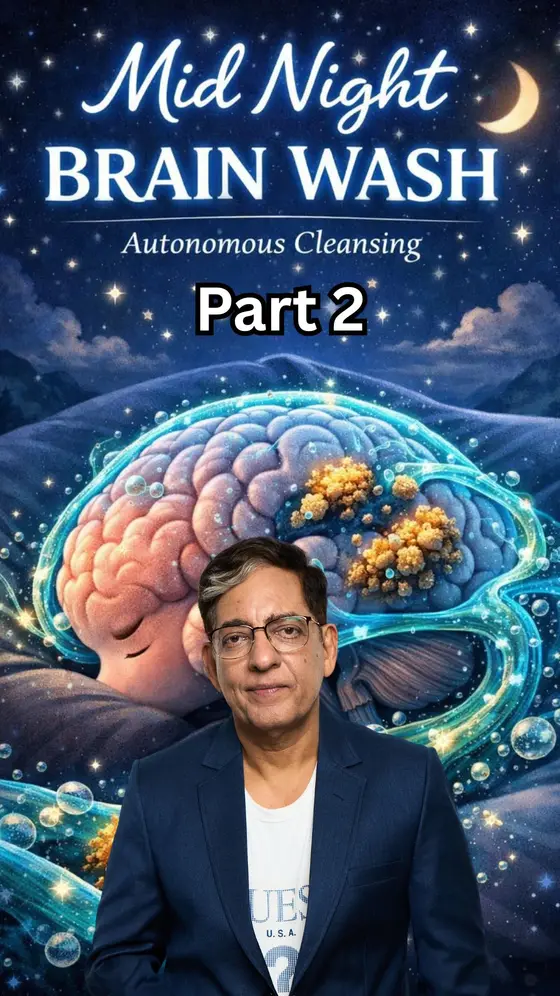
The Midnight Rinse: Is Your Brain Hard-Washing or Just Hanging? 🧠✨ Ever wonder why you feel like a „laggy“ computer after a bad night’s sleep? It’s not just tiredness—it’s metabolic trash. Your brain is a high-octane supercomputer. Despite being only 2% of your body weight, it devours 20% of your total energy. But here’s the catch: high energy use creates high waste. While the rest of your body uses the lymphatic system to take out the trash, your brain was thought to be a closed circuit—until 2012. Enter the Glymphatic System. 🚿 While you drift into deep NREM3 sleep, a biological miracle occurs. Your neurons and glia actually shrink, creating physical space between cells. This allows Cerebrospinal Fluid (CSF) to rush in like a high-pressure hose, flushing out the „mental sludge“ accumulated throughout the day. We’re talking about serious toxins: Amyloid-beta: The protein plaques linked to Alzheimer’s. Tau proteins: The culprits behind neurodegeneration. Lactic acid: That „heavy head“ feeling that kills your focus. If your sleep is too short or fragmented, the „rinse cycle“ gets interrupted. Those toxins don’t just vanish; they simmer, damaging your brain’s hardware over time. You aren’t just „tired“; you’re literally unwashed. 👑 The King’s Tip for Maximum Flow To supercharge this process, sleep on your side. Research suggests that the lateral position optimizes the anatomy of your brain’s „plumbing,“ allowing gravity to assist the glymphatic flow more efficiently than sleeping on your back or stomach. Conclusion: Sleep isn’t a luxury or a period of inactivity; it is a vital maintenance window. If you want a sharp mind tomorrow, you need to let your brain wash tonight. Prioritize your NREM3 sleep—your future self will thank you for the clarity. #BrainHealth #GlymphaticSystem #SleepScience #Biohacking #DeepSleep
Placements and targeting
More ads from Kingdom of health
The Midnight Rinse: Is Your Brain Hard-Washing or Just Hanging? 🧠✨ Ever wonder why you feel like a „laggy“ computer after a bad night’s sleep? It’s not just tiredness—it’s metabolic trash. Your brain is a high-octane supercomputer. Despite being only 2% of your body weight, it devours 20% of your total energy. But here’s the catch: high energy use creates high waste. While the rest of your body uses the lymphatic system to take out the trash, your brain was thought to be a closed circuit—until 2012. Enter the Glymphatic System. 🚿 While you drift into deep NREM3 sleep, a biological miracle occurs. Your neurons and glia actually shrink, creating physical space between cells. This allows Cerebrospinal Fluid (CSF) to rush in like a high-pressure hose, flushing out the „mental sludge“ accumulated throughout the day. We’re talking about serious toxins: Amyloid-beta: The protein plaques linked to Alzheimer’s. Tau proteins: The culprits behind neurodegeneration. Lactic acid: That „heavy head“ feeling that kills your focus. If your sleep is too short or fragmented, the „rinse cycle“ gets interrupted. Those toxins don’t just vanish; they simmer, damaging your brain’s hardware over time. You aren’t just „tired“; you’re literally unwashed. 👑 The King’s Tip for Maximum Flow To supercharge this process, sleep on your side. Research suggests that the lateral position optimizes the anatomy of your brain’s „plumbing,“ allowing gravity to assist the glymphatic flow more efficiently than sleeping on your back or stomach. Conclusion: Sleep isn’t a luxury or a period of inactivity; it is a vital maintenance window. If you want a sharp mind tomorrow, you need to let your brain wash tonight. Prioritize your NREM3 sleep—your future self will thank you for the clarity. #BrainHealth #GlymphaticSystem #SleepScience #Biohacking #DeepSleep
70,000 Strong… in less than 6 months! 🎉🙏 What started as a simple mission has now grown into a vibrant community of 70,000 health-conscious people who believe that prevention is far more powerful than treatment. Thank you for placing your trust in Kingdom of Health. Every follow, every share, every comment, and every conversation has helped spread one message: Health is built every day—long before disease appears. Together, we have challenged decades of myths surrounding nutrition and modern lifestyle. We have explored the science of disease prevention, the intelligent use of vitamins, minerals, and health supplements, the importance of correcting nutritional deficiencies, and the role of lifestyle in achieving a longer, healthier life. We have discussed the truth about healthy fats versus harmful industrial seed oils, the importance of protein, exercise, sleep, gut health, hormones, metabolic health, and blood markers, and why understanding the root cause is far more important than merely suppressing symptoms. Our guiding philosophy remains unchanged: Treat the cause, not the symptom. This is only the beginning. The road ahead is filled with deeper research, evidence-based education, practical health strategies, and empowering content designed to help you extend not just your lifespan, but more importantly, your healthspan. Thank you for being a part of this incredible journey. Together, we are building one of India’s strongest communities dedicated to informed, preventive healthcare. Here’s to the next milestone—and to healthier, happier lives for all. With gratitude, King Founder, Kingdom of Health ❤️
The Great Cholesterol Lie: A Century of Misdirection For over 50 years, we’ve been told a story that isn’t just incomplete—it’s fundamentally flawed. We were taught to fear cholesterol, the very substance every cell in our body needs to function, while the real culprits slipped through the cracks. 📜 The History of a Myth The war on fat began in 1955 after President Eisenhower’s heart attack. His physician, Paul White, pointed the finger at dietary fats. This narrative was cemented in 1958 when Ancel Keys introduced the Diet-Heart Hypothesis. By the time his famous Seven Countries Study was published in 1970, the data had been curated to fit a specific conclusion: fat causes heart disease. The fallout? US health guidelines slashed dietary fat recommendations from 40% to 30%. As fat was removed from our plates, it was replaced by Big Sugar and processed carbohydrates. While Big Pharma reaped the rewards of statin prescriptions, the real drivers of cardiovascular decay—sugar and triglycerides—went largely ignored. 👑 The King’s Guide to the Lipid Profile Stop fearing your total cholesterol number and start looking at the bigger metabolic picture. The 240 Threshold: If your total cholesterol is up to 240 mg/dL, don’t panic. Before reaching for statins, look at your lifestyle. The Real Cleanup: If you are above 240, the solution isn’t just “less fat.” You must aggressively cut refined carbohydrates, added sugars, and inflammatory Omega-6 seed/vegetable oils. Focus on Function: High cholesterol is often a sign of underlying inflammation. Address the inflammation, and the numbers will follow. Conclusion: It’s time to stop blaming a vital nutrient for a crime committed by sugar. Protect your heart by mastering your metabolism, not just suppressing your symptoms. #CholesterolLie #HeartHealth #MetabolicHealth #StatinFree #NutritionTruths
Similar local services ads
𝐂𝐎𝐒𝐀 𝐂’𝐄𝐍𝐓𝐑𝐀 𝐔𝐍 𝐎𝐑𝐄𝐎 𝐂𝐎𝐍 𝐋𝐀 𝐒𝐂𝐄𝐍𝐀 𝐃𝐄𝐋 𝐂𝐑𝐈𝐌𝐈𝐍𝐄? 𝐃𝐚𝐥 𝐌𝐈𝐓 𝐚 𝐋𝐨𝐜𝐚𝐫𝐝, 𝐩𝐚𝐬𝐬𝐚𝐧𝐝𝐨 𝐩𝐞𝐫 𝐥𝐚 𝐜𝐫𝐞𝐦𝐚 𝐝𝐢 𝐮𝐧 𝐛𝐢𝐬𝐜𝐨𝐭𝐭𝐨. 𝑼𝒏𝒂 𝒑𝒊𝒄𝒄𝒐𝒍𝒂 𝒐𝒔𝒔𝒆𝒔𝒔𝒊𝒐𝒏𝒆. 𝑁𝑜𝑛 𝑐𝑟𝑒𝑑𝑜 𝑑𝑖 𝑎𝑣𝑒𝑟 𝑚𝑎𝑖 𝑚𝑎𝑛𝑔𝑖𝑎𝑡𝑜 𝑢𝑛 𝑂𝑟𝑒𝑜 𝑠𝑒𝑛𝑧𝑎 𝑝𝑟𝑖𝑚𝑎 𝑠𝑒𝑝𝑎𝑟𝑎𝑟𝑒 𝑙𝑒 𝑑𝑢𝑒 𝑐𝑖𝑎𝑙𝑑𝑒. 𝐼𝑙 𝑟𝑖𝑡𝑜 𝑒̀ 𝑠𝑒𝑚𝑝𝑟𝑒 𝑠𝑡𝑎𝑡𝑜 𝑝𝑖𝑢̀ 𝑜 𝑚𝑒𝑛𝑜 𝑙𝑜 𝑠𝑡𝑒𝑠𝑠𝑜: 𝑙𝑒 𝑑𝑢𝑒 𝑐𝑖𝑎𝑙𝑑𝑒 𝑡𝑟𝑎 𝑙𝑒 𝑑𝑖𝑡𝑎 𝑑𝑒𝑙𝑙𝑒 𝑚𝑎𝑛𝑖, 𝑝𝑜𝑖 𝑢𝑛𝑎 𝑝𝑖𝑐𝑐𝑜𝑙𝑎 𝑟𝑜𝑡𝑎𝑧𝑖𝑜𝑛𝑒 𝑖𝑛 𝑑𝑖𝑟𝑒𝑧𝑖𝑜𝑛𝑖 𝑜𝑝𝑝𝑜𝑠𝑡𝑒, 𝑙𝑒 𝑑𝑢𝑒 𝑚𝑒𝑡𝑎̀ 𝑐ℎ𝑒 𝑠𝑖 𝑠𝑒𝑝𝑎𝑟𝑎𝑛𝑜 𝑒 𝑙𝑎 𝑠𝑜𝑑𝑑𝑖𝑠𝑓𝑎𝑧𝑖𝑜𝑛𝑒, 𝑑𝑖𝑓𝑓𝑖𝑐𝑖𝑙𝑒 𝑑𝑎 𝑠𝑝𝑖𝑒𝑔𝑎𝑟𝑒 𝑟𝑎𝑧𝑖𝑜𝑛𝑎𝑙𝑚𝑒𝑛𝑡𝑒, 𝑑𝑖 𝑣𝑒𝑑𝑒𝑟𝑒 𝑙𝑎 𝑐𝑟𝑒𝑚𝑎 𝑟𝑖𝑚𝑎𝑠𝑡𝑎 𝑖𝑛𝑡𝑒𝑟𝑎𝑚𝑒𝑛𝑡𝑒 𝑎𝑡𝑡𝑎𝑐𝑐𝑎𝑡𝑎 𝑠𝑜𝑙𝑜 𝑎𝑑 𝑢𝑛𝑎 𝑑𝑒𝑙𝑙𝑒 𝑑𝑢𝑒. 𝑄𝑢𝑎𝑛𝑑𝑜 𝑐𝑎𝑝𝑖𝑡𝑎𝑣𝑎, 𝑝𝑜𝑐ℎ𝑒 𝑣𝑜𝑙𝑡𝑒 𝑝𝑒𝑟 𝑓𝑜𝑟𝑡𝑢𝑛𝑎, 𝑐ℎ𝑒 𝑙𝑎 𝑐𝑟𝑒𝑚𝑎 𝑟𝑒𝑠𝑡𝑎𝑠𝑠𝑒 𝑎𝑝𝑝𝑖𝑐𝑐𝑖𝑐𝑎𝑡𝑎 𝑠𝑢 𝑒𝑛𝑡𝑟𝑎𝑚𝑏𝑒 𝑙𝑒 𝑐𝑖𝑎𝑙𝑑𝑒, 𝑐𝑜𝑛𝑓𝑒𝑠𝑠𝑜 𝑐ℎ𝑒 𝑙𝑎 𝑐𝑜𝑠𝑎 𝑚𝑖 𝑝𝑟𝑜𝑣𝑜𝑐𝑎𝑣𝑎 𝑢𝑛 𝑐𝑒𝑟𝑡𝑜 𝑓𝑎𝑠𝑡𝑖𝑑𝑖𝑜; 𝑞𝑢𝑒𝑠𝑡𝑖𝑜𝑛𝑒 𝑑𝑖 𝑔𝑢𝑠𝑡𝑖 𝑜, 𝑓𝑜𝑟𝑠𝑒, 𝑑𝑖 𝑝𝑖𝑐𝑐𝑜𝑙𝑒 𝑜𝑠𝑠𝑒𝑠𝑠𝑖𝑜𝑛𝑖. Ciò che invece non avrei mai immaginato è che qualcuno potesse considerare questo rito di separazione dolciaria abbastanza interessante da trasformarlo nell'oggetto di una ricerca scientifica e men che meno che quel qualcuno potesse lavorare nientemeno che al MIT Massachusetts Institute of Technology. Qualche giorno fa un post apparso su Facebook ha attirato la nostra attenzione perché raccontava di alcuni ricercatori del MIT che avevano studiato il comportamento della crema degli Oreo durante la separazione delle due cialde; la prima associazione che abbiamo fatto è stata quasi inevitabile: Ig Nobel. Per chi non li conoscesse, sono i celebri riconoscimenti dedicati a ricerche scientifiche capaci, secondo la fortunata formula che li accompagna, di far prima ridere e poi pensare. Lo studio sugli Oreo fatto dai ricercatori del MIT non ha vinto un Ig Nobel, sia chiaro, però possiede certamente quella rara capacità di far sorgere una domanda prima ancora di aver letto una sola riga: possibile che qualcuno abbia studiato davvero questa cosa? Siamo andati a controllare, la risposta è: sì! 𝑸𝒖𝒂𝒕𝒕𝒓𝒐 𝒓𝒊𝒄𝒆𝒓𝒄𝒂𝒕𝒐𝒓𝒊 𝒅𝒆𝒍 𝑴𝑰𝑻 Nel 2022 Crystal E. Owens, Max R. Fan, A. John Hart e Gareth H. McKinley, del Department of Mechanical Engineering del MIT, hanno pubblicato su Physics of Fluids un articolo intitolato “On Oreology, the fracture and flow of “milk’s favorite cookie”. La ricerca è stata pubblicata il 19 aprile 2022 e gli autori hanno persino inventato un nome per la disciplina: Oreology, dall'unione di Oreo e rheology, ossia la reologia, cioè la disciplina che studia il flusso e la deformazione della materia quando viene sottoposta a forze esterne. Dopo aver letto la pubblicazione ci siamo resi conto che la storia era alquanto più complessa perché la domanda dei ricercatori era, in fondo, esattamente quella che mi ero posto tante volte davanti a un biscotto aperto male: “perché la crema è rimasta proprio lì?”. Cosa determina, dunque, il modo in cui un materiale rimane distribuito tra due superfici dopo che queste sono state separate? Questa è una domanda che, tolto l'Oreo dal tavolo e sostituite le cialde con materiali decisamente meno appetitosi, comincia ad avere un suono alquanto familiare per chi si occupa di criminalistica. 𝑼𝒏 𝒃𝒊𝒔𝒄𝒐𝒕𝒕𝒐 𝒅𝒊𝒗𝒆𝒏𝒕𝒂 𝒖𝒏 𝒆𝒔𝒑𝒆𝒓𝒊𝒎𝒆𝒏𝒕𝒐 Per capire come siamo riusciti a passare da un biscotto goloso alla scena di un crimine conviene però rimanere ancora per qualche istante al MIT, dove Owens e i suoi colleghi hanno osservato l'Oreo come un piccolo sistema composto da due superfici solide parallele tra le quali si trova un materiale deformabile. La rotazione delle cialde in direzioni opposte sottopone la crema a una sollecitazione di taglio che la porta a deformarsi, a fluire e, infine, a cedere con un comportamento che rende il biscotto una curiosa versione commestibile di un 𝑠𝑖𝑠𝑡𝑒𝑚𝑎 𝑑𝑖 𝑟𝑒𝑜𝑚𝑒𝑡𝑟𝑖𝑎 𝑎 𝑝𝑖𝑎𝑠𝑡𝑟𝑒 𝑝𝑎𝑟𝑎𝑙𝑙𝑒𝑙𝑒. Proprio il momento del cedimento riserva la sorpresa che più ci interessa perché quando la crema si distacca dall'interfaccia con una delle cialde e rimane quasi interamente aderente all'altra si verifica quello che i ricercatori definiscono 𝑎𝑑ℎ𝑒𝑠𝑖𝑣𝑒 𝑓𝑎𝑖𝑙𝑢𝑟𝑒, mentre quando la rottura attraversa la crema stessa e il ripieno rimane distribuito tra entrambe le superfici delle cialde si parla di 𝑐𝑜ℎ𝑒𝑠𝑖𝑣𝑒 𝑓𝑎𝑖𝑙𝑢𝑟𝑒. Il biscotto che per anni avevo considerato semplicemente “aperto male” aveva dunque un nome scientifico e, soprattutto, raccontava una storia diversa da quello aperto secondo i miei personalissimi canoni di soddisfacimento. 𝑸𝒖𝒆𝒍𝒍𝒐 𝒄𝒉𝒆 𝒓𝒆𝒔𝒕𝒂 La celebre espressione “𝑜𝑔𝑛𝑖 𝑐𝑜𝑛𝑡𝑎𝑡𝑡𝑜 𝑙𝑎𝑠𝑐𝑖𝑎 𝑢𝑛𝑎 𝑡𝑟𝑎
Give your daily essentials a fresh aesthetic. 📓✨ Protect your phone, iPad, and MacBook from campus drops. Mix our trendy prints—hello, bows and gingham! 🎀 https://cst.fyi/KA88E #CASETiFY
Many are exploring effective strategies for maintaining cleanliness in schools. This article covers essential practices and tips for school cleaning work. Discover more.
Give your daily essentials a fresh aesthetic. 📓✨ Protect your phone, iPad, and MacBook from campus drops. Mix our trendy prints—hello, bows and gingham! 🎀 https://cst.fyi/KA88E #CASETiFY
Keep exploring
Find more ads like this
Search millions of real ads by keyword, niche and format, and save the winners to your swipe file.
