Julia's Blog Inactive
Julia's Blog Facebook ad creative
drowzen.com
Read this if heart attacks run in your family ☝️
Learn more

Julia's Blog Facebook and Instagram ad

Julia's Blog ran this carousel ad since Jun 27, 2026, 133 days so far.

First seen
Jun 27, 2026
Running for
133 days
Format
Carousel
Call to action
Learn more
Niche
Health and supplements
Countries
Not disclosed
Page likes
1,669

Ad copy

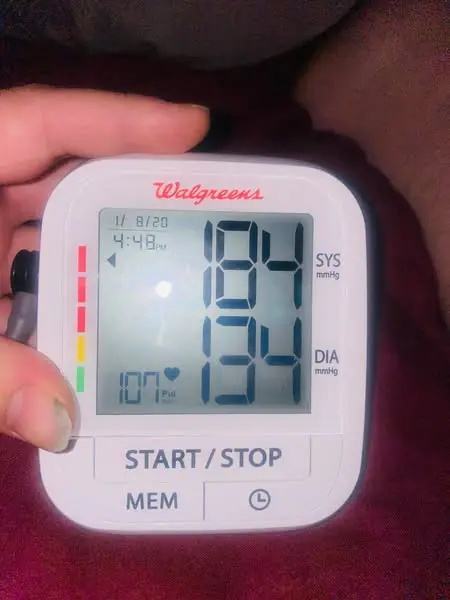
My heart attack nearly killed me four months ago. The same way my mother died at 62. I'm writing this because my cardiologist told me something that could have changed everything. If you have a family history of heart disease and you wake up at night, you need to read this. It's the conversation my mother never got. It's the one I almost didn't either. She died on a Sunday morning in 1997. Making roast chicken. The kind we'd had at her table every week of my childhood. My father found her. He was 64. He never really came back from it. I'm her only daughter. I was 32 when she died. I started counting down to 62 the year I turned 35. For thirty years I thought I was preparing. For ten years I was doing every single thing anyone had ever told me to do. I went on the Mediterranean diet in 2015. Olive oil, fish twice a week, no red meat. Three years. I walked four miles a day. Every morning. Through winter. Through the year my husband had his knee replacement and I went alone. I lost twelve pounds. Slow and steady. I had my LDL down to 102 by the time I was 60. Still high enough that my cardiologist had been pushing a statin for three years. I thought I had it covered. I thought I was the daughter who'd break the family pattern. But it was the 3 AM that I couldn't fix. I'd been waking up between 2 and 4 AM almost every night for fourteen years. Heart racing. Lying there counting beats. Some nights I'd fall back asleep by 4:30. Some nights I'd give up and start coffee at 5. I'd tried everything any article or podcast had suggested. I bought Olly Restful Sleep gummies at Target. $14.99 for a bottle of 50. Strawberry flavor. They worked the first two nights. By the third I was awake at 3:02 AM staring at the ceiling. I switched to Natrol melatonin 5mg from CVS. $9.49. Took it forty minutes before bed every night for two months. Vivid dreams. Still woke at 3. I doubled the dose. Still woke at 3. My sister sent me Calm magnesium powder, the raspberry-lemon one. $21.99 on Amazon. I drank it every night for three weeks. My stomach didn't like it. I switched to Doctor's Best high-absorption magnesium glycinate. $16.99. Better tolerance. No change in my sleep. I tried Nature's Way valerian root capsules. $9.49 at Whole Foods. Bottle still sitting in my pantry. I tried NOW Foods L-theanine 200mg. $14.99 on Amazon. Nothing. I bought a passionflower and lemon balm tincture at a local wellness shop. $38 for a small bottle. The clerk swore by it for sleep. I tried it for two weeks. I downloaded Calm. I downloaded Headspace. I paid for the annual subscriptions on both. I bought a $79 Hatch Restore on Amazon. The sunrise lamp with the white noise. By my count I'd spent close to four hundred dollars on sleep products over three years. My 3 AM wake-ups got worse, not better. I'd track my sleep on a Fitbit. My deep sleep was averaging under 28 minutes a night. The threshold for what most sleep researchers consider restorative is closer to 90. I felt guilty about it. Every article I read about sleep blamed the user. You're on your phone too late. You drink too much wine. You don't exercise enough. You don't have a bedtime routine. I had a bedtime routine. I read for forty minutes every night on a Kindle in warm-tint mode. I drank Yogi Bedtime tea. I went to bed at the same time. I exercised at the same hour daily. And I still woke up at 3 AM. With my heart racing. So I gave up on sleep. Quietly. I didn't tell my husband. I just decided this was how my body worked now. I figured I had bad sleep genes the way I had bad heart genes. Both came from my mother. Both were going to take me out the same way they took her out. I just didn't think it would happen yet. It happened on a Tuesday morning in February. I was 62. My birthday was eleven days behind me. I woke up at 4:43 AM. The exact same pattern. Heart racing. Lying there counting beats. Except this time the pain came too. A pressure in my chest like someone had set a bag of sand on it. My left jaw started to ache. Then my left arm. I woke my husband up. He drove me to the emergency room. We don't live in the city. The drive took eighteen minutes. I remember every one of them. The ER doctor said I'd had a STEMI. A major heart attack. They got me into the cath lab inside an hour. I had one stent placed in my left anterior descending artery. The interventional cardiologist told my husband afterward that women who present with chest pain at 4 AM have the worst outcomes. The combination of widow-maker location and time-of-day. Most don't survive. I survived because we lived eighteen minutes from a hospital with a cath lab. And because my husband didn't waste any time. I was discharged five days later. The follow-up appointment with my regular cardiologist was the second week of recovery. I sat in his office. He had my records open. He'd seen me for three years before this. He'd been pushing the statin. He didn't say I told you so. He said something else. "How do you sleep?" I told him the truth. Badly. I'd been waking up at 2 or 3 AM almost every night for the last fourteen years. He put his pen down. "Most heart attacks in women happen between 4 and 8 in the morning. Did you know that?" I didn't. "It's not random. There's a circadian pattern. And the women I see who have a 4 AM event almost always have a history of fragmented sleep." I asked him to explain. "During deep slow-wave sleep, three protective things happen at once. Your blood pressure drops 10 to 20 percent. Your heart rate variability resets to its parasympathetic baseline. Your magnesium-dependent cardiac electrical stability is restored. When you don't reach deep sleep, none of that happens. Your heart spends the night under load. Years of that, plus the magnesium depletion that happens with age and stress and statins, and you get a 4 AM event." He paused. "Your mother probably wasn't dying from her cholesterol that Sunday morning. She was probably dying from twenty years of nights her heart never got to reset. And you were hours away from dying the same way she did." I sat there. I couldn't speak. Because I'd been doing the exact same thing she had. For fourteen years. He continued. "There's a study in the Journal of the American Heart Association. Plasma magnesium inversely associated with sudden cardiac death in women." Sudden cardiac death. That's exactly how my mother died. "And the Nurses' Health Study followed seventy thousand women for two decades. Sleep five hours or less and you have a 25 percent higher risk of coronary heart disease." He looked at his notes again. "You've been waking at 3 AM for fourteen years. Your mother probably had the same pattern. Did she ever talk about her sleep?" I told him she had. For at least twenty years before she died. Every Sunday phone call she'd mention it. "I wake up at 2 or 3. Heart pounding. Can't get back." "And your grandmother. Did she sleep well?" Always up at 4 AM, my grandmother used to say. Always exhausted by mid-afternoon. "Three generations of women in your family with the same sleep pattern. Three generations of cardiovascular disease. That's not a coincidence." He turned the page on his notepad. "Genetics is real. But it accounts for maybe forty to sixty percent of cardiovascular risk. The rest is behavioral. And the most underrated behavior is sleep architecture." I asked him why none of the things I'd tried had worked. I told him about the Olly gummies. The Natrol. The Calm powder. The Doctor's Best glycinate. All of it. That's when he told me about the liver. "Your liver destroys 70 to 80 percent of anything you swallow before it reaches your bloodstream." He drew it on a notepad. "If you take 10mg of melatonin, you get maybe 2mg into circulation. And that 2mg spikes in your bloodstream within thirty minutes, then crashes. By 2 AM, it's gone." He flipped the page. "Same with oral magnesium. Your gut absorbs maybe 30 percent. The rest gives you loose stools at any dose that would actually saturate your cells. So you take a sub-therapeutic dose for years and your magnesium reserves stay depleted." I felt something shift in my chest. "Pills physically cannot support 8 hours of cardiovascular reset. Your body destroys them too fast. By 3 AM, when your heart needs the magnesium and the reset signal, there's nothing left in your system." That was the reason I'd been failing. For three years. For four hundred dollars. For fourteen years of 3 AM. It wasn't me. It wasn't my brain. It wasn't bad sleep genes. It was the delivery system. My liver was breaking down every supplement I swallowed before it could give my heart what it needed at night. I asked him: "So what do I do?" He said: "You need something that bypasses your liver. Through the skin. The patches release for 8 hours straight. They keep the magnesium and the melatonin signals active across the entire reset window." I asked him what brand. "There's only one I've seen that's actually formulated correctly for transdermal delivery. Most patches use molecules too big to absorb through the skin. They don't work. The brand I've watched my patients have success with is Drowzen." He told me he was putting me on a statin now too. Standard post-event protocol. He said the statin would handle the lipid load. But the statin alone wouldn't fix what got me into the cath lab in the first place. That part was the night. That part was the patches. I ordered Drowzen the same afternoon I left his office. Not because I was tired. Because I'd survived something I shouldn't have. And I wasn't going to give my heart another fourteen years to finish the job. First night home with patches on. I put one on my shoulder at 9 PM. Got into bed at 10:30. I expected to wake at 2 AM. I didn't. I slept until 6:14 in the morning. Second night. Same. Third night. Same. After two weeks I bought a Withings home blood pressure cuff. Started measuring at 7 AM every morning. My readings in the hospital had been running 142 over 88. By the third week of patches they were 124 to 128 over 76 to 80. After a month my resting heart rate had dropped from 78 to 68. After three months my 4 AM blood pressure readings, which I'd started tracking because I knew that was the window that nearly killed me, were averaging 120 over 74. My Fitbit deep sleep readings had gone from under 28 minutes to consistently over 75. Some nights over 90. My morning heart rate when I first sat up in bed had been running 82 to 88 in the hospital and the first weeks home. By month three it was 64 to 68. The hot flashes I'd been getting at 3 AM for fifteen years had stopped. I didn't notice for the first month. Then one morning I realized I hadn't woken up sweating in weeks. I went back to my cardiologist at the four month mark. He looked at my BP log. He looked at my recovery markers. He looked at me. "Whatever you're doing, keep doing it." The same ingredients I'd been swallowing in pills for three years. Melatonin. Magnesium. Valerian root. Hops. The same molecules I'd already paid four hundred dollars for. But now they're actually arriving where they need to go. Because they bypass my liver. Because they release steadily for 8 hours instead of spiking and crashing in two. Every night I sleep is a night my heart gets its reset. A night the blood pressure drops the way it's supposed to. A night the electrical stability holds. A night the artery they stented gets a break from the load it lives under during the day. My mother had sleep problems for twenty years before she died. I caught mine after fourteen. The difference between us is six years of damage I won't be adding to my heart from here on. She never had a chance. Nobody told her about the morning peak. Nobody told her about the reset window. Nobody told her about transdermal delivery. The science existed. The conversation didn't. I got the conversation. I'm still here. That's the only difference between us. If you've watched a parent die of a heart attack and you're approaching their age, you're not paranoid for being scared. You're paying attention. You should be. But the answer isn't just another prescription your mother was probably also on. You need something that wasn't in the cardiology playbook in 1996. Something that addresses the night, not just the cholesterol. You need something that bypasses your liver and your gut. That delivers steadily across the reset window. That gives your heart what it needs to do its overnight maintenance. That's transdermal patches. Drowzen specifically. The only brand I've found with a molecular profile actually formulated for skin absorption. I use them every night. Not as a sleep aid. As heart protection. Because I already had the heart attack. I survived. I'm not betting on a second one. You don't have to wait for the morning your husband drives you to the ER. Fix your sleep. Protect your heart. While there's still time. P.S. The brand I use is Drowzen. Four months since my heart attack. My morning blood pressure is the lowest it's been in twenty years. My resting heart rate has dropped fourteen points. My 4 AM readings are clean. I use them every night. Not as a sleep aid. As heart protection. 👉 https://drowzen.com/products/sleep-recovery-patches

Placements and targeting

FacebookInstagramAudience NetworkMessengerThreads

More ads from Julia's Blog

Full Julia's Blog profile
Julia's Blog
Julia's Blog
+1
Inactive1 day
drowzen.com
Read this if heart attacks run in your family ☝️
Learn more

My heart attack nearly killed me four months ago. The same way my mother died at 62. I'm writing this because my cardiologist told me something that could have changed everything. If you have a family history of heart disease and you wake up at night, you need to read this. It's the conversation my mother never got. It's the one I almost didn't either. She died on a Sunday morning in 1997. Making roast chicken. The kind we'd had at her table every week of my childhood. My father found her. He was 64. He never really came back from it. I'm her only daughter. I was 32 when she died. I started counting down to 62 the year I turned 35. For thirty years I thought I was preparing. For ten years I was doing every single thing anyone had ever told me to do. I went on the Mediterranean diet in 2015. Olive oil, fish twice a week, no red meat. Three years. I walked four miles a day. Every morning. Through winter. Through the year my husband had his knee replacement and I went alone. I lost twelve pounds. Slow and steady. I had my LDL down to 102 by the time I was 60. Still high enough that my cardiologist had been pushing a statin for three years. I thought I had it covered. I thought I was the daughter who'd break the family pattern. But it was the 3 AM that I couldn't fix. I'd been waking up between 2 and 4 AM almost every night for fourteen years. Heart racing. Lying there counting beats. Some nights I'd fall back asleep by 4:30. Some nights I'd give up and start coffee at 5. I'd tried everything any article or podcast had suggested. I bought Olly Restful Sleep gummies at Target. $14.99 for a bottle of 50. Strawberry flavor. They worked the first two nights. By the third I was awake at 3:02 AM staring at the ceiling. I switched to Natrol melatonin 5mg from CVS. $9.49. Took it forty minutes before bed every night for two months. Vivid dreams. Still woke at 3. I doubled the dose. Still woke at 3. My sister sent me Calm magnesium powder, the raspberry-lemon one. $21.99 on Amazon. I drank it every night for three weeks. My stomach didn't like it. I switched to Doctor's Best high-absorption magnesium glycinate. $16.99. Better tolerance. No change in my sleep. I tried Nature's Way valerian root capsules. $9.49 at Whole Foods. Bottle still sitting in my pantry. I tried NOW Foods L-theanine 200mg. $14.99 on Amazon. Nothing. I bought a passionflower and lemon balm tincture at a local wellness shop. $38 for a small bottle. The clerk swore by it for sleep. I tried it for two weeks. I downloaded Calm. I downloaded Headspace. I paid for the annual subscriptions on both. I bought a $79 Hatch Restore on Amazon. The sunrise lamp with the white noise. By my count I'd spent close to four hundred dollars on sleep products over three years. My 3 AM wake-ups got worse, not better. I'd track my sleep on a Fitbit. My deep sleep was averaging under 28 minutes a night. The threshold for what most sleep researchers consider restorative is closer to 90. I felt guilty about it. Every article I read about sleep blamed the user. You're on your phone too late. You drink too much wine. You don't exercise enough. You don't have a bedtime routine. I had a bedtime routine. I read for forty minutes every night on a Kindle in warm-tint mode. I drank Yogi Bedtime tea. I went to bed at the same time. I exercised at the same hour daily. And I still woke up at 3 AM. With my heart racing. So I gave up on sleep. Quietly. I didn't tell my husband. I just decided this was how my body worked now. I figured I had bad sleep genes the way I had bad heart genes. Both came from my mother. Both were going to take me out the same way they took her out. I just didn't think it would happen yet. It happened on a Tuesday morning in February. I was 62. My birthday was eleven days behind me. I woke up at 4:43 AM. The exact same pattern. Heart racing. Lying there counting beats. Except this time the pain came too. A pressure in my chest like someone had set a bag of sand on it. My left jaw started to ache. Then my left arm. I woke my husband up. He drove me to the emergency room. We don't live in the city. The drive took eighteen minutes. I remember every one of them. The ER doctor said I'd had a STEMI. A major heart attack. They got me into the cath lab inside an hour. I had one stent placed in my left anterior descending artery. The interventional cardiologist told my husband afterward that women who present with chest pain at 4 AM have the worst outcomes. The combination of widow-maker location and time-of-day. Most don't survive. I survived because we lived eighteen minutes from a hospital with a cath lab. And because my husband didn't waste any time. I was discharged five days later. The follow-up appointment with my regular cardiologist was the second week of recovery. I sat in his office. He had my records open. He'd seen me for three years before this. He'd been pushing the statin. He didn't say I told you so. He said something else. "How do you sleep?" I told him the truth. Badly. I'd been waking up at 2 or 3 AM almost every night for the last fourteen years. He put his pen down. "Most heart attacks in women happen between 4 and 8 in the morning. Did you know that?" I didn't. "It's not random. There's a circadian pattern. And the women I see who have a 4 AM event almost always have a history of fragmented sleep." I asked him to explain. "During deep slow-wave sleep, three protective things happen at once. Your blood pressure drops 10 to 20 percent. Your heart rate variability resets to its parasympathetic baseline. Your magnesium-dependent cardiac electrical stability is restored. When you don't reach deep sleep, none of that happens. Your heart spends the night under load. Years of that, plus the magnesium depletion that happens with age and stress and statins, and you get a 4 AM event." He paused. "Your mother probably wasn't dying from her cholesterol that Sunday morning. She was probably dying from twenty years of nights her heart never got to reset. And you were hours away from dying the same way she did." I sat there. I couldn't speak. Because I'd been doing the exact same thing she had. For fourteen years. He continued. "There's a study in the Journal of the American Heart Association. Plasma magnesium inversely associated with sudden cardiac death in women." Sudden cardiac death. That's exactly how my mother died. "And the Nurses' Health Study followed seventy thousand women for two decades. Sleep five hours or less and you have a 25 percent higher risk of coronary heart disease." He looked at his notes again. "You've been waking at 3 AM for fourteen years. Your mother probably had the same pattern. Did she ever talk about her sleep?" I told him she had. For at least twenty years before she died. Every Sunday phone call she'd mention it. "I wake up at 2 or 3. Heart pounding. Can't get back." "And your grandmother. Did she sleep well?" Always up at 4 AM, my grandmother used to say. Always exhausted by mid-afternoon. "Three generations of women in your family with the same sleep pattern. Three generations of cardiovascular disease. That's not a coincidence." He turned the page on his notepad. "Genetics is real. But it accounts for maybe forty to sixty percent of cardiovascular risk. The rest is behavioral. And the most underrated behavior is sleep architecture." I asked him why none of the things I'd tried had worked. I told him about the Olly gummies. The Natrol. The Calm powder. The Doctor's Best glycinate. All of it. That's when he told me about the liver. "Your liver destroys 70 to 80 percent of anything you swallow before it reaches your bloodstream." He drew it on a notepad. "If you take 10mg of melatonin, you get maybe 2mg into circulation. And that 2mg spikes in your bloodstream within thirty minutes, then crashes. By 2 AM, it's gone." He flipped the page. "Same with oral magnesium. Your gut absorbs maybe 30 percent. The rest gives you loose stools at any dose that would actually saturate your cells. So you take a sub-therapeutic dose for years and your magnesium reserves stay depleted." I felt something shift in my chest. "Pills physically cannot support 8 hours of cardiovascular reset. Your body destroys them too fast. By 3 AM, when your heart needs the magnesium and the reset signal, there's nothing left in your system." That was the reason I'd been failing. For three years. For four hundred dollars. For fourteen years of 3 AM. It wasn't me. It wasn't my brain. It wasn't bad sleep genes. It was the delivery system. My liver was breaking down every supplement I swallowed before it could give my heart what it needed at night. I asked him: "So what do I do?" He said: "You need something that bypasses your liver. Through the skin. The patches release for 8 hours straight. They keep the magnesium and the melatonin signals active across the entire reset window." I asked him what brand. "There's only one I've seen that's actually formulated correctly for transdermal delivery. Most patches use molecules too big to absorb through the skin. They don't work. The brand I've watched my patients have success with is Drowzen." He told me he was putting me on a statin now too. Standard post-event protocol. He said the statin would handle the lipid load. But the statin alone wouldn't fix what got me into the cath lab in the first place. That part was the night. That part was the patches. I ordered Drowzen the same afternoon I left his office. Not because I was tired. Because I'd survived something I shouldn't have. And I wasn't going to give my heart another fourteen years to finish the job. First night home with patches on. I put one on my shoulder at 9 PM. Got into bed at 10:30. I expected to wake at 2 AM. I didn't. I slept until 6:14 in the morning. Second night. Same. Third night. Same. After two weeks I bought a Withings home blood pressure cuff. Started measuring at 7 AM every morning. My readings in the hospital had been running 142 over 88. By the third week of patches they were 124 to 128 over 76 to 80. After a month my resting heart rate had dropped from 78 to 68. After three months my 4 AM blood pressure readings, which I'd started tracking because I knew that was the window that nearly killed me, were averaging 120 over 74. My Fitbit deep sleep readings had gone from under 28 minutes to consistently over 75. Some nights over 90. My morning heart rate when I first sat up in bed had been running 82 to 88 in the hospital and the first weeks home. By month three it was 64 to 68. The hot flashes I'd been getting at 3 AM for fifteen years had stopped. I didn't notice for the first month. Then one morning I realized I hadn't woken up sweating in weeks. I went back to my cardiologist at the four month mark. He looked at my BP log. He looked at my recovery markers. He looked at me. "Whatever you're doing, keep doing it." The same ingredients I'd been swallowing in pills for three years. Melatonin. Magnesium. Valerian root. Hops. The same molecules I'd already paid four hundred dollars for. But now they're actually arriving where they need to go. Because they bypass my liver. Because they release steadily for 8 hours instead of spiking and crashing in two. Every night I sleep is a night my heart gets its reset. A night the blood pressure drops the way it's supposed to. A night the electrical stability holds. A night the artery they stented gets a break from the load it lives under during the day. My mother had sleep problems for twenty years before she died. I caught mine after fourteen. The difference between us is six years of damage I won't be adding to my heart from here on. She never had a chance. Nobody told her about the morning peak. Nobody told her about the reset window. Nobody told her about transdermal delivery. The science existed. The conversation didn't. I got the conversation. I'm still here. That's the only difference between us. If you've watched a parent die of a heart attack and you're approaching their age, you're not paranoid for being scared. You're paying attention. You should be. But the answer isn't just another prescription your mother was probably also on. You need something that wasn't in the cardiology playbook in 1996. Something that addresses the night, not just the cholesterol. You need something that bypasses your liver and your gut. That delivers steadily across the reset window. That gives your heart what it needs to do its overnight maintenance. That's transdermal patches. Drowzen specifically. The only brand I've found with a molecular profile actually formulated for skin absorption. I use them every night. Not as a sleep aid. As heart protection. Because I already had the heart attack. I survived. I'm not betting on a second one. You don't have to wait for the morning your husband drives you to the ER. Fix your sleep. Protect your heart. While there's still time. P.S. The brand I use is Drowzen. Four months since my heart attack. My morning blood pressure is the lowest it's been in twenty years. My resting heart rate has dropped fourteen points. My 4 AM readings are clean. I use them every night. Not as a sleep aid. As heart protection. 👉 https://drowzen.com/products/sleep-recovery-patches

Julia's Blog
Julia's Blog
+1
Inactive133 days
sleephealthreviews.com
Everyone with diabetes in their family needs to see this ☝️
Learn more

My mother had diabetes. She died of a heart attack seven months ago. She was 76. I just got diagnosed. I'm 64. Same diabetes. Same prescription waiting on my kitchen counter. Same doctor's printout that sat on my mother's counter for twenty-two years. After her funeral... I went looking for what killed her. Because it wasn't the heart attack on her death certificate. What I found is the reason I'm still here. And the reason I'm writing this. ======== Her name was Carol. She raised four kids on a teacher's salary. Played the church organ for 40 years. Made the best peach cobbler in three counties. She was the steady one. The one everyone called when something fell apart. She was 76 years old. She should still be here. ======== Mom got diagnosed with Type 2 diabetes at 54. Doctor handed her a printout. Cut white bread and sugar. Lose fifteen pounds. Walk after dinner. Take the medication twice a day. Get her A1C checked every six months. She did every bit of it. She cut out the sodas. The pasta she'd eaten every Sunday for thirty years. The cookies after lunch she always brought to her grandkids. She walked every evening, around the block, even in winter. Her A1C came down. Her doctor was satisfied. But she kept saying she didn't feel right. The tiredness she blamed on her age. The tingling in her feet at night she blamed on her shoes. The weight she couldn't lose she blamed on the diabetes itself. The 3 AM wakings she started having around 60 she blamed on getting older. Her doctor told her to "try magnesium." She tried it. Worked for a week. Stopped. Mom used to call me on her way home from those appointments. Frustrated. Saying her numbers looked "stable" but she felt like she was a decade older than she was. I told her the same thing every time. "If your doctor says it's manageable, it's manageable." I wish I could take those words back. At 70 her doctor added a second pill. At 73, a third. At 74, her left foot got an ulcer. The day the podiatrist told her they were considering amputation, I drove three hours to her house. She was sitting at the kitchen table staring at the foot like it had betrayed her. She wouldn't take her sock off in front of me. She had spent her whole life taking care of everyone else and she could not let her daughter see what was happening to her body. They saved the foot. She walked with a brace for the last two years of her life. At 75, she lost the vision in her right eye. She had played the church organ for forty years. The day she stopped playing — six months after the diagnosis, when she finally couldn't track the music — she called me from her kitchen and said one sentence: "I put the books in a box today." Then she hung up. She didn't cry. I did. At 76, her kidneys failed. She died on a dialysis chair three days before Easter. My sister was holding her hand. I was on a plane. The hospice doctor met us in the family room afterward. Tired eyes. Soft voice. Said something I'll never forget. "This is what we see with long-term diabetes. Some women just take this path. There's not much that could have been done." He said it the way you'd talk about the weather. Like my mother dying at 76 was just... what happens. There was a half-finished crossword on her kitchen table. She did one every morning with her coffee. There were her organ practice books, open to the hymn she was learning. She'd called me three days earlier asking for our grandmother's pie recipe. Her newest great-grandchild was due in May. She'd already knit the blanket. None of those things are happening now. ======== Two weeks after Mom's funeral, I went to my own annual physical. The nurse drew my blood. My A1C came back at 6.6. My doctor walked in with the printout in her hand. "Julia, your A1C is up to 6.6. You're diabetic now. We're going to start you on medication. Cut back on white bread and sugar. Try to lose 10 pounds. Walk thirty minutes a day." I knew that printout. I'd seen it on my mother's kitchen counter for twenty-two years. I knew exactly where it led. She handed me the prescription. "This happens to a lot of women your age." A lot of women my age. Like my mother. I sat in my car in the parking lot afterward and couldn't turn the key. I'm 64. Same diagnosis Mom got at 54. Same printout. Same medication she handed my mother. Same "manageable." Same waking at 3 AM that Mom complained about for the last twenty years of her life. Just like she did. I sat in that parking lot and I pictured it. My granddaughter Emma is 4. She just learned to say "Grandma" correctly last month — for two years it was "Gamma." I pictured her at 14, in some hospital hallway, asking my daughter where I was. I pictured my daughter telling her I was in a care facility and didn't know who she was anymore. I pictured Emma's first Christmas where my chair was empty. I pictured my husband eating dinner alone at our kitchen table. I sat in that parking lot until I couldn't see the steering wheel through the tears. I knew, sitting in that car, that if I did nothing, I was going to leave them the exact same way my mother left us. I drove home. Didn't fill the prescription. I was going to find out what actually killed my mother. ======== That night I couldn't sleep. I went downstairs at 1 AM and opened my laptop. I wasn't searching for diabetes diets. I wasn't searching for blood sugar tips. I was searching for what kills women whose diabetes is "managed." What I found stopped me cold. A landmark study from PNAS. Three nights of suppressed deep sleep — three nights — produced insulin resistance in healthy adults equivalent to gaining twenty to thirty pounds. Three nights. Not three years. Not three decades. Three nights. I had been waking up at 3 AM for years. My mother had been doing the same thing for thirty years before she died. Nobody had ever told her. Nobody had ever told me. I kept digging. I found a Reddit thread with over 4,000 comments. The title: "Why your A1C climbs no matter what you do." I almost scrolled past. Something made me click. Person after person. Women in their 60s and 70s. Same A1C climbing pattern despite the medication. Same 3 AM wakings. Same doctor's printout. Same slow descent toward more pills, more restrictions, more medication. And someone in the comments kept getting referenced. A sleep researcher who'd been studying deep sleep and metabolism for thirty years. She wasn't on TV. She wasn't selling anything. She ran a research group out of California. The thread linked to a community where she answered questions. I looked at the clock. 2:39 AM. I joined the group at 3:12 AM. ======== The sleep researcher was online. I sat reading her answers for an hour before I got up the courage to ask my own. I told her about my mother. Twenty-two years of compliance ending in dialysis. The amputation that almost happened. The kidneys. About my own diagnosis two weeks before. About the years of waking at 3 AM. She wrote back at 4:18 AM. "There are two things happening in a diabetic body. The medication addresses one of them. The other one — the one nobody talks about — is what kills you." I'd never heard anyone say that. "Your daytime blood sugar — what your meter shows, what the medication is working on — that's the alarm. But your body's insulin sensitivity has to reset overnight. That reset happens during a specific phase of sleep called slow-wave sleep. Deep sleep. If your body doesn't reach that phase, the reset never happens. Your pancreas runs full speed all night. Every morning your body is more insulin-resistant than the morning before." She paused. "Your mother lived with this for thirty years. Every night her body undid what the medication was doing all day. Her A1C climbed because the pill could not reach the half that was actually breaking. The medication was never going to save her. It never could." I sat at my kitchen table at 4 in the morning with tears running down my face. "And here is what no doctor mentions," she wrote. "The body's insulin sensitivity reset requires specific minerals available in the bloodstream during specific hours of the night. Magnesium plays a documented role in insulin sensitivity. But it has to be in your blood at 2 AM and 4 AM and 6 AM. Not in your stomach at 9 PM." She continued. "Most magnesium supplements never reach the bloodstream at those hours. Your liver destroys 70 to 80 percent of any oral magnesium before it ever gets there. By hour 2 of sleep, what little got through is gone. That is why every supplement your mother tried failed her past 3 AM." ======== I asked her what worked. She told me what doesn't first. Oral sleep aids. Any of them. Pills physically cannot deliver 8 hours of support because the liver destroys them too quickly. Even prescription sleep aids burn off by 2 or 3 AM. What works, she said, is bypassing the liver entirely. Through the skin. Transdermal delivery. When something absorbs through the skin, it goes directly into the bloodstream without first-pass metabolism. 100 percent of what's in the patch. And it can be formulated to release slowly over 8 hours. Steady delivery through the hours when the body is supposed to do its insulin sensitivity reset. But she warned me. Most sleep patches don't work either. The molecules are too big to absorb through skin. The companies don't publish independent absorption testing. The labels say "transdermal" but the actual delivery is closer to nothing. Their patients try them and assume patches don't work — when really, the patches they tried weren't formulated properly. She said one brand was different. Properly sized molecules. Verified 8-hour delivery. Independent third-party absorption testing published on the website. The magnesium component is the malate form, which absorbs well through skin and supports the inflammation pathway directly. She wrote the name on the message. Drowzen. ======== I ordered it that night. Bottle arrived three days later. I took the first patch off the foil at 9:30 PM. Stuck it on my shoulder. Got into bed. ======== Night one. I woke up. Looked at the clock. 6:14 AM. I hadn't slept past 4 AM in 4 years. I lay there for ten minutes thinking I must be wrong. That I'd missed a wake-up I'd silenced and forgotten. I checked my phone. Nothing. I'd slept through. For the first time in 4 years. That's when I started crying. Because the 3 AM waking was the symptom my mother had complained about for the last twenty years of her life. The symptom her doctor had told her to "try magnesium" for. The one that nobody connected to anything. And it was gone in one night. Week one — 7 to 8 hours every single night. Week two — my morning fasting glucose was down. From 118 to 102. Week six — A1C check at my doctor's office. 6.2. Down from 6.6. Month four — 5.7. My doctor said: "Julia. What did you change?" I told her everything. The community. The sleep researcher. The patches. She wrote it down. "I don't usually recommend supplements. But if you keep producing these numbers, we're not adding a second medication. And we are not adding anything stronger." Month seven — A1C 5.5. I'm no longer diabetic by definition. After my A1C climbed into the prediabetic range two years ago, my blood sugar is back in the normal range for the first time in five years. Just one patch every night. ======== I drove home from that last appointment thinking about my mother. Twenty-two years of compliance. Twenty-two years of cutting things out of her diet. Twenty-two years of trusting her doctor when she said the numbers were manageable. And nobody — not one person in those twenty-two years — ever told her about the half her medication couldn't reach. She did everything she was told. She still ended up on dialysis. That was eleven months ago. I get my normal blood sugar back. My mother doesn't get hers. There is no version of this story where I get to fully celebrate. Every morning I wake up rested is a morning my mother never had. Every A1C number is one she would have killed to see. The worst part — the part that keeps me up some nights — is that she could have had this. If anyone had told her about the overnight reset. If anyone had told her her medication couldn't reach it. If she'd had a patch like this. She'd be here. ======== So I'm writing this. Not because I want to sell you anything. Because if you're reading this, you're sitting where my mother sat. Type 2 diabetes or prediabetes. A1C just came back at 6.5 or higher. On my medication or about to be. Doctor said "this happens to a lot of women your age." Waking up at 3 AM for years and you've been told to "try magnesium" or "try melatonin." You have every single one of her qualifiers. And nobody is checking the one thing that actually matters. Your body cannot reset its insulin sensitivity overnight without slow-wave sleep. Your medication can't fix that. Your diet can't fix that. Your daily walk can't fix that. None of them touch the half that breaks at 3 AM every night and undoes everything they're working on all day. Please. Don't be my mother. I watched her lose her foot. I watched her go blind in her right eye. I watched her on the dialysis chair three times a week for eighteen months. I watched her forget my children's names in her last six months. None of that needed to happen. None of it. Your grandchildren want to know you. Your husband wants you at the kitchen table. Your kids want you at Christmas. Don't make them watch what I watched. ======== This is what I found. 👉 Drowzen Sleep Patches: https://drowzen.com/products/sleep-recovery-patches Properly formulated 8-hour transdermal delivery. Magnesium malate, melatonin, valerian root, and hops in molecule sizes verified for skin absorption. Independent third-party tested in the USA. No fillers. One patch every night. Stick on at bedtime. Remove in the morning. The only one I've found that actually delivers through the hours that matter for insulin sensitivity reset. 90-day money-back guarantee. Full refund, no questions. Over half a million boxes sold. ======== Real reviews from women like me: "My A1C went from 7.2 to 5.9 in five months. My endocrinologist cancelled the prescription she'd just written." "I'd been waking at 3 AM for eight years. First Drowzen night I slept seven hours straight. My morning fasting glucose was down within a week." "I started this after my own mother died of diabetes complications. Four months in. Lowest A1C in fifteen years. I'm going to be there for my grandkids." "My doctor saw my numbers drop and asked what I changed. I told her. She wrote the brand name down." "I have been a Type 2 diabetic for 12 years. Six months on Drowzen. A1C from 6.8 to 5.8. My energy is back. I feel like I have my life back." ======== I tried ordering another box last month. Backordered for two weeks. If it's in stock when you click, don't wait. ======== P.S. Last weekend I was at my parents' house helping my dad clean out my mother's nightstand. In her bedside drawer, behind a stack of unfinished crosswords, I found four half-empty bottles of magnesium and melatonin. Different doses. Different brands. Each one started. Each one abandoned. Some of them had her handwriting on the labels — the date she'd started taking them, the date she'd given up. She had been trying. For thirty years. Looking for something. Same as the rest of us. She just never made it to the right one in time. I sat on the edge of her bed and held those bottles for a long time. My dad stood in the doorway watching me. After a while he came and sat next to me and we both just looked at her side of the room. Her organ books were still on the dresser where she'd left them. Her reading glasses were folded on top of a book she'd never finished. If anyone had told her about her overnight insulin sensitivity. If anyone had told her her medication couldn't reach it. If she'd had this. She'd be at Christmas this year. She'd be holding the baby my niece is having in May. She'd be hearing Emma say "Grandma" the way she always meant to. Your family wants you at Christmas. They want you holding their babies. They want to hear you say their names. They cannot do any of that if you become what my mother became. 👉 https://drowzen.com/products/sleep-recovery-patches

Julia's Blog
Julia's Blog
+1
Inactive133 days
drowzen.com
Read this if heart attacks run in your family ☝️
Learn more

My heart attack nearly killed me four months ago. The same way my mother died at 62. I'm writing this because my cardiologist told me something that could have changed everything. If you have a family history of heart disease and you wake up at night, you need to read this. It's the conversation my mother never got. It's the one I almost didn't either. She died on a Sunday morning in 1997. Making roast chicken. The kind we'd had at her table every week of my childhood. My father found her. He was 64. He never really came back from it. I'm her only daughter. I was 32 when she died. I started counting down to 62 the year I turned 35. For thirty years I thought I was preparing. For ten years I was doing every single thing anyone had ever told me to do. I went on the Mediterranean diet in 2015. Olive oil, fish twice a week, no red meat. Three years. I walked four miles a day. Every morning. Through winter. Through the year my husband had his knee replacement and I went alone. I lost twelve pounds. Slow and steady. I had my LDL down to 102 by the time I was 60. Still high enough that my cardiologist had been pushing a statin for three years. I thought I had it covered. I thought I was the daughter who'd break the family pattern. But it was the 3 AM that I couldn't fix. I'd been waking up between 2 and 4 AM almost every night for fourteen years. Heart racing. Lying there counting beats. Some nights I'd fall back asleep by 4:30. Some nights I'd give up and start coffee at 5. I'd tried everything any article or podcast had suggested. I bought Olly Restful Sleep gummies at Target. $14.99 for a bottle of 50. Strawberry flavor. They worked the first two nights. By the third I was awake at 3:02 AM staring at the ceiling. I switched to Natrol melatonin 5mg from CVS. $9.49. Took it forty minutes before bed every night for two months. Vivid dreams. Still woke at 3. I doubled the dose. Still woke at 3. My sister sent me Calm magnesium powder, the raspberry-lemon one. $21.99 on Amazon. I drank it every night for three weeks. My stomach didn't like it. I switched to Doctor's Best high-absorption magnesium glycinate. $16.99. Better tolerance. No change in my sleep. I tried Nature's Way valerian root capsules. $9.49 at Whole Foods. Bottle still sitting in my pantry. I tried NOW Foods L-theanine 200mg. $14.99 on Amazon. Nothing. I bought a passionflower and lemon balm tincture at a local wellness shop. $38 for a small bottle. The clerk swore by it for sleep. I tried it for two weeks. I downloaded Calm. I downloaded Headspace. I paid for the annual subscriptions on both. I bought a $79 Hatch Restore on Amazon. The sunrise lamp with the white noise. By my count I'd spent close to four hundred dollars on sleep products over three years. My 3 AM wake-ups got worse, not better. I'd track my sleep on a Fitbit. My deep sleep was averaging under 28 minutes a night. The threshold for what most sleep researchers consider restorative is closer to 90. I felt guilty about it. Every article I read about sleep blamed the user. You're on your phone too late. You drink too much wine. You don't exercise enough. You don't have a bedtime routine. I had a bedtime routine. I read for forty minutes every night on a Kindle in warm-tint mode. I drank Yogi Bedtime tea. I went to bed at the same time. I exercised at the same hour daily. And I still woke up at 3 AM. With my heart racing. So I gave up on sleep. Quietly. I didn't tell my husband. I just decided this was how my body worked now. I figured I had bad sleep genes the way I had bad heart genes. Both came from my mother. Both were going to take me out the same way they took her out. I just didn't think it would happen yet. It happened on a Tuesday morning in February. I was 62. My birthday was eleven days behind me. I woke up at 4:43 AM. The exact same pattern. Heart racing. Lying there counting beats. Except this time the pain came too. A pressure in my chest like someone had set a bag of sand on it. My left jaw started to ache. Then my left arm. I woke my husband up. He drove me to the emergency room. We don't live in the city. The drive took eighteen minutes. I remember every one of them. The ER doctor said I'd had a STEMI. A major heart attack. They got me into the cath lab inside an hour. I had one stent placed in my left anterior descending artery. The interventional cardiologist told my husband afterward that women who present with chest pain at 4 AM have the worst outcomes. The combination of widow-maker location and time-of-day. Most don't survive. I survived because we lived eighteen minutes from a hospital with a cath lab. And because my husband didn't waste any time. I was discharged five days later. The follow-up appointment with my regular cardiologist was the second week of recovery. I sat in his office. He had my records open. He'd seen me for three years before this. He'd been pushing the statin. He didn't say I told you so. He said something else. "How do you sleep?" I told him the truth. Badly. I'd been waking up at 2 or 3 AM almost every night for the last fourteen years. He put his pen down. "Most heart attacks in women happen between 4 and 8 in the morning. Did you know that?" I didn't. "It's not random. There's a circadian pattern. And the women I see who have a 4 AM event almost always have a history of fragmented sleep." I asked him to explain. "During deep slow-wave sleep, three protective things happen at once. Your blood pressure drops 10 to 20 percent. Your heart rate variability resets to its parasympathetic baseline. Your magnesium-dependent cardiac electrical stability is restored. When you don't reach deep sleep, none of that happens. Your heart spends the night under load. Years of that, plus the magnesium depletion that happens with age and stress and statins, and you get a 4 AM event." He paused. "Your mother probably wasn't dying from her cholesterol that Sunday morning. She was probably dying from twenty years of nights her heart never got to reset. And you were hours away from dying the same way she did." I sat there. I couldn't speak. Because I'd been doing the exact same thing she had. For fourteen years. He continued. "There's a study in the Journal of the American Heart Association. Plasma magnesium inversely associated with sudden cardiac death in women." Sudden cardiac death. That's exactly how my mother died. "And the Nurses' Health Study followed seventy thousand women for two decades. Sleep five hours or less and you have a 25 percent higher risk of coronary heart disease." He looked at his notes again. "You've been waking at 3 AM for fourteen years. Your mother probably had the same pattern. Did she ever talk about her sleep?" I told him she had. For at least twenty years before she died. Every Sunday phone call she'd mention it. "I wake up at 2 or 3. Heart pounding. Can't get back." "And your grandmother. Did she sleep well?" Always up at 4 AM, my grandmother used to say. Always exhausted by mid-afternoon. "Three generations of women in your family with the same sleep pattern. Three generations of cardiovascular disease. That's not a coincidence." He turned the page on his notepad. "Genetics is real. But it accounts for maybe forty to sixty percent of cardiovascular risk. The rest is behavioral. And the most underrated behavior is sleep architecture." I asked him why none of the things I'd tried had worked. I told him about the Olly gummies. The Natrol. The Calm powder. The Doctor's Best glycinate. All of it. That's when he told me about the liver. "Your liver destroys 70 to 80 percent of anything you swallow before it reaches your bloodstream." He drew it on a notepad. "If you take 10mg of melatonin, you get maybe 2mg into circulation. And that 2mg spikes in your bloodstream within thirty minutes, then crashes. By 2 AM, it's gone." He flipped the page. "Same with oral magnesium. Your gut absorbs maybe 30 percent. The rest gives you loose stools at any dose that would actually saturate your cells. So you take a sub-therapeutic dose for years and your magnesium reserves stay depleted." I felt something shift in my chest. "Pills physically cannot support 8 hours of cardiovascular reset. Your body destroys them too fast. By 3 AM, when your heart needs the magnesium and the reset signal, there's nothing left in your system." That was the reason I'd been failing. For three years. For four hundred dollars. For fourteen years of 3 AM. It wasn't me. It wasn't my brain. It wasn't bad sleep genes. It was the delivery system. My liver was breaking down every supplement I swallowed before it could give my heart what it needed at night. I asked him: "So what do I do?" He said: "You need something that bypasses your liver. Through the skin. The patches release for 8 hours straight. They keep the magnesium and the melatonin signals active across the entire reset window." I asked him what brand. "There's only one I've seen that's actually formulated correctly for transdermal delivery. Most patches use molecules too big to absorb through the skin. They don't work. The brand I've watched my patients have success with is Drowzen." He told me he was putting me on a statin now too. Standard post-event protocol. He said the statin would handle the lipid load. But the statin alone wouldn't fix what got me into the cath lab in the first place. That part was the night. That part was the patches. I ordered Drowzen the same afternoon I left his office. Not because I was tired. Because I'd survived something I shouldn't have. And I wasn't going to give my heart another fourteen years to finish the job. First night home with patches on. I put one on my shoulder at 9 PM. Got into bed at 10:30. I expected to wake at 2 AM. I didn't. I slept until 6:14 in the morning. Second night. Same. Third night. Same. After two weeks I bought a Withings home blood pressure cuff. Started measuring at 7 AM every morning. My readings in the hospital had been running 142 over 88. By the third week of patches they were 124 to 128 over 76 to 80. After a month my resting heart rate had dropped from 78 to 68. After three months my 4 AM blood pressure readings, which I'd started tracking because I knew that was the window that nearly killed me, were averaging 120 over 74. My Fitbit deep sleep readings had gone from under 28 minutes to consistently over 75. Some nights over 90. My morning heart rate when I first sat up in bed had been running 82 to 88 in the hospital and the first weeks home. By month three it was 64 to 68. The hot flashes I'd been getting at 3 AM for fifteen years had stopped. I didn't notice for the first month. Then one morning I realized I hadn't woken up sweating in weeks. I went back to my cardiologist at the four month mark. He looked at my BP log. He looked at my recovery markers. He looked at me. "Whatever you're doing, keep doing it." The same ingredients I'd been swallowing in pills for three years. Melatonin. Magnesium. Valerian root. Hops. The same molecules I'd already paid four hundred dollars for. But now they're actually arriving where they need to go. Because they bypass my liver. Because they release steadily for 8 hours instead of spiking and crashing in two. Every night I sleep is a night my heart gets its reset. A night the blood pressure drops the way it's supposed to. A night the electrical stability holds. A night the artery they stented gets a break from the load it lives under during the day. My mother had sleep problems for twenty years before she died. I caught mine after fourteen. The difference between us is six years of damage I won't be adding to my heart from here on. She never had a chance. Nobody told her about the morning peak. Nobody told her about the reset window. Nobody told her about transdermal delivery. The science existed. The conversation didn't. I got the conversation. I'm still here. That's the only difference between us. If you've watched a parent die of a heart attack and you're approaching their age, you're not paranoid for being scared. You're paying attention. You should be. But the answer isn't just another prescription your mother was probably also on. You need something that wasn't in the cardiology playbook in 1996. Something that addresses the night, not just the cholesterol. You need something that bypasses your liver and your gut. That delivers steadily across the reset window. That gives your heart what it needs to do its overnight maintenance. That's transdermal patches. Drowzen specifically. The only brand I've found with a molecular profile actually formulated for skin absorption. I use them every night. Not as a sleep aid. As heart protection. Because I already had the heart attack. I survived. I'm not betting on a second one. You don't have to wait for the morning your husband drives you to the ER. Fix your sleep. Protect your heart. While there's still time. P.S. The brand I use is Drowzen. Four months since my heart attack. My morning blood pressure is the lowest it's been in twenty years. My resting heart rate has dropped fourteen points. My 4 AM readings are clean. I use them every night. Not as a sleep aid. As heart protection. 👉 https://drowzen.com/products/sleep-recovery-patches

Julia's Blog
Julia's Blog
+1
Inactive133 days
sleephealthreviews.com
Everyone with diabetes in their family needs to see this ☝️
Learn more

My mother had diabetes. She died of a heart attack seven months ago. She was 76. I just got diagnosed. I'm 64. Same diabetes. Same prescription waiting on my kitchen counter. Same doctor's printout that sat on my mother's counter for twenty-two years. After her funeral... I went looking for what killed her. Because it wasn't the heart attack on her death certificate. What I found is the reason I'm still here. And the reason I'm writing this. ======== Her name was Carol. She raised four kids on a teacher's salary. Played the church organ for 40 years. Made the best peach cobbler in three counties. She was the steady one. The one everyone called when something fell apart. She was 76 years old. She should still be here. ======== Mom got diagnosed with Type 2 diabetes at 54. Doctor handed her a printout. Cut white bread and sugar. Lose fifteen pounds. Walk after dinner. Take the medication twice a day. Get her A1C checked every six months. She did every bit of it. She cut out the sodas. The pasta she'd eaten every Sunday for thirty years. The cookies after lunch she always brought to her grandkids. She walked every evening, around the block, even in winter. Her A1C came down. Her doctor was satisfied. But she kept saying she didn't feel right. The tiredness she blamed on her age. The tingling in her feet at night she blamed on her shoes. The weight she couldn't lose she blamed on the diabetes itself. The 3 AM wakings she started having around 60 she blamed on getting older. Her doctor told her to "try magnesium." She tried it. Worked for a week. Stopped. Mom used to call me on her way home from those appointments. Frustrated. Saying her numbers looked "stable" but she felt like she was a decade older than she was. I told her the same thing every time. "If your doctor says it's manageable, it's manageable." I wish I could take those words back. At 70 her doctor added a second pill. At 73, a third. At 74, her left foot got an ulcer. The day the podiatrist told her they were considering amputation, I drove three hours to her house. She was sitting at the kitchen table staring at the foot like it had betrayed her. She wouldn't take her sock off in front of me. She had spent her whole life taking care of everyone else and she could not let her daughter see what was happening to her body. They saved the foot. She walked with a brace for the last two years of her life. At 75, she lost the vision in her right eye. She had played the church organ for forty years. The day she stopped playing — six months after the diagnosis, when she finally couldn't track the music — she called me from her kitchen and said one sentence: "I put the books in a box today." Then she hung up. She didn't cry. I did. At 76, her kidneys failed. She died on a dialysis chair three days before Easter. My sister was holding her hand. I was on a plane. The hospice doctor met us in the family room afterward. Tired eyes. Soft voice. Said something I'll never forget. "This is what we see with long-term diabetes. Some women just take this path. There's not much that could have been done." He said it the way you'd talk about the weather. Like my mother dying at 76 was just... what happens. There was a half-finished crossword on her kitchen table. She did one every morning with her coffee. There were her organ practice books, open to the hymn she was learning. She'd called me three days earlier asking for our grandmother's pie recipe. Her newest great-grandchild was due in May. She'd already knit the blanket. None of those things are happening now. ======== Two weeks after Mom's funeral, I went to my own annual physical. The nurse drew my blood. My A1C came back at 6.6. My doctor walked in with the printout in her hand. "Julia, your A1C is up to 6.6. You're diabetic now. We're going to start you on medication. Cut back on white bread and sugar. Try to lose 10 pounds. Walk thirty minutes a day." I knew that printout. I'd seen it on my mother's kitchen counter for twenty-two years. I knew exactly where it led. She handed me the prescription. "This happens to a lot of women your age." A lot of women my age. Like my mother. I sat in my car in the parking lot afterward and couldn't turn the key. I'm 64. Same diagnosis Mom got at 54. Same printout. Same medication she handed my mother. Same "manageable." Same waking at 3 AM that Mom complained about for the last twenty years of her life. Just like she did. I sat in that parking lot and I pictured it. My granddaughter Emma is 4. She just learned to say "Grandma" correctly last month — for two years it was "Gamma." I pictured her at 14, in some hospital hallway, asking my daughter where I was. I pictured my daughter telling her I was in a care facility and didn't know who she was anymore. I pictured Emma's first Christmas where my chair was empty. I pictured my husband eating dinner alone at our kitchen table. I sat in that parking lot until I couldn't see the steering wheel through the tears. I knew, sitting in that car, that if I did nothing, I was going to leave them the exact same way my mother left us. I drove home. Didn't fill the prescription. I was going to find out what actually killed my mother. ======== That night I couldn't sleep. I went downstairs at 1 AM and opened my laptop. I wasn't searching for diabetes diets. I wasn't searching for blood sugar tips. I was searching for what kills women whose diabetes is "managed." What I found stopped me cold. A landmark study from PNAS. Three nights of suppressed deep sleep — three nights — produced insulin resistance in healthy adults equivalent to gaining twenty to thirty pounds. Three nights. Not three years. Not three decades. Three nights. I had been waking up at 3 AM for years. My mother had been doing the same thing for thirty years before she died. Nobody had ever told her. Nobody had ever told me. I kept digging. I found a Reddit thread with over 4,000 comments. The title: "Why your A1C climbs no matter what you do." I almost scrolled past. Something made me click. Person after person. Women in their 60s and 70s. Same A1C climbing pattern despite the medication. Same 3 AM wakings. Same doctor's printout. Same slow descent toward more pills, more restrictions, more medication. And someone in the comments kept getting referenced. A sleep researcher who'd been studying deep sleep and metabolism for thirty years. She wasn't on TV. She wasn't selling anything. She ran a research group out of California. The thread linked to a community where she answered questions. I looked at the clock. 2:39 AM. I joined the group at 3:12 AM. ======== The sleep researcher was online. I sat reading her answers for an hour before I got up the courage to ask my own. I told her about my mother. Twenty-two years of compliance ending in dialysis. The amputation that almost happened. The kidneys. About my own diagnosis two weeks before. About the years of waking at 3 AM. She wrote back at 4:18 AM. "There are two things happening in a diabetic body. The medication addresses one of them. The other one — the one nobody talks about — is what kills you." I'd never heard anyone say that. "Your daytime blood sugar — what your meter shows, what the medication is working on — that's the alarm. But your body's insulin sensitivity has to reset overnight. That reset happens during a specific phase of sleep called slow-wave sleep. Deep sleep. If your body doesn't reach that phase, the reset never happens. Your pancreas runs full speed all night. Every morning your body is more insulin-resistant than the morning before." She paused. "Your mother lived with this for thirty years. Every night her body undid what the medication was doing all day. Her A1C climbed because the pill could not reach the half that was actually breaking. The medication was never going to save her. It never could." I sat at my kitchen table at 4 in the morning with tears running down my face. "And here is what no doctor mentions," she wrote. "The body's insulin sensitivity reset requires specific minerals available in the bloodstream during specific hours of the night. Magnesium plays a documented role in insulin sensitivity. But it has to be in your blood at 2 AM and 4 AM and 6 AM. Not in your stomach at 9 PM." She continued. "Most magnesium supplements never reach the bloodstream at those hours. Your liver destroys 70 to 80 percent of any oral magnesium before it ever gets there. By hour 2 of sleep, what little got through is gone. That is why every supplement your mother tried failed her past 3 AM." ======== I asked her what worked. She told me what doesn't first. Oral sleep aids. Any of them. Pills physically cannot deliver 8 hours of support because the liver destroys them too quickly. Even prescription sleep aids burn off by 2 or 3 AM. What works, she said, is bypassing the liver entirely. Through the skin. Transdermal delivery. When something absorbs through the skin, it goes directly into the bloodstream without first-pass metabolism. 100 percent of what's in the patch. And it can be formulated to release slowly over 8 hours. Steady delivery through the hours when the body is supposed to do its insulin sensitivity reset. But she warned me. Most sleep patches don't work either. The molecules are too big to absorb through skin. The companies don't publish independent absorption testing. The labels say "transdermal" but the actual delivery is closer to nothing. Their patients try them and assume patches don't work — when really, the patches they tried weren't formulated properly. She said one brand was different. Properly sized molecules. Verified 8-hour delivery. Independent third-party absorption testing published on the website. The magnesium component is the malate form, which absorbs well through skin and supports the inflammation pathway directly. She wrote the name on the message. Drowzen. ======== I ordered it that night. Bottle arrived three days later. I took the first patch off the foil at 9:30 PM. Stuck it on my shoulder. Got into bed. ======== Night one. I woke up. Looked at the clock. 6:14 AM. I hadn't slept past 4 AM in 4 years. I lay there for ten minutes thinking I must be wrong. That I'd missed a wake-up I'd silenced and forgotten. I checked my phone. Nothing. I'd slept through. For the first time in 4 years. That's when I started crying. Because the 3 AM waking was the symptom my mother had complained about for the last twenty years of her life. The symptom her doctor had told her to "try magnesium" for. The one that nobody connected to anything. And it was gone in one night. Week one — 7 to 8 hours every single night. Week two — my morning fasting glucose was down. From 118 to 102. Week six — A1C check at my doctor's office. 6.2. Down from 6.6. Month four — 5.7. My doctor said: "Julia. What did you change?" I told her everything. The community. The sleep researcher. The patches. She wrote it down. "I don't usually recommend supplements. But if you keep producing these numbers, we're not adding a second medication. And we are not adding anything stronger." Month seven — A1C 5.5. I'm no longer diabetic by definition. After my A1C climbed into the prediabetic range two years ago, my blood sugar is back in the normal range for the first time in five years. Just one patch every night. ======== I drove home from that last appointment thinking about my mother. Twenty-two years of compliance. Twenty-two years of cutting things out of her diet. Twenty-two years of trusting her doctor when she said the numbers were manageable. And nobody — not one person in those twenty-two years — ever told her about the half her medication couldn't reach. She did everything she was told. She still ended up on dialysis. That was eleven months ago. I get my normal blood sugar back. My mother doesn't get hers. There is no version of this story where I get to fully celebrate. Every morning I wake up rested is a morning my mother never had. Every A1C number is one she would have killed to see. The worst part — the part that keeps me up some nights — is that she could have had this. If anyone had told her about the overnight reset. If anyone had told her her medication couldn't reach it. If she'd had a patch like this. She'd be here. ======== So I'm writing this. Not because I want to sell you anything. Because if you're reading this, you're sitting where my mother sat. Type 2 diabetes or prediabetes. A1C just came back at 6.5 or higher. On my medication or about to be. Doctor said "this happens to a lot of women your age." Waking up at 3 AM for years and you've been told to "try magnesium" or "try melatonin." You have every single one of her qualifiers. And nobody is checking the one thing that actually matters. Your body cannot reset its insulin sensitivity overnight without slow-wave sleep. Your medication can't fix that. Your diet can't fix that. Your daily walk can't fix that. None of them touch the half that breaks at 3 AM every night and undoes everything they're working on all day. Please. Don't be my mother. I watched her lose her foot. I watched her go blind in her right eye. I watched her on the dialysis chair three times a week for eighteen months. I watched her forget my children's names in her last six months. None of that needed to happen. None of it. Your grandchildren want to know you. Your husband wants you at the kitchen table. Your kids want you at Christmas. Don't make them watch what I watched. ======== This is what I found. 👉 Drowzen Sleep Patches: https://drowzen.com/products/sleep-recovery-patches Properly formulated 8-hour transdermal delivery. Magnesium malate, melatonin, valerian root, and hops in molecule sizes verified for skin absorption. Independent third-party tested in the USA. No fillers. One patch every night. Stick on at bedtime. Remove in the morning. The only one I've found that actually delivers through the hours that matter for insulin sensitivity reset. 90-day money-back guarantee. Full refund, no questions. Over half a million boxes sold. ======== Real reviews from women like me: "My A1C went from 7.2 to 5.9 in five months. My endocrinologist cancelled the prescription she'd just written." "I'd been waking at 3 AM for eight years. First Drowzen night I slept seven hours straight. My morning fasting glucose was down within a week." "I started this after my own mother died of diabetes complications. Four months in. Lowest A1C in fifteen years. I'm going to be there for my grandkids." "My doctor saw my numbers drop and asked what I changed. I told her. She wrote the brand name down." "I have been a Type 2 diabetic for 12 years. Six months on Drowzen. A1C from 6.8 to 5.8. My energy is back. I feel like I have my life back." ======== I tried ordering another box last month. Backordered for two weeks. If it's in stock when you click, don't wait. ======== P.S. Last weekend I was at my parents' house helping my dad clean out my mother's nightstand. In her bedside drawer, behind a stack of unfinished crosswords, I found four half-empty bottles of magnesium and melatonin. Different doses. Different brands. Each one started. Each one abandoned. Some of them had her handwriting on the labels — the date she'd started taking them, the date she'd given up. She had been trying. For thirty years. Looking for something. Same as the rest of us. She just never made it to the right one in time. I sat on the edge of her bed and held those bottles for a long time. My dad stood in the doorway watching me. After a while he came and sat next to me and we both just looked at her side of the room. Her organ books were still on the dresser where she'd left them. Her reading glasses were folded on top of a book she'd never finished. If anyone had told her about her overnight insulin sensitivity. If anyone had told her her medication couldn't reach it. If she'd had this. She'd be at Christmas this year. She'd be holding the baby my niece is having in May. She'd be hearing Emma say "Grandma" the way she always meant to. Your family wants you at Christmas. They want you holding their babies. They want to hear you say their names. They cannot do any of that if you become what my mother became. 👉 https://drowzen.com/products/sleep-recovery-patches

See all 1,864 ads

Create a free account to unlock every creative, video and landing page.

Sign up free

Similar health and supplements ads

28-Day Fun Weight Loss Challenge
+2
Inactive1 day
easy-quiz.dancefit.me
7 MIN HOME DANCE PLAN FOR BEGINNERS
Learn more

NO GYM, NO STRESS JUST DANCING! BOOST YOUR MOOD QUICKLY BURN CALORIES Take a quiz and get your dance plan in DanceFitMe

28-Day Fun Weight Loss Challenge
+2
Inactive7 days
easy-quiz.dancefit.me
7 MIN HOME DANCE PLAN FOR BEGINNERS
Learn more

NO GYM, NO STRESS JUST DANCING! BOOST YOUR MOOD QUICKLY BURN CALORIES Take a quiz and get your dance plan in DanceFitMe

28-Day Fun Weight Loss Challenge
+2
Inactive8 days
easy-quiz.dancefit.me
7 MIN HOME DANCE PLAN FOR BEGINNERS
Learn more

NO GYM, NO STRESS JUST DANCING! BOOST YOUR MOOD QUICKLY BURN CALORIES Take a quiz and get your dance plan in DanceFitMe

28-Day Fun Weight Loss Challenge
+2
Inactive4 days
easy-quiz.dancefit.me
7 MIN HOME DANCE PLAN FOR BEGINNERS
Learn more

NO GYM, NO STRESS JUST DANCING! BOOST YOUR MOOD QUICKLY BURN CALORIES Take a quiz and get your dance plan in DanceFitMe

See all ads

Create a free account to unlock every creative, video and landing page.

Sign up free

Keep exploring

Free plan, no card needed

Find more ads like this

Search millions of real ads by keyword, niche and format, and save the winners to your swipe file.

Start free