Jessica Smith Inactive
Jessica Smith Facebook ad creative
rituallabs.shop
Managed cholesterol doesn't mean healthy
Shop now

Jessica Smith Facebook and Instagram ad

Jessica Smith ran this image ad since Jun 23, 2026, 137 days so far, targeting United Kingdom.

First seen
Jun 23, 2026
Running for
137 days
Format
Image
Call to action
Shop now
Niche
Health and supplements
Countries
1 targeted
Page likes
946

Ad copy

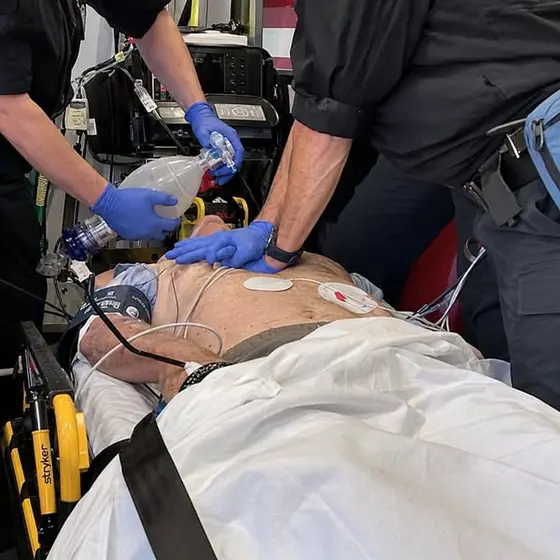
If your husband is on statins right now and his number looks good, please read this. My husband was on atorvastatin for 9 years. His LDL was 94. His cardiologist called him a model patient. He had a heart attack 3 weeks ago and never came home. The doctor in the ICU told me afterwards what the statin had been missing for 9 years. He was 68 years old. Took his atorvastatin every morning. Walked 2 miles a day after dinner. Had cut red meat down to once a week 9 years ago. His LDL at his last checkup was 94. The hospital bill was $61,000. The funeral was $11,200. His pill organizer is still on the kitchen table. Sunday through Saturday compartments. The Wednesday, Thursday, and Friday spots still have his atorvastatin in them, because he didn't make it that far. If I empty those compartments, he's really gone. I need to tell you what happened to Carl. Because I'm seeing the same posts on Facebook that I was making 3 weeks before he died. Women asking, "any tips for my husband's cholesterol, it just won't come down," and it makes me physically ill. If you're over 50, or someone you love is, please read this entire thing. I know it's long. I know you're scrolling. I know you have things to do. 3 weeks ago I would have given anything, everything, for someone to tell me what I'm about to tell you. Carl came home from work on February 1st pressing his hand into the middle of his chest. "Just a little tightness," he said. "Probably stressed about the contract. I'll lay down a bit and it'll pass." I didn't think too much about it. Carl had been mentioning pressure in his chest off and on for a couple of years. Always told me it was heartburn. Or stress. Or the cold weather. Always pushed through it. That was Carl. By the next morning the pressure was so bad he couldn't button his shirt without stopping to catch his breath. But he still walked to the kitchen. Still made his own coffee. Still telling me, "Jessica, stop fussing, my numbers are good, my doctor said I'm fine." I called our doctor. His EKG had looked normal a few months ago. His cholesterol was managed. "Probably acid reflux. Try some antacids. If it doesn't pass in a few days, bring him in for a checkup." So we waited. By Wednesday he couldn't walk up the porch steps without stopping halfway. He was sweating just sitting in his recliner. Out of breath after carrying his coffee mug to the kitchen. There was a tightness in his face I had never seen on him in 42 years of marriage. The look of someone holding something back that wasn't going to stay back much longer. "Carl, let me drive you to urgent care." "I'm fine." "You're not fine. You're gray." "Jessica. I'm FINE." 42 years of marriage. I knew every version of that man. The stubborn version. The scared version pretending to be the stubborn version. This was the second one. By Thursday morning he couldn't get out of bed. Not wouldn't. Couldn't. I brought him a glass of water and his hand was shaking so badly he couldn't get it to his mouth. His chest was heaving the way someone's chest heaves when they're running, except he wasn't running, he was lying flat. He looked at me with his eyes wide and he said, "Jessica, something is wrong." That was the first time in 42 years he had ever admitted that. I called 911 at 7:42 AM. The paramedics were there in 11 minutes. As they wheeled Carl out of our house, past his recliner, past his tools in the garage, past 42 years of our life together, he looked at me from the stretcher and he said: "Jessica, the Cubs game is tonight. Record it. I'll watch it tomorrow." That was the last thing my husband said to me in our home. The Cubs game. I followed the ambulance to the hospital. Ran every red light. Didn't care. At the ER, they wouldn't let me back. "Mrs. Davis, we're stabilizing him. Someone will come find you." I sat in that waiting room for 3 hours and 12 minutes. I counted every single minute. The chairs were hard plastic. The TV was playing morning news with the sound too low to hear. A young woman across from me was holding her father's coat in her lap and crying without sound. An old man was reading the same paragraph of a magazine over and over. I sat there in that fluorescent light, smelling that hospital smell, that mixture of bleach and recycled air and fear, and I prayed. I don't pray often. But I prayed. When the cardiologist came out, a man maybe 55, gray at the temples, his sleeves rolled up, I knew before he opened his mouth. I knew from the way he was walking. "Mrs. Davis, your husband had a major heart attack. We've placed 2 stents. We're going to keep him in the ICU for observation. The next 48 hours are critical." "But he was managing his cholesterol," I said. "His number was 94. His doctor told him last fall he was in good shape." He looked at me. And then he said something that will be burned into my brain until the day I die: "Mrs. Davis, the medication was bringing the number down on his lipid panel. But the buildup in his arteries had been happening the whole time, underneath the number. The statin slowed how much new cholesterol his liver was making. It never addressed the cholesterol already in his blood that was accumulating on his artery walls. By the time a heart attack happens, the buildup has been growing silently for years." "So he was getting worse the whole time?" "The whole time. The number on the panel was the easy thing to measure. The buildup underneath was the thing that mattered." The next 48 hours are critical. That's what they say when they're not sure he'll see Saturday. Carl spent 9 days in the ICU. I was there every morning at 7 when they opened the doors. I stayed until they made me leave at 9 PM. Every single day. I learned things about the ICU I never wanted to know. I learned the machines don't just beep. They have different beeps. A steady beep means things are okay. A fast beep means something changed. A long sustained beep means you need to leave the room because people are about to rush in. I learned that sound. I heard it 4 times. Day 2, he was sedated. They said his heart muscle had taken serious damage. They were watching to see how much would come back. Day 4, he opened his eyes. Looked right at me. Took a long moment to focus. "Jessica. Did you record the Cubs game?" I laughed and cried at the same time. "I recorded the Cubs game, Carl. They lost." He squeezed my hand. Weak. But he squeezed. Day 5, second cardiac event. The fast beep first, then the sustained beep, then the team running in. They got him back. Barely. Day 7, surgery to place a third stent. He was on the table for 4 hours. I sat in that waiting room with a coffee gone cold in my hand, watching the door. Day 8, he was awake. Quiet. Looking at the ceiling. He turned his head and looked at me for a long time. "I'm sorry, Jessica." "For what?" "For not listening. You told me my chest didn't feel right and I told you it was nothing. I should have come in. I thought my numbers were good. I thought I was doing everything right." I squeezed his hand and I said, "Don't you dare apologize to me, Carl Davis. You just focus on getting better." But my face was doing something I couldn't control. And he saw it. He saw it. Day 9. February 11th. I was in the family waiting area at 2:30 AM. They had asked me to step out while they repositioned him after a difficult night. At 2:47 AM, I heard the long beep. I heard running in the hallway. I stood up. A nurse came to the door. "Mrs. Davis, please stay here. The team is with him." I stood in that room for 27 minutes. At 3:14 AM, a doctor I had never seen before walked in. I knew. "Mrs. Davis, I'm so sorry. We did everything we could." I drove home at 5 AM. Carl's truck was in the driveway. The porch light was on because I had left it on 9 days ago when the ambulance came, and nobody had turned it off. I walked inside. His reading glasses were on the kitchen table. His pill organizer was right next to them. The Wednesday compartment still had his atorvastatin sitting in it. I sat in his recliner. I didn't move for 6 hours. The house was so quiet I could hear the refrigerator hum. 42 years. And the only sound in my house was the refrigerator. The funeral was February 18th. Carl's brother flew in from Dallas. Our daughter drove down from Indianapolis. Our son flew in from Portland. Our 3 grandkids wore little black clothes that didn't fit them right. My 5 year old granddaughter asked me, "Grandma, when is Grandpa coming home?" I told her Grandpa was in heaven now. She said, "Can we go visit?" I had to walk out of the room. After the funeral, I tried to go back to normal. I don't know what normal is anymore, but I tried. I couldn't. Because every time I opened my phone, I saw women, women my age, women whose husbands were Carl's age, posting about their cholesterol. About their husband's cholesterol. "Doctor wants to increase his statin again." "His LDL won't come down no matter what we do." "Cardiologist says everything looks good but he's so tired all the time, is this normal?" And I knew. I KNEW. Some of them were going to end up where Carl ended up. And some of them were going to end up where I am now. I couldn't just sit in this chair and watch it happen. So I started researching. Not because I wanted to. Because I had to. Because if Carl died for nothing, if I couldn't save even one person from what happened to him, then I couldn't live with that. I spent weeks reading. Articles I barely understood. CDC numbers. Cardiology journals. Studies on what actually happens to cholesterol inside your bloodstream. I read that heart disease is the number 1 cause of death in adults over 50. That nearly 38% of American adults have high cholesterol. That most heart attacks happen in people whose cholesterol was being "managed" by medication. Carl was 68. I'm 64. I read that statins, the ones Carl had been on every day for 9 years, force your liver to slow down cholesterol production. They drop the number on the panel. But the research shows they don't address what's actually causing the buildup in your arteries. The cholesterol already in your bloodstream keeps building up. The medication is treating one half of the problem while the other half continues. I read that fish oil, oatmeal, garlic, red yeast rice, the things Carl had tried over the years, none of them addressed what was actually happening either. Some helped a little. Some did nothing. And I kept reading one thing over and over, in study after study, article after article: It's not the cholesterol your liver is making that's the problem. It's what your liver is supposed to do with it next that's broken. This stopped me cold. Here's what I learned. Your liver has 2 jobs with cholesterol, not just 1. The first job is making it. Your body needs cholesterol for your brain, for your hormones, for every cell membrane in your body. So your liver produces about 80% of the cholesterol in your blood every single day. The food you eat only contributes about 20%, which is why cutting steak and eggs barely moves anyone's panel. The second job is clearing it. After your body uses what it needs, the leftover LDL is supposed to be pulled back into the liver and shipped out through bile. Production at the front. Clearance at the back. The 2 halves are supposed to balance, so the level in your blood stays steady. When you're 30, both halves work fine. When you're 40, they still mostly work. By the time you're 60, the clearance side has been failing for years and nobody ever noticed. The reason is overload. Decades of medication. Decades of beer and wine and whiskey with dinner. Decades of processed food, stress, and every prescription that ever passed through that same liver. The liver cells get overloaded. Fat starts building up inside them. The receptors that are supposed to be grabbing LDL out of your bloodstream get buried under that accumulated fat. They stop working. So the cholesterol your liver sends out has nowhere to come back to. It just stays in your bloodstream. Building up on the walls of your arteries. Year after year. That's what was happening inside Carl. For years. While we trusted the statin and the doctor and the "managed" number. His liver was failing at the second job. The buildup was accumulating in his arteries the whole time. The statin was hiding the number on the panel while underneath everything was getting worse. And nobody told us. I put my phone down when I read that. I walked around the block 3 times. I was shaking. Not from cold. From anger. From grief. From the realization that my husband's own body was supposed to be clearing the cholesterol that ended up killing him, and it wasn't, because he was 68 and his liver had been overloaded for years, and nobody thought to mention it. So I started asking a different question. Not "how do you lower cholesterol?" "How do you give the liver back the ability to clear the cholesterol that's already in your blood?" The first thing I tried was what I already knew. I went to CVS and bought everything on the heart health shelf. Fish oil. Red yeast rice. Garlic capsules. A heart health multivitamin. A $52 omega complex. I started taking them every morning. Some of them I had been taking on and off for years. So had Carl. He had a fish oil bottle on the counter right next to his coffee mug. It didn't save him. After 2 weeks and over $90 worth of products, I was exactly where I started. Fish oil works in your bloodstream. It might nudge triglycerides down a few points. But triglycerides aren't what's sticking to your artery walls. LDL is. Red yeast rice is essentially a weak statin. Same mechanism. Same blind spot. Slows production. Never addresses the buildup. Garlic thins the blood a little. Doesn't fix the liver. The multivitamin had a sprinkle of everything and not enough of anything. It was like dropping bricks in a yard and expecting a house to build itself. That's when I found something different. I was reading a thread on Facebook. One of those groups for women over 60. And a woman posted something that stopped me cold. She said her husband was 71. Had been on rosuvastatin for 12 years. The cardiologist had just told them he needed to add a second cholesterol drug because his LDL was creeping up again. They were also looking at putting him on aspirin therapy and warning him a stent might be coming. Then her husband started taking something. Not a prescription. Not a regular supplement. 3 months later, his LDL had dropped by 60 points. His cardiologist had reduced his statin dose. The stent conversation was off the table. Someone in the comments asked what he was taking. She said, "It's a liver formula from a small company called Ritual Labs. Started it last September. I don't fully understand the science. I just know my husband has his energy back and his numbers are better than they've been in a decade." I almost scrolled past it. A liver formula? For cholesterol? Carl was on a statin. We had been told for 9 years the medication was the answer. But I couldn't stop thinking about that woman's husband. He had been heading toward a stent. He pulled back. Carl had been "managing" his cholesterol for 9 years and ended up dead in a hospital bed. What was the difference? So I kept reading. And what I found made me so angry I had to put my phone down and walk outside. Milk thistle has been used for liver health for over 2,000 years. The Greeks wrote about it. The Romans wrote about it. Medieval herbalists kept patients alive with it. They called it "Mary's thistle" because of a legend that the white veins in its leaves came from a drop of the Virgin Mary's milk. They didn't know exactly why it worked back then. They just kept reaching for it whenever someone's body was breaking down on the inside. And modern science is just now figuring out what they were seeing. The active compound in milk thistle is called silymarin. And silymarin protects the liver cells where the clearance work happens. The cells that are supposed to be grabbing LDL out of your bloodstream and pulling it inside to be shipped out. After decades of overload, those cells are damaged. Silymarin protects them and lets them start healing. But silymarin alone isn't enough. Because the fat that's been building up inside the liver cells for years still has to come out. The receptors are buried under that fat. Until the fat is broken down, the receptors stay buried, and the cholesterol stays in your bloodstream. This is where NAC comes in. NAC is the same compound hospitals give in IVs to patients with acute liver damage. Almost nothing in pharmacology restores liver function faster. What NAC does is break down the fat that's been blocking the receptors for years. Once that fat starts coming out of the liver cells, the receptors come back online. The clearance side starts working again. Silymarin and NAC together, paired in clinical research out of Germany, dropped LDL by an average of 43% in 12 weeks. With no muscle pain. No brain fog. No CoQ10 depletion. The same kind of LDL reduction a statin produces, but the number is dropping because the liver is finally clearing again, not because a drug is overriding it. And the third compound is choline. Choline is a nutrient over 80% of Americans are deficient in, because the richest sources are egg yolks, beef liver, and red meat. The same foods we were told to cut to lower our cholesterol. Choline gives the liver what it needs to package the broken-down fat and ship it out of the body through bile, so it doesn't get stuck inside the liver cells again. Silymarin protects the liver cells. NAC breaks down the fat blocking the receptors. Choline ships that broken-down fat out of the body. 3 compounds. 1 capsule. Designed to work on the clearance side that nothing else was reaching. I kept thinking about Carl. About every appointment where his cardiologist had said his numbers looked great. About the stent surgery that came too late. About the second cardiac event on Day 5. There had been something this entire time that could have actually addressed what was killing him. Nobody told him. Nobody. I read more. I read everything I could find. And then I called the cardiologist. The one who had treated Carl in the ICU. The one who had been there at the end. I told him what I'd found. I asked him straight, "Is this real? Is this safe? Or am I grasping at straws because I can't accept that Carl is gone?" He was quiet for a long time. Then he said: "Mrs. Davis, the research on silymarin and NAC for liver function and cholesterol clearance is real and it has been published for years in respected journals. The clinical doses studied are well tolerated. There are no significant interactions for daily use." Then he paused. "If Carl's liver had been clearing cholesterol the way it should have been, there's a real possibility his arteries wouldn't have been compromised enough for this heart attack to happen." I had to hang up the phone. I sat on the edge of the bed, Carl's side, and I cried harder than I cried at the funeral. Because a doctor, THE doctor, just told me my husband might still be alive if his cholesterol clearance system had been getting what it needed. If anyone had told us. If we'd just known. I ordered Happy Liver from Ritual Labs that night. When the bottle arrived 3 days later, I stood in the kitchen holding it, terrified to open it. Not because I thought it would hurt me. Because if it worked, if any of this was real, then Carl's death had been preventable. And I don't know how to live with that. But I couldn't NOT try it. Because I have a daughter. A son. Grandchildren. Friends my age. A sister who's been on statins for 6 years and tired all the time and being told it's just aging. And I'll be damned if I let what happened to Carl happen to anyone I can reach. First morning. 1 capsule with a glass of water. Less time than my coffee. I've been taking it every morning, first thing, for 8 weeks now. Day 5, I noticed something I hadn't expected. The afternoon fog I had been blaming on grief and not sleeping started lifting. I had assumed it was just my body responding to losing Carl. It wasn't. By the end of week 2, I was sleeping through the night for the first time since the ICU. By week 3, my heaviness was lifting. I could climb the stairs to the second floor without stopping at the landing. At week 6, I went in for a panel. I hadn't planned to. My doctor wanted to check on me after the cardiovascular history in the family. I figured I might as well see where my own numbers were. My LDL had been climbing for years. At my last physical, before Carl died, it was 158. The doctor had been talking about putting me on a statin. This panel came back at 119. 39 points. In 6 weeks. I sat in that doctor's office and I couldn't speak for a moment. She showed me the trend on the screen and said, "Jessica, this is significant. What have you changed?" I told her everything. She listened for 20 minutes. When I finished, she said, "I need to read these studies. But Jessica, don't stop what you're doing." I'm not stopping. I mentioned it to a few of my friends. Within weeks, several were taking it. I didn't recruit anyone. I just showed them what was happening to me and shared what I'd read. My sister Donna, 67. On a statin for 6 years. Tired all the time, brain fog she'd been writing off as aging. 6 weeks on Happy Liver, the fog had lifted. Her last lipid panel came back better than any she'd had since menopause. She called me crying. My neighbor Janet, 65. Her husband was scheduled for a stress test after some chest discomfort he'd been having. He started taking Happy Liver while waiting for the appointment. By the time the test came around, the chest discomfort was easier, and his lipid panel had moved significantly. She knocked on my door last Friday and said, "Jessica, his cardiologist said he hasn't seen numbers move this fast in someone over 60. I don't know how to thank you." My friend from church, Pat, 70. Had been on atorvastatin and ezetimibe for 11 years. The muscle aches in her legs had gotten so bad she had stopped going to the senior fitness class she loved. 8 weeks on Happy Liver, the muscle aches had eased. She went back to the fitness class last week. Her face when she told me was something I will not forget. Carl's brother in Dallas, 71. Retired engineer. LDL had been climbing for 3 years even on the maximum dose of his statin. He started Happy Liver the day after the funeral. He emailed me last week. "Jessica, my last panel came back at 105. My cardiologist asked what I was doing. I told him Carl would have wanted me to tell him." I had to close my laptop when I read that. I'm not a doctor. I'm not a scientist. I'm not selling anything. I'm a 64 year old widow sitting in my dead husband's recliner at 4 in the morning because I can't sleep and I can't stop thinking about whether anyone will read this in time. I keep going back to what that cardiologist said on the phone. He told me Carl's liver had stopped clearing cholesterol the way it was supposed to. He told me the statin was bringing the number down but never touched the clearance side. He told me Carl's arteries had been getting worse for years even while his cardiologist called him a model patient. That sentence is in my head every night. If you're reading this and you're on a statin. Or your husband is. Or your father is. Don't trust the number on the panel by itself. The medication handles one half of the job. The clearance side, the half that fails after decades of overload, that's the half nobody is fixing. There's a formula I take now. 3 compounds, all in 1 capsule. Silymarin, NAC, and choline. The cardiologist who treated Carl told me on the phone that the research is real. I take it every morning. So does my sister. My neighbor's husband. Carl's brother. I wish someone had told me this before February 1st. Before the contract. Before the chest tightness. Before the heart attack. Before 3:14 AM. I can't go back. Carl can't come back. His pill organizer is still on the kitchen table and the Wednesday compartment still has his atorvastatin in it. But you can still go forward. I'll leave the link below. It's where you can read about the formula and decide for yourself. I want you to look at it. Not for me. For whoever you would leave behind. 👇 https://rituallabs.shop/products/happy-liver Carl used to say, "You don't replace a transformer when the house is on fire. You replace it before." The house is on fire. — Jessica Davis, age 64, Davenport, IA P.S. His pill organizer is still on the kitchen table. 53 days now. The Wednesday, Thursday, and Friday compartments still have his atorvastatin in them because he didn't make it that far. Every morning I walk past the table and for one second I forget. For one second I think he's about to come in from the porch and ask if the coffee is on. He's not. $61,000 in hospital bills. $11,200 for the funeral. And a capsule that costs less than a dollar a day, that the cardiologist who treated my husband said could have changed everything. Please. Don't end up here. Don't let someone you love end up here. 👇 https://rituallabs.shop/products/happy-liver P.P.S. I want to say this straight. I don't work for Ritual Labs. They don't pay me. I'm not making a penny from any of this. I'm writing it at 4:21 AM because Carl's side of the bed is cold and if anyone reads this and takes it seriously, then at least something came out of what happened to him. There's a 60 day money back guarantee on the formula. If it doesn't help you, you get your money back. Carl didn't get a guarantee. Please share this with anyone you love over 50.

Placements and targeting

FacebookInstagramAudience NetworkMessengerThreads🇬🇧 United Kingdom

More ads from Jessica Smith

Full Jessica Smith profile
Jessica Smith
Jessica Smith
+1
Inactive137 days
rituallabs.shop
Managed cholesterol doesn't mean healthy
Shop now

My husband's cardiologist called him a model patient for 9 years. His LDL at his last checkup was 94. He took his atorvastatin every morning. On February 11th he died from a heart attack. The doctor who treated him in the ICU told me something on the phone afterwards that I cannot stop thinking about. He was 68 years old. Took his atorvastatin every morning. Walked 2 miles a day after dinner. Had cut red meat down to once a week 9 years ago. His LDL at his last checkup was 94. The hospital bill was $61,000. The funeral was $11,200. His pill organizer is still on the kitchen table. Sunday through Saturday compartments. The Wednesday, Thursday, and Friday spots still have his atorvastatin in them, because he didn't make it that far. If I empty those compartments, he's really gone. I need to tell you what happened to Carl. Because I'm seeing the same posts on Facebook that I was making 3 weeks before he died. Women asking, "any tips for my husband's cholesterol, it just won't come down," and it makes me physically ill. If you're over 50, or someone you love is, please read this entire thing. I know it's long. I know you're scrolling. I know you have things to do. 3 weeks ago I would have given anything, everything, for someone to tell me what I'm about to tell you. Carl came home from work on February 1st pressing his hand into the middle of his chest. "Just a little tightness," he said. "Probably stressed about the contract. I'll lay down a bit and it'll pass." I didn't think too much about it. Carl had been mentioning pressure in his chest off and on for a couple of years. Always told me it was heartburn. Or stress. Or the cold weather. Always pushed through it. That was Carl. By the next morning the pressure was so bad he couldn't button his shirt without stopping to catch his breath. But he still walked to the kitchen. Still made his own coffee. Still telling me, "Jessica, stop fussing, my numbers are good, my doctor said I'm fine." I called our doctor. His EKG had looked normal a few months ago. His cholesterol was managed. "Probably acid reflux. Try some antacids. If it doesn't pass in a few days, bring him in for a checkup." So we waited. By Wednesday he couldn't walk up the porch steps without stopping halfway. He was sweating just sitting in his recliner. Out of breath after carrying his coffee mug to the kitchen. There was a tightness in his face I had never seen on him in 42 years of marriage. The look of someone holding something back that wasn't going to stay back much longer. "Carl, let me drive you to urgent care." "I'm fine." "You're not fine. You're gray." "Jessica. I'm FINE." 42 years of marriage. I knew every version of that man. The stubborn version. The scared version pretending to be the stubborn version. This was the second one. By Thursday morning he couldn't get out of bed. Not wouldn't. Couldn't. I brought him a glass of water and his hand was shaking so badly he couldn't get it to his mouth. His chest was heaving the way someone's chest heaves when they're running, except he wasn't running, he was lying flat. He looked at me with his eyes wide and he said, "Jessica, something is wrong." That was the first time in 42 years he had ever admitted that. I called 911 at 7:42 AM. The paramedics were there in 11 minutes. As they wheeled Carl out of our house, past his recliner, past his tools in the garage, past 42 years of our life together, he looked at me from the stretcher and he said: "Jessica, the Cubs game is tonight. Record it. I'll watch it tomorrow." That was the last thing my husband said to me in our home. The Cubs game. I followed the ambulance to the hospital. Ran every red light. Didn't care. At the ER, they wouldn't let me back. "Mrs. Davis, we're stabilizing him. Someone will come find you." I sat in that waiting room for 3 hours and 12 minutes. I counted every single minute. The chairs were hard plastic. The TV was playing morning news with the sound too low to hear. A young woman across from me was holding her father's coat in her lap and crying without sound. An old man was reading the same paragraph of a magazine over and over. I sat there in that fluorescent light, smelling that hospital smell, that mixture of bleach and recycled air and fear, and I prayed. I don't pray often. But I prayed. When the cardiologist came out, a man maybe 55, gray at the temples, his sleeves rolled up, I knew before he opened his mouth. I knew from the way he was walking. "Mrs. Davis, your husband had a major heart attack. We've placed 2 stents. We're going to keep him in the ICU for observation. The next 48 hours are critical." "But he was managing his cholesterol," I said. "His number was 94. His doctor told him last fall he was in good shape." He looked at me. And then he said something that will be burned into my brain until the day I die: "Mrs. Davis, the medication was bringing the number down on his lipid panel. But the buildup in his arteries had been happening the whole time, underneath the number. The statin slowed how much new cholesterol his liver was making. It never addressed the cholesterol already in his blood that was accumulating on his artery walls. By the time a heart attack happens, the buildup has been growing silently for years." "So he was getting worse the whole time?" "The whole time. The number on the panel was the easy thing to measure. The buildup underneath was the thing that mattered." The next 48 hours are critical. That's what they say when they're not sure he'll see Saturday. Carl spent 9 days in the ICU. I was there every morning at 7 when they opened the doors. I stayed until they made me leave at 9 PM. Every single day. I learned things about the ICU I never wanted to know. I learned the machines don't just beep. They have different beeps. A steady beep means things are okay. A fast beep means something changed. A long sustained beep means you need to leave the room because people are about to rush in. I learned that sound. I heard it 4 times. Day 2, he was sedated. They said his heart muscle had taken serious damage. They were watching to see how much would come back. Day 4, he opened his eyes. Looked right at me. Took a long moment to focus. "Jessica. Did you record the Cubs game?" I laughed and cried at the same time. "I recorded the Cubs game, Carl. They lost." He squeezed my hand. Weak. But he squeezed. Day 5, second cardiac event. The fast beep first, then the sustained beep, then the team running in. They got him back. Barely. Day 7, surgery to place a third stent. He was on the table for 4 hours. I sat in that waiting room with a coffee gone cold in my hand, watching the door. Day 8, he was awake. Quiet. Looking at the ceiling. He turned his head and looked at me for a long time. "I'm sorry, Jessica." "For what?" "For not listening. You told me my chest didn't feel right and I told you it was nothing. I should have come in. I thought my numbers were good. I thought I was doing everything right." I squeezed his hand and I said, "Don't you dare apologize to me, Carl Davis. You just focus on getting better." But my face was doing something I couldn't control. And he saw it. He saw it. Day 9. February 11th. I was in the family waiting area at 2:30 AM. They had asked me to step out while they repositioned him after a difficult night. At 2:47 AM, I heard the long beep. I heard running in the hallway. I stood up. A nurse came to the door. "Mrs. Davis, please stay here. The team is with him." I stood in that room for 27 minutes. At 3:14 AM, a doctor I had never seen before walked in. I knew. "Mrs. Davis, I'm so sorry. We did everything we could." I drove home at 5 AM. Carl's truck was in the driveway. The porch light was on because I had left it on 9 days ago when the ambulance came, and nobody had turned it off. I walked inside. His reading glasses were on the kitchen table. His pill organizer was right next to them. The Wednesday compartment still had his atorvastatin sitting in it. I sat in his recliner. I didn't move for 6 hours. The house was so quiet I could hear the refrigerator hum. 42 years. And the only sound in my house was the refrigerator. The funeral was February 18th. Carl's brother flew in from Dallas. Our daughter drove down from Indianapolis. Our son flew in from Portland. Our 3 grandkids wore little black clothes that didn't fit them right. My 5 year old granddaughter asked me, "Grandma, when is Grandpa coming home?" I told her Grandpa was in heaven now. She said, "Can we go visit?" I had to walk out of the room. After the funeral, I tried to go back to normal. I don't know what normal is anymore, but I tried. I couldn't. Because every time I opened my phone, I saw women, women my age, women whose husbands were Carl's age, posting about their cholesterol. About their husband's cholesterol. "Doctor wants to increase his statin again." "His LDL won't come down no matter what we do." "Cardiologist says everything looks good but he's so tired all the time, is this normal?" And I knew. I KNEW. Some of them were going to end up where Carl ended up. And some of them were going to end up where I am now. I couldn't just sit in this chair and watch it happen. So I started researching. Not because I wanted to. Because I had to. Because if Carl died for nothing, if I couldn't save even one person from what happened to him, then I couldn't live with that. I spent weeks reading. Articles I barely understood. CDC numbers. Cardiology journals. Studies on what actually happens to cholesterol inside your bloodstream. I read that heart disease is the number 1 cause of death in adults over 50. That nearly 38% of American adults have high cholesterol. That most heart attacks happen in people whose cholesterol was being "managed" by medication. Carl was 68. I'm 64. I read that statins, the ones Carl had been on every day for 9 years, force your liver to slow down cholesterol production. They drop the number on the panel. But the research shows they don't address what's actually causing the buildup in your arteries. The cholesterol already in your bloodstream keeps building up. The medication is treating one half of the problem while the other half continues. I read that fish oil, oatmeal, garlic, red yeast rice, the things Carl had tried over the years, none of them addressed what was actually happening either. Some helped a little. Some did nothing. And I kept reading one thing over and over, in study after study, article after article: It's not the cholesterol your liver is making that's the problem. It's what your liver is supposed to do with it next that's broken. This stopped me cold. Here's what I learned. Your liver has 2 jobs with cholesterol, not just 1. The first job is making it. Your body needs cholesterol for your brain, for your hormones, for every cell membrane in your body. So your liver produces about 80% of the cholesterol in your blood every single day. The food you eat only contributes about 20%, which is why cutting steak and eggs barely moves anyone's panel. The second job is clearing it. After your body uses what it needs, the leftover LDL is supposed to be pulled back into the liver and shipped out through bile. Production at the front. Clearance at the back. The 2 halves are supposed to balance, so the level in your blood stays steady. When you're 30, both halves work fine. When you're 40, they still mostly work. By the time you're 60, the clearance side has been failing for years and nobody ever noticed. The reason is overload. Decades of medication. Decades of beer and wine and whiskey with dinner. Decades of processed food, stress, and every prescription that ever passed through that same liver. The liver cells get overloaded. Fat starts building up inside them. The receptors that are supposed to be grabbing LDL out of your bloodstream get buried under that accumulated fat. They stop working. So the cholesterol your liver sends out has nowhere to come back to. It just stays in your bloodstream. Building up on the walls of your arteries. Year after year. That's what was happening inside Carl. For years. While we trusted the statin and the doctor and the "managed" number. His liver was failing at the second job. The buildup was accumulating in his arteries the whole time. The statin was hiding the number on the panel while underneath everything was getting worse. And nobody told us. I put my phone down when I read that. I walked around the block 3 times. I was shaking. Not from cold. From anger. From grief. From the realization that my husband's own body was supposed to be clearing the cholesterol that ended up killing him, and it wasn't, because he was 68 and his liver had been overloaded for years, and nobody thought to mention it. So I started asking a different question. Not "how do you lower cholesterol?" "How do you give the liver back the ability to clear the cholesterol that's already in your blood?" The first thing I tried was what I already knew. I went to CVS and bought everything on the heart health shelf. Fish oil. Red yeast rice. Garlic capsules. A heart health multivitamin. A $52 omega complex. I started taking them every morning. Some of them I had been taking on and off for years. So had Carl. He had a fish oil bottle on the counter right next to his coffee mug. It didn't save him. After 2 weeks and over $90 worth of products, I was exactly where I started. Fish oil works in your bloodstream. It might nudge triglycerides down a few points. But triglycerides aren't what's sticking to your artery walls. LDL is. Red yeast rice is essentially a weak statin. Same mechanism. Same blind spot. Slows production. Never addresses the buildup. Garlic thins the blood a little. Doesn't fix the liver. The multivitamin had a sprinkle of everything and not enough of anything. It was like dropping bricks in a yard and expecting a house to build itself. That's when I found something different. I was reading a thread on Facebook. One of those groups for women over 60. And a woman posted something that stopped me cold. She said her husband was 71. Had been on rosuvastatin for 12 years. The cardiologist had just told them he needed to add a second cholesterol drug because his LDL was creeping up again. They were also looking at putting him on aspirin therapy and warning him a stent might be coming. Then her husband started taking something. Not a prescription. Not a regular supplement. 3 months later, his LDL had dropped by 60 points. His cardiologist had reduced his statin dose. The stent conversation was off the table. Someone in the comments asked what he was taking. She said, "It's a liver formula from a small company called Ritual Labs. Started it last September. I don't fully understand the science. I just know my husband has his energy back and his numbers are better than they've been in a decade." I almost scrolled past it. A liver formula? For cholesterol? Carl was on a statin. We had been told for 9 years the medication was the answer. But I couldn't stop thinking about that woman's husband. He had been heading toward a stent. He pulled back. Carl had been "managing" his cholesterol for 9 years and ended up dead in a hospital bed. What was the difference? So I kept reading. And what I found made me so angry I had to put my phone down and walk outside. Milk thistle has been used for liver health for over 2,000 years. The Greeks wrote about it. The Romans wrote about it. Medieval herbalists kept patients alive with it. They called it "Mary's thistle" because of a legend that the white veins in its leaves came from a drop of the Virgin Mary's milk. They didn't know exactly why it worked back then. They just kept reaching for it whenever someone's body was breaking down on the inside. And modern science is just now figuring out what they were seeing. The active compound in milk thistle is called silymarin. And silymarin protects the liver cells where the clearance work happens. The cells that are supposed to be grabbing LDL out of your bloodstream and pulling it inside to be shipped out. After decades of overload, those cells are damaged. Silymarin protects them and lets them start healing. But silymarin alone isn't enough. Because the fat that's been building up inside the liver cells for years still has to come out. The receptors are buried under that fat. Until the fat is broken down, the receptors stay buried, and the cholesterol stays in your bloodstream. This is where NAC comes in. NAC is the same compound hospitals give in IVs to patients with acute liver damage. Almost nothing in pharmacology restores liver function faster. What NAC does is break down the fat that's been blocking the receptors for years. Once that fat starts coming out of the liver cells, the receptors come back online. The clearance side starts working again. Silymarin and NAC together, paired in clinical research out of Germany, dropped LDL by an average of 43% in 12 weeks. With no muscle pain. No brain fog. No CoQ10 depletion. The same kind of LDL reduction a statin produces, but the number is dropping because the liver is finally clearing again, not because a drug is overriding it. And the third compound is choline. Choline is a nutrient over 80% of Americans are deficient in, because the richest sources are egg yolks, beef liver, and red meat. The same foods we were told to cut to lower our cholesterol. Choline gives the liver what it needs to package the broken-down fat and ship it out of the body through bile, so it doesn't get stuck inside the liver cells again. Silymarin protects the liver cells. NAC breaks down the fat blocking the receptors. Choline ships that broken-down fat out of the body. 3 compounds. 1 capsule. Designed to work on the clearance side that nothing else was reaching. I kept thinking about Carl. About every appointment where his cardiologist had said his numbers looked great. About the stent surgery that came too late. About the second cardiac event on Day 5. There had been something this entire time that could have actually addressed what was killing him. Nobody told him. Nobody. I read more. I read everything I could find. And then I called the cardiologist. The one who had treated Carl in the ICU. The one who had been there at the end. I told him what I'd found. I asked him straight, "Is this real? Is this safe? Or am I grasping at straws because I can't accept that Carl is gone?" He was quiet for a long time. Then he said: "Mrs. Davis, the research on silymarin and NAC for liver function and cholesterol clearance is real and it has been published for years in respected journals. The clinical doses studied are well tolerated. There are no significant interactions for daily use." Then he paused. "If Carl's liver had been clearing cholesterol the way it should have been, there's a real possibility his arteries wouldn't have been compromised enough for this heart attack to happen." I had to hang up the phone. I sat on the edge of the bed, Carl's side, and I cried harder than I cried at the funeral. Because a doctor, THE doctor, just told me my husband might still be alive if his cholesterol clearance system had been getting what it needed. If anyone had told us. If we'd just known. I ordered Happy Liver from Ritual Labs that night. When the bottle arrived 3 days later, I stood in the kitchen holding it, terrified to open it. Not because I thought it would hurt me. Because if it worked, if any of this was real, then Carl's death had been preventable. And I don't know how to live with that. But I couldn't NOT try it. Because I have a daughter. A son. Grandchildren. Friends my age. A sister who's been on statins for 6 years and tired all the time and being told it's just aging. And I'll be damned if I let what happened to Carl happen to anyone I can reach. First morning. 1 capsule with a glass of water. Less time than my coffee. I've been taking it every morning, first thing, for 8 weeks now. Day 5, I noticed something I hadn't expected. The afternoon fog I had been blaming on grief and not sleeping started lifting. I had assumed it was just my body responding to losing Carl. It wasn't. By the end of week 2, I was sleeping through the night for the first time since the ICU. By week 3, my heaviness was lifting. I could climb the stairs to the second floor without stopping at the landing. At week 6, I went in for a panel. I hadn't planned to. My doctor wanted to check on me after the cardiovascular history in the family. I figured I might as well see where my own numbers were. My LDL had been climbing for years. At my last physical, before Carl died, it was 158. The doctor had been talking about putting me on a statin. This panel came back at 119. 39 points. In 6 weeks. I sat in that doctor's office and I couldn't speak for a moment. She showed me the trend on the screen and said, "Jessica, this is significant. What have you changed?" I told her everything. She listened for 20 minutes. When I finished, she said, "I need to read these studies. But Jessica, don't stop what you're doing." I'm not stopping. I mentioned it to a few of my friends. Within weeks, several were taking it. I didn't recruit anyone. I just showed them what was happening to me and shared what I'd read. My sister Donna, 67. On a statin for 6 years. Tired all the time, brain fog she'd been writing off as aging. 6 weeks on Happy Liver, the fog had lifted. Her last lipid panel came back better than any she'd had since menopause. She called me crying. My neighbor Janet, 65. Her husband was scheduled for a stress test after some chest discomfort he'd been having. He started taking Happy Liver while waiting for the appointment. By the time the test came around, the chest discomfort was easier, and his lipid panel had moved significantly. She knocked on my door last Friday and said, "Jessica, his cardiologist said he hasn't seen numbers move this fast in someone over 60. I don't know how to thank you." My friend from church, Pat, 70. Had been on atorvastatin and ezetimibe for 11 years. The muscle aches in her legs had gotten so bad she had stopped going to the senior fitness class she loved. 8 weeks on Happy Liver, the muscle aches had eased. She went back to the fitness class last week. Her face when she told me was something I will not forget. Carl's brother in Dallas, 71. Retired engineer. LDL had been climbing for 3 years even on the maximum dose of his statin. He started Happy Liver the day after the funeral. He emailed me last week. "Jessica, my last panel came back at 105. My cardiologist asked what I was doing. I told him Carl would have wanted me to tell him." I had to close my laptop when I read that. I'm not a doctor. I'm not a scientist. I'm not selling anything. I'm a 64 year old widow sitting in my dead husband's recliner at 4 in the morning because I can't sleep and I can't stop thinking about whether anyone will read this in time. I keep going back to what that cardiologist said on the phone. He told me Carl's liver had stopped clearing cholesterol the way it was supposed to. He told me the statin was bringing the number down but never touched the clearance side. He told me Carl's arteries had been getting worse for years even while his cardiologist called him a model patient. That sentence is in my head every night. If you're reading this and you're on a statin. Or your husband is. Or your father is. Don't trust the number on the panel by itself. The medication handles one half of the job. The clearance side, the half that fails after decades of overload, that's the half nobody is fixing. There's a formula I take now. 3 compounds, all in 1 capsule. Silymarin, NAC, and choline. The cardiologist who treated Carl told me on the phone that the research is real. I take it every morning. So does my sister. My neighbor's husband. Carl's brother. I wish someone had told me this before February 1st. Before the contract. Before the chest tightness. Before the heart attack. Before 3:14 AM. I can't go back. Carl can't come back. His pill organizer is still on the kitchen table and the Wednesday compartment still has his atorvastatin in it. But you can still go forward. I'll leave the link below. It's where you can read about the formula and decide for yourself. I want you to look at it. Not for me. For whoever you would leave behind. 👇 https://rituallabs.shop/products/happy-liver Carl used to say, "You don't replace a transformer when the house is on fire. You replace it before." The house is on fire. — Jessica Davis, age 64, Davenport, IA P.S. His pill organizer is still on the kitchen table. 53 days now. The Wednesday, Thursday, and Friday compartments still have his atorvastatin in them because he didn't make it that far. Every morning I walk past the table and for one second I forget. For one second I think he's about to come in from the porch and ask if the coffee is on. He's not. $61,000 in hospital bills. $11,200 for the funeral. And a capsule that costs less than a dollar a day, that the cardiologist who treated my husband said could have changed everything. Please. Don't end up here. Don't let someone you love end up here. 👇 https://rituallabs.shop/products/happy-liver P.P.S. I want to say this straight. I don't work for Ritual Labs. They don't pay me. I'm not making a penny from any of this. I'm writing it at 4:21 AM because Carl's side of the bed is cold and if anyone reads this and takes it seriously, then at least something came out of what happened to him. There's a 60 day money back guarantee on the formula. If it doesn't help you, you get your money back. Carl didn't get a guarantee. Please share this with anyone you love over 50.

Jessica Smith
Jessica Smith
+1
Inactive3 days
rituallabs.shop
My mom quit drinking and died anyway.
Learn more

My mom quit drinking on July 8th, 2011. Poured every bottle down the sink. Went on the Mediterranean diet. Walked three miles a day. Started juicing kale, of all things. She did everything the doctor told her. She died of liver failure on October 19th at 4:17 AM. She was 61 years old. Quit drinking on July 8th. Ate nothing that wasn't approved. Lost 22 pounds. Walked three miles a day, rain or shine. The hospital bill was 63,000 dollars. The funeral was 11,200. I need to tell you what happened to my mom. Because fifteen years after we buried her, I sat in my own doctor's office and heard the same words she heard. And I'm seeing the same posts on Facebook now that I was making just months before she died. "My mom's doctor told her her liver enzymes are too high, any advice?" And it makes me physically ill. If you're a woman over 40 who drinks, or you have a mother, a sister, a daughter who does, please read this entire thing. I know it's long. I know you're scrolling. I know you have things to do. Fifteen years ago I would have given anything for someone to tell me what I'm about to tell you. Now I'm telling you because last month I almost ended up exactly where my mom ended up. Mom went in for a routine physical on June 28th, 2011. She felt fine. Better than fine. She'd just turned 60. She still hosted Sunday dinner for nine people. She still walked the dog two miles every morning. She still ran her book club. She thought she was indestructible and honestly so did I. Two days later her doctor called. ALT of 198. AST of 187. "Your liver enzymes are very elevated, Margaret. We need to talk about your drinking." Mom was quiet on the call. I was in the kitchen pretending not to listen. "How much do you drink?" "A glass or two of wine with dinner. Maybe three on a Saturday. A little prosecco at brunch on Sundays." "That's enough to do this. You need to stop. Completely. We'll retest in three months." Mom hung up the phone and sat at the kitchen table for forty minutes without saying anything. Then she stood up, walked to the wine fridge, and took everything out. Forty-six bottles down the kitchen sink in under two hours. "That's it," she said. "I'm done." And she was. For 103 days, she didn't touch a drop. Not at my cousin's wedding in August. Not at her book club in September. Not at her own 61st birthday dinner in October where my aunt ordered a glass of Chablis right in front of her and Mom drank sparkling water with a slice of lemon. She did everything right. She lost 22 pounds in those three months. She bought a juicer. She started walking three miles every morning. She took the milk thistle her doctor "wasn't against." She took a multivitamin. She ate a salad every day. The follow-up labs came back on October 7th, 2011. ALT: 184. AST: 176. She'd quit drinking entirely for 90 days and the numbers had barely moved. The doctor said "give it more time. The liver heals slowly. We'll retest in 6 months." Mom called me that night. She didn't say anything for a long time. Then she said: "Jessica, I gave up everything. Everything. And it didn't work." Five days later, Dad called me at 2:30 AM. She'd woken up with a pain in her right side that doubled her over. By the time I got to the hospital, the whites of her eyes were yellow. Like a highlighter. Like someone had switched the lights out behind them. "Mrs. Whitfield, your bilirubin is 8.2. Your ALT is now 847. Your liver is in acute decompensation. We're admitting you to the ICU." "But I quit drinking three months ago," Mom had said. The doctor just looked at her. "I know, Mrs. Whitfield. I'm sorry." Mom spent 11 days in the ICU. I learned things about the liver I never wanted to know. I learned that when a liver shuts down, the toxins your body produces every single day, ammonia, mostly, start building up in your blood and crossing into your brain. They call it hepatic encephalopathy. It means your mother stops being your mother. On day 6, Mom asked me three times in twenty minutes if I'd remembered to pack my lunchbox for school. I was 40 years old. I learned that they inject something called NAC intravenously when a liver is shutting down. The nurse told me it's the same compound they use for acetaminophen overdoses. She said it forces the liver to start rebuilding the master antioxidant it uses to protect itself, something called glutathione. She said it's the only thing they've got, and at this stage they were hoping it could buy her time. It bought her 11 days. Day 11, October 19th, 2011, Dad and I were in the family room down the hall. At 4:09 AM I heard the long beep. At 4:17 AM, a doctor I'd never seen walked into the family room. I knew. Dad knew. "I'm so sorry. We did everything we could." I drove Dad home at 6 AM. The juicer was still on the counter. The walking shoes were by the back door. The milk thistle was on the windowsill above the sink. Her favorite wine glass, the Riedel I'd given her for her 60th birthday, was still on the shelf above the sink. Where it sits today. Fifteen years passed. I worked. I dated. I bought a condo. I told myself I was fine. I cut back on wine for about a year after Mom died and then I drifted right back to where I'd been. The same drinking habits my mom had. I told myself I was younger. I told myself I was different. Last month I went in for my own annual physical. 55 years old. I felt fine. Three days later, my doctor called. ALT of 198. AST of 187. Exact same as my mom's. I sat down on the floor of my kitchen with the phone still pressed to my ear and I couldn't breathe. I knew exactly what was coming. I'd watched my mother die from that sentence. She told me to stop drinking completely. Mediterranean diet. Exercise. Retest in three months. I hung up the phone and I knew, I KNEW, if I did exactly what my mom did, I would end up exactly where my mom ended up. So I didn't. I started researching. Medical journals I barely understood. Hepatology forums. Studies out of Japan and Germany. And one thing kept coming up, over and over, that no doctor ever told us: The reason Mom's numbers didn't come down is that quitting drinking only stops the damage. It doesn't repair what's already gone. A healthy liver repairs itself automatically. That's what mine wasn't doing. That's what hers wasn't doing. Because the machinery inside the hepatocytes, the actual liver cells, was running on empty. Specifically: glutathione. Glutathione is the master antioxidant your liver uses to filter everything that passes through your body. Every medication, every toxin, every drink, every greasy meal. Every cell in your liver depends on it. After age 40, your body produces about 10% less glutathione every single year. For women, the drop accelerates further during perimenopause and menopause. Modern life burns through what's left even faster. By 55 most women have lost more than half their production capacity without knowing it. And here's the part that made me sit up straight. When your glutathione is low, the wine that's supposed to be neutralized harmlessly starts damaging your liver instead. Mom's liver wasn't damaged because she drank too much. It was damaged because she didn't have enough glutathione left to handle the wine she was having. Read that again. Her liver wasn't damaged by the Sancerre. It was damaged by the empty tank the Sancerre was being processed through. And here's why quitting alone didn't save her. Stopping the drinking stops the depletion. It doesn't refill the tank. Her tank was already empty by the time the doctor told her to quit. Eating clean, exercising, juicing kale, those things slow how fast you deplete what's left. They don't refill what's already gone. That's why her numbers wouldn't move. She gave up everything she loved to stop the bleeding from a wound that was already inside her. I sat with that for three days. And then I started looking at what I'd been about to do. I'd thrown out Mom's milk thistle the week after the funeral. But I bought a new bottle for myself. My doctor laughed when I told her. "Jessica, most of the milk thistle on American shelves is essentially inert by the time it reaches you. The silymarin, the actual active compound, oxidizes fast after harvest. By the time it sits in a warehouse, then a distributor, then a CVS shelf, you're swallowing degraded plant material. The European pharmaceutical-grade extract, fresh-harvested, standardized, that's a different molecule entirely. That's the one they study in the journals. That's not what's in the bottle you bought." Then she said something I'll never forget. "And milk thistle on its own protects the liver cells you still have working. You can't protect cells that are running on empty. It sits on the surface. It doesn't refill anything. If your mother had been on something that actually rebuilt her glutathione supply, alongside real silymarin, the picture might have been very different." I stopped breathing for a second. "Why didn't her doctor tell her that?" She was quiet for a long time. "Because we don't prescribe supplements. And the version that works isn't a prescription." I went to CVS the next day. I stood in that aisle for forty minutes. Milk thistle. Liver detox tea. Dandelion root capsules. "Liver cleanse" 30-day program. Multivitamins with "liver support." Generic NAC capsules, the cheap stuff. I bought a combination "complete liver formula" off the top shelf. Took it for two weeks. No change. I started reading the labels with a magnifying glass. And what I found made me throw three bottles in the trash that same night. Almost every combination liver supplement on the American market does the same trick. They list NAC on the label. Looks impressive. Then you read the dose. 50, sometimes 100. A sub-clinical sprinkle. The dose research actually shows works for restoring glutathione is multiple times that. They're putting in just enough to print the word "NAC" on the front of the bottle. And the silymarin in those same bottles? American-sourced, not standardized to the percentage of active silymarin that actually works, oxidized before it ever reached the warehouse. I had been doing the right thing in the wrong form. The same wrong form my mom did. I was furious. I'm still furious. About a week later I was reading a thread on Facebook, one of those liver health groups, full of women like Mom was, "elevated enzymes" women, "borderline NAFLD" women, women in their 40s and 50s who'd had a couple glasses of wine after work for twenty years and were now being told they'd done permanent damage. A woman posted something that stopped me cold. She said her mother had been told to quit drinking at 58. She quit. Her numbers barely moved for six months, sound familiar, and then she found a formula that combined European-grade silymarin with a clinical dose of NAC and choline. All three at once. In the doses the research actually uses. Her ALT went from 191 to 41 in ten weeks. Without going back to drinking. Without doing anything else different. I read that post six times. I started looking into what she was on. And what I learned is that there are three things a serious liver protocol has to do at the same time, or it's a waste of your money. It has to protect the hepatocyte membranes and the mitochondria inside them. That's silymarin. Not the oxidized American supply. The European pharmaceutical-grade, fresh-harvested extract, standardized to the active compound. The version they actually use in the clinical trials, not the version they ship to American big-box pharmacies. It has to rebuild glutathione production from the inside out. That's NAC. The same compound the ICU was putting into Mom's IV at the end. Not a sprinkle. The dose research shows actually works. Hospital IV strength, in a capsule. And it has to package and move the fat that's already backed up inside your liver cells out of them. That's choline. Choline is the fuel for the export pump. Without it, the fat just sits there hardening into scar tissue, no matter how much weight you lose. Three things. All three. At the same time. In the doses that actually work. I went through every product I'd looked at in CVS. Not one of them did all three at clinical strength. Most listed one and sprinkled the others. The expensive ones used American silymarin. The cheap ones used 50 of NAC and called it "support." That's when I found Happy Liver, by Ritual Labs. It was the only formula I could find that hit all three at the dose research uses. European pharmaceutical-grade silymarin, fresh-harvested. Clinical NAC, not the sub-clinical sprinkle. Choline. Two capsules in the morning. 60-day money-back guarantee tied to your actual labs. If your numbers don't improve, you get every penny back, no questions asked. They were running a buy two get one free at the time. I took it. I almost didn't order it. After the CVS aisle. After the milk thistle. After Mom. After everything. But I was 55 years old with an ALT of 198, the exact same number my mom had the day her doctor called. I had a father who'd already buried his wife and didn't need to bury his daughter. I had a niece who didn't need to grow up the way I did. I had Mom's sister in Arizona, now 67, who still had a glass of Pinot every night and refused to talk about any of it. I ordered it. I didn't quit drinking. But I took 2 capsules every morning. Religiously. The same time every day. Like it was the thing standing between me and a hospital bed in Indianapolis. Alongside the follow-up appointments my doctor scheduled. Not instead of them. I went back to my doctor four weeks ago for a follow-up. ALT: 33. Down from 198. In ten weeks. I hadn't quit drinking. I'd cut back to a glass with dinner most nights, instead of two. I hadn't changed my diet much. I'd added some walks. The main thing I changed was the 2 capsules in the morning. I sat in the parking lot of the doctor's office and I called my dad. I was crying so hard he couldn't understand me at first. I said: "Dad, I think Mom died because nobody told her about this." He didn't say anything for a long time. Then he said: "Jessica, send a bottle to your Aunt Carol. Send one to everyone your mother loved. Send one to anyone you love." So I did. My Aunt Carol. 67, still drinks her glass of Pinot every night, came back from a routine appointment with an ALT of 174. I sent her a bottle. Just wrote a note that said "Mom would've wanted you to." She took it. She kept drinking, she wouldn't quit, she's stubborn like that, but she took the 2 capsules every morning. She went back to her doctor three weeks ago for a follow-up. ALT: 38. Down from 174. In ten weeks. She called me crying. My aunt. 67 years old. The woman who taught me how to make pie crust from scratch when I was 11, crying on the phone like a kid. Then there's my sister-in-law. 51, two kids in college, "borderline fatty liver" at her last physical. Started taking it six weeks ago. She says her afternoon energy is back. She says the dull ache she'd been feeling under her right rib for two years, the one her doctor said was "probably perimenopause," is gone. She says she sleeps through the night now. She used to wake up at 2 AM thirsty and stay up until 4. Mom's old book club friend Diane is 64 now. She heard about it from my aunt. She started taking it eight weeks ago. She came to my dad's house last weekend, sat at the kitchen table where my mom used to sit, and cried for twenty minutes. She said she wished she'd known. I'm not a doctor. I'm not a scientist. I'm not selling anything and I don't get a penny from any of this. I'm a 55-year-old woman sitting in my apartment at 2 in the morning because I can't sleep and I almost died the same way my mother died and the only thing that's standing between me and her fate is two capsules in the morning that cost less than the wine she used to drink. Here's what I know because I lived it twice. Once watching my mother die fifteen years ago, once watching my own labs come back the exact same way last month. Quitting drinking stops the damage. It doesn't refill what's been depleted. Milk thistle on its own protects cells. It doesn't rebuild the tank those cells are running on. And most of the milk thistle on American shelves is oxidized before you ever swallow it. NAC at a sub-clinical sprinkle does nothing. The dose has to match what the research actually uses. A liver needs the membrane protection and the glutathione rebuild and the fat export pump working at the same time, or it stalls. My mom gave up everything she loved for 103 days and it didn't save her because nobody told her what was actually broken. It would have killed me too if I'd done what she did. I wish someone had told us before June 28th, 2011. I can't go back. Mom can't come back. Her wine glass is still on the shelf at my dad's house and it's going to stay there. But you can still go forward. Your mom can. Your sister can. Your daughter can. You can. The page that explains all of this, the glutathione mechanism, why the numbers don't move when you quit, why the American silymarin supply is broken, why sub-clinical NAC is a label trick, and what Happy Liver actually contains, it's the page I found at 3 AM the night after my own diagnosis. Not just protecting. Restoring. That's the line that finally made it click for me. I want you to read it. Not for me. For your mother. For your daughter. For whoever you'd leave behind. 👇 https://rituallabs.shop/products/happy-liver Mom used to say: "You can't unring the bell, but you can stop ringing it." You can stop ringing it. I did. Jessica Davis, age 55. Chicago, IL. P.S. The wine glass is still on the shelf at my dad's house. Fifteen years and he still can't move it. Every time I drive down to visit him I walk past it and for one second I forget. For one second I think she's about to come down the stairs and tell me she's heading out for her walk before breakfast. She's not. She hasn't in fifteen years. 63,000 dollars in hospital bills. 11,200 dollars for the funeral. 103 days of her giving up everything she loved for nothing. And 2 capsules in the morning that my own doctor told me could have changed everything if we'd known. They're running a buy two get one free right now with the 60-day guarantee tied to your actual labs. Please. Don't end up where my mom ended up. 👇 https://rituallabs.shop/products/happy-liver P.P.S. I don't work for Ritual Labs. I don't get a penny from this. I'm writing this at 2:14 AM because I can't sleep and my mom would have been 76 next month and my dad still sets two plates at dinner sometimes without thinking and my Aunt Carol is 67 and stubborn and my niece is 20 years old and just got engaged and I keep thinking about the wedding next summer and the toast I'll give and the fact that my mother won't be there to see it. Share this with any woman you love who drinks. Even a little. Even "socially." Even if she already quit. Even if she's your daughter. Please.

Jessica Smith
Jessica Smith
+1
Inactive3 days
rituallabs.shop
My mom quit drinking and died anyway.
Learn more

Her favorite wine glass, the hand-blown Riedel I gave her for her 60th birthday, is still on the shelf above my dad's sink. He can't move it. If he moves it, she's really gone. Fifteen years on that shelf. And last month I almost ended up exactly where she ended up. She was 61 years old. Quit drinking on July 8th. Ate nothing that wasn't approved. Lost 22 pounds. Walked three miles a day, rain or shine. The hospital bill was 63,000 dollars. The funeral was 11,200. I need to tell you what happened to my mom. Because fifteen years after we buried her, I sat in my own doctor's office and heard the same words she heard. And I'm seeing the same posts on Facebook now that I was making just months before she died. "My mom's doctor told her her liver enzymes are too high, any advice?" And it makes me physically ill. If you're a woman over 40 who drinks, or you have a mother, a sister, a daughter who does, please read this entire thing. I know it's long. I know you're scrolling. I know you have things to do. Fifteen years ago I would have given anything for someone to tell me what I'm about to tell you. Now I'm telling you because last month I almost ended up exactly where my mom ended up. Mom went in for a routine physical on June 28th, 2011. She felt fine. Better than fine. She'd just turned 60. She still hosted Sunday dinner for nine people. She still walked the dog two miles every morning. She still ran her book club. She thought she was indestructible and honestly so did I. Two days later her doctor called. ALT of 198. AST of 187. "Your liver enzymes are very elevated, Margaret. We need to talk about your drinking." Mom was quiet on the call. I was in the kitchen pretending not to listen. "How much do you drink?" "A glass or two of wine with dinner. Maybe three on a Saturday. A little prosecco at brunch on Sundays." "That's enough to do this. You need to stop. Completely. We'll retest in three months." Mom hung up the phone and sat at the kitchen table for forty minutes without saying anything. Then she stood up, walked to the wine fridge, and took everything out. Forty-six bottles down the kitchen sink in under two hours. "That's it," she said. "I'm done." And she was. For 103 days, she didn't touch a drop. Not at my cousin's wedding in August. Not at her book club in September. Not at her own 61st birthday dinner in October where my aunt ordered a glass of Chablis right in front of her and Mom drank sparkling water with a slice of lemon. She did everything right. She lost 22 pounds in those three months. She bought a juicer. She started walking three miles every morning. She took the milk thistle her doctor "wasn't against." She took a multivitamin. She ate a salad every day. The follow-up labs came back on October 7th, 2011. ALT: 184. AST: 176. She'd quit drinking entirely for 90 days and the numbers had barely moved. The doctor said "give it more time. The liver heals slowly. We'll retest in 6 months." Mom called me that night. She didn't say anything for a long time. Then she said: "Jessica, I gave up everything. Everything. And it didn't work." Five days later, Dad called me at 2:30 AM. She'd woken up with a pain in her right side that doubled her over. By the time I got to the hospital, the whites of her eyes were yellow. Like a highlighter. Like someone had switched the lights out behind them. "Mrs. Whitfield, your bilirubin is 8.2. Your ALT is now 847. Your liver is in acute decompensation. We're admitting you to the ICU." "But I quit drinking three months ago," Mom had said. The doctor just looked at her. "I know, Mrs. Whitfield. I'm sorry." Mom spent 11 days in the ICU. I learned things about the liver I never wanted to know. I learned that when a liver shuts down, the toxins your body produces every single day, ammonia, mostly, start building up in your blood and crossing into your brain. They call it hepatic encephalopathy. It means your mother stops being your mother. On day 6, Mom asked me three times in twenty minutes if I'd remembered to pack my lunchbox for school. I was 40 years old. I learned that they inject something called NAC intravenously when a liver is shutting down. The nurse told me it's the same compound they use for acetaminophen overdoses. She said it forces the liver to start rebuilding the master antioxidant it uses to protect itself, something called glutathione. She said it's the only thing they've got, and at this stage they were hoping it could buy her time. It bought her 11 days. Day 11, October 19th, 2011, Dad and I were in the family room down the hall. At 4:09 AM I heard the long beep. At 4:17 AM, a doctor I'd never seen walked into the family room. I knew. Dad knew. "I'm so sorry. We did everything we could." I drove Dad home at 6 AM. The juicer was still on the counter. The walking shoes were by the back door. The milk thistle was on the windowsill above the sink. Her favorite wine glass, the Riedel I'd given her for her 60th birthday, was still on the shelf above the sink. Where it sits today. Fifteen years passed. I worked. I dated. I bought a condo. I told myself I was fine. I cut back on wine for about a year after Mom died and then I drifted right back to where I'd been. The same drinking habits my mom had. I told myself I was younger. I told myself I was different. Last month I went in for my own annual physical. 55 years old. I felt fine. Three days later, my doctor called. ALT of 198. AST of 187. Exact same as my mom's. I sat down on the floor of my kitchen with the phone still pressed to my ear and I couldn't breathe. I knew exactly what was coming. I'd watched my mother die from that sentence. She told me to stop drinking completely. Mediterranean diet. Exercise. Retest in three months. I hung up the phone and I knew, I KNEW, if I did exactly what my mom did, I would end up exactly where my mom ended up. So I didn't. I started researching. Medical journals I barely understood. Hepatology forums. Studies out of Japan and Germany. And one thing kept coming up, over and over, that no doctor ever told us: The reason Mom's numbers didn't come down is that quitting drinking only stops the damage. It doesn't repair what's already gone. A healthy liver repairs itself automatically. That's what mine wasn't doing. That's what hers wasn't doing. Because the machinery inside the hepatocytes, the actual liver cells, was running on empty. Specifically: glutathione. Glutathione is the master antioxidant your liver uses to filter everything that passes through your body. Every medication, every toxin, every drink, every greasy meal. Every cell in your liver depends on it. After age 40, your body produces about 10% less glutathione every single year. For women, the drop accelerates further during perimenopause and menopause. Modern life burns through what's left even faster. By 55 most women have lost more than half their production capacity without knowing it. And here's the part that made me sit up straight. When your glutathione is low, the wine that's supposed to be neutralized harmlessly starts damaging your liver instead. Mom's liver wasn't damaged because she drank too much. It was damaged because she didn't have enough glutathione left to handle the wine she was having. Read that again. Her liver wasn't damaged by the Sancerre. It was damaged by the empty tank the Sancerre was being processed through. And here's why quitting alone didn't save her. Stopping the drinking stops the depletion. It doesn't refill the tank. Her tank was already empty by the time the doctor told her to quit. Eating clean, exercising, juicing kale, those things slow how fast you deplete what's left. They don't refill what's already gone. That's why her numbers wouldn't move. She gave up everything she loved to stop the bleeding from a wound that was already inside her. I sat with that for three days. And then I started looking at what I'd been about to do. I'd thrown out Mom's milk thistle the week after the funeral. But I bought a new bottle for myself. My doctor laughed when I told her. "Jessica, most of the milk thistle on American shelves is essentially inert by the time it reaches you. The silymarin, the actual active compound, oxidizes fast after harvest. By the time it sits in a warehouse, then a distributor, then a CVS shelf, you're swallowing degraded plant material. The European pharmaceutical-grade extract, fresh-harvested, standardized, that's a different molecule entirely. That's the one they study in the journals. That's not what's in the bottle you bought." Then she said something I'll never forget. "And milk thistle on its own protects the liver cells you still have working. You can't protect cells that are running on empty. It sits on the surface. It doesn't refill anything. If your mother had been on something that actually rebuilt her glutathione supply, alongside real silymarin, the picture might have been very different." I stopped breathing for a second. "Why didn't her doctor tell her that?" She was quiet for a long time. "Because we don't prescribe supplements. And the version that works isn't a prescription." I went to CVS the next day. I stood in that aisle for forty minutes. Milk thistle. Liver detox tea. Dandelion root capsules. "Liver cleanse" 30-day program. Multivitamins with "liver support." Generic NAC capsules, the cheap stuff. I bought a combination "complete liver formula" off the top shelf. Took it for two weeks. No change. I started reading the labels with a magnifying glass. And what I found made me throw three bottles in the trash that same night. Almost every combination liver supplement on the American market does the same trick. They list NAC on the label. Looks impressive. Then you read the dose. 50, sometimes 100. A sub-clinical sprinkle. The dose research actually shows works for restoring glutathione is multiple times that. They're putting in just enough to print the word "NAC" on the front of the bottle. And the silymarin in those same bottles? American-sourced, not standardized to the percentage of active silymarin that actually works, oxidized before it ever reached the warehouse. I had been doing the right thing in the wrong form. The same wrong form my mom did. I was furious. I'm still furious. About a week later I was reading a thread on Facebook, one of those liver health groups, full of women like Mom was, "elevated enzymes" women, "borderline NAFLD" women, women in their 40s and 50s who'd had a couple glasses of wine after work for twenty years and were now being told they'd done permanent damage. A woman posted something that stopped me cold. She said her mother had been told to quit drinking at 58. She quit. Her numbers barely moved for six months, sound familiar, and then she found a formula that combined European-grade silymarin with a clinical dose of NAC and choline. All three at once. In the doses the research actually uses. Her ALT went from 191 to 41 in ten weeks. Without going back to drinking. Without doing anything else different. I read that post six times. I started looking into what she was on. And what I learned is that there are three things a serious liver protocol has to do at the same time, or it's a waste of your money. It has to protect the hepatocyte membranes and the mitochondria inside them. That's silymarin. Not the oxidized American supply. The European pharmaceutical-grade, fresh-harvested extract, standardized to the active compound. The version they actually use in the clinical trials, not the version they ship to American big-box pharmacies. It has to rebuild glutathione production from the inside out. That's NAC. The same compound the ICU was putting into Mom's IV at the end. Not a sprinkle. The dose research shows actually works. Hospital IV strength, in a capsule. And it has to package and move the fat that's already backed up inside your liver cells out of them. That's choline. Choline is the fuel for the export pump. Without it, the fat just sits there hardening into scar tissue, no matter how much weight you lose. Three things. All three. At the same time. In the doses that actually work. I went through every product I'd looked at in CVS. Not one of them did all three at clinical strength. Most listed one and sprinkled the others. The expensive ones used American silymarin. The cheap ones used 50 of NAC and called it "support." That's when I found Happy Liver, by Ritual Labs. It was the only formula I could find that hit all three at the dose research uses. European pharmaceutical-grade silymarin, fresh-harvested. Clinical NAC, not the sub-clinical sprinkle. Choline. Two capsules in the morning. 60-day money-back guarantee tied to your actual labs. If your numbers don't improve, you get every penny back, no questions asked. They were running a buy two get one free at the time. I took it. I almost didn't order it. After the CVS aisle. After the milk thistle. After Mom. After everything. But I was 55 years old with an ALT of 198, the exact same number my mom had the day her doctor called. I had a father who'd already buried his wife and didn't need to bury his daughter. I had a niece who didn't need to grow up the way I did. I had Mom's sister in Arizona, now 67, who still had a glass of Pinot every night and refused to talk about any of it. I ordered it. I didn't quit drinking. But I took 2 capsules every morning. Religiously. The same time every day. Like it was the thing standing between me and a hospital bed in Indianapolis. Alongside the follow-up appointments my doctor scheduled. Not instead of them. I went back to my doctor four weeks ago for a follow-up. ALT: 33. Down from 198. In ten weeks. I hadn't quit drinking. I'd cut back to a glass with dinner most nights, instead of two. I hadn't changed my diet much. I'd added some walks. The main thing I changed was the 2 capsules in the morning. I sat in the parking lot of the doctor's office and I called my dad. I was crying so hard he couldn't understand me at first. I said: "Dad, I think Mom died because nobody told her about this." He didn't say anything for a long time. Then he said: "Jessica, send a bottle to your Aunt Carol. Send one to everyone your mother loved. Send one to anyone you love." So I did. My Aunt Carol. 67, still drinks her glass of Pinot every night, came back from a routine appointment with an ALT of 174. I sent her a bottle. Just wrote a note that said "Mom would've wanted you to." She took it. She kept drinking, she wouldn't quit, she's stubborn like that, but she took the 2 capsules every morning. She went back to her doctor three weeks ago for a follow-up. ALT: 38. Down from 174. In ten weeks. She called me crying. My aunt. 67 years old. The woman who taught me how to make pie crust from scratch when I was 11, crying on the phone like a kid. Then there's my sister-in-law. 51, two kids in college, "borderline fatty liver" at her last physical. Started taking it six weeks ago. She says her afternoon energy is back. She says the dull ache she'd been feeling under her right rib for two years, the one her doctor said was "probably perimenopause," is gone. She says she sleeps through the night now. She used to wake up at 2 AM thirsty and stay up until 4. Mom's old book club friend Diane is 64 now. She heard about it from my aunt. She started taking it eight weeks ago. She came to my dad's house last weekend, sat at the kitchen table where my mom used to sit, and cried for twenty minutes. She said she wished she'd known. I'm not a doctor. I'm not a scientist. I'm not selling anything and I don't get a penny from any of this. I'm a 55-year-old woman sitting in my apartment at 2 in the morning because I can't sleep and I almost died the same way my mother died and the only thing that's standing between me and her fate is two capsules in the morning that cost less than the wine she used to drink. Here's what I know because I lived it twice. Once watching my mother die fifteen years ago, once watching my own labs come back the exact same way last month. Quitting drinking stops the damage. It doesn't refill what's been depleted. Milk thistle on its own protects cells. It doesn't rebuild the tank those cells are running on. And most of the milk thistle on American shelves is oxidized before you ever swallow it. NAC at a sub-clinical sprinkle does nothing. The dose has to match what the research actually uses. A liver needs the membrane protection and the glutathione rebuild and the fat export pump working at the same time, or it stalls. My mom gave up everything she loved for 103 days and it didn't save her because nobody told her what was actually broken. It would have killed me too if I'd done what she did. I wish someone had told us before June 28th, 2011. I can't go back. Mom can't come back. Her wine glass is still on the shelf at my dad's house and it's going to stay there. But you can still go forward. Your mom can. Your sister can. Your daughter can. You can. The page that explains all of this, the glutathione mechanism, why the numbers don't move when you quit, why the American silymarin supply is broken, why sub-clinical NAC is a label trick, and what Happy Liver actually contains, it's the page I found at 3 AM the night after my own diagnosis. Not just protecting. Restoring. That's the line that finally made it click for me. I want you to read it. Not for me. For your mother. For your daughter. For whoever you'd leave behind. 👇 https://rituallabs.shop/products/happy-liver Mom used to say: "You can't unring the bell, but you can stop ringing it." You can stop ringing it. I did. Jessica Davis, age 55. Chicago, IL. P.S. The wine glass is still on the shelf at my dad's house. Fifteen years and he still can't move it. Every time I drive down to visit him I walk past it and for one second I forget. For one second I think she's about to come down the stairs and tell me she's heading out for her walk before breakfast. She's not. She hasn't in fifteen years. 63,000 dollars in hospital bills. 11,200 dollars for the funeral. 103 days of her giving up everything she loved for nothing. And 2 capsules in the morning that my own doctor told me could have changed everything if we'd known. They're running a buy two get one free right now with the 60-day guarantee tied to your actual labs. Please. Don't end up where my mom ended up. 👇 https://rituallabs.shop/products/happy-liver P.P.S. I don't work for Ritual Labs. I don't get a penny from this. I'm writing this at 2:14 AM because I can't sleep and my mom would have been 76 next month and my dad still sets two plates at dinner sometimes without thinking and my Aunt Carol is 67 and stubborn and my niece is 20 years old and just got engaged and I keep thinking about the wedding next summer and the toast I'll give and the fact that my mother won't be there to see it. Share this with any woman you love who drinks. Even a little. Even "socially." Even if she already quit. Even if she's your daughter. Please.

Jessica Smith
Jessica Smith
+1
Inactive3 days
rituallabs.shop
My mom quit drinking and died anyway.
Learn more

Last month I sat on the floor of my kitchen with the phone pressed to my ear and heard my doctor say the exact same numbers my mother heard fifteen years ago. ALT of 198. AST of 187. The exact numbers that started the 103 days that killed her. She was 61 years old. Quit drinking on July 8th. Ate nothing that wasn't approved. Lost 22 pounds. Walked three miles a day, rain or shine. The hospital bill was 63,000 dollars. The funeral was 11,200. I need to tell you what happened to my mom. Because fifteen years after we buried her, I sat in my own doctor's office and heard the same words she heard. And I'm seeing the same posts on Facebook now that I was making just months before she died. "My mom's doctor told her her liver enzymes are too high, any advice?" And it makes me physically ill. If you're a woman over 40 who drinks, or you have a mother, a sister, a daughter who does, please read this entire thing. I know it's long. I know you're scrolling. I know you have things to do. Fifteen years ago I would have given anything for someone to tell me what I'm about to tell you. Now I'm telling you because last month I almost ended up exactly where my mom ended up. Mom went in for a routine physical on June 28th, 2011. She felt fine. Better than fine. She'd just turned 60. She still hosted Sunday dinner for nine people. She still walked the dog two miles every morning. She still ran her book club. She thought she was indestructible and honestly so did I. Two days later her doctor called. ALT of 198. AST of 187. "Your liver enzymes are very elevated, Margaret. We need to talk about your drinking." Mom was quiet on the call. I was in the kitchen pretending not to listen. "How much do you drink?" "A glass or two of wine with dinner. Maybe three on a Saturday. A little prosecco at brunch on Sundays." "That's enough to do this. You need to stop. Completely. We'll retest in three months." Mom hung up the phone and sat at the kitchen table for forty minutes without saying anything. Then she stood up, walked to the wine fridge, and took everything out. Forty-six bottles down the kitchen sink in under two hours. "That's it," she said. "I'm done." And she was. For 103 days, she didn't touch a drop. Not at my cousin's wedding in August. Not at her book club in September. Not at her own 61st birthday dinner in October where my aunt ordered a glass of Chablis right in front of her and Mom drank sparkling water with a slice of lemon. She did everything right. She lost 22 pounds in those three months. She bought a juicer. She started walking three miles every morning. She took the milk thistle her doctor "wasn't against." She took a multivitamin. She ate a salad every day. The follow-up labs came back on October 7th, 2011. ALT: 184. AST: 176. She'd quit drinking entirely for 90 days and the numbers had barely moved. The doctor said "give it more time. The liver heals slowly. We'll retest in 6 months." Mom called me that night. She didn't say anything for a long time. Then she said: "Jessica, I gave up everything. Everything. And it didn't work." Five days later, Dad called me at 2:30 AM. She'd woken up with a pain in her right side that doubled her over. By the time I got to the hospital, the whites of her eyes were yellow. Like a highlighter. Like someone had switched the lights out behind them. "Mrs. Whitfield, your bilirubin is 8.2. Your ALT is now 847. Your liver is in acute decompensation. We're admitting you to the ICU." "But I quit drinking three months ago," Mom had said. The doctor just looked at her. "I know, Mrs. Whitfield. I'm sorry." Mom spent 11 days in the ICU. I learned things about the liver I never wanted to know. I learned that when a liver shuts down, the toxins your body produces every single day, ammonia, mostly, start building up in your blood and crossing into your brain. They call it hepatic encephalopathy. It means your mother stops being your mother. On day 6, Mom asked me three times in twenty minutes if I'd remembered to pack my lunchbox for school. I was 40 years old. I learned that they inject something called NAC intravenously when a liver is shutting down. The nurse told me it's the same compound they use for acetaminophen overdoses. She said it forces the liver to start rebuilding the master antioxidant it uses to protect itself, something called glutathione. She said it's the only thing they've got, and at this stage they were hoping it could buy her time. It bought her 11 days. Day 11, October 19th, 2011, Dad and I were in the family room down the hall. At 4:09 AM I heard the long beep. At 4:17 AM, a doctor I'd never seen walked into the family room. I knew. Dad knew. "I'm so sorry. We did everything we could." I drove Dad home at 6 AM. The juicer was still on the counter. The walking shoes were by the back door. The milk thistle was on the windowsill above the sink. Her favorite wine glass, the Riedel I'd given her for her 60th birthday, was still on the shelf above the sink. Where it sits today. Fifteen years passed. I worked. I dated. I bought a condo. I told myself I was fine. I cut back on wine for about a year after Mom died and then I drifted right back to where I'd been. The same drinking habits my mom had. I told myself I was younger. I told myself I was different. Last month I went in for my own annual physical. 55 years old. I felt fine. Three days later, my doctor called. ALT of 198. AST of 187. Exact same as my mom's. I sat down on the floor of my kitchen with the phone still pressed to my ear and I couldn't breathe. I knew exactly what was coming. I'd watched my mother die from that sentence. She told me to stop drinking completely. Mediterranean diet. Exercise. Retest in three months. I hung up the phone and I knew, I KNEW, if I did exactly what my mom did, I would end up exactly where my mom ended up. So I didn't. I started researching. Medical journals I barely understood. Hepatology forums. Studies out of Japan and Germany. And one thing kept coming up, over and over, that no doctor ever told us: The reason Mom's numbers didn't come down is that quitting drinking only stops the damage. It doesn't repair what's already gone. A healthy liver repairs itself automatically. That's what mine wasn't doing. That's what hers wasn't doing. Because the machinery inside the hepatocytes, the actual liver cells, was running on empty. Specifically: glutathione. Glutathione is the master antioxidant your liver uses to filter everything that passes through your body. Every medication, every toxin, every drink, every greasy meal. Every cell in your liver depends on it. After age 40, your body produces about 10% less glutathione every single year. For women, the drop accelerates further during perimenopause and menopause. Modern life burns through what's left even faster. By 55 most women have lost more than half their production capacity without knowing it. And here's the part that made me sit up straight. When your glutathione is low, the wine that's supposed to be neutralized harmlessly starts damaging your liver instead. Mom's liver wasn't damaged because she drank too much. It was damaged because she didn't have enough glutathione left to handle the wine she was having. Read that again. Her liver wasn't damaged by the Sancerre. It was damaged by the empty tank the Sancerre was being processed through. And here's why quitting alone didn't save her. Stopping the drinking stops the depletion. It doesn't refill the tank. Her tank was already empty by the time the doctor told her to quit. Eating clean, exercising, juicing kale, those things slow how fast you deplete what's left. They don't refill what's already gone. That's why her numbers wouldn't move. She gave up everything she loved to stop the bleeding from a wound that was already inside her. I sat with that for three days. And then I started looking at what I'd been about to do. I'd thrown out Mom's milk thistle the week after the funeral. But I bought a new bottle for myself. My doctor laughed when I told her. "Jessica, most of the milk thistle on American shelves is essentially inert by the time it reaches you. The silymarin, the actual active compound, oxidizes fast after harvest. By the time it sits in a warehouse, then a distributor, then a CVS shelf, you're swallowing degraded plant material. The European pharmaceutical-grade extract, fresh-harvested, standardized, that's a different molecule entirely. That's the one they study in the journals. That's not what's in the bottle you bought." Then she said something I'll never forget. "And milk thistle on its own protects the liver cells you still have working. You can't protect cells that are running on empty. It sits on the surface. It doesn't refill anything. If your mother had been on something that actually rebuilt her glutathione supply, alongside real silymarin, the picture might have been very different." I stopped breathing for a second. "Why didn't her doctor tell her that?" She was quiet for a long time. "Because we don't prescribe supplements. And the version that works isn't a prescription." I went to CVS the next day. I stood in that aisle for forty minutes. Milk thistle. Liver detox tea. Dandelion root capsules. "Liver cleanse" 30-day program. Multivitamins with "liver support." Generic NAC capsules, the cheap stuff. I bought a combination "complete liver formula" off the top shelf. Took it for two weeks. No change. I started reading the labels with a magnifying glass. And what I found made me throw three bottles in the trash that same night. Almost every combination liver supplement on the American market does the same trick. They list NAC on the label. Looks impressive. Then you read the dose. 50, sometimes 100. A sub-clinical sprinkle. The dose research actually shows works for restoring glutathione is multiple times that. They're putting in just enough to print the word "NAC" on the front of the bottle. And the silymarin in those same bottles? American-sourced, not standardized to the percentage of active silymarin that actually works, oxidized before it ever reached the warehouse. I had been doing the right thing in the wrong form. The same wrong form my mom did. I was furious. I'm still furious. About a week later I was reading a thread on Facebook, one of those liver health groups, full of women like Mom was, "elevated enzymes" women, "borderline NAFLD" women, women in their 40s and 50s who'd had a couple glasses of wine after work for twenty years and were now being told they'd done permanent damage. A woman posted something that stopped me cold. She said her mother had been told to quit drinking at 58. She quit. Her numbers barely moved for six months, sound familiar, and then she found a formula that combined European-grade silymarin with a clinical dose of NAC and choline. All three at once. In the doses the research actually uses. Her ALT went from 191 to 41 in ten weeks. Without going back to drinking. Without doing anything else different. I read that post six times. I started looking into what she was on. And what I learned is that there are three things a serious liver protocol has to do at the same time, or it's a waste of your money. It has to protect the hepatocyte membranes and the mitochondria inside them. That's silymarin. Not the oxidized American supply. The European pharmaceutical-grade, fresh-harvested extract, standardized to the active compound. The version they actually use in the clinical trials, not the version they ship to American big-box pharmacies. It has to rebuild glutathione production from the inside out. That's NAC. The same compound the ICU was putting into Mom's IV at the end. Not a sprinkle. The dose research shows actually works. Hospital IV strength, in a capsule. And it has to package and move the fat that's already backed up inside your liver cells out of them. That's choline. Choline is the fuel for the export pump. Without it, the fat just sits there hardening into scar tissue, no matter how much weight you lose. Three things. All three. At the same time. In the doses that actually work. I went through every product I'd looked at in CVS. Not one of them did all three at clinical strength. Most listed one and sprinkled the others. The expensive ones used American silymarin. The cheap ones used 50 of NAC and called it "support." That's when I found Happy Liver, by Ritual Labs. It was the only formula I could find that hit all three at the dose research uses. European pharmaceutical-grade silymarin, fresh-harvested. Clinical NAC, not the sub-clinical sprinkle. Choline. Two capsules in the morning. 60-day money-back guarantee tied to your actual labs. If your numbers don't improve, you get every penny back, no questions asked. They were running a buy two get one free at the time. I took it. I almost didn't order it. After the CVS aisle. After the milk thistle. After Mom. After everything. But I was 55 years old with an ALT of 198, the exact same number my mom had the day her doctor called. I had a father who'd already buried his wife and didn't need to bury his daughter. I had a niece who didn't need to grow up the way I did. I had Mom's sister in Arizona, now 67, who still had a glass of Pinot every night and refused to talk about any of it. I ordered it. I didn't quit drinking. But I took 2 capsules every morning. Religiously. The same time every day. Like it was the thing standing between me and a hospital bed in Indianapolis. Alongside the follow-up appointments my doctor scheduled. Not instead of them. I went back to my doctor four weeks ago for a follow-up. ALT: 33. Down from 198. In ten weeks. I hadn't quit drinking. I'd cut back to a glass with dinner most nights, instead of two. I hadn't changed my diet much. I'd added some walks. The main thing I changed was the 2 capsules in the morning. I sat in the parking lot of the doctor's office and I called my dad. I was crying so hard he couldn't understand me at first. I said: "Dad, I think Mom died because nobody told her about this." He didn't say anything for a long time. Then he said: "Jessica, send a bottle to your Aunt Carol. Send one to everyone your mother loved. Send one to anyone you love." So I did. My Aunt Carol. 67, still drinks her glass of Pinot every night, came back from a routine appointment with an ALT of 174. I sent her a bottle. Just wrote a note that said "Mom would've wanted you to." She took it. She kept drinking, she wouldn't quit, she's stubborn like that, but she took the 2 capsules every morning. She went back to her doctor three weeks ago for a follow-up. ALT: 38. Down from 174. In ten weeks. She called me crying. My aunt. 67 years old. The woman who taught me how to make pie crust from scratch when I was 11, crying on the phone like a kid. Then there's my sister-in-law. 51, two kids in college, "borderline fatty liver" at her last physical. Started taking it six weeks ago. She says her afternoon energy is back. She says the dull ache she'd been feeling under her right rib for two years, the one her doctor said was "probably perimenopause," is gone. She says she sleeps through the night now. She used to wake up at 2 AM thirsty and stay up until 4. Mom's old book club friend Diane is 64 now. She heard about it from my aunt. She started taking it eight weeks ago. She came to my dad's house last weekend, sat at the kitchen table where my mom used to sit, and cried for twenty minutes. She said she wished she'd known. I'm not a doctor. I'm not a scientist. I'm not selling anything and I don't get a penny from any of this. I'm a 55-year-old woman sitting in my apartment at 2 in the morning because I can't sleep and I almost died the same way my mother died and the only thing that's standing between me and her fate is two capsules in the morning that cost less than the wine she used to drink. Here's what I know because I lived it twice. Once watching my mother die fifteen years ago, once watching my own labs come back the exact same way last month. Quitting drinking stops the damage. It doesn't refill what's been depleted. Milk thistle on its own protects cells. It doesn't rebuild the tank those cells are running on. And most of the milk thistle on American shelves is oxidized before you ever swallow it. NAC at a sub-clinical sprinkle does nothing. The dose has to match what the research actually uses. A liver needs the membrane protection and the glutathione rebuild and the fat export pump working at the same time, or it stalls. My mom gave up everything she loved for 103 days and it didn't save her because nobody told her what was actually broken. It would have killed me too if I'd done what she did. I wish someone had told us before June 28th, 2011. I can't go back. Mom can't come back. Her wine glass is still on the shelf at my dad's house and it's going to stay there. But you can still go forward. Your mom can. Your sister can. Your daughter can. You can. The page that explains all of this, the glutathione mechanism, why the numbers don't move when you quit, why the American silymarin supply is broken, why sub-clinical NAC is a label trick, and what Happy Liver actually contains, it's the page I found at 3 AM the night after my own diagnosis. Not just protecting. Restoring. That's the line that finally made it click for me. I want you to read it. Not for me. For your mother. For your daughter. For whoever you'd leave behind. 👇 https://rituallabs.shop/products/happy-liver Mom used to say: "You can't unring the bell, but you can stop ringing it." You can stop ringing it. I did. Jessica Davis, age 55. Chicago, IL. P.S. The wine glass is still on the shelf at my dad's house. Fifteen years and he still can't move it. Every time I drive down to visit him I walk past it and for one second I forget. For one second I think she's about to come down the stairs and tell me she's heading out for her walk before breakfast. She's not. She hasn't in fifteen years. 63,000 dollars in hospital bills. 11,200 dollars for the funeral. 103 days of her giving up everything she loved for nothing. And 2 capsules in the morning that my own doctor told me could have changed everything if we'd known. They're running a buy two get one free right now with the 60-day guarantee tied to your actual labs. Please. Don't end up where my mom ended up. 👇 https://rituallabs.shop/products/happy-liver P.P.S. I don't work for Ritual Labs. I don't get a penny from this. I'm writing this at 2:14 AM because I can't sleep and my mom would have been 76 next month and my dad still sets two plates at dinner sometimes without thinking and my Aunt Carol is 67 and stubborn and my niece is 20 years old and just got engaged and I keep thinking about the wedding next summer and the toast I'll give and the fact that my mother won't be there to see it. Share this with any woman you love who drinks. Even a little. Even "socially." Even if she already quit. Even if she's your daughter. Please.

Similar health and supplements ads

28-Day Fun Weight Loss Challenge
+2
Inactive1 day
easy-quiz.dancefit.me
7 MIN HOME DANCE PLAN FOR BEGINNERS
Learn more

NO GYM, NO STRESS JUST DANCING! BOOST YOUR MOOD QUICKLY BURN CALORIES Take a quiz and get your dance plan in DanceFitMe

28-Day Fun Weight Loss Challenge
+2
Inactive7 days
easy-quiz.dancefit.me
7 MIN HOME DANCE PLAN FOR BEGINNERS
Learn more

NO GYM, NO STRESS JUST DANCING! BOOST YOUR MOOD QUICKLY BURN CALORIES Take a quiz and get your dance plan in DanceFitMe

28-Day Fun Weight Loss Challenge
+2
Inactive8 days
easy-quiz.dancefit.me
7 MIN HOME DANCE PLAN FOR BEGINNERS
Learn more

NO GYM, NO STRESS JUST DANCING! BOOST YOUR MOOD QUICKLY BURN CALORIES Take a quiz and get your dance plan in DanceFitMe

28-Day Fun Weight Loss Challenge
+2
Inactive4 days
easy-quiz.dancefit.me
7 MIN HOME DANCE PLAN FOR BEGINNERS
Learn more

NO GYM, NO STRESS JUST DANCING! BOOST YOUR MOOD QUICKLY BURN CALORIES Take a quiz and get your dance plan in DanceFitMe

See all ads

Create a free account to unlock every creative, video and landing page.

Sign up free

Keep exploring

Free plan, no card needed

Find more ads like this

Search millions of real ads by keyword, niche and format, and save the winners to your swipe file.

Start free