Emily Carter Inactive
Emily Carter Facebook ad creative
petorganicaco.com
👉 Tried Apoquel AND Cytopoint? Read This..
See details

Emily Carter Facebook and Instagram ad

Emily Carter ran this image ad since Jun 26, 2026, 134 days so far, targeting United Kingdom.

First seen
Jun 26, 2026
Running for
134 days
Format
Image
Call to action
See details
Niche
Haircare
Countries
1 targeted
Page likes
825

Ad copy

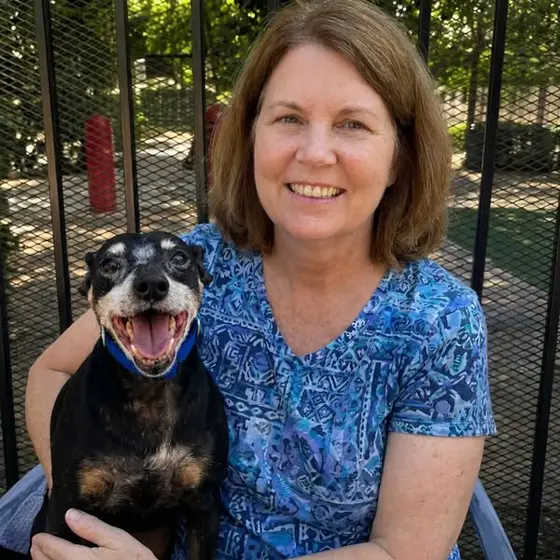
Diane Mercer walked into Cedar County Animal Shelter with a very specific request. She did not ask for the youngest dog. She did not ask for the healthiest dog. She asked for "the oldest dog you have, and the one no one wants to adopt." Shelter staff knew exactly who needed her. His name was Bear. He was 12 years old, had come into the shelter a couple of months earlier as a stray, and had the one problem that makes people walk right past a kennel without stopping. He couldn't stop scratching. His skin was raw and angry, he had a smell that clung to him, and in two years of trying, nobody had ever been able to fix it. Diane understood what it meant to hurt. Her husband had died in January. One month later, her dog died too. After so much loss, she did not go looking for an easy adoption. She went looking for a dog who needed someone, and maybe, in her own quiet way, someone she needed too. When she met Bear, she thought he was sweet. They spent a little time together, and then she made her decision. He was coming home. Diane's goal was simple. She wanted to give an old dog that nobody else would take whatever good years he had left. To make sure he finally knew what comfort, safety, and love felt like. "I wanted to give a dog who didn't have a chance, a chance," she said. And that is exactly what she set out to do. But there was one thing the warm blankets couldn't fix. He scratched. Constantly. His paws were chewed raw and pink between the pads. He'd dig at his ears until they bled. At three in the morning, Diane would hear him on the hardwood, dragging himself in circles, raking at his belly with his back legs. And there was a smell. Faint but unmistakable. That warm, greasy, corn-chip smell rising off his skin and settling into the couch cushions. Diane figured it was just part of being old. Part of being a shelter dog who'd been through too much. But she wanted to understand what had already been tried. So she asked Cedar County for his full medical file. They printed it out. It was 14 pages long. Diane sat at her kitchen table and read every one. And what she found wasn't a story about a dog who'd never been treated. It was a story about a dog who'd been treated relentlessly. By people who clearly cared. With every tool they had. And none of it worked. His previous owner, an older man who'd surrendered him when he moved into assisted living, had taken him in for the scratching when it first got bad. The Apoquel worked. For about three weeks. The itching dulled. Bear stopped chewing his paws. The vet noted "significant improvement" at the follow-up. Then it came back. Slowly at first. A little paw licking here. Some ear scratching there. Then all at once, like somebody flipped a switch, and he was right back where he started. So they increased the dose. That bought another couple of weeks. Then it stopped working again. The notes from that visit were brief. Almost clinical in how little they said: "Owner reports return of scratching. Adding Cytopoint injection." The Cytopoint helped more than the Apoquel had. Bear went almost five weeks with minimal scratching. The owner was hopeful. The vet was optimistic. Then that stopped too. There was a gap in the file after that. A few months where nobody brought Bear in. Diane could read between the lines. The owner was tired. The bills were climbing. Nothing was holding. When Bear showed up again, the vet ran a full allergy panel. It came back positive for 17 allergens. Chicken. Beef. Lamb. Dust mites. Three types of grass. Storage mites. Corn. Soy. The list kept going. Basically allergic to life itself. Diane stared at that page for a long time. The vet's note next to the panel read: "Multifactorial atopic dermatitis. Recommend elimination diet and continued immunotherapy. Goal is management, not resolution." Management, not resolution. That sentence sat in Diane's chest like a stone. Because she knew what that really meant. It meant they'd given up on fixing it. They were just going to keep treating the symptoms, keep rotating drugs, keep billing, keep hoping something would hold a little longer than the last thing. After that, the file showed a prescription diet. Then a different prescription diet. A steroid burst. A medicated shampoo. An antifungal, just in case. The last entry before Bear was surrendered simply read: "No significant change. Owner moving to care facility. Dog to be surrendered to Cedar County." No significant change. Two years of treatments. Thousands of dollars. And the last line in the file was "no significant change." Diane closed the folder and looked at Bear. He was on the kitchen floor, gnawing at his front paw, that corn-chip smell drifting up from his coat. She took a photo of every page in that file. And she sent them to her friend Lena. Dr. Lena Vogel had been Diane's college roommate's older sister. German-born, sharp as a scalpel, and one of the most respected veterinary dermatologists Diane had ever known. She'd spent fifteen years running a dermatology service at a specialty clinic in Germany. They weren't close. But they were friendly enough that when Diane texted her the photos with "Can you look at this when you have a second?" Lena called her back the next day. She didn't sound surprised. She sounded tired. Like someone who'd seen the same movie too many times. "Diane, I've seen this exact file a hundred times. Different dog, different clinic, same list. Apoquel, Cytopoint, allergy panel, elimination diet, steroids." "So what is it?" "That allergy panel wasn't wrong. Bear's immune system really was reacting to all of it. But a panel can only tell you WHAT a dog is reacting to. It can't tell you WHY. It can't see what's happening underneath." And what was happening underneath, she said, was bacterial biofilm in his gut. Lena explained it simply. Bad bacteria in the gut build a protective shield around themselves. It's called biofilm. Once it's in place, almost nothing gets through — not antibiotics, not the immune system, not probiotics. And from behind that shield, the bacteria pump out a constant stream of inflammation that the body ends up paying for on the skin. That's why the Apoquel stopped working. It was suppressing the reaction, but the thing causing the reaction was still there, behind the wall, untouched. Cytopoint was muting the itch signal, but the signal kept coming because the source never stopped broadcasting. Every treatment was aimed at the symptoms. She explained that you have to break the biofilm first. Once the shield was broken, the right probiotics could finally move in and rebuild the gut wall. Not a cheap probiotic off a shelf. Both steps. In the right order. At clinical doses. "Almost nothing on the market does both," Lena said. "That's the problem. People aren't lazy. They're not stupid. They're just using products that were never designed to address the actual problem." She told Diane about research she'd been following out of Germany. Studies showing that L-Glutamine, an amino acid, at clinical doses, could break down up to 98% of biofilm structure. Dissolve the shield. Leave the bacteria exposed and vulnerable for the first time. And then a specific combination of four medicinal mushroom probiotics — Turkey Tail, Reishi, Lion's Mane, and Cordyceps — together rebuild the gut lining and restore microbial balance from the ground up. Break the wall. Then rebuild the house. "Is there anything that actually does this?" Diane asked. "A company called Pet Organica. Clinical-dose L-Glutamine combined with the full four-mushroom stack. One scoop a day. Tasteless. You just mix it into the food. They source these ingredients in small batches because they refuse to cut the dosing. Which means they sell out constantly. And when they're gone… they're gone for weeks. Sometimes longer." Diane ordered it that night. She wasn't expecting a miracle. She'd read Bear's file. She knew what two years of failed treatments looked like. She just figured if Lena said it made sense, it was worth trying. The first week, Diane noticed he was scratching less. The frantic edge was softer. He wasn't drawing blood anymore. By week 2, his fur grew back in the spots he'd licked bald. His coat was shiny again. The redness and the irritation were gone. By the end of the first month, the scratching stopped almost completely. He started playing more. He got way more energy and is happier. After two years of clawing at himself, Bear finally had peace in his own skin. And for an old dog who'd spent that long miserable in his own body, that was everything. Diane posted about it in a rescue group she was part of online. She wasn't selling anything. She just shared Bear's story, the file, the biofilm explanation, what Lena had told her, and what happened when she tried Pet Organica. The post got over four hundred comments. Most of them said the same thing: "This is my dog." Here's what some of those dog owners had to say after trying it: Hank, a seven-year-old beagle, had been on Cytopoint injections every three weeks for over two years. His owner, Terri, said she'd spent close to four thousand dollars on injections alone and Hank still scratched so bad he had bald patches on both flanks. She started Pet Organica in March. By week four, the scratching had slowed. By week seven, she skipped his Cytopoint appointment for the first time. He didn't need it. She hasn't gone back. Sunny, a nine-year-old golden retriever, had an allergy panel that came back positive for eleven allergens. Her owner, Marcus, had tried three different prescription diets, two rounds of Apoquel, and a $600 immunotherapy protocol that did nothing. He said Sunny hadn't slept on her back in over two years because her belly was too inflamed and sensitive. He started Pet Organica on a friend's recommendation. By week five, the redness on her belly was fading. By week eight, she was sleeping on her back, legs in the air, belly fully exposed, like she used to. Marcus said he sat on the floor next to her and cried. Biscuit, a five-year-old French bulldog, had chronic ear infections and that same corn-chip smell between her skin folds. Her owner, Janelle, said she'd been to the vet nine times in one year for the ears alone. Antibiotics, antifungals, ear flushes, medicated wipes. It would clear up for a week and come right back. She started Pet Organica in June. By week three, the smell was gone. By week six, the ears were dry and clean for the first time since Biscuit was a puppy. Janelle said she keeps checking them every morning out of habit, expecting it to come back. It hasn't. Here's the thing. If you're reading this and you've lived some version of this story… The rotating medications. The allergy panel with too many positives. The vet visits that end with "we'll try something else." The slow, expensive, exhausting cycle of hope and disappointment. You're not crazy. And your dog isn't broken. Everything you tried never addressed what was actually going on underneath. Pet Organica costs about a dollar a day. Most of the people in that rescue group had already spent thousands. It comes with a 180-day money-back guarantee. You can send back empty bags. They don't care. If it doesn't work for your dog, you get your money back. Two years ago, Bear's belly was raw and bleeding and he was being prepared for euthanasia. Now his skin issues are completely gone, he is like a new dog, and it improved his quality of life so much. Your dog has the same history Bear did. https://petorganicaco.com/products/vet-recommended-allergy-support

Placements and targeting

FacebookInstagramAudience NetworkMessengerThreads🇬🇧 United Kingdom

More ads from Emily Carter

Full Emily Carter profile
Emily Carter
Emily Carter
+1
Inactive134 days
petorganicaco.com
👉 Tried Apoquel AND Cytopoint? Read This..
See details

Diane Mercer walked into Cedar County Animal Shelter with a very specific request. She did not ask for the youngest dog. She did not ask for the healthiest dog. She asked for "the oldest dog you have, and the one no one wants to adopt." Shelter staff knew exactly who needed her. His name was Bear. He was 12 years old, had come into the shelter a couple of months earlier as a stray, and had the one problem that makes people walk right past a kennel without stopping. He couldn't stop scratching. His skin was raw and angry, he had a smell that clung to him, and in two years of trying, nobody had ever been able to fix it. Diane understood what it meant to hurt. Her husband had died in January. One month later, her dog died too. After so much loss, she did not go looking for an easy adoption. She went looking for a dog who needed someone, and maybe, in her own quiet way, someone she needed too. When she met Bear, she thought he was sweet. They spent a little time together, and then she made her decision. He was coming home. Diane's goal was simple. She wanted to give an old dog that nobody else would take whatever good years he had left. To make sure he finally knew what comfort, safety, and love felt like. "I wanted to give a dog who didn't have a chance, a chance," she said. And that is exactly what she set out to do. But there was one thing the warm blankets couldn't fix. He scratched. Constantly. His paws were chewed raw and pink between the pads. He'd dig at his ears until they bled. At three in the morning, Diane would hear him on the hardwood, dragging himself in circles, raking at his belly with his back legs. And there was a smell. Faint but unmistakable. That warm, greasy, corn-chip smell rising off his skin and settling into the couch cushions. Diane figured it was just part of being old. Part of being a shelter dog who'd been through too much. But she wanted to understand what had already been tried. So she asked Cedar County for his full medical file. They printed it out. It was 14 pages long. Diane sat at her kitchen table and read every one. And what she found wasn't a story about a dog who'd never been treated. It was a story about a dog who'd been treated relentlessly. By people who clearly cared. With every tool they had. And none of it worked. His previous owner, an older man who'd surrendered him when he moved into assisted living, had taken him in for the scratching when it first got bad. The Apoquel worked. For about three weeks. The itching dulled. Bear stopped chewing his paws. The vet noted "significant improvement" at the follow-up. Then it came back. Slowly at first. A little paw licking here. Some ear scratching there. Then all at once, like somebody flipped a switch, and he was right back where he started. So they increased the dose. That bought another couple of weeks. Then it stopped working again. The notes from that visit were brief. Almost clinical in how little they said: "Owner reports return of scratching. Adding Cytopoint injection." The Cytopoint helped more than the Apoquel had. Bear went almost five weeks with minimal scratching. The owner was hopeful. The vet was optimistic. Then that stopped too. There was a gap in the file after that. A few months where nobody brought Bear in. Diane could read between the lines. The owner was tired. The bills were climbing. Nothing was holding. When Bear showed up again, the vet ran a full allergy panel. It came back positive for 17 allergens. Chicken. Beef. Lamb. Dust mites. Three types of grass. Storage mites. Corn. Soy. The list kept going. Basically allergic to life itself. Diane stared at that page for a long time. The vet's note next to the panel read: "Multifactorial atopic dermatitis. Recommend elimination diet and continued immunotherapy. Goal is management, not resolution." Management, not resolution. That sentence sat in Diane's chest like a stone. Because she knew what that really meant. It meant they'd given up on fixing it. They were just going to keep treating the symptoms, keep rotating drugs, keep billing, keep hoping something would hold a little longer than the last thing. After that, the file showed a prescription diet. Then a different prescription diet. A steroid burst. A medicated shampoo. An antifungal, just in case. The last entry before Bear was surrendered simply read: "No significant change. Owner moving to care facility. Dog to be surrendered to Cedar County." No significant change. Two years of treatments. Thousands of dollars. And the last line in the file was "no significant change." Diane closed the folder and looked at Bear. He was on the kitchen floor, gnawing at his front paw, that corn-chip smell drifting up from his coat. She took a photo of every page in that file. And she sent them to her friend Lena. Dr. Lena Vogel had been Diane's college roommate's older sister. German-born, sharp as a scalpel, and one of the most respected veterinary dermatologists Diane had ever known. She'd spent fifteen years running a dermatology service at a specialty clinic in Germany. They weren't close. But they were friendly enough that when Diane texted her the photos with "Can you look at this when you have a second?" Lena called her back the next day. She didn't sound surprised. She sounded tired. Like someone who'd seen the same movie too many times. "Diane, I've seen this exact file a hundred times. Different dog, different clinic, same list. Apoquel, Cytopoint, allergy panel, elimination diet, steroids." "So what is it?" "That allergy panel wasn't wrong. Bear's immune system really was reacting to all of it. But a panel can only tell you WHAT a dog is reacting to. It can't tell you WHY. It can't see what's happening underneath." And what was happening underneath, she said, was bacterial biofilm in his gut. Lena explained it simply. Bad bacteria in the gut build a protective shield around themselves. It's called biofilm. Once it's in place, almost nothing gets through — not antibiotics, not the immune system, not probiotics. And from behind that shield, the bacteria pump out a constant stream of inflammation that the body ends up paying for on the skin. That's why the Apoquel stopped working. It was suppressing the reaction, but the thing causing the reaction was still there, behind the wall, untouched. Cytopoint was muting the itch signal, but the signal kept coming because the source never stopped broadcasting. Every treatment was aimed at the symptoms. She explained that you have to break the biofilm first. Once the shield was broken, the right probiotics could finally move in and rebuild the gut wall. Not a cheap probiotic off a shelf. Both steps. In the right order. At clinical doses. "Almost nothing on the market does both," Lena said. "That's the problem. People aren't lazy. They're not stupid. They're just using products that were never designed to address the actual problem." She told Diane about research she'd been following out of Germany. Studies showing that L-Glutamine, an amino acid, at clinical doses, could break down up to 98% of biofilm structure. Dissolve the shield. Leave the bacteria exposed and vulnerable for the first time. And then a specific combination of four medicinal mushroom probiotics — Turkey Tail, Reishi, Lion's Mane, and Cordyceps — together rebuild the gut lining and restore microbial balance from the ground up. Break the wall. Then rebuild the house. "Is there anything that actually does this?" Diane asked. "A company called Pet Organica. Clinical-dose L-Glutamine combined with the full four-mushroom stack. One scoop a day. Tasteless. You just mix it into the food. They source these ingredients in small batches because they refuse to cut the dosing. Which means they sell out constantly. And when they're gone… they're gone for weeks. Sometimes longer." Diane ordered it that night. She wasn't expecting a miracle. She'd read Bear's file. She knew what two years of failed treatments looked like. She just figured if Lena said it made sense, it was worth trying. The first week, Diane noticed he was scratching less. The frantic edge was softer. He wasn't drawing blood anymore. By week 2, his fur grew back in the spots he'd licked bald. His coat was shiny again. The redness and the irritation were gone. By the end of the first month, the scratching stopped almost completely. He started playing more. He got way more energy and is happier. After two years of clawing at himself, Bear finally had peace in his own skin. And for an old dog who'd spent that long miserable in his own body, that was everything. Diane posted about it in a rescue group she was part of online. She wasn't selling anything. She just shared Bear's story, the file, the biofilm explanation, what Lena had told her, and what happened when she tried Pet Organica. The post got over four hundred comments. Most of them said the same thing: "This is my dog." Here's what some of those dog owners had to say after trying it: Hank, a seven-year-old beagle, had been on Cytopoint injections every three weeks for over two years. His owner, Terri, said she'd spent close to four thousand dollars on injections alone and Hank still scratched so bad he had bald patches on both flanks. She started Pet Organica in March. By week four, the scratching had slowed. By week seven, she skipped his Cytopoint appointment for the first time. He didn't need it. She hasn't gone back. Sunny, a nine-year-old golden retriever, had an allergy panel that came back positive for eleven allergens. Her owner, Marcus, had tried three different prescription diets, two rounds of Apoquel, and a $600 immunotherapy protocol that did nothing. He said Sunny hadn't slept on her back in over two years because her belly was too inflamed and sensitive. He started Pet Organica on a friend's recommendation. By week five, the redness on her belly was fading. By week eight, she was sleeping on her back, legs in the air, belly fully exposed, like she used to. Marcus said he sat on the floor next to her and cried. Biscuit, a five-year-old French bulldog, had chronic ear infections and that same corn-chip smell between her skin folds. Her owner, Janelle, said she'd been to the vet nine times in one year for the ears alone. Antibiotics, antifungals, ear flushes, medicated wipes. It would clear up for a week and come right back. She started Pet Organica in June. By week three, the smell was gone. By week six, the ears were dry and clean for the first time since Biscuit was a puppy. Janelle said she keeps checking them every morning out of habit, expecting it to come back. It hasn't. Here's the thing. If you're reading this and you've lived some version of this story… The rotating medications. The allergy panel with too many positives. The vet visits that end with "we'll try something else." The slow, expensive, exhausting cycle of hope and disappointment. You're not crazy. And your dog isn't broken. Everything you tried never addressed what was actually going on underneath. Pet Organica costs about a dollar a day. Most of the people in that rescue group had already spent thousands. It comes with a 180-day money-back guarantee. You can send back empty bags. They don't care. If it doesn't work for your dog, you get your money back. Two years ago, Bear's belly was raw and bleeding and he was being prepared for euthanasia. Now his skin issues are completely gone, he is like a new dog, and it improved his quality of life so much. Your dog has the same history Bear did. https://petorganicaco.com/products/vet-recommended-allergy-support

Emily Carter
Emily Carter
+1
Inactive134 days
petorganicaco.com
👉 Tried Apoquel AND Cytopoint? Read This..
See details

Diane Mercer walked into Cedar County Animal Shelter with a very specific request. She did not ask for the youngest dog. She did not ask for the healthiest dog. She asked for "the oldest dog you have, and the one no one wants to adopt." Shelter staff knew exactly who needed her. His name was Bear. He was 12 years old, had come into the shelter a couple of months earlier as a stray, and had the one problem that makes people walk right past a kennel without stopping. He couldn't stop scratching. His skin was raw and angry, he had a smell that clung to him, and in two years of trying, nobody had ever been able to fix it. Diane understood what it meant to hurt. Her husband had died in January. One month later, her dog died too. After so much loss, she did not go looking for an easy adoption. She went looking for a dog who needed someone, and maybe, in her own quiet way, someone she needed too. When she met Bear, she thought he was sweet. They spent a little time together, and then she made her decision. He was coming home. Diane's goal was simple. She wanted to give an old dog that nobody else would take whatever good years he had left. To make sure he finally knew what comfort, safety, and love felt like. "I wanted to give a dog who didn't have a chance, a chance," she said. And that is exactly what she set out to do. But there was one thing the warm blankets couldn't fix. He scratched. Constantly. His paws were chewed raw and pink between the pads. He'd dig at his ears until they bled. At three in the morning, Diane would hear him on the hardwood, dragging himself in circles, raking at his belly with his back legs. And there was a smell. Faint but unmistakable. That warm, greasy, corn-chip smell rising off his skin and settling into the couch cushions. Diane figured it was just part of being old. Part of being a shelter dog who'd been through too much. But she wanted to understand what had already been tried. So she asked Cedar County for his full medical file. They printed it out. It was 14 pages long. Diane sat at her kitchen table and read every one. And what she found wasn't a story about a dog who'd never been treated. It was a story about a dog who'd been treated relentlessly. By people who clearly cared. With every tool they had. And none of it worked. His previous owner, an older man who'd surrendered him when he moved into assisted living, had taken him in for the scratching when it first got bad. The Apoquel worked. For about three weeks. The itching dulled. Bear stopped chewing his paws. The vet noted "significant improvement" at the follow-up. Then it came back. Slowly at first. A little paw licking here. Some ear scratching there. Then all at once, like somebody flipped a switch, and he was right back where he started. So they increased the dose. That bought another couple of weeks. Then it stopped working again. The notes from that visit were brief. Almost clinical in how little they said: "Owner reports return of scratching. Adding Cytopoint injection." The Cytopoint helped more than the Apoquel had. Bear went almost five weeks with minimal scratching. The owner was hopeful. The vet was optimistic. Then that stopped too. There was a gap in the file after that. A few months where nobody brought Bear in. Diane could read between the lines. The owner was tired. The bills were climbing. Nothing was holding. When Bear showed up again, the vet ran a full allergy panel. It came back positive for 17 allergens. Chicken. Beef. Lamb. Dust mites. Three types of grass. Storage mites. Corn. Soy. The list kept going. Basically allergic to life itself. Diane stared at that page for a long time. The vet's note next to the panel read: "Multifactorial atopic dermatitis. Recommend elimination diet and continued immunotherapy. Goal is management, not resolution." Management, not resolution. That sentence sat in Diane's chest like a stone. Because she knew what that really meant. It meant they'd given up on fixing it. They were just going to keep treating the symptoms, keep rotating drugs, keep billing, keep hoping something would hold a little longer than the last thing. After that, the file showed a prescription diet. Then a different prescription diet. A steroid burst. A medicated shampoo. An antifungal, just in case. The last entry before Bear was surrendered simply read: "No significant change. Owner moving to care facility. Dog to be surrendered to Cedar County." No significant change. Two years of treatments. Thousands of dollars. And the last line in the file was "no significant change." Diane closed the folder and looked at Bear. He was on the kitchen floor, gnawing at his front paw, that corn-chip smell drifting up from his coat. She took a photo of every page in that file. And she sent them to her friend Lena. Dr. Lena Vogel had been Diane's college roommate's older sister. German-born, sharp as a scalpel, and one of the most respected veterinary dermatologists Diane had ever known. She'd spent fifteen years running a dermatology service at a specialty clinic in Germany. They weren't close. But they were friendly enough that when Diane texted her the photos with "Can you look at this when you have a second?" Lena called her back the next day. She didn't sound surprised. She sounded tired. Like someone who'd seen the same movie too many times. "Diane, I've seen this exact file a hundred times. Different dog, different clinic, same list. Apoquel, Cytopoint, allergy panel, elimination diet, steroids." "So what is it?" "That allergy panel wasn't wrong. Bear's immune system really was reacting to all of it. But a panel can only tell you WHAT a dog is reacting to. It can't tell you WHY. It can't see what's happening underneath." And what was happening underneath, she said, was bacterial biofilm in his gut. Lena explained it simply. Bad bacteria in the gut build a protective shield around themselves. It's called biofilm. Once it's in place, almost nothing gets through — not antibiotics, not the immune system, not probiotics. And from behind that shield, the bacteria pump out a constant stream of inflammation that the body ends up paying for on the skin. That's why the Apoquel stopped working. It was suppressing the reaction, but the thing causing the reaction was still there, behind the wall, untouched. Cytopoint was muting the itch signal, but the signal kept coming because the source never stopped broadcasting. Every treatment was aimed at the symptoms. She explained that you have to break the biofilm first. Once the shield was broken, the right probiotics could finally move in and rebuild the gut wall. Not a cheap probiotic off a shelf. Both steps. In the right order. At clinical doses. "Almost nothing on the market does both," Lena said. "That's the problem. People aren't lazy. They're not stupid. They're just using products that were never designed to address the actual problem." She told Diane about research she'd been following out of Germany. Studies showing that L-Glutamine, an amino acid, at clinical doses, could break down up to 98% of biofilm structure. Dissolve the shield. Leave the bacteria exposed and vulnerable for the first time. And then a specific combination of four medicinal mushroom probiotics — Turkey Tail, Reishi, Lion's Mane, and Cordyceps — together rebuild the gut lining and restore microbial balance from the ground up. Break the wall. Then rebuild the house. "Is there anything that actually does this?" Diane asked. "A company called Pet Organica. Clinical-dose L-Glutamine combined with the full four-mushroom stack. One scoop a day. Tasteless. You just mix it into the food. They source these ingredients in small batches because they refuse to cut the dosing. Which means they sell out constantly. And when they're gone… they're gone for weeks. Sometimes longer." Diane ordered it that night. She wasn't expecting a miracle. She'd read Bear's file. She knew what two years of failed treatments looked like. She just figured if Lena said it made sense, it was worth trying. The first week, Diane noticed he was scratching less. The frantic edge was softer. He wasn't drawing blood anymore. By week 2, his fur grew back in the spots he'd licked bald. His coat was shiny again. The redness and the irritation were gone. By the end of the first month, the scratching stopped almost completely. He started playing more. He got way more energy and is happier. After two years of clawing at himself, Bear finally had peace in his own skin. And for an old dog who'd spent that long miserable in his own body, that was everything. Diane posted about it in a rescue group she was part of online. She wasn't selling anything. She just shared Bear's story, the file, the biofilm explanation, what Lena had told her, and what happened when she tried Pet Organica. The post got over four hundred comments. Most of them said the same thing: "This is my dog." Here's what some of those dog owners had to say after trying it: Hank, a seven-year-old beagle, had been on Cytopoint injections every three weeks for over two years. His owner, Terri, said she'd spent close to four thousand dollars on injections alone and Hank still scratched so bad he had bald patches on both flanks. She started Pet Organica in March. By week four, the scratching had slowed. By week seven, she skipped his Cytopoint appointment for the first time. He didn't need it. She hasn't gone back. Sunny, a nine-year-old golden retriever, had an allergy panel that came back positive for eleven allergens. Her owner, Marcus, had tried three different prescription diets, two rounds of Apoquel, and a $600 immunotherapy protocol that did nothing. He said Sunny hadn't slept on her back in over two years because her belly was too inflamed and sensitive. He started Pet Organica on a friend's recommendation. By week five, the redness on her belly was fading. By week eight, she was sleeping on her back, legs in the air, belly fully exposed, like she used to. Marcus said he sat on the floor next to her and cried. Biscuit, a five-year-old French bulldog, had chronic ear infections and that same corn-chip smell between her skin folds. Her owner, Janelle, said she'd been to the vet nine times in one year for the ears alone. Antibiotics, antifungals, ear flushes, medicated wipes. It would clear up for a week and come right back. She started Pet Organica in June. By week three, the smell was gone. By week six, the ears were dry and clean for the first time since Biscuit was a puppy. Janelle said she keeps checking them every morning out of habit, expecting it to come back. It hasn't. Here's the thing. If you're reading this and you've lived some version of this story… The rotating medications. The allergy panel with too many positives. The vet visits that end with "we'll try something else." The slow, expensive, exhausting cycle of hope and disappointment. You're not crazy. And your dog isn't broken. Everything you tried never addressed what was actually going on underneath. Pet Organica costs about a dollar a day. Most of the people in that rescue group had already spent thousands. It comes with a 180-day money-back guarantee. You can send back empty bags. They don't care. If it doesn't work for your dog, you get your money back. Two years ago, Bear's belly was raw and bleeding and he was being prepared for euthanasia. Now his skin issues are completely gone, he is like a new dog, and it improved his quality of life so much. Your dog has the same history Bear did. https://petorganicaco.com/products/vet-recommended-allergy-support

Similar haircare ads

Festzeltal=2
Festzeltal=2
+2
Inactive105 days
festzeltal.de
Elektrisk sprayluftputemassasjekam
Shop now

💆‍♀️✨ Tired of dry, frizzy hair and an itchy stressed scalp? This Electric Spray Air Cushion Massage Comb combines gentle scalp massage with ultra-fine mist hydration to help leave your hair smoother, shinier, and easier to manage every day ✅ Ultra-fine spray helps hydrate dry hair & scalp ✅ Gentle air cushion massage helps reduce pulling & breakage ✅ Helps smooth frizz and reduce static flyaways ✅ Comfortable ergonomic design for daily use ✅ Perfect for straight, curly, thick, or damaged hair Upgrade your hair care routine with salon-style scalp care anytime, anywhere. 💖

Sqchwerin.hn
Sqchwerin.hn
+1
Inactive109 days
warmglowday.com
4-in-1 auslaufsicheres, drehbares Reisedispenser-Set
Shop now

✈️🧴 4 Produkte – nur 1 Flasche! Mit dem 4-in-1 auslaufsicheren, drehbaren Reisedispenser nimmst du deine wichtigsten Pflegeprodukte überallhin mit – ganz ohne Chaos im Koffer. 🧴 Shampoo 🧼 Duschgel 🧴 Lotion 🧴 Gesichtspflege Einfach drehen und drücken – schon bekommst du genau das Produkt, das du brauchst 🔄 🌍 Perfekt für Reisen, Fitnessstudio oder Camping 🎒 Spart Platz im Koffer oder Rucksack 💧 Auslaufsicheres Design schützt dein Gepäck ♻️ Wiederbefüllbar und langlebig ✨ Nie wieder mehrere kleine Flaschen mitnehmen! 🔥 Der perfekte Reisebegleiter für unterwegs.

Be Love
Be Love
Inactive130 days
belove.land
Learn more

L’estate è arrivata! ☀️ Ma avete pensato a come proteggere il vostro pet da parassiti, insetti, calore e sporco durante le vostre avventure?⛰️ Noi di Be Love abbiamo creato il compagno di viaggio ideale: il nostro Summer Kit, studiato nei minimi dettagli per una protezione e cura a 365 gradi. 🐾✨ Ecco cosa abbiamo inserito per voi nel kit: 🛡️ Be Free Shampoo (250 ml): l’alleato contro parassiti, pulci e zecche. Una barriera naturale ed efficace grazie a Tea Tree Oil, Olio di Neem e Clorexidina. 🦟 Be Neem Spray: la nostra lozione idroalcolica a base di olio di Neem, Citronella e oli essenziali per tenere alla larga insetti fastidiosi in modo delicato. 🐾 Be Paw Crema: una formula ricchissima ed emolliente per proteggere i polpastrelli da asfalto rovente, sabbia, sale e sporco, prevenendo screpolature e callosità. 🪮 Be Brush: l’indispensabile spazzola cardatore (con pettinino per la pulizia incluso) per eliminare nodi e polvere dopo le passeggiate. 🎁 IL NOSTRO REGALO PER VOI: Con l’acquisto del Summer Kit, lo Zaino firmato Be Love è in OMAGGIO! Pratico, leggero e perfetto per contenere tutto il necessario del tuo peloso. Non rinunciare alla sua sicurezza. Scegli formule naturali e protettive💙 👉🏼Scopri tutti i nostri prodotti sul nostro sito www.belove.land #belove #kitestivo #estateconcani #prodottiperanimali

Be Love
Be Love
Inactive130 days
belove.land
Learn more

L’estate è arrivata! ☀️ Ma avete pensato a come proteggere il vostro pet da parassiti, insetti, calore e sporco durante le vostre avventure?⛰️ Noi di Be Love abbiamo creato il compagno di viaggio ideale: il nostro Summer Kit, studiato nei minimi dettagli per una protezione e cura a 365 gradi. 🐾✨ Ecco cosa abbiamo inserito per voi nel kit: 🛡️ Be Free Shampoo (250 ml): l’alleato contro parassiti, pulci e zecche. Una barriera naturale ed efficace grazie a Tea Tree Oil, Olio di Neem e Clorexidina. 🦟 Be Neem Spray: la nostra lozione idroalcolica a base di olio di Neem, Citronella e oli essenziali per tenere alla larga insetti fastidiosi in modo delicato. 🐾 Be Paw Crema: una formula ricchissima ed emolliente per proteggere i polpastrelli da asfalto rovente, sabbia, sale e sporco, prevenendo screpolature e callosità. 🪮 Be Brush: l’indispensabile spazzola cardatore (con pettinino per la pulizia incluso) per eliminare nodi e polvere dopo le passeggiate. 🎁 IL NOSTRO REGALO PER VOI: Con l’acquisto del Summer Kit, lo Zaino firmato Be Love è in OMAGGIO! Pratico, leggero e perfetto per contenere tutto il necessario del tuo peloso. Non rinunciare alla sua sicurezza. Scegli formule naturali e protettive💙 👉🏼Scopri tutti i nostri prodotti sul nostro sito www.belove.land #belove #kitestivo #estateconcani #prodottiperanimali

See all ads

Create a free account to unlock every creative, video and landing page.

Sign up free

Keep exploring

Free plan, no card needed

Find more ads like this

Search millions of real ads by keyword, niche and format, and save the winners to your swipe file.

Start free