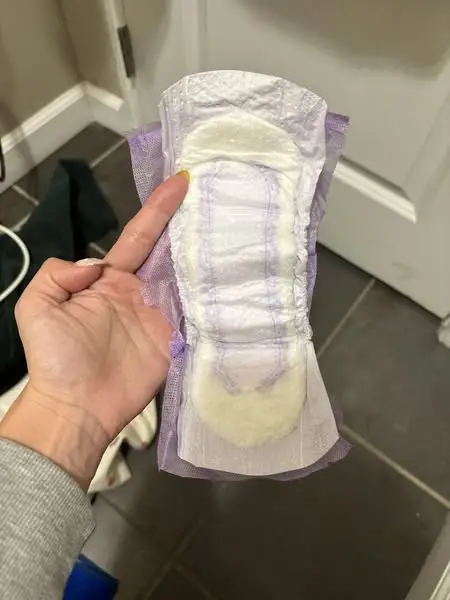
Dr.Micheal Reeves  Facebook ad creative
derythm.com
🎃 Natural Support for Your Daily Routine
Learn more

Dr.Micheal Reeves Facebook and Instagram ad

Dr.Micheal Reeves ran this carousel ad since Jun 26, 2026, 1 days so far.

First seen
Jun 26, 2026
Running for
1 days
Format
Carousel
Call to action
Learn more
Niche
Health and supplements
Countries
Not disclosed
Page likes
36

Ad copy

If you're a woman over 45 and your bladder has started making decisions for you… I'm begging you, please read this before you leave the house tomorrow morning. Because what I'm about to share with you could be the difference between getting your bladder working properly again within 4 weeks… and ending up in a surgeon's office in 5 years having a mesh sling implanted through your pelvic floor. My name is Dr. Lisa Downing, and I've spent 19 years as a board-certified urogynecologist specializing in overactive bladder and stress incontinence in women over 40. And in those 19 years, I have watched the same heartbreaking pattern play out in my clinic over and over again. A woman walks in at 47. She tells me she leaked a little when she sneezed last month. She laughs about it. Her doctor told her to do Kegels and it would go away. Five years later, she's back. Now she's wearing a panty liner every single day. She's stopped jumping on the trampoline with her grandkids. She "maps" every bathroom before she walks into a store. She tells me her bladder "just has a mind of its own" now. Five years after that, she's in my office in tears. She leaked through her pants at her daughter's wedding. In front of everyone. She's wearing full adult diapers now. She hasn't slept through the night in three years because she's up every 90 minutes. Five years after THAT… I'm scheduling her for a transvaginal mesh sling surgery. A procedure with a 15% complication rate that the FDA has issued multiple warnings about. And every one of these women tells me the same thing on the way out: "Doctor, I wish someone had told me what was actually happening inside me 15 years ago." Well that's what I'm doing right now. I'm telling you. Because if you're a woman over 45 currently relying on Kegels, panty liners, or medications like Oxybutynin or Myrbetriq to get through the day, you are walking that exact same path right now whether you realize it or not. And it's not because your pelvic floor is "weak." It's not because you had children. It's not because you're "just getting older." It's something far more dangerous than that. Let me explain. You see, every OB-GYN in America will tell you that Kegels are the answer. They'll tell you to squeeze and hold, squeeze and hold, and your leaking will get better. And for some women in their 30s, that technically works. But what they don't tell you… because most of them don't even understand it… is that after 45, the actual cause of your bladder leakage has almost nothing to do with muscle strength. And that cause has nothing to do with how many babies you had. Nothing to do with your weight. Nothing to do with menopause "just being hard." It has to do with two things nobody is testing for: a hormonal collapse that has silently thinned your urethral lining to the point where it can no longer form a seal… and a smooth muscle dysfunction in your detrusor that is causing your bladder wall to spasm uncontrollably. Let me walk you through what's actually happening inside you right now. 👉 The first thing that's going on is that your estrogen has dropped off a cliff. You already know this. Every woman over 45 knows her hormones have shifted. But what your doctor never told you is what that estrogen drop is doing specifically to your urinary tract. You see, your urethra — the tube that carries urine out of your body — is lined with a special mucosal tissue. That tissue depends entirely on estrogen to stay thick, plump, and elastic. When estrogen drops during perimenopause and menopause, that lining starts to thin. It loses its cushion. It loses its ability to compress and form a watertight seal. Think of it like a garden hose. When a hose is new and thick, you can kink it and stop the flow completely. But take that same hose, leave it in the sun for 10 years until the rubber thins and cracks, and no amount of kinking will stop the drip. That's your urethra right now. Your pelvic floor muscles can squeeze all day long — Kegels until you're blue in the face — but if the tissue they're squeezing around has thinned to the point where it can't hold a seal, nothing will stop the drip. THIS is why Kegels stopped working for you. Not because you're doing them wrong. Not because you're not doing enough of them. The tissue itself has degraded. But that's only half the problem. 👉 The second thing happening is that your bladder wall muscle has become hyperactive. Your bladder has a smooth muscle called the detrusor. Its job is to stay relaxed while your bladder fills, then contract when YOU decide it's time to go. But in women over 45, something goes wrong with the signaling. Chronic low-grade inflammation in the bladder wall — driven by that same estrogen decline — starts irritating the nerve endings embedded in the detrusor muscle. Those irritated nerves start firing on their own. Randomly. Without your permission. That's the "sudden urgency" you feel. That wave of "I have to go RIGHT NOW" even when your bladder is only a quarter full. It's not weakness. It's involuntary spasms. Your bladder is literally contracting when you didn't tell it to. Published research in the International Urogynecology Journal has shown that this inflammatory cascade in the detrusor increases involuntary contractions by up to 340% in postmenopausal women. In other words, your bladder isn't weak. It's misfiring. Over and over and over again. 🛑 And here's where the medications become the villain in this story. Oxybutynin, Tolterodine, Myrbetriq — every overactive bladder drug on the market works the same way. They block the nerve signals to your bladder muscle to stop it from spasming. Sounds great, right? Here's the problem. Those same nerve receptors exist in your brain. In your gut. In your eyes. In your salivary glands. That's why every woman on these medications gets the same side effects. Dry mouth so severe you can't swallow. Constipation. Blurred vision. And the one nobody talks about until it's too late — cognitive decline. A landmark study published in JAMA Internal Medicine followed over 3,400 adults taking anticholinergic drugs like Oxybutynin. The results were devastating: a 54% increased risk of dementia after just 3 years of use. Read that again. 54% increased risk of dementia. Your doctor handed you a pill to stop bladder leaks, and that pill is quietly increasing your risk of losing your mind. But it gets worse. While those medications are blocking nerve signals throughout your entire body, the actual inflammation driving the spasms is still there. Still growing. Still thinning the urethral tissue. Every single morning you take Oxybutynin or Myrbetriq to mask the spasms… the underlying damage is getting worse. The medications are a bandaid on a broken pipe. They muffle the alarm while the house floods. That's why women on these drugs need higher and higher doses over time. The inflammation progresses. The tissue thins further. The spasms intensify. So you need stronger signal-blocking to compensate. Eventually, the maximum dose stops working. That's when women add pads. Then adult diapers. Then they stop going out. Then they stop living. And while that bladder inflammation sits inside you, growing worse every day these medications keep it hidden, the damage starts spreading. The chronic inflammation disrupts your sleep. Not just from waking to pee — from the inflammatory cytokines flooding your system at 2am. The brain fog that you've been chalking up to menopause? That's neuroinflammation from the same cascade. The joint stiffness every morning? The low energy? The anxiety that appeared out of nowhere? None of it is aging. Your body is being slowly overtaken by a bladder inflammatory process that your medications are hiding from you, while the damage compounds every single day. This is what no doctor is telling you. And it's why I'm writing this post tonight. Now, the good news is, this is reversible. I've watched hundreds of my patients reverse it in 4 weeks. But to actually fix this, four things have to happen: ✅ First, you have to rebuild the urethral mucosal lining. As long as that tissue is thin and degraded, no amount of Kegels or medications will create a seal. This is the step every doctor in America is skipping. They're telling you to squeeze a muscle around tissue that's already worn away. It's like putting new tires on a car with no axle. ✅ Second, you have to calm the inflammatory cascade in the detrusor muscle. Because the involuntary spasms won't stop until the inflamed nerve endings stop firing. Blocking the signals with drugs is not calming the inflammation — it's just muting the alarm. The fire is still burning. ✅ Third, you have to restore the hormonal support that maintains bladder tissue integrity. Not with synthetic HRT. Not with bioidentical estrogen that carries its own risks. With phytoestrogens — plant compounds that your estrogen receptors recognize and respond to without the dangerous downstream effects. ✅ Fourth, you have to strengthen the smooth muscle tone of both the detrusor and the pelvic floor from the inside out. Not with exercises. With the actual nutritional building blocks that smooth muscle tissue requires to maintain proper contractile function. Without those building blocks, you're asking a malnourished muscle to perform like an Olympic athlete. Kegels fail steps 1, 3, and 4 — they work a muscle around tissue that's no longer there, with no hormonal support and no nutritional substrate. Medications fail all four steps — they mask symptoms while every underlying driver gets worse. Pads skip all four steps entirely. But there is one compound that does all four. And it's been sitting inside a pumpkin this entire time. Pumpkin seed oil. Not pumpkin seeds. Not pumpkin puree. The cold-pressed oil extracted from Styrian pumpkin seeds — the specific variety that contains the highest concentration of the active compounds your bladder needs. Here's what's in it and why it works: Delta-7-sterol and delta-7,22,25(27)-stigmastatrienol — These are phytosterols unique to pumpkin seed oil that directly interact with estrogen receptors in your urethral and bladder tissue. A double-blind, placebo-controlled study published in the Journal of Traditional and Complementary Medicine found that women taking pumpkin seed oil experienced a 39% reduction in overactive bladder symptoms within just 6 weeks. They support mucosal regeneration without the systemic risks of hormone replacement. Beta-sitosterol — A potent anti-inflammatory that has been shown in over 400 published studies to reduce the exact type of chronic low-grade inflammation that drives detrusor hyperactivity. It calms the nerve endings. It stops the involuntary spasms at their source. Zinc, magnesium, and essential fatty acids (omega-3, omega-6, and omega-9) — The literal building blocks of smooth muscle tissue. These are the substrates your detrusor muscle and pelvic floor have been starving for. Research published in Nutrition Research and Practice demonstrated that these micronutrients significantly improve smooth muscle contractile function in pelvic floor tissue. Secoisolariciresinol (lignans) — Natural DHT inhibitors that prevent the hormonal cascade responsible for continued tissue thinning. A study in Phytotherapy Research confirmed their role in supporting lower urinary tract function in postmenopausal women. This is not a folk remedy. This is not a TikTok trend. This is peer-reviewed, published, clinical science. I personally take pumpkin seed oil. I give it to my mother, who's 73 and was wearing three pads a day before she started. And I recommend it to my female patients over 45. There's one formula that combines the right extraction method, the right variety of pumpkin seed, and the right clinical dosage in a simple softgel. It's called Everly Pumpkin Seed Oil Softgels. It's not sold in stores. You order it online. But it's the closest thing to a real solution I've ever seen for what you're dealing with. Here's what I typically see in my female patients within the first 4 weeks of starting Everly: ✅ Week 1: The urgency starts to ease. That panicked "I have to go RIGHT NOW" feeling softens. Most women tell me they noticed they made it to the bathroom without rushing for the first time in months. ✅ Week 2: The nighttime trips drop. Where they were up 3-4 times per night, they're now down to once. Maybe twice. They tell me they actually slept. Some of them tell me they cried. ✅ Week 3: The leaks stop. Sneezing, laughing, coughing — dry. They throw the panty liners away. They jump on the trampoline with their grandkids. One of my patients told me she did jumping jacks in her kitchen just to test it. Dry. ✅ Week 4: They come back to my office and tell me they feel like themselves again. The brain fog has lifted. The nighttime anxiety is gone. The energy is back. And they haven't bought a single pad in two weeks. Most of them are off Oxybutynin completely by this point. Now, before I made this post, I reached out to the team at Everly and told them I was about to expose how current bladder medications are quietly making incontinence worse for millions of women over 45 while increasing their risk of cognitive decline. They were so moved that they wanted to help. And the best part is they back it with a full money-back guarantee. If after 90 days you're not sleeping through the night… if you're not dry when you laugh, sneeze, and cough… if you haven't thrown your pads in the garbage… you send the bottles back and they'll refund every single penny. So please. I'm begging you. Don't take another Oxybutynin tomorrow morning. Don't buy another pack of Poise pads. Don't schedule another appointment where your doctor tells you to "do more Kegels." Every day you spend masking your symptoms is a day the underlying inflammation, tissue degradation, and smooth muscle dysfunction is silently getting worse inside you. Click the link below tonight. Order rythm Pumpkin Seed Oil Softgels. Take your first softgels with breakfast tomorrow morning instead of that bladder medication. Your future self will thank you. 👉 https://derythm.com/products/pumkin-seed-oil

Placements and targeting

FacebookInstagramAudience NetworkMessengerThreads

More ads from Dr.Micheal Reeves

Full Dr.Micheal Reeves profile
Dr.Micheal Reeves
Dr.Micheal Reeves
+1
Inactive134 days
derythm.com
🎃 Natural Support for Your Daily Routine
Learn more

If you've been diagnosed with an enlarged prostate, your doctor put you on Flomax or tamsulosin, you're still getting up three to five times a night to pee, and every supplement you've tried has either stopped working or done absolutely nothing — I'm about to tell you exactly what they're not telling you and why they'll NEVER give you the real answer. For SIX YEARS my dad was watching his life shrink around his bladder. He was diagnosed with BPH at 58. Put on tamsulosin immediately. Doctor told him the medication would relax everything and he'd sleep through the night again. Within the first three months? He was getting dizzy every time he stood up. Went lightheaded at a family barbecue and had to sit on the porch while everyone else played with the grandkids. Side effect of the drug. His doctor said his body would "adjust." By year two? He was still getting up three to four times a night. The tamsulosin had taken him from five times down to three — and then stopped working. His prostate was still growing. The drug was relaxing the muscle but doing nothing about the growth. He was exhausted. Dark circles under his eyes that never went away. The kind of tired that coffee doesn't touch because it's not about energy — it's about never getting four unbroken hours of sleep. By year four? The stream was barely a stream. He'd stand at the urinal at a restaurant and wait. And wait. Thirty seconds before anything started. Then a weak, hesitant trickle that stopped and started while the guy next to him finished and walked away. He started using stalls instead. Then he stopped going to restaurants. And the urgency. God, the urgency. The sudden, overwhelming need to go — immediately — that hit in the car, at the store, in the middle of his grandson's baseball game. He mapped every bathroom within a ten-minute radius of anywhere he went. His world got smaller every month. Road trips disappeared. Movies disappeared. Sitting through a full church service became an exercise in clock-watching and anxiety. He wasn't sick. He was watching his prostate squeeze the life out of his daily routine while his doctor adjusted the dosage on a drug that had already stopped working. And every single doctor told him the same thing. --- "Tamsulosin will relax the smooth muscle and improve your flow." "Finasteride can shrink the prostate over time. Six to twelve months to see results." "Lifestyle modifications — reduce caffeine, limit fluids after 6 PM." "If the medication stops working, we can discuss surgical options. TURP is the gold standard." One of them — and this still makes me clench my jaw — told him that BPH is just a normal part of aging and he should accept that his bathroom habits would be "different going forward." He was 60 years old. He'd just retired. He was supposed to be traveling with my mom, fishing with his buddies, enjoying the years he'd worked his entire life to reach. And a urologist was telling him to accept that he'd spend those years mapping bathrooms and sleeping in ninety-minute intervals. On medication. Getting worse. Every year. He went through three urologists in six years. Not one — NOT ONE — ever looked beyond the prostate volume measurement and asked WHY the prostate was still growing while he was on medication designed to manage it. — So here's what they kept telling him to do. And I need you to pay attention because you've probably tried all of this too: Tamsulosin (Flomax) — the first-line prescription for BPH. Four years. Reduced his nighttime trips from five to three initially. Then stopped improving. Dizziness that never fully went away. Retrograde ejaculation as a side effect that his doctor mentioned casually, like it was nothing. My dad stopped talking about it. My mom mentioned it to me once, quietly. That's what these drugs take from men and nobody discusses it. Finasteride — the 5-alpha reductase inhibitor. Prescribed at year three to shrink the prostate. His doctor warned about "possible sexual side effects." Within four months his libido was gone. Not reduced. Gone. He told my mom he just wasn't interested anymore. He was 61 years old. The drug was working on his prostate — PSA dropped — but it was castrating him chemically in the process. He stopped taking it after seven months. Everything the finasteride had improved reversed within weeks. Saw Palmetto — the supplement every men's health forum recommends. Two different brands. Eight months total. First bottle, he thought he noticed a slight improvement in flow. Second month — nothing. Third month — nothing. He switched brands. Four more months. No measurable difference. His urologist said "most saw palmetto doesn't have enough active compound to do anything. But it won't hurt you." "It won't hurt you." Four months and $140 of doing nothing, and the best his doctor could say was it wouldn't hurt him. Beta-sitosterol standalone supplement — five months. Marginal improvement in urgency. No change in nighttime frequency. No change in stream strength. Pumpkin seeds from the grocery store — my mom read online that pumpkin seeds help the prostate. He ate a handful every day for three months. He liked the taste. Prostate didn't care. $60-a-month prostate support formulas with zinc, pygeum, stinging nettle, and lycopene. Two different brands. Both claimed "comprehensive prostate support." Neither moved a single symptom. Between the prescriptions, the supplements, the specialist co-pays, the ultrasounds, and the flow-rate tests — he spent over $8,400 in six years. Still getting up at night. Still standing at the toilet waiting. Still mapping bathrooms. Still on medication. Still getting worse. Every year. --- At this point I'm not frustrated anymore. I'm angry. Because I'm watching my father — who is taking every medication, following every instruction, eliminating caffeine, doing his kegel exercises, limiting fluids, trying every supplement his urologist shrugged at — get worse every year while his doctors keep adjusting dosages on drugs that aren't addressing what's actually driving the growth. Managing. The. Symptoms. Not fixing it. Not shrinking it. Not even trying to figure out WHY his prostate was continuing to grow despite being on a drug specifically designed to address prostate growth. Just managing his decline into a more exhausted, more anxious, more isolated version of himself while they treated the urinary symptoms as the problem rather than asking what was causing the prostate tissue to keep expanding in the first place. And that's when I started asking the questions nobody wants you to ask: Why are doctors so quick to prescribe alpha-blockers that relax the muscle but do NOTHING about the growth — and then act surprised when the prostate keeps growing around the relaxed muscle? Why does finasteride address the growth but come with sexual side effects so severe that most men stop taking it — and nobody offers an alternative mechanism? Why does every prostate supplement on the market contain the same saw palmetto and zinc that clearly don't work at the doses they're using — and nobody questions it? And why does NOBODY ever talk about the specific compound in pumpkin seed oil that works on the exact same enzyme as finasteride — without the side effects — and why it's NOT in any of the supplements he'd been taking? --- So I went down a rabbit hole. A deep one. I started researching why someone with BPH would have a prostate that keeps growing even on medication, even limiting fluids, even taking every supplement the men's health forums recommended. And every mainstream medical site gave me the same recycled answers. Alpha-blockers for flow. 5-alpha reductase inhibitors for shrinkage. Lifestyle modifications. Surgery when drugs fail. Here's the question that stopped me. If tamsulosin relaxes the smooth muscle of the prostate and bladder neck — and he'd been taking tamsulosin for four years — then his urinary symptoms should have remained stable or improved. They didn't. They got progressively worse. Which means either tamsulosin stops working — or the prostate tissue was growing FASTER than the muscle relaxation could compensate for. I couldn't find a single person in the BPH space asking that second question. Everyone was adjusting the tamsulosin dose or adding finasteride or switching to combination therapy. Nobody was asking what was driving the continuous prostatic tissue growth that made every intervention progressively less effective. So I kept searching. --- Here's what I found. Your prostate has an enzyme called 5-alpha reductase. Its job is to convert circulating testosterone into dihydrotestosterone — DHT. DHT is five times more potent than testosterone at the androgen receptor. And the prostate has an extremely high concentration of androgen receptors. When 5-alpha reductase is functioning normally, DHT levels in the prostate stay balanced. Prostate tissue maintains its size. But as men age, 5-alpha reductase activity increases. Not dramatically — gradually. The kind of slow, steady escalation that you don't notice until you're getting up four times a night and can't remember the last time you slept past 5 AM. And when 5-alpha reductase activity increases — DHT accumulates in the prostate tissue. DHT binds to androgen receptors in the prostatic stroma and epithelium. Those cells receive a growth signal. They proliferate. The prostate expands. Not from the outside. From the inside. The periurethral zone — the tissue surrounding the urethra — is where BPH growth concentrates. The prostate swells inward, directly around the tube you urinate through. Think of it like a fist slowly closing around a garden hose. The hose is your urethra. The fist is DHT-driven tissue growth. Every month the fist tightens a little more. The flow gets weaker. The frequency increases. The urgency gets worse. The sleep disappears. That's the squeeze. And it's what nobody was addressing. Tamsulosin relaxes the fist slightly. But the fist keeps tightening because DHT keeps telling the tissue to grow. You feel temporary relief — then the growth catches up. The fist is tighter than before. The relaxation can't keep up. The drug "stops working." It was never designed to stop the squeeze. Only to loosen it temporarily while the squeeze continued underneath. Finasteride blocks 5-alpha reductase systemically — in the prostate AND everywhere else. DHT drops across the entire body. The fist loosens. But DHT isn't just a prostate hormone. It's involved in libido, sexual function, mood, energy, muscle maintenance. When you block it everywhere to address one organ — everything else pays the price. That's why men on finasteride lose their sex drive. That's why they stop taking it. That's why the prostate grows back. So my father was: Taking tamsulosin that relaxed the fist while DHT kept tightening it from within. Taking finasteride that blocked DHT everywhere — destroying his sexual function — while addressing the prostate as collateral benefit. Eating saw palmetto that contained theoretically active compounds at doses so low they couldn't measurably inhibit 5-alpha reductase in the prostate. His doctors were managing the squeeze after it happened. Nobody was stopping the fist from closing. No tamsulosin dose can overcome a fist that DHT keeps tightening. No saw palmetto at 160mg of unstandardized extract can meaningfully inhibit the enzyme driving the squeeze. No lifestyle modification closes a fist that 5-alpha reductase is biochemically instructed to keep closing. On medication. Getting worse. Every year. Because every intervention was downstream of an enzyme that nobody was effectively and safely inhibiting. That's why his symptoms got progressively worse despite every intervention. The squeeze nobody was stopping — driven by 5-alpha reductase and DHT accumulation — was growing faster than every medication could compensate for. He wasn't broken. He wasn't old. He wasn't failing to follow instructions. He had an enzyme converting testosterone to DHT at an accelerating rate — and three urologists treating everything that resulted from it without once safely addressing the enzyme itself. --- And here's the part that made my blood boil. The medical system KNOWS about DHT-driven prostatic growth. It's in the urology literature. It's the entire basis for prescribing finasteride and dutasteride. The mechanism is well-documented. But the standard clinical approach gives you two choices. Take a drug that relaxes the muscle without touching the growth. Or take a drug that stops the growth but destroys your sexual function. That's it. Those are your options. Relax the squeeze temporarily. Or stop the squeeze but lose your manhood in the process. Because there's enormous money in keeping you on tamsulosin at $30 a month that doesn't address the growth. And finasteride at $45 a month when the tamsulosin fails. And specialist appointments every six months where they measure the growth that neither drug is safely stopping. And eventually a $15,000-$25,000 TURP surgery when the drugs fail entirely. Relax the squeeze. Ignore the growth. Profit from the progression. Schedule the surgery. --- So I kept digging. Research on 5-alpha reductase inhibition without systemic DHT suppression. Studies on plant-derived compounds that work on the prostate specifically without affecting DHT levels throughout the body. Clinical evidence on what actually stops the squeeze without the tradeoff. And I found one compound that kept appearing — not in wellness blogs, in peer-reviewed urology research — as the specific solution to DHT-driven prostatic growth without systemic sexual side effects. Pumpkin seed oil. Not pumpkin seeds from the grocery store. Not pumpkin seed extract in a multivitamin. The oil — cold-pressed from Cucurbita pepo seeds — containing a specific concentration of delta-7-sterols, beta-sitosterol, and fatty acid compounds that research has identified as natural 5-alpha reductase inhibitors that concentrate in prostatic tissue. The delta-7-sterols in pumpkin seed oil compete with testosterone for the 5-alpha reductase binding site — specifically in prostate tissue. When delta-7-sterols occupy the enzyme, testosterone can't be converted to DHT at that site. DHT production in the prostate drops. The growth signal weakens. The fist loosens — not because you relaxed the muscle, but because you reduced the signal telling the tissue to squeeze in the first place. And because these phytosterols concentrate in prostatic tissue rather than suppressing DHT systemically — the rest of the body's DHT levels remain intact. Libido stays. Sexual function stays. Energy stays. The prostate-specific squeeze loosens while everything else remains untouched. Not blocking DHT everywhere to help one organ. Addressing the enzyme in the organ where the squeeze is happening. And beta-sitosterol simultaneously reduces prostatic inflammation and improves smooth muscle relaxation in the bladder neck — the same relaxation effect that tamsulosin provides through a pharmaceutical mechanism, achieved through a phytosterol mechanism that doesn't cause dizziness, lightheadedness, or retrograde ejaculation. Both mechanisms. One compound. The squeeze loosens from the growth side. The flow improves from the relaxation side. Both simultaneously. Without the tradeoff. --- My dad tried to find a pumpkin seed oil supplement that actually matched what the research described. First — grocery store pumpkin seeds. Three months. Nothing. Raw seeds contain the compounds but at concentrations so low you'd need to eat cups per day to reach therapeutic levels. And the bioavailability of the sterols locked inside whole seeds is a fraction of what cold-pressed oil delivers. Second — a saw palmetto + pumpkin seed oil blend from a big-box store. Six weeks. The pumpkin seed oil was listed fifth on the ingredient panel. The amount was sub-therapeutic. The saw palmetto was the headline ingredient. The pumpkin seed oil was marketing decoration. Third — a standalone pumpkin seed oil capsule from Amazon. Four stars. Decent reviews. Eight weeks. Marginal improvement in urgency. Nighttime trips unchanged. He went back to the research. Read the methodology carefully. The studies showing significant improvement in BPH symptoms used cold-pressed oil from Cucurbita pepo at specific doses — 1,000mg per day of actual oil, not powder, not extract, not a blend where pumpkin seed oil is a minor ingredient in a prostate formula. The oil had to be cold-pressed to preserve the delta-7-sterols and beta-sitosterol that heat processing destroys. And it had to be at sufficient concentration — most pumpkin seed oil capsules on Amazon contain 500mg of a heat-processed oil with degraded phytosterol content. He flipped over the Amazon bottle. "Pumpkin Seed Oil 1000mg." Looked promising. But the serving size was two capsules. Each capsule was 500mg. And nowhere on the label did it specify cold-pressed, Cucurbita pepo source, or phytosterol standardization. It could have been heat-extracted commodity oil with a fraction of the active compounds. Twelve weeks of taking expensive capsules of degraded oil. The delta-7-sterols he needed might have been present in trace amounts. Might have been destroyed in processing. There was no way to know. Between the tamsulosin, the finasteride he quit, the saw palmetto, the specialist visits, the Amazon supplements, and the grocery store pumpkin seeds — he'd spent over $8,400 in six years. --- And I'm reading a men's health forum one night — researching because his urologist had just brought up TURP surgery as "something to start thinking about" — and I see someone in a BPH support thread mention a small company called Everly. A man in the thread. Different state. Same diagnosis. Same tamsulosin that helped initially then plateaued. Same saw palmetto that did nothing. Same enzyme that nobody was safely addressing. He'd found the DHT mechanism. Tried Everly Pumpkin Seed Oil Softgels. Posted his experience. Nighttime trips down from four to one in six weeks. Stream noticeably stronger by week three. Urgency reduced to the point where he stopped mapping bathrooms. Someone in the thread asked: "How? Because I tried pumpkin seed oil capsules and nothing happened." "Cold-pressed from Cucurbita pepo. Actual therapeutic dose. Softgels — oil form, not powder. The cheap ones are heat-processed and the sterols are degraded. This one actually delivers the delta-7-sterols and beta-sitosterol at the concentrations the research used. The powder capsules and grocery store seeds can't do that." I went to their site. Ready to be disappointed like I had been with every other supplement. Everly Pumpkin Seed Oil Softgels. Cold-pressed. Cucurbita pepo source. Oil-form softgels — not powder capsules — preserving the full phytosterol profile. At therapeutic dose. The delta-7-sterols and beta-sitosterol intact and bioavailable. Not a prostate formula with twelve ingredients at sub-therapeutic doses. A single-compound delivery system at the concentration the research actually used. Not managing the squeeze. Stopping the fist from closing. --- My dad started taking Everly Pumpkin Seed Oil Softgels. After one week? Nothing dramatic. He didn't notice anything different. I told him to keep going. The research showed measurable changes beginning at two to three weeks. After two weeks? He slept until 4:30 AM without getting up. He'd been waking at 1 AM and 3 AM and 5 AM for four years. That first unbroken stretch was three and a half hours. He texted me at 6 AM. "Slept until 4:30. Didn't think that was possible anymore." The delta-7-sterols were beginning to occupy the 5-alpha reductase binding sites. DHT production in the prostate was starting to decrease. The fist was beginning to loosen — not from relaxation, from reduced growth signaling. After three weeks? The stream. He'd been standing at the toilet for thirty seconds waiting for the flow to start for years. He called me on a Tuesday. "Started within five seconds today," he said. "And it didn't stop and start. Just... went." He paused. "I forgot what that felt like." After four weeks? He went to his grandson's baseball game. The whole game. Didn't get up once. Didn't think about the bathroom once. His wife texted me a photo of him in the bleachers, leaning forward, watching the game. Just watching. Not calculating how long until he needed to find a restroom. "He looks like himself again," she wrote. After six weeks? Down to one nighttime trip. One. From four. Without changing his tamsulosin dose. Without adding finasteride. Without a single sexual side effect. He went on a road trip. Three hours each way to visit his buddy at a lake house. Drove straight there without stopping. He hadn't done a road trip in over two years. He called me from the dock. I could hear the water behind him and his friend laughing at something. "I'm at the lake," he said. "Drove three hours. Didn't stop. I'm at the lake." I knew exactly what he meant. After eight weeks? He went back to his urologist for a follow-up. Flow rate test. Peak flow rate — up from 9 mL/sec to 16 mL/sec. Normal is above 15. His urologist pulled up the previous results. Looked at the current ones. Looked at him. "Your flow rate has improved significantly. Your IPSS score dropped from 24 to 11. What changed?" "I stopped the squeeze," my dad said. "DHT was telling my prostate tissue to keep growing around my urethra — tightening the fist every month. The tamsulosin was relaxing the muscle but doing nothing about the growth signal. I addressed the enzyme. The growth signal dropped. The fist loosened. The flow came back." His urologist typed notes slowly. "The mechanism is consistent with phytosterol-mediated 5-alpha reductase inhibition," he said. "We don't typically recommend plant-based interventions because the dosing and standardization are inconsistent across products." "This one isn't inconsistent," my dad said. "Cold-pressed. Therapeutic dose. Oil-form softgels. The compounds the research described — actually present, actually bioavailable." Long pause. "Your objective flow rate has improved more in eight weeks than it did in six years of alpha-blocker therapy. I'm comfortable reducing your tamsulosin. And we can take the TURP conversation off the table for now." Off the table. The surgery they'd been building toward for six years. Off the table. He walked to his truck. Got in. Sat there. Then he called me. "Flow rate normal. IPSS score cut in half. She's reducing the tamsulosin. TURP off the table. Six years. Three urologists. $8,400. On medication. Getting worse. Every year. Every single one of them relaxing the squeeze without stopping the fist. Nobody addressed the enzyme." --- Total improvement at four months: nighttime trips from four to one. Flow rate normalized. IPSS score from 24 to 11. Tamsulosin dose reduced. No sexual side effects. No dizziness. TURP surgery off the table. Road trips again. Movies again. Baseball games without clock-watching. Sleeping five and six hours straight. Going to restaurants and sitting through dinner without thinking about the bathroom once. Not from another pharmaceutical relaxing the squeeze while the fist keeps tightening. From stopping the fist from closing. --- This is what they don't want you to know. Because the second you address the 5-alpha reductase enzyme safely and reduce DHT accumulation in the prostate, you don't need their tamsulosin relaxing a squeeze that's no longer tightening. You don't need their finasteride destroying your sexual function to block an enzyme that a phytosterol addresses locally. You don't need their specialist visits measuring growth that isn't happening. You don't need their $25,000 surgery for a problem that a $30 softgel resolved. The fist loosens. The growth slows. The flow returns. The sleep returns. The way it would have years ago — if someone had addressed the enzyme instead of endlessly managing what the enzyme was doing. --- Now here's what I need you to understand. The squeeze doesn't stop itself. Every month it continues is another month of DHT-driven growth tightening around your urethra. Another month of weaker flow, more nighttime trips, more urgency, more isolation. Another month closer to the surgical conversation that could be avoided. So if you're dealing with ANY of this — getting up multiple times a night and can't remember the last time you slept through, standing at the toilet waiting for a weak stream that stops and starts, sudden urgency that controls where you go and what you do, a prostate that keeps growing despite medication, a urologist who's starting to mention surgery — this is the time. Not next month when your urologist adjusts the dosage again. Not when the nighttime trips increase to five. Not when the TURP conversation becomes a TURP date on the calendar. Right now. derythm Pumpkin Seed Oil Softgels. Cold-pressed. Cucurbita pepo source. Oil-form softgels preserving the full phytosterol profile — delta-7-sterols and beta-sitosterol intact and bioavailable. Therapeutic dose. Not a prostate formula with twelve ingredients at sub-therapeutic doses. The actual compound, at the actual concentration, in the actual form that the research used. Because your urologist isn't going to stop the squeeze. There's no protocol for plant-based 5-alpha reductase inhibition in their guidelines. There's no pharmaceutical margin in it. There's no surgery revenue in it. You have to stop the squeeze yourself. 👉https://derythm.com/products/pumkin-seed-oil

Dr.Micheal Reeves
Dr.Micheal Reeves
+1
Inactive1 day
derythm.com
🎃 Natural Support for Your Daily Routine
Learn more

I've been a surgical nurse for 27 years, and bladder leakage is one of those things nobody talks about in healthcare. Not in the break room. Not at staff meetings. Not even with your closest colleagues. You just deal with it. The frantic bathroom runs between cases. The extra padding you tuck into your underwear before a six-hour surgery because you know—you absolutely know—that somewhere around hour three, you're going to feel that warmth spreading and there is nothing you can do about it. The dark scrub pants you started requesting specifically so it wouldn't show. The way you stopped laughing at jokes in the OR because a real laugh—the kind that comes from your belly—meant a leak. Every single time. I've watched patients recover from surgeries I assisted on. Watched them walk out of the hospital with their lives changed for the better. Meanwhile I'm standing there in a wet pad, praying nobody notices the smell, counting the minutes until I can get to the locker room. About four years ago, it crossed a line. I sneezed during a procedure. Not a big sneeze. Just a normal, human sneeze. And I felt it. That rush. Right there in the OR. Standing over an open patient. I couldn't leave. I couldn't move. I stood there for another forty-five minutes, finishing the case, feeling the wetness against my skin, praying nobody could see it running down my leg under the surgical gown. When I got to the locker room afterward, I sat on the bench and cried. I was 54 years old. I'd had two children, both delivered naturally. My pelvic floor had been through a war. But this—standing in an operating room in a puddle of my own urine—this was something else entirely. That night I told my husband. First time I'd ever said it out loud. "I'm leaking, Jim. During surgery. I can't control it anymore." He didn't say anything for a long time. Then: "What does your doctor say?" My doctor. Right. I'd already been down that road. She'd started me on Kegels—which I did religiously for eight months. Three sets a day. Morning, lunch, and before bed. Didn't miss a single day. Still leaked. Then she suggested Oxybutynin. The anticholinergic. "It'll calm the bladder spasms," she said. What she didn't mention was the dry mouth so severe I couldn't swallow food without water. The constipation that had me in tears. The brain fog that made me feel like I was working through a haze—dangerous for someone who hands instruments to surgeons for a living. I took it for four months. The leaking slowed down slightly. But I felt like I was losing my mind. Literally. I'd forget instrument names I'd known for two decades. I'd blank on protocols mid-procedure. My charge nurse pulled me aside. "Donna, are you okay? You seem off." I stopped the medication that night. Then my doctor suggested the next option: surgery. A mid-urethral sling procedure. She said it casually. Like she was suggesting I try a different brand of yogurt. "It's outpatient. You'd be back to work in two to three weeks." But I'm a surgical nurse. I know what happens in operating rooms. I know the complication rates they don't tell you about in the consultation. Mesh erosion. Chronic pain. Infections that come back again and again. I've seen women come in for revision surgeries years later, worse off than before. My mother had the sling procedure done in 2011. By 2014, the mesh had eroded into her bladder wall. She had three additional surgeries to fix it. Three. She still leaks. She still hurts. So when my doctor handed me the surgical referral, I smiled and said I'd think about it. But I knew I wasn't doing it. I just kept buying pads. Industrial ones. The kind that could absorb a small flood. I'd go through four or five a shift. I kept a plastic bag in my locker for the used ones. Every day I'd walk into the hospital—a place where I help people heal—while hiding my own body's failure under layers of padding and dark fabric and shame. Then about five months ago, something happened. I was prepping a patient—Margaret, sweet woman, early sixties—for a routine gallbladder removal. Chatting to keep her calm before anesthesia. She mentioned she'd been nervous about the surgery because of her bladder. "I used to leak terribly," she said. "Couldn't cough, couldn't sneeze, couldn't even bend over to pick something up without an accident. Wore pads for six years." My hands paused over the IV line. "Used to?" She smiled. "Found something that actually works. A pumpkin seed oil supplement. But not the regular kind—I tried those. Didn't do a thing. This one was different." I must have looked skeptical, because she laughed. "I know, I know. I sounded just like you right now when my friend told me. But honey, I'm not wearing a pad today. First time in six years I came to a medical appointment without one." I finished prepping her. The surgery went fine. But I couldn't stop thinking about what she'd said. That night, my scrubs in the hamper—damp again—I sat down at my computer and started researching. Turns out, the science on pumpkin seed oil and bladder function is real. Multiple clinical studies. Published research from urology journals. The active compounds—fatty acids, particularly delta-7-sterols and specific phytosterols—work on the detrusor muscle. That's the muscle that controls bladder contractions. When it's overactive, you leak. When it functions properly, you don't. Real research. Peer-reviewed journals. Not blog posts. But then I noticed something that made my stomach drop. People weren't saying "pumpkin seed oil supplements." They were getting very specific about which ones worked and which ones didn't. One woman said she'd tried three different brands from Amazon. Nothing. Another said she bought the cheap one from her grocery store's supplement aisle. Took it for two months. No improvement at all. Someone else said most pumpkin seed oil supplements are basically useless—something about how they're made. I started digging deeper. Turns out, most pumpkin seed oil supplements use standard extraction methods that strip out the very compounds that affect bladder function. The delta-7-sterols. The specific phytosterol profile. Gone. What you're left with is essentially cooking oil in a capsule. And the dosing? The clinical studies used specific concentrations of these active compounds. Most commercial supplements contain a fraction of what was studied. But they don't have to disclose that. The label just says "pumpkin seed oil." No phytosterol content listed. No standardization. So you're taking what you think is pumpkin seed oil for your bladder, but you're really getting stripped-down oil with almost none of the compounds that actually work. No wonder the supplements people try from the drugstore never seem to do anything. I ordered one of the popular brands anyway. Took it for six weeks. Didn't miss a day. My leaking? Exactly the same. Four to five pads per shift. I tried another brand. The one with the TV commercials. The pretty packaging. Eight weeks. Still leaking. Still wearing dark scrubs. Still hiding. I was ready to give up. Accept that this was just my life now. That I'd spend the rest of my career—however long I could keep going—wearing adult diapers under my surgical gown. Then I remembered what Margaret had said. She'd been very specific about the brand. Said most of them didn't work—but this one did. Rythm I looked them up, expecting another disappointment. But they were different. Cold-pressed pumpkin seed oil. Not the heat-extracted, chemically processed stuff. Cold-pressed, which preserves the full phytosterol profile—the delta-7-sterols and fatty acid compounds that the clinical studies actually used. Proper dosing. The concentration that matches what was studied—not a watered-down fraction. Third-party tested. Published results. You could see exactly what was in each softgel. No fillers. No unnecessary additives. No saw palmetto crammed in to make the label look impressive. Made in the UK. My next shift was in five days. If this didn't work, I was going to call that surgical referral. I was going to follow my mother's path. I didn't see another option. I ordered it. When the bottle arrived, I took two softgels that morning. Didn't expect anything. I'd already been let down twice. But something felt different within the first few days. Not dramatic. Not a miracle. Just... a shift. Like the urgency that usually hit me mid-morning—that sudden, desperate need to find a bathroom NOW—was quieter. Still there. But quieter. By the end of the first week, I noticed I wasn't clenching anymore. You know what I mean if you deal with this. That constant low-grade tension in your pelvic floor, bracing for a leak. It wasn't gone. But it was softer. One week in: I used three pads instead of five during a ten-hour shift. Two weeks in: two pads. And one of them was barely damp. I sneezed at home. A real sneeze. And nothing happened. I stood there in the kitchen, frozen. Then checked. Dry. My husband looked up from his newspaper. "You okay?" "I just sneezed." "...Okay?" "Jim. I sneezed and nothing happened." He didn't understand. How could he? But I stood there with tears running down my face because I'd sneezed and my underwear was dry. Three weeks: one thin liner per shift. Just in case. Four weeks: I laughed in the OR. A real laugh. The surgeon told a joke—a stupid one—and I laughed without clenching, without bracing, without that split-second calculation of how much was going to come out. And nothing came out. Nothing. Six weeks in, I walked into work without a pad for the first time in four years. Just regular underwear. The kind I used to wear before all this started. I made it through a seven-hour surgery. A full shift. Not a single drop. When I got to the locker room, I checked. Dry. I sat on that bench—the same bench where I'd cried four years ago—and I cried again. But these were different tears. At my next appointment, I told my doctor what I'd been taking. She looked at the bottle. Read the label. Pulled up some of the research on her computer. "Well," she said, closing the laptop. "We can take the surgical referral off the table. Whatever this is doing for you, keep doing it." No surgery. No sling. No mesh. I called Jim from the parking lot. "She said no surgery." Silence. Then: "Thank God, Donna. Thank God." That was five months ago. This morning I sneezed three times in a row—allergies—and didn't leak a single drop. Last month I went to my niece's wedding. I danced. I danced for two hours. In a dress. Not scrubs. Not dark pants. A lavender dress. No pad. No liner. No backup plan. I danced and I laughed and I didn't think about my bladder once. And my hair. I have to mention this because I wasn't expecting it. About two months in, my hairdresser asked what I was doing differently. She said the thin spot at my crown—the one I'd been trying to hide with strategic parting for three years—was filling in. New growth. Little baby hairs standing straight up. I honestly hadn't noticed. But she was right. And now, five months later, my hair is thicker than it's been since my forties. I'm sharing this because I know there are women—and men—reading this right now who are living the life I was living. Wearing pads every day. Making excuses for why you can't go on long car rides. Turning down invitations because you're terrified of leaking in public. Refusing to laugh. Refusing to sneeze. Refusing to live. If you've tried other pumpkin seed oil supplements and they didn't work—now you know why. Most of them are heat-extracted, stripped of the active compounds, dosed at a fraction of what the research says actually works. Everly is different. Cold-pressed. Full phytosterol profile preserved. Clinical-strength dosing. Third-party tested. After 27 years as a surgical nurse, I thought I'd end up on the operating table myself. Turns out, my patient knew something I didn't. Here's where I got mine: https://try.shopeverly.shop/esl (They're running a special promotion right now and I just ordered three more bottles.) — Donna Marchetti, RN, BSN P.S. — A few things I wish I'd known before ordering: Everly has a money-back guarantee. If it doesn't work for you, you get your money back. I wish I'd known that before wasting months on those other brands that didn't do anything. Most people pay full price, but right now they're running a promotion with significant savings. That's how I was able to stock up. The only issue is Everly is a smaller company. They've been getting a lot of attention lately—probably because nurses and patients keep telling each other about it—and they sometimes can't keep up with demand. I want to apologize in advance because when you click the link, you might see they're sold out. I've had coworkers wait weeks for it to come back in stock. But I'd still suggest checking. If you're living in pads. If you've tried Kegels and they didn't work. If your doctor is suggesting surgery and you're terrified of going under the knife. If you've tried other pumpkin seed oil supplements and got nothing. I went from five pads a shift to zero in six weeks. I'm not following my mother's path. If there's even a chance this could work for you, it's worth trying. 👉 Check if Rythm is in stock here: https://derythm.com/products/pumkin-seed-oil

Dr.Micheal Reeves
Dr.Micheal Reeves
+1
Inactive1 day
derythm.com
🎃 Natural Support for Your Daily Routine
Learn more

My dad was diagnosed with Stage 4 kidney disease three years ago. By the time they caught it, he was already on dialysis prep. I swore I wouldn't let the same thing happen to me. And by the end of this, you're gonna be furious. Because there are three things happening right now: One — Your body is screaming for help with warning signs you're being told to ignore Two — The medical system's answer to kidney problems is "drink more water" and wait until you're sick enough for dialysis And three — There's a multi-billion-dollar pharmaceutical industry that profits every single day your kidneys keep getting worse while you get no real solutions So let me tell you what happened with my dad, because his story is gonna change how you see everything. For FIVE YEARS, my dad complained about the same things. Foamy urine. Getting up 4, 5, sometimes 6 times a night to pee. Swollen ankles. Constant exhaustion that no amount of sleep could fix. Puffy face every morning like he'd been crying all night. He told his doctor about it. Every single visit. You know what they said? "Drink more water." "It's probably just your age." "Your numbers are a little off but nothing to worry about yet." Nothing to worry about YET. That word — "yet" — should have been a five-alarm fire. Because what "yet" really meant was: "We're going to watch your kidneys slowly fail and not do a damn thing about it until you're sick enough to need a machine to do your kidneys' job for them." By the time they finally took it seriously, my dad was at 15% kidney function. Stage 4. Borderline Stage 5. His nephrologist sat him down and said he needed to prepare for dialysis. Three times a week. Four hours each session. For the rest of his life. Or get on a transplant waiting list and pray. I watched this man who used to coach my baseball team, who used to work 12-hour days without complaining, who used to be the strongest person I knew — I watched him break down at the kitchen table. Because nobody helped him when they could have. Nobody told him that foamy urine isn't just "drink more water." That waking up 5 times a night isn't just "getting older." That the puffiness, the fatigue, the lower back pain — all of it was his kidneys sending distress signals that every single doctor he saw either dismissed or told him to "monitor." And here's the part that still makes my blood boil: Not ONE of those doctors, in five years of appointments, ever talked to him about supporting his kidney function naturally. Not one of them mentioned that there were nutrients and compounds that could support the kidneys' ability to filter properly. Not one of them said "Hey, let's try to HELP your kidneys before they fail completely." Because there's no money in that. There's no recurring revenue in a healthy patient. But dialysis? That's $90,000 a year per patient. Per YEAR. You do the math on why they'd rather wait. So fast forward to 14 months ago. I'm 47 years old. I go in for my annual physical. Bloodwork comes back and my doctor calls me. "Your creatinine is elevated. GFR is trending down. We need to keep an eye on this." Keep an eye on it. The EXACT same words they used on my dad before everything went sideways. And then I noticed it myself. Foamy urine. Not every time, but enough that I started checking. Bubbles that wouldn't pop. That thick, frothy foam sitting on top of the water. Getting up twice a night to pee. Then three times. Puffy face in the morning. Bags under my eyes that looked like I'd been on a three-day bender even though I hadn't touched a drink. Lower back ache that wouldn't go away no matter how I stretched or what position I slept in. And this bone-deep fatigue. Not tired. EXHAUSTED. Like my body was working overtime just to keep me functioning. I knew exactly what was happening. Because I'd watched it happen to my father. And I made a decision in that moment that changed everything. I am NOT going to sit here and "monitor" my kidneys into failure. I am NOT ending up on a dialysis machine three times a week. There HAS to be something I can do NOW. So I did what the doctors told me. Drank more water. Cut back on sodium. Ate more vegetables. Reduced my protein intake. Three months later? Follow-up bloodwork. Creatinine? Same. Maybe slightly worse. GFR? Still trending down. Foamy urine? Still there. Every morning. My doctor's response? "We'll keep monitoring. If it gets worse, I'll refer you to a nephrologist." I sat in my car in that parking lot for 20 minutes. Just staring at the steering wheel. Because I'd done EVERYTHING they told me to do. Every single thing. And it wasn't enough. And their only plan was to keep watching while my kidneys kept failing. That's when I stopped listening to the system and started doing my own research. I went deep. Clinical studies. PubMed. Nephrology journals. Forums full of people dealing with the exact same thing I was dealing with. And every mainstream source was parroting the same useless advice: "Drink water. Reduce sodium. Manage blood pressure. Wait for it to get bad enough for intervention." But then I found something. A compound that kept showing up in kidney health research over and over again. Pumpkin seed oil. Now stop for a second. You know what's crazy? We spend our whole lives being told to "take care of our kidneys" but nobody ever tells us HOW. Nobody mentions that your kidneys need specific fatty acids, specific plant sterols, specific anti-inflammatory compounds to actually maintain their filtration ability. And here's what I found out about pumpkin seed oil: It contains a unique combination of compounds — Delta-7-sterols, essential fatty acids, zinc, magnesium, and powerful antioxidants — that research has shown to support kidney filtration function. But it goes deeper than that. The phytosterols in pumpkin seed oil help support the body's inflammatory response — and chronic inflammation is one of the PRIMARY drivers of kidney function decline. The essential fatty acids support healthy blood flow to the kidneys — because when blood flow decreases, your kidneys can't filter properly, and that's when the protein starts leaking into your urine and you get that foamy, frothy pee. And here's what nobody talks about: Pumpkin seed oil has been shown in studies to support prostate health — which directly impacts urinary function. That's why men over 40 are getting up 3, 4, 5 times a night. Their prostate is putting pressure on their bladder, their kidneys are under stress, and the whole urinary system is compromised. One compound. Supporting THREE critical systems at once — kidneys, prostate, and urinary function. But nobody tells you this. Because there's no patent on pumpkin seeds. No pharmaceutical company making billions off a natural plant oil. No recurring dialysis revenue if your kidneys actually stay healthy. So I started looking for a pumpkin seed oil supplement. And here's where I hit a wall. Most pumpkin seed oil supplements are garbage. Underdosed. Low quality. Filled with fillers. Using heat-extracted oil that destroys the very compounds that make it effective. I tried two different brands from Amazon for six weeks. Nothing changed. Foamy urine still there. Still getting up at night. Still exhausted. I was about to give up. But then I found a thread where a guy said he'd been using a specific pumpkin seed oil — cold-pressed, high-potency, 3000mg per serving — and within three weeks his foamy urine started clearing up. Within six weeks he stopped waking up at night. It was on TikTok Shop. Real reviews. Real people. Not some glossy marketing page — actual customers posting their results. So I ordered it. I'm not gonna lie, I was skeptical. I'd been burned by supplements before. But at this point, what did I have to lose? My kidneys were already trending the wrong direction and the medical system's answer was "keep watching." I started taking the capsules every morning with breakfast. Week one? Honestly nothing. Same foamy pee. Same nighttime trips. Week two? I noticed I only got up twice instead of four times one night. Could've been a fluke. But I noticed. Week three? The foam in my urine was... less. Not gone. But noticeably less thick. Less frothy. More like light bubbles that popped quickly instead of that dense foam sitting on top. Now I'm paying attention. Week four? I slept through the night for the first time in over a year. SIX STRAIGHT HOURS. I actually thought something was wrong when I woke up because I wasn't used to not being interrupted. Week six? The puffiness under my eyes started going down. My wife noticed before I did. She said "You look different. Less tired." Less TIRED. That's what she said. And I realized the exhaustion was lifting too. That heavy, bone-deep fatigue that made every afternoon feel like a wall — it was fading. Eight weeks in? Foamy urine was almost completely gone. I'd check every morning out of habit and most days it was clear. Normal. The way urine is SUPPOSED to look. I went back for my follow-up bloodwork at four months. Sat in the exam room waiting for my doctor. Heart pounding. Because this was the moment of truth. She walks in. Looks at her laptop. Looks at me. Looks back at the laptop. "Well," she says, "your creatinine has come down. GFR is trending in the right direction. Whatever you're doing, keep doing it." No nephrologist referral. No talk about "monitoring for dialysis." Just "keep doing it." I've been taking it for 11 months now. My numbers? Continue to improve at every checkup. My sleep? I sleep through the night almost every night. No more 3am bathroom trips. The foamy urine? Gone. Completely gone. The puffiness? Gone. My face looks normal in the morning again. My energy? I feel like I did ten years ago. No more afternoon crashes. No more dragging myself through the day. And my hair? I wasn't even expecting this one, but the thinning spot on my crown has started filling back in. Turns out when your body isn't in constant kidney stress, it can actually allocate nutrients to things like hair growth again. I broke the cycle. My dad lost his kidney function while doctors watched and waited. I SUPPORTED mine by giving my kidneys what they actually needed. This is the protocol they don't tell you about. Because the second you support healthy kidney function with the right compounds at effective doses, you don't fit their business model anymore. You don't need their $90,000-a-year dialysis. You don't need their "monitoring" that never actually fixes anything. Your kidneys start doing their JOB again. Now here's the thing I need you to understand: The longer you wait, the more damage accumulates. Kidney function doesn't come back easily once it's lost. The nephrons that die from chronic inflammation and poor blood flow don't regenerate. Right now, if you're seeing foamy urine, getting up multiple times at night, dealing with puffiness and fatigue, and your doctor's telling you to "drink more water" — your kidneys are asking for help. But if you wait six months? A year? The damage adds up. The function drops. And then one day you're sitting in a nephrologist's office hearing the word "dialysis" and wishing you'd done something when you still could. Every week that goes by, someone dealing with early kidney decline realizes they should have acted sooner. They ignored the foamy pee. They accepted the nighttime bathroom trips as "just getting older." They trusted the system to catch it in time. And the system didn't. So if you're dealing with ANY of this: → Foamy, bubbly, or frothy urine that won't go away → Getting up 2, 3, 4+ times a night to pee → Puffy face and swollen ankles in the morning → Bone-deep fatigue that no amount of sleep fixes → Lower back pain that doesn't respond to stretching → Doctor telling you to "drink more water" and "keep monitoring" → Terrified of ending up on dialysis like someone you know → Hair thinning or falling out and nothing seems to help → Feeling like your body is breaking down and nobody has answers → Brain fog so thick you can't think straight by 2pm ...this is literally the time. Not in six months when you're sitting in front of a nephrologist hearing words you never wanted to hear. Right now. The link is below. Grab a bag. Take it every morning for three weeks. Check your urine. Track your sleep. See how your energy feels. Because the medical system isn't coming to save your kidneys. They profit too much from what happens when they fail. You have to save yourself. Go get it. And use the energy you get back to finally stop worrying about your kidneys and start living your life again. 👉 thttps://derythm.com/products/pumkin-seed-oil

See all 14 ads

Create a free account to unlock every creative, video and landing page.

Sign up free

Similar health and supplements ads

28-Day Fun Weight Loss Challenge
+2
Inactive1 day
easy-quiz.dancefit.me
7 MIN HOME DANCE PLAN FOR BEGINNERS
Learn more

NO GYM, NO STRESS JUST DANCING! BOOST YOUR MOOD QUICKLY BURN CALORIES Take a quiz and get your dance plan in DanceFitMe

28-Day Fun Weight Loss Challenge
+2
Inactive7 days
easy-quiz.dancefit.me
7 MIN HOME DANCE PLAN FOR BEGINNERS
Learn more

NO GYM, NO STRESS JUST DANCING! BOOST YOUR MOOD QUICKLY BURN CALORIES Take a quiz and get your dance plan in DanceFitMe

28-Day Fun Weight Loss Challenge
+2
Inactive8 days
easy-quiz.dancefit.me
7 MIN HOME DANCE PLAN FOR BEGINNERS
Learn more

NO GYM, NO STRESS JUST DANCING! BOOST YOUR MOOD QUICKLY BURN CALORIES Take a quiz and get your dance plan in DanceFitMe

28-Day Fun Weight Loss Challenge
+2
Inactive4 days
easy-quiz.dancefit.me
7 MIN HOME DANCE PLAN FOR BEGINNERS
Learn more

NO GYM, NO STRESS JUST DANCING! BOOST YOUR MOOD QUICKLY BURN CALORIES Take a quiz and get your dance plan in DanceFitMe

See all ads

Create a free account to unlock every creative, video and landing page.

Sign up free

Keep exploring

Free plan, no card needed

Find more ads like this

Search millions of real ads by keyword, niche and format, and save the winners to your swipe file.

Start free