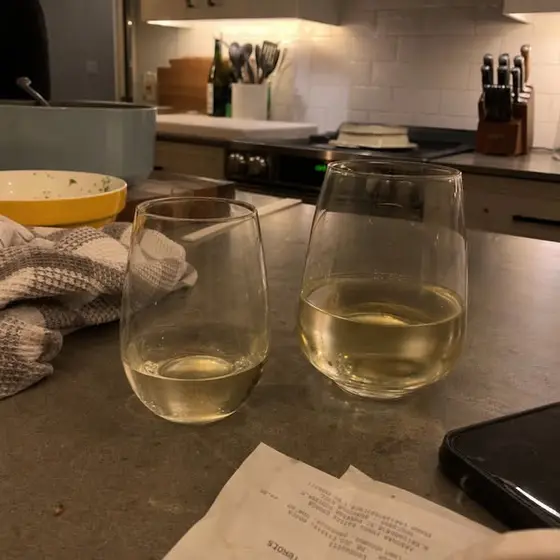
Catherine Williams Facebook ad creative
kinovalabs.co
each break got worse
Learn more

Catherine Williams Facebook and Instagram ad

Catherine Williams ran this image ad since Jun 24, 2026, 1 days so far, targeting United Kingdom.

First seen
Jun 24, 2026
Running for
1 days
Format
Image
Call to action
Learn more
Niche
Health and supplements
Countries
1 targeted
Page likes
1,875

Ad copy

Four times. I have tried to stop drinking four times. The first time took three rough days. Bad sleep. A low buzz of anxiety that sat behind my eyes like a headache that would not commit. By day five I woke up and thought okay. I can do this. This is not that hard. The second time was different. The anxiety was not a buzz anymore. It had teeth. My hands were shaky in the morning. I could not sleep for a full week. I would lie there with my eyes closed and my mind running laps around the same thought. Just one glass and all of this stops. I pushed through it. After ten days the edge softened. But I did not feel proud. I felt warned. The third time scared me. I made it forty eight hours. My heart was pounding so hard I could feel it in my jaw. Not nervous pounding. The kind where your body feels like it is running from something your mind cannot see. My skin was crawling. My thoughts were so fast I could not grab one long enough to finish it. I poured a glass at two in the morning because my body was screaming and the only thing that would stop it was the thing I was trying to stop. The fourth time, I did not make it through the first night. Same woman. Same wine. Same reasons for wanting to quit. But each time my body's response was worse. Not a little worse. Dramatically, unmistakably worse. And I could not understand why. I am 41. Two kids. A husband who still shows up every day. A mortgage that gets paid on time. I am the one who remembers the permission slips and packs the lunchboxes and books the dentist six months out and shows up ten minutes early. From the outside, I am fine. That is why nobody understood what was happening inside. I do not drink in the morning. I have never blacked out at a party. I am not the person you picture when you hear the word people use for this. I poured the first glass smaller so the second one would not feel like a second one. I stopped telling people I was taking a break because I could not face explaining when I started again. I was not ruining my life. I was maintaining it with something I hated needing. And the part I could never say out loud was this. I was no longer afraid of drinking. I was afraid of what happened when I tried to stop. Because every time I tried, it got worse. And nobody could tell me why. I want to tell you what I found. But first I need to tell you the things I tried, because you have probably tried them too. Therapy. Weeks of it. She was kind. She gave me coping strategies and told me to call a friend instead of pouring a glass. The sessions cost more than my weekly groceries. Every evening I still reached for the glass. Because sober nights felt like sitting in a room where the color had been drained out and the volume turned up. The strategies could not touch that. Naltrexone. A prescription from my doctor. Thirty days. The craving faded. But so did everything else. My kids were talking to me and I could hear the words but I could not feel them land. My husband said you are not drinking but you are not here either. I did not want something that made me care less about wine by making me care less about everything. I wanted to feel like myself without needing the glass to get there. I stopped the naltrexone. Poured a glass that same night. Hated myself for it. Hated myself more for how much better the world looked with color in it again. Meetings. I sat in the parking lot for twenty minutes and drove home. I was not looking for a label. I was looking for an explanation. And here is the thing that still makes me angry. Everyone I asked gave me better strategies for not drinking. Not one of them told me why stopping was getting harder. They treated the glass like the problem. Nobody explained what my nervous system had learned to do without it. That was the missing piece. And I had to find it myself at three in the morning on my bathroom floor. It was attempt four. Five hours in. My heart hammering so hard I could hear it in my ears. Hands shaking. Thoughts looping so fast they blurred. That permanent dread that something terrible is about to happen but you cannot name it. I picked up my phone and typed why does it get worse every time I try to stop drinking. I expected a forum post from someone saying yeah me too. Maybe advice about B vitamins and water. Instead I found a word I had never heard in my life. Kindling. It was in a clinical review from the National Institute on Alcohol Abuse. The research went back to 1978, when two scientists named Ballenger and Post observed something that should have changed everything. Patients who had been through multiple attempts to stop showed worse symptoms than patients stopping for the first time. Even when their drinking was the same. Each break was harder. Not because the drinking was worse. Because the brain was changing with each cycle. I sat up on that bathroom floor. And I read for the next three hours. Here is what nobody told me. Your brain has brakes. That is GABA. It slows the thoughts, softens the anxiety, and lets you sleep. Your brain has gas. That is glutamate. It keeps you alert, active, and wired. Alcohol presses the brakes for you. That is the relief after the first sip. That is the quiet. But your brain adapts. It pulls back its own braking power. It makes the gas more sensitive. When you stop, the alcohol is gone but the adaptation is still there. The brakes are worn. The gas is stuck. That is why the first nights without it can feel like your body is running from something your mind cannot see. That much I already knew from living it. Here is the part that changed everything. Those changes do not fully reset between attempts. After each stop and start cycle, your braking power drops a little more. And stays lower. Your gas gets a little more sensitive. And stays higher. These are not temporary shifts that bounce back. They accumulate. Each attempt starts from a worse place than the one before it. That is kindling. Less brake. More gas. Same woman. Harder stop. One research team put it in a line I read five times sitting on that floor. History matters more than quantity. The number of prior episodes drives the severity. Not the current dose. If you have ever wondered why the first reset felt almost empowering but the third one felt like a threat, this is why. If you have ever poured a glass because you remembered what happened the last time you did not, this is why. I did not need more examples. I needed that one explanation to land. That is not weakness. That is the part nobody explained. I was not getting weaker. My nervous system was getting more sensitized. There is a difference. The first one means something is wrong with me. The second one means something happened to me. The first time you fail, you call it a setback. The second time, you call it a pattern. By the fourth time, you stop calling it anything. You just start believing you are not the kind of person who can change. Kindling broke that belief in half. Because the reason it kept getting harder was not my character. It was not my discipline. It was not my weakness. It was a process happening at the level of my nervous system. A process with a name and a mechanism and fifty years of research behind it. For the first time, my failed attempts stopped looking like proof that I was broken. They started looking like evidence that nobody had explained the right problem. And nobody told me. Then I read a line from the same researcher that made me put my phone down and stare at the ceiling. He wrote that for some people, the fear that the next attempt will be worse is what keeps them drinking. Not the pleasure. Not the habit. The fear of what stopping will feel like this time. That was exactly where I was. I was not drinking because I loved wine. I had stopped loving it a long time ago. I was drinking because I was terrified of trying again. Because each time was worse. And I did not know how much worse it could get. That is the trap. You cannot keep going. And you are afraid to stop. And nobody has given you a reason for why stopping keeps getting worse. So you pour another glass and hate yourself and promise Monday will be different. Three generations of women in my family lived inside that trap. My grandmother tried to quit once. It was so bad she never tried again. She told my mother that God was punishing her for being weak. My mother tried twice. The second time nearly broke her. I tried four times. Each one worse. None of us were being punished. None of us were weak. Our nervous systems were being kindled by a process nobody told us had a name. Once I understood that kindling was about less brake and more gas, I stopped looking for another willpower trick. I stopped looking for a better rule or a new promise or a perfect Monday. I started looking for daily support for the same calm and mood systems alcohol had been pushing around for years. That is when I found something I did not expect. A compound in saffron called crocin had been studied around alcohol stressed nervous systems. Not kitchen saffron. Not a spice rack capsule. A standardized extract with specific active compounds called crocin and safranal. The part that caught me was not a miracle claim. It was the direction. Crocin appeared to interact with the same braking system I had just learned gets worn down in the cycle. Saffron extract also appeared to calm glutamate signaling, the gas pedal I had just been reading about. For the first time, I was not reading about another trick to resist the glass. I was not reading about blocking pleasure or replacing willpower. I was reading about support for the systems underneath the loop. That was the first time the answer matched the problem. But then I learned the part most people get wrong. Most saffron capsules only tell you the plant. Kinova tells you the active compounds. That was the difference for me. Because saffron is the plant. It is not the proof. The part that mattered was whether the extract was standardized to the compounds I had just spent half the night reading about. Kinova listed them clearly. 30mg standardized saffron extract. Crocin and safranal. Third party tested. That made it feel less like I was buying an exotic supplement and more like I was choosing the thing that matched the mechanism. No alcohol language on the bottle. No app. No meeting. No explaining yourself to anyone. A bottle that sits on the counter next to the multivitamin without announcing anything to anyone. Two capsules in the morning. It cost less than what I used to spend on a few nights of wine. Less than one therapy session. Less than one more week of pretending I was fine. I ordered it from my phone on that bathroom floor at three in the morning. After I ordered, I did what I always do. I tried to talk myself out of it. I read the reviews looking for a reason to feel stupid. But the words women used were too specific. One said the witching hour before dinner stopped feeling so sharp. Another said she still thought about the glass but it no longer felt like an order. Another said she could sit on the couch after the kids went to bed without scanning the room for relief. Another said it did not make her feel high or numb. It just made the pull easier to question. That was the language I trusted. Not perfect. Not cured. Not transformed. Quieter. That was all I wanted. Day one. Nothing dramatic. I took it with breakfast and waited for a lightning bolt. There was none. But that evening the pull felt slightly less sharp. Not gone. Just less in charge. Day three. Morning dread was softer. Not gone. Softer. I woke up and my chest was not already running ahead of me. Day five. The dinner to bedtime window still came. The script still played. You were good today. Just one. But it sounded like a script for the first time. Not a command. Two weeks in. Three evenings without a glass. No rule. No announcement. No white knuckling performance. The pull had lost enough authority that I could answer it differently. Enough was everything. My husband said you seem different. Not fixed. Just present. Like you are actually in the room instead of managing something nobody else can see. Present. I had not been present in years. I had been running a nervous system on worn brakes and a floored gas pedal, holding everything together through willpower that was never going to be enough. Because the problem was never willpower. I made dinner one night and realized I was not rushing through it to get to the part of the evening where I could finally exhale. I stirred the sauce. Answered my daughter's question about whether turtles sleep. Wiped the counter. Waited for the old countdown to start. It did not. That was new. Three weeks in. My daughter asked me to read to her before bed. I lay next to her. Her hair against my cheek. The weight of the blanket on both of us. And my brain was quiet. No pull. No countdown. No negotiating how many pages until I could go downstairs. Just her voice asking me to do the funny one again. And a nervous system that was finally calm enough to hear it. That is what I got back. Not perfection. Presence. I called my mother that weekend and told her what I had found. About kindling. About the brakes and the gas. About why each attempt was worse for grandma and worse for her and worse for me every single time. She was quiet for a long time. Then she said your grandmother used to say each time she tried to stop it was worse than the time before. She thought something was wrong with her soul. Nobody ever told her it was her nervous system. Nobody told any of us, Mom. Long silence. I wish someone had told her. She carried that shame for forty years. That is why I am writing this. Because the first thing I needed was not another rule. It was a way to support the system underneath the rule. Try Kinova for 60 days. Take it every morning. Do not look for a lightning bolt. Watch the moments that used to own you. The morning dread. The edge before dinner. The pull after the kids go to bed. The 3am wakeup. The moment your brain usually starts negotiating. That is where I noticed it first. Not a miracle. Just the noise turning down enough that I could hear my own life again. Kinova gives you 60 days because this is not the kind of thing you judge from one stressed out night. Take it daily. Pay attention to the small changes. If you do not feel a meaningful difference, you are covered. That is not a sales promise. That is permission to find out. And here is the thing I wish someone had told me sooner. If every stop and start cycle has been making the next attempt feel harder, waiting for the perfect Monday may not be neutral. The next reset may not magically feel easier just because you want it more. I wish someone had told me that before I needed attempt number four to learn it. If stopping has been getting harder every time you try, please do not turn that into proof that you are broken. There is a name for what is happening. There is a reason your body feels more reactive each time. And there is a way to start supporting the calm and mood systems that have been worn down by the cycle. You are not looking for a cure. You are looking for the noise to get quiet enough that you can choose again. That is what changed for me. The pull got quieter. The brakes got some grip back. The dread stopped waking me up. And I stopped calling myself the woman who could not quit. https://kinovalabs.co/products/pure-saffron-extract-for-alcohol-dependence-support

Placements and targeting

FacebookInstagramAudience NetworkMessengerThreads🇬🇧 United Kingdom

More ads from Catherine Williams

Full Catherine Williams profile
Catherine Williams
Catherine Williams
+1
Inactive136 days
kinovalabs.co
why quitting feels worse
Learn more

Four times. I have tried to stop drinking four times. The first time took three bad days. Rough sleep. A low hum of anxiety. By day five I felt mostly fine and thought okay, I can do this. The second time was worse. Noticeably worse. My hands were shaky in the mornings. I could not sleep for a week. The anxiety was not a hum anymore. It was a siren. But I pushed through it, and after ten days it started to lift. The third time, I made it forty-eight hours. My heart was pounding so hard I thought something was medically wrong with me. Not nervous-pounding. Pounding like my chest was trying to get out of my body. I could not sit still. Could not sleep. Could not eat. My skin felt like it was crawling off of me. I poured a glass at two in the morning just to make it stop. The fourth time, I did not make it through the first night. I am 41. I have two kids. I do not drink in the morning. I have never missed a school pickup or a parent-teacher conference. I hold a job, pay my mortgage, and show up to everything I am supposed to show up to. And I cannot stop drinking. Not because I do not want to. Because every time I try, something worse happens to my body than the time before. Nobody has ever explained why. Not the therapist who told me to journal and exercise and call a friend when the urge hits. Weeks of sessions that cost more than my grocery bill. Every evening I still reached for the bottle because sober nights felt like sitting in a room with the color drained out and the volume turned up. Not the doctor who prescribed naltrexone. Thirty days on it. The craving faded. But so did everything else. My kids. Music. Food. Laughter. All behind a wall. My husband said you are not drinking but you are not here either. You are just existing. I stopped the naltrexone. Poured a glass that night. Hated myself for it. Hated myself more for how much better the world looked with color in it again. Not the counselor who recommended meetings. I sat in the parking lot for twenty minutes and drove home. Not because I was in denial. Because I was not trying to stop being a drinker. I was trying to understand why stopping kept getting worse. Everyone I asked gave me better strategies for not drinking. Not one of them told me why the actual stopping was getting harder every time I tried. So I stopped asking experts. And I started looking on my own. It was two in the morning. I was five hours into my fourth attempt. Lying on the bathroom floor with my heart hammering so hard I could hear it in my ears. Thoughts racing so fast I could not hold onto one for more than a second. Hands shaking. Skin crawling. That permanent low-grade dread that something terrible is about to happen but you do not know what. I picked up my phone and typed why is alcohol withdrawal worse every time. I expected nothing. Maybe a forum post from someone saying yeah, me too. Maybe someone telling me to drink more water and take B vitamins. Instead I found a word I had never heard in my life. Kindling. It was in a clinical review. Referenced research going back to 1978, when two scientists named Ballenger and Post observed something that should have changed everything about how we understand drinking. They found that patients who had been through multiple withdrawal episodes showed worse symptoms than patients going through withdrawal for the first time. Even when their drinking levels were the same. The withdrawals were getting worse. Not because the drinking was getting worse. Because the brain was changing with each cycle. I sat up on that bathroom floor and read it again. Then I read everything I could find for the next three hours. Here is what I learned, which no therapist, no doctor, no counselor, no prescription has ever told me. Your brain runs on two chemical systems. The first is called GABA. Think of it as your brake pedal. It slows things down. Calms your thoughts. Turns off the anxiety. Helps you sleep. Keeps you steady. The second is called glutamate. Think of it as your gas pedal. It speeds things up. Fires your brain. Keeps you alert and activated. In a healthy brain, the brakes and the gas balance each other out. You speed up when you need to. You slow down when you need to. The system works. Alcohol presses the brakes for you. That is the calm. That is the relief. That is the sigh after the first sip. Alcohol pushes GABA up and holds glutamate down. Your brain slows. The anxiety stops. The noise goes quiet. But your brain does not like being slowed down from the outside. So it fights back. It reduces its own GABA production. Pulls back on its own braking power. At the same time, it cranks up the glutamate sensitivity. Makes the gas pedal more responsive. It is trying to maintain balance against a chemical that keeps pressing its brakes. When you stop drinking, the fight is still happening. But now the brakes are worn down and the gas pedal is stuck to the floor. That is withdrawal. That is the racing heart, the shaking hands, the anxiety that feels like it is coming from inside your bones. Your brain is running without enough brakes and too much gas. That part I understood. That much makes sense even without a medical degree. Here is the part nobody told me. Those changes do not fully reset between episodes. Research on brain cells in the hippocampus, the region that controls memory and emotion, showed that after each withdrawal cycle, GABA function drops further. And it stays lower. For weeks after the last drink. At the same time, glutamate sensitivity goes up further. And it stays higher. These are not temporary shifts that bounce back to normal. They accumulate. Each withdrawal leaves your brain in a more excitable baseline state than the one before. That is kindling. Named after how you start a fire. Small sparks that would not catch on their own, but repeated enough times, they kindle something bigger. Every time I stopped and started again, my brain lost a little more braking power and gained a little more acceleration. So the next time I tried to stop, the withdrawal started from a worse place. Even though I was not drinking any more than before. Even though I was trying harder than before. Even though I wanted it more than before. As one research team put it: history matters more than quantity. The number of prior withdrawal episodes drives the severity. Not the current dose. I read that line five times sitting on my bathroom floor. Because it explained everything. It explained why the first Dry January was a challenge and the third was a crisis. It explained why the anxiety got worse each time even though my drinking had not changed. It explained why the medication helped less on the second round. It explained why I felt like I was losing a fight I used to be able to win. I was not getting weaker. My nervous system was getting more sensitized with each attempt. There is a difference. The first one is a character flaw. The second one is a neurological process with a name, a mechanism, and research going back nearly fifty years. And here is the part I am still sitting with. A clinical researcher at the National Institute on Alcohol Abuse wrote that for some people, the fear that withdrawal symptoms might get worse is what keeps them drinking. Not the pleasure. Not the habit. The fear of what stopping will feel like this time. That was exactly where I was. I was not drinking because I loved wine. I was drinking because I was terrified of trying to stop again. Because each time was worse. And I did not know how much worse it could get. Three generations of women in my family. My grandmother tried to quit and it was so bad she never tried again. She told my mother that God was punishing her. My mother tried twice. The second time nearly broke her. She told me the anxiety almost killed her. I tried four times. Each one worse. None of us were being punished. None of us were weak. Our nervous systems were being kindled by a process nobody told us had a name. The question I could not stop asking at three in the morning was whether there was a way to support the systems that kindling damages. Not more willpower against a deeper deficit. Not another rule that would break in a week. Something that actually addressed the brakes and the gas. That is when I found the study that changed everything for me. Researchers tested a compound called crocin on mice going through ethanol withdrawal. They tested it two ways. As prevention, given during the drinking period before withdrawal started. And as treatment, given during withdrawal itself. Both worked. The compound significantly reduced withdrawal behavior in both groups. At levels comparable to the standard prescription doctors currently use to manage withdrawal. The researchers concluded the effects were likely mediated through the same braking system that kindling damages. They called it a reliable alternative to the standard prescription. Then I found a second study. Different lab. Different year. This one showed that saffron extract actually inhibits glutamate signaling in brain tissue. The gas pedal. The system that kindling makes more sensitive with every cycle. One compound that supports the braking system kindling weakens. And quiets the acceleration system kindling amplifies. Both sides of the same equation. Crocin comes from saffron. Not the spice in your cabinet. A standardized extract at specific concentrations of the active compounds, crocin and safranal, matching what the studies actually used. Most saffron products on the shelf do not meet those levels. That is why most people try saffron and feel nothing. The dose matters. The standardization matters. Without them, you are taking an expensive capsule that never reaches the threshold where anything happens. A company called Kinova Labs makes a saffron extract at the clinical dose. 30mg. Standardized to 2.5% crocin and 1.5% safranal. Third-party tested. The label says Pure Saffron Extract. Nothing about alcohol. Nothing about quitting. Nothing about withdrawal. A bottle that sits on my counter next to the multivitamin without announcing anything to anyone. Less than a bottle of wine. I had spent more than that on a single therapy session. Hundreds on naltrexone that turned the world grey. More than that on wine the same week. I ordered it from my phone on the bathroom floor at three in the morning. Day one. Took it with breakfast and expected nothing. By evening the pull was still there but it was different. One notch quieter. Like someone turned the volume down slightly on a sound that had been screaming for years. Day three. I woke up and my heart was not racing. That was the first thing I noticed. Just a normal heartbeat. A calm morning. I had forgotten what that felt like. Day five. I sat on the porch after the kids went to bed. That is usually when the pull starts. The window between dinner and sleep where my brain tells me it needs something. The pull was there. But it was not screaming. It was more like a whisper I could actually choose to ignore. Two weeks in. Three evenings without a glass. I had not set a rule. Had not gritted my teeth through it. The urgency had just faded. Not vanished. Faded. And that was enough. My husband said you seem different. Not fixed. Just present. Like you are actually in the room instead of managing something nobody else can see. Present. That was the word. I had not been present in years. I had been running a nervous system on worn brakes and a stuck gas pedal, trying to hold it together through sheer willpower. Now the brakes had a little more grip. The gas pedal had eased up. And I could finally sit still. Three weeks in. My daughter asked me to read to her before bed. I lay next to her and felt the warmth of her leaning against me. And my brain was quiet. No pull. No dread. No clock counting minutes until I could pour a glass. Just her voice and her warmth and a nervous system that was finally calm enough to feel it. I called my mother that weekend and told her about kindling. About the brakes and the gas. About why each attempt was worse. About why it was worse for grandma and worse for her and worse for me every single time. She was quiet for a long time. Then she said your grandmother used to say each time she tried to stop it was worse than the time before. She thought something was wrong with her soul. Nobody ever told her it was her nervous system. Nobody told any of us, Mom. Long silence. I wish someone had told her. She carried that shame for forty years. What if the reason stopping gets harder every time is not that you are getting weaker? What if every quit attempt, every Dry January, every time you stopped and started again, your brain's brake system got a little weaker and your gas pedal got a little more sensitive? What if there is a name for it? What if researchers have studied it since 1978? What if there is a compound that acts on the exact two systems it damages? I tried four times. Each time was worse. I thought I was broken. I was not broken. My nervous system had been kindled. And once I understood that, I found a way to support the systems it had been wearing down. The noise got quiet. The brakes got a little grip back. The morning dread stopped. If stopping has been getting harder every time you try, and nobody has told you why, it might be worth looking into. https://kinovalabs.co/products/pure-saffron-extract-for-alcohol-dependence-support

Catherine Williams
Catherine Williams
+1
Inactive1 day
kinovalabs.co
each break got worse
Learn more

Four times. I have tried to stop drinking four times. The first time took three rough days. Bad sleep. A low buzz of anxiety that sat behind my eyes like a headache that would not commit. By day five I woke up and thought okay. I can do this. This is not that hard. The second time was different. The anxiety was not a buzz anymore. It had teeth. My hands were shaky in the morning. I could not sleep for a full week. I would lie there with my eyes closed and my mind running laps around the same thought. Just one glass and all of this stops. I pushed through it. After ten days the edge softened. But I did not feel proud. I felt warned. The third time scared me. I made it forty eight hours. My heart was pounding so hard I could feel it in my jaw. Not nervous pounding. The kind where your body feels like it is running from something your mind cannot see. My skin was crawling. My thoughts were so fast I could not grab one long enough to finish it. I poured a glass at two in the morning because my body was screaming and the only thing that would stop it was the thing I was trying to stop. The fourth time, I did not make it through the first night. Same woman. Same wine. Same reasons for wanting to quit. But each time my body's response was worse. Not a little worse. Dramatically, unmistakably worse. And I could not understand why. I am 41. Two kids. A husband who still shows up every day. A mortgage that gets paid on time. I am the one who remembers the permission slips and packs the lunchboxes and books the dentist six months out and shows up ten minutes early. From the outside, I am fine. That is why nobody understood what was happening inside. I do not drink in the morning. I have never blacked out at a party. I am not the person you picture when you hear the word people use for this. I poured the first glass smaller so the second one would not feel like a second one. I stopped telling people I was taking a break because I could not face explaining when I started again. I was not ruining my life. I was maintaining it with something I hated needing. And the part I could never say out loud was this. I was no longer afraid of drinking. I was afraid of what happened when I tried to stop. Because every time I tried, it got worse. And nobody could tell me why. I want to tell you what I found. But first I need to tell you the things I tried, because you have probably tried them too. Therapy. Weeks of it. She was kind. She gave me coping strategies and told me to call a friend instead of pouring a glass. The sessions cost more than my weekly groceries. Every evening I still reached for the glass. Because sober nights felt like sitting in a room where the color had been drained out and the volume turned up. The strategies could not touch that. Naltrexone. A prescription from my doctor. Thirty days. The craving faded. But so did everything else. My kids were talking to me and I could hear the words but I could not feel them land. My husband said you are not drinking but you are not here either. I did not want something that made me care less about wine by making me care less about everything. I wanted to feel like myself without needing the glass to get there. I stopped the naltrexone. Poured a glass that same night. Hated myself for it. Hated myself more for how much better the world looked with color in it again. Meetings. I sat in the parking lot for twenty minutes and drove home. I was not looking for a label. I was looking for an explanation. And here is the thing that still makes me angry. Everyone I asked gave me better strategies for not drinking. Not one of them told me why stopping was getting harder. They treated the glass like the problem. Nobody explained what my nervous system had learned to do without it. That was the missing piece. And I had to find it myself at three in the morning on my bathroom floor. It was attempt four. Five hours in. My heart hammering so hard I could hear it in my ears. Hands shaking. Thoughts looping so fast they blurred. That permanent dread that something terrible is about to happen but you cannot name it. I picked up my phone and typed why does it get worse every time I try to stop drinking. I expected a forum post from someone saying yeah me too. Maybe advice about B vitamins and water. Instead I found a word I had never heard in my life. Kindling. It was in a clinical review from the National Institute on Alcohol Abuse. The research went back to 1978, when two scientists named Ballenger and Post observed something that should have changed everything. Patients who had been through multiple attempts to stop showed worse symptoms than patients stopping for the first time. Even when their drinking was the same. Each break was harder. Not because the drinking was worse. Because the brain was changing with each cycle. I sat up on that bathroom floor. And I read for the next three hours. Here is what nobody told me. Your brain has brakes. That is GABA. It slows the thoughts, softens the anxiety, and lets you sleep. Your brain has gas. That is glutamate. It keeps you alert, active, and wired. Alcohol presses the brakes for you. That is the relief after the first sip. That is the quiet. But your brain adapts. It pulls back its own braking power. It makes the gas more sensitive. When you stop, the alcohol is gone but the adaptation is still there. The brakes are worn. The gas is stuck. That is why the first nights without it can feel like your body is running from something your mind cannot see. That much I already knew from living it. Here is the part that changed everything. Those changes do not fully reset between attempts. After each stop and start cycle, your braking power drops a little more. And stays lower. Your gas gets a little more sensitive. And stays higher. These are not temporary shifts that bounce back. They accumulate. Each attempt starts from a worse place than the one before it. That is kindling. Less brake. More gas. Same woman. Harder stop. One research team put it in a line I read five times sitting on that floor. History matters more than quantity. The number of prior episodes drives the severity. Not the current dose. If you have ever wondered why the first reset felt almost empowering but the third one felt like a threat, this is why. If you have ever poured a glass because you remembered what happened the last time you did not, this is why. I did not need more examples. I needed that one explanation to land. That is not weakness. That is the part nobody explained. I was not getting weaker. My nervous system was getting more sensitized. There is a difference. The first one means something is wrong with me. The second one means something happened to me. The first time you fail, you call it a setback. The second time, you call it a pattern. By the fourth time, you stop calling it anything. You just start believing you are not the kind of person who can change. Kindling broke that belief in half. Because the reason it kept getting harder was not my character. It was not my discipline. It was not my weakness. It was a process happening at the level of my nervous system. A process with a name and a mechanism and fifty years of research behind it. For the first time, my failed attempts stopped looking like proof that I was broken. They started looking like evidence that nobody had explained the right problem. And nobody told me. Then I read a line from the same researcher that made me put my phone down and stare at the ceiling. He wrote that for some people, the fear that the next attempt will be worse is what keeps them drinking. Not the pleasure. Not the habit. The fear of what stopping will feel like this time. That was exactly where I was. I was not drinking because I loved wine. I had stopped loving it a long time ago. I was drinking because I was terrified of trying again. Because each time was worse. And I did not know how much worse it could get. That is the trap. You cannot keep going. And you are afraid to stop. And nobody has given you a reason for why stopping keeps getting worse. So you pour another glass and hate yourself and promise Monday will be different. Three generations of women in my family lived inside that trap. My grandmother tried to quit once. It was so bad she never tried again. She told my mother that God was punishing her for being weak. My mother tried twice. The second time nearly broke her. I tried four times. Each one worse. None of us were being punished. None of us were weak. Our nervous systems were being kindled by a process nobody told us had a name. Once I understood that kindling was about less brake and more gas, I stopped looking for another willpower trick. I stopped looking for a better rule or a new promise or a perfect Monday. I started looking for daily support for the same calm and mood systems alcohol had been pushing around for years. That is when I found something I did not expect. A compound in saffron called crocin had been studied around alcohol stressed nervous systems. Not kitchen saffron. Not a spice rack capsule. A standardized extract with specific active compounds called crocin and safranal. The part that caught me was not a miracle claim. It was the direction. Crocin appeared to interact with the same braking system I had just learned gets worn down in the cycle. Saffron extract also appeared to calm glutamate signaling, the gas pedal I had just been reading about. For the first time, I was not reading about another trick to resist the glass. I was not reading about blocking pleasure or replacing willpower. I was reading about support for the systems underneath the loop. That was the first time the answer matched the problem. But then I learned the part most people get wrong. Most saffron capsules only tell you the plant. Kinova tells you the active compounds. That was the difference for me. Because saffron is the plant. It is not the proof. The part that mattered was whether the extract was standardized to the compounds I had just spent half the night reading about. Kinova listed them clearly. 30mg standardized saffron extract. Crocin and safranal. Third party tested. That made it feel less like I was buying an exotic supplement and more like I was choosing the thing that matched the mechanism. No alcohol language on the bottle. No app. No meeting. No explaining yourself to anyone. A bottle that sits on the counter next to the multivitamin without announcing anything to anyone. Two capsules in the morning. It cost less than what I used to spend on a few nights of wine. Less than one therapy session. Less than one more week of pretending I was fine. I ordered it from my phone on that bathroom floor at three in the morning. After I ordered, I did what I always do. I tried to talk myself out of it. I read the reviews looking for a reason to feel stupid. But the words women used were too specific. One said the witching hour before dinner stopped feeling so sharp. Another said she still thought about the glass but it no longer felt like an order. Another said she could sit on the couch after the kids went to bed without scanning the room for relief. Another said it did not make her feel high or numb. It just made the pull easier to question. That was the language I trusted. Not perfect. Not cured. Not transformed. Quieter. That was all I wanted. Day one. Nothing dramatic. I took it with breakfast and waited for a lightning bolt. There was none. But that evening the pull felt slightly less sharp. Not gone. Just less in charge. Day three. Morning dread was softer. Not gone. Softer. I woke up and my chest was not already running ahead of me. Day five. The dinner to bedtime window still came. The script still played. You were good today. Just one. But it sounded like a script for the first time. Not a command. Two weeks in. Three evenings without a glass. No rule. No announcement. No white knuckling performance. The pull had lost enough authority that I could answer it differently. Enough was everything. My husband said you seem different. Not fixed. Just present. Like you are actually in the room instead of managing something nobody else can see. Present. I had not been present in years. I had been running a nervous system on worn brakes and a floored gas pedal, holding everything together through willpower that was never going to be enough. Because the problem was never willpower. I made dinner one night and realized I was not rushing through it to get to the part of the evening where I could finally exhale. I stirred the sauce. Answered my daughter's question about whether turtles sleep. Wiped the counter. Waited for the old countdown to start. It did not. That was new. Three weeks in. My daughter asked me to read to her before bed. I lay next to her. Her hair against my cheek. The weight of the blanket on both of us. And my brain was quiet. No pull. No countdown. No negotiating how many pages until I could go downstairs. Just her voice asking me to do the funny one again. And a nervous system that was finally calm enough to hear it. That is what I got back. Not perfection. Presence. I called my mother that weekend and told her what I had found. About kindling. About the brakes and the gas. About why each attempt was worse for grandma and worse for her and worse for me every single time. She was quiet for a long time. Then she said your grandmother used to say each time she tried to stop it was worse than the time before. She thought something was wrong with her soul. Nobody ever told her it was her nervous system. Nobody told any of us, Mom. Long silence. I wish someone had told her. She carried that shame for forty years. That is why I am writing this. Because the first thing I needed was not another rule. It was a way to support the system underneath the rule. Try Kinova for 60 days. Take it every morning. Do not look for a lightning bolt. Watch the moments that used to own you. The morning dread. The edge before dinner. The pull after the kids go to bed. The 3am wakeup. The moment your brain usually starts negotiating. That is where I noticed it first. Not a miracle. Just the noise turning down enough that I could hear my own life again. Kinova gives you 60 days because this is not the kind of thing you judge from one stressed out night. Take it daily. Pay attention to the small changes. If you do not feel a meaningful difference, you are covered. That is not a sales promise. That is permission to find out. And here is the thing I wish someone had told me sooner. If every stop and start cycle has been making the next attempt feel harder, waiting for the perfect Monday may not be neutral. The next reset may not magically feel easier just because you want it more. I wish someone had told me that before I needed attempt number four to learn it. If stopping has been getting harder every time you try, please do not turn that into proof that you are broken. There is a name for what is happening. There is a reason your body feels more reactive each time. And there is a way to start supporting the calm and mood systems that have been worn down by the cycle. You are not looking for a cure. You are looking for the noise to get quiet enough that you can choose again. That is what changed for me. The pull got quieter. The brakes got some grip back. The dread stopped waking me up. And I stopped calling myself the woman who could not quit. https://kinovalabs.co/products/pure-saffron-extract-for-alcohol-dependence-support

Catherine Williams
Catherine Williams
+1
Inactive2 days
kinovalabs.co
wine breaks kept worsening
Learn more

My sister sent me a text at 6am on a Tuesday that made me put my coffee down. "I woke up without the dread. It has been three weeks. What is it called again? The full name. Sarah wants to look it up." I knew exactly what she meant. Because six months earlier, I had been searching for the same word at three in the morning. Not because I had never tried to stop. Because I had. I used to be able to take breaks from wine. Not easily. But I could. Three rough days. Bad sleep. A little anxiety. Then around day five I would wake up and feel proud. Then the breaks started getting worse. Not emotionally harder. Physically worse. The second time, the anxiety had teeth. My hands were shaky. I could not sleep for a full week. I pushed through. After ten days the edge softened. But I did not feel proud. I felt warned. The third time scared me. Forty eight hours in. My heart was pounding so hard I could feel it in my jaw. Skin crawling. Thoughts too fast to grab. I poured a glass at two in the morning because my body was screaming and the only thing that stopped it was the thing I was trying to stop. The fourth time, I did not make it through the first night. Same woman. Same wine. Same reasons for wanting to stop. But every break was physically worse. And nobody could tell me why. I am 41. Two kids. A husband who still shows up every day. A mortgage that gets paid on time. I am the one who remembers the permission slips and packs the lunches and shows up ten minutes early. I do not drink in the morning. I have never blacked out at a party. I am not the person you picture when you hear the word people use for this. From the outside, I was fine. That was the problem. Nobody could see what was happening underneath. I was not ruining my life. I was maintaining it with something I hated needing. And the part I could never explain was this. I was not afraid of drinking anymore. I was afraid of what happened when I tried to stop. I had taken that question everywhere. Therapy gave me coping strategies. A doctor gave me naltrexone. Meetings gave me a label I was not ready to wear. Therapy told me what to do instead of pouring a glass. But sober nights felt like sitting in a room where the color had been drained out and the volume turned up. The strategies could not touch that. Naltrexone made me care less about wine but also made me care less about everything. My husband said you are not drinking but you are not here either. I did not want something that made me care less about wine by making me care less about everything. I wanted to feel like myself without needing the glass to get there. Meetings offered a room full of people who understood. But I was not looking for a label. I was looking for an explanation. Everyone kept aiming at the glass. Nobody looked underneath it. That was the missing piece. And I had to find it myself at three in the morning. Attempt four. Five hours in. Heart hammering so loud I could hear it in my ears. Hands shaking. Thoughts looping so fast they blurred. That permanent dread that something terrible is about to happen but you cannot name it. I picked up my phone and typed why does it get worse every time I try to stop drinking. Instead I found a word I had never heard in my entire life. Kindling. That was the word my sister was asking me for six months later. That was the word Sarah wanted. That was the word I wish someone had given me before attempt four. It was in a clinical review from the National Institute on Alcohol Abuse. The research went back to 1978. And it explained everything. Your brain has brakes. That is GABA. It slows the thoughts, softens anxiety, lets you sleep. Your brain has gas. That is glutamate. It fires you up, keeps you alert, keeps the engine running. Alcohol presses the brakes for you. That is the quiet after the first sip. But your brain adapts. It pulls back its own braking power. It makes the gas more sensitive. When you stop, the alcohol is gone but the adaptation is still there. The brakes are worn. The gas is stuck. With repeated stop and start cycles, those changes do not always fully reset. Each attempt can start from a worse baseline than the one before it. That is kindling. Less brake. More gas. Same woman. Harder stop. One research team put it in a line I read five times: History matters more than quantity. The number of prior episodes drives the severity. Not the current dose. That was the sentence I needed. I was not getting weaker. My nervous system was getting more sensitized. There is a difference. The first one means something is wrong with me. The second one means something happened to me. For the first time, my failed attempts stopped looking like proof that I was broken. They started looking like evidence that nobody had explained the right problem. That is why the texts kept sounding the same. Not because every woman had the same life. Because every woman had been telling herself the same story. I am weak. I have no discipline. I should be able to do this. And then one word changed the story. Kindling. But knowing the word was not enough. I still had a nervous system that treated the first night without a glass like an emergency. I was not looking for something to make me forget the glass. I was looking for something to make my body stop treating the first night without it like an emergency. That is when I found saffron extract. Not kitchen saffron. Not the spice. A standardized extract with active compounds called crocin and safranal. Crocin had been studied around alcohol stressed nervous systems. Saffron extract had been studied around the same brake and gas systems I had just spent half the night reading about. That was the first time the answer matched the problem. Most saffron capsules only tell you the plant. Kinova tells you the active compounds. That was the difference for me. Saffron is the plant. It is not the proof. The part that mattered was whether the extract was standardized to the compounds I had just been reading about. Kinova Labs listed them clearly. 30mg standardized saffron extract. Crocin. Safranal. Third party tested. The label says Pure Saffron Extract. Nothing about alcohol. Nothing about quitting. Nothing about any of this. It sits next to the multivitamin without announcing a thing. No app. No meeting. No explaining yourself. Two capsules in the morning. It costs less than what most of us spend on a few nights of wine. Less than one therapy session. Less than one more week of pretending everything is fine. I ordered it that night and expected nothing. Week one was subtle. The pull before dinner felt a little less sharp. Not gone. Just one notch quieter. Like someone turned the volume down on a sound that had been screaming for years. Week two. Three evenings without a glass. No rule. No announcement. No white knuckling. The pull had just lost enough authority that I could answer it differently. My husband said you seem different. Not fixed. Just present. Like you are actually in the room. Week three. My daughter asked me to read to her before bed. I lay next to her. Her hair against my cheek. The weight of the blanket on both of us. And my brain was quiet. No pull. No countdown. No negotiating how many pages until I could go downstairs. Just her voice asking me to do the funny one again. And a nervous system that was finally calm enough to hear it. That is what I got back. Not perfection. Presence. I thought that was just my experience. One body. One nervous system. Maybe I got lucky. Then I told my sister. She was two attempts in. The second one already felt worse than the first. She was scared to try a third. I told her about kindling. The brakes. The gas. The part nobody had told us. She ordered Kinova that night. A week later she texted me: "The evening edge is still there but it does not feel like an emergency anymore." Two weeks later she called me from the parking lot after her daughter's recital and said I heard her sing. I actually heard her sing. That was the text that started everything. Because my sister told Sarah. Sarah is her neighbor. Also a mom. Also a nightly wine person. Also someone who had tried Dry January twice and noticed the second one was harder. Sarah texted my sister three weeks in: "The witching hour before dinner does not feel as sharp. I am not cured. But the pull is not screaming at me." Then Sarah told a coworker. The coworker texted my sister asking for the name. My sister forwarded the text to me and said you need to write this down somewhere because I keep getting asked. Last week I got a text from a woman I have never met. She said: "The pull finally got quiet enough that I could hear my daughter ask me a question without already thinking about the glass." I read it twice. Then I sat at my kitchen counter and cried. Because I knew exactly what it meant to hear your child and still be mentally halfway to the glass. And I knew what it meant when that finally stopped. Here is what I keep noticing. The women do not use big words. They do not say cured. They do not say transformed. They say quieter. They say the edge before dinner is softer. They say the glass still crosses their mind but it does not feel like an order. They say they can sit on the couch after the kids go to bed without scanning the room for relief. They say the morning dread is not the first thing waiting for them when they open their eyes. Nobody is claiming miracles. That is why I trust it. Because every woman describes the same modest, specific shift. The noise turns down. Not off. Down. And that is enough. That night I called my mother. I told her about the texts. My sister. Sarah. The woman I had never met. The word they were all asking for. Kindling. She was quiet for a long time. Then she said your grandmother used to say every time she tried to stop it was worse than the time before. She thought something was wrong with her soul. Nobody ever told her it was her nervous system. Nobody told any of us, Mom. Long silence. I wish someone had told her. She carried that shame for forty years. That is why I am writing it down here. Because I know there is a woman reading this who is about to text someone the same question my sister texted me. What is it called again? It is called kindling. If you are looking for the bottle I keep getting asked about, it is Kinova Labs Pure Saffron Extract. 30mg standardized. Crocin and safranal listed. Third party tested. Try it for 60 days. Take it every morning. Do not look for a lightning bolt. Watch the moments that used to own you. The edge before dinner. The pull after the kids go to bed. The 3am wakeup. The first morning thought. The moment your brain usually starts negotiating. That is where we noticed it. Not a miracle. Just the noise turning down enough to hear our own lives again. Kinova gives you 60 days because this is not the kind of thing you judge from one stressed out night. Take it daily. Pay attention to the small changes. If you do not feel a meaningful difference, you are covered. That is not a sales promise. That is permission to find out. If every stop and start cycle has been making the next attempt feel harder, waiting for the perfect Monday is not neutral. It does not wait. It accumulates. I wish someone had told me before attempt four. My sister heard it at attempt two. That is the difference I cannot stop thinking about. You are not looking for a cure. You are looking for the noise to get quiet enough that you can choose again. That is what happened for me. For my sister. For Sarah. For the woman I have never met. The pull got quieter. The dread stopped walking into the morning first. The noise turned down. And for the first time, none of us had to keep calling ourselves the woman who could not quit. https://kinovalabs.co/products/pure-saffron-extract-for-alcohol-dependence-support

Catherine Williams
Catherine Williams
+1
Inactive1 day
kinovalabs.co
each break got worse
Learn more

Four times. I have tried to stop drinking four times. The first time took three rough days. Bad sleep. A low buzz of anxiety that sat behind my eyes like a headache that would not commit. By day five I woke up and thought okay. I can do this. This is not that hard. The second time was different. The anxiety was not a buzz anymore. It had teeth. My hands were shaky in the morning. I could not sleep for a full week. I would lie there with my eyes closed and my mind running laps around the same thought. Just one glass and all of this stops. I pushed through it. After ten days the edge softened. But I did not feel proud. I felt warned. The third time scared me. I made it forty eight hours. My heart was pounding so hard I could feel it in my jaw. Not nervous pounding. The kind where your body feels like it is running from something your mind cannot see. My skin was crawling. My thoughts were so fast I could not grab one long enough to finish it. I poured a glass at two in the morning because my body was screaming and the only thing that would stop it was the thing I was trying to stop. The fourth time, I did not make it through the first night. Same woman. Same wine. Same reasons for wanting to quit. But each time my body's response was worse. Not a little worse. Dramatically, unmistakably worse. And I could not understand why. I am 41. Two kids. A husband who still shows up every day. A mortgage that gets paid on time. I am the one who remembers the permission slips and packs the lunchboxes and books the dentist six months out and shows up ten minutes early. From the outside, I am fine. That is why nobody understood what was happening inside. I do not drink in the morning. I have never blacked out at a party. I am not the person you picture when you hear the word people use for this. I poured the first glass smaller so the second one would not feel like a second one. I stopped telling people I was taking a break because I could not face explaining when I started again. I was not ruining my life. I was maintaining it with something I hated needing. And the part I could never say out loud was this. I was no longer afraid of drinking. I was afraid of what happened when I tried to stop. Because every time I tried, it got worse. And nobody could tell me why. I want to tell you what I found. But first I need to tell you the things I tried, because you have probably tried them too. Therapy. Weeks of it. She was kind. She gave me coping strategies and told me to call a friend instead of pouring a glass. The sessions cost more than my weekly groceries. Every evening I still reached for the glass. Because sober nights felt like sitting in a room where the color had been drained out and the volume turned up. The strategies could not touch that. Naltrexone. A prescription from my doctor. Thirty days. The craving faded. But so did everything else. My kids were talking to me and I could hear the words but I could not feel them land. My husband said you are not drinking but you are not here either. I did not want something that made me care less about wine by making me care less about everything. I wanted to feel like myself without needing the glass to get there. I stopped the naltrexone. Poured a glass that same night. Hated myself for it. Hated myself more for how much better the world looked with color in it again. Meetings. I sat in the parking lot for twenty minutes and drove home. I was not looking for a label. I was looking for an explanation. And here is the thing that still makes me angry. Everyone I asked gave me better strategies for not drinking. Not one of them told me why stopping was getting harder. They treated the glass like the problem. Nobody explained what my nervous system had learned to do without it. That was the missing piece. And I had to find it myself at three in the morning on my bathroom floor. It was attempt four. Five hours in. My heart hammering so hard I could hear it in my ears. Hands shaking. Thoughts looping so fast they blurred. That permanent dread that something terrible is about to happen but you cannot name it. I picked up my phone and typed why does it get worse every time I try to stop drinking. I expected a forum post from someone saying yeah me too. Maybe advice about B vitamins and water. Instead I found a word I had never heard in my life. Kindling. It was in a clinical review from the National Institute on Alcohol Abuse. The research went back to 1978, when two scientists named Ballenger and Post observed something that should have changed everything. Patients who had been through multiple attempts to stop showed worse symptoms than patients stopping for the first time. Even when their drinking was the same. Each break was harder. Not because the drinking was worse. Because the brain was changing with each cycle. I sat up on that bathroom floor. And I read for the next three hours. Here is what nobody told me. Your brain has brakes. That is GABA. It slows the thoughts, softens the anxiety, and lets you sleep. Your brain has gas. That is glutamate. It keeps you alert, active, and wired. Alcohol presses the brakes for you. That is the relief after the first sip. That is the quiet. But your brain adapts. It pulls back its own braking power. It makes the gas more sensitive. When you stop, the alcohol is gone but the adaptation is still there. The brakes are worn. The gas is stuck. That is why the first nights without it can feel like your body is running from something your mind cannot see. That much I already knew from living it. Here is the part that changed everything. Those changes do not fully reset between attempts. After each stop and start cycle, your braking power drops a little more. And stays lower. Your gas gets a little more sensitive. And stays higher. These are not temporary shifts that bounce back. They accumulate. Each attempt starts from a worse place than the one before it. That is kindling. Less brake. More gas. Same woman. Harder stop. One research team put it in a line I read five times sitting on that floor. History matters more than quantity. The number of prior episodes drives the severity. Not the current dose. If you have ever wondered why the first reset felt almost empowering but the third one felt like a threat, this is why. If you have ever poured a glass because you remembered what happened the last time you did not, this is why. I did not need more examples. I needed that one explanation to land. That is not weakness. That is the part nobody explained. I was not getting weaker. My nervous system was getting more sensitized. There is a difference. The first one means something is wrong with me. The second one means something happened to me. The first time you fail, you call it a setback. The second time, you call it a pattern. By the fourth time, you stop calling it anything. You just start believing you are not the kind of person who can change. Kindling broke that belief in half. Because the reason it kept getting harder was not my character. It was not my discipline. It was not my weakness. It was a process happening at the level of my nervous system. A process with a name and a mechanism and fifty years of research behind it. For the first time, my failed attempts stopped looking like proof that I was broken. They started looking like evidence that nobody had explained the right problem. And nobody told me. Then I read a line from the same researcher that made me put my phone down and stare at the ceiling. He wrote that for some people, the fear that the next attempt will be worse is what keeps them drinking. Not the pleasure. Not the habit. The fear of what stopping will feel like this time. That was exactly where I was. I was not drinking because I loved wine. I had stopped loving it a long time ago. I was drinking because I was terrified of trying again. Because each time was worse. And I did not know how much worse it could get. That is the trap. You cannot keep going. And you are afraid to stop. And nobody has given you a reason for why stopping keeps getting worse. So you pour another glass and hate yourself and promise Monday will be different. Three generations of women in my family lived inside that trap. My grandmother tried to quit once. It was so bad she never tried again. She told my mother that God was punishing her for being weak. My mother tried twice. The second time nearly broke her. I tried four times. Each one worse. None of us were being punished. None of us were weak. Our nervous systems were being kindled by a process nobody told us had a name. Once I understood that kindling was about less brake and more gas, I stopped looking for another willpower trick. I stopped looking for a better rule or a new promise or a perfect Monday. I started looking for daily support for the same calm and mood systems alcohol had been pushing around for years. That is when I found something I did not expect. A compound in saffron called crocin had been studied around alcohol stressed nervous systems. Not kitchen saffron. Not a spice rack capsule. A standardized extract with specific active compounds called crocin and safranal. The part that caught me was not a miracle claim. It was the direction. Crocin appeared to interact with the same braking system I had just learned gets worn down in the cycle. Saffron extract also appeared to calm glutamate signaling, the gas pedal I had just been reading about. For the first time, I was not reading about another trick to resist the glass. I was not reading about blocking pleasure or replacing willpower. I was reading about support for the systems underneath the loop. That was the first time the answer matched the problem. But then I learned the part most people get wrong. Most saffron capsules only tell you the plant. Kinova tells you the active compounds. That was the difference for me. Because saffron is the plant. It is not the proof. The part that mattered was whether the extract was standardized to the compounds I had just spent half the night reading about. Kinova listed them clearly. 30mg standardized saffron extract. Crocin and safranal. Third party tested. That made it feel less like I was buying an exotic supplement and more like I was choosing the thing that matched the mechanism. No alcohol language on the bottle. No app. No meeting. No explaining yourself to anyone. A bottle that sits on the counter next to the multivitamin without announcing anything to anyone. Two capsules in the morning. It cost less than what I used to spend on a few nights of wine. Less than one therapy session. Less than one more week of pretending I was fine. I ordered it from my phone on that bathroom floor at three in the morning. After I ordered, I did what I always do. I tried to talk myself out of it. I read the reviews looking for a reason to feel stupid. But the words women used were too specific. One said the witching hour before dinner stopped feeling so sharp. Another said she still thought about the glass but it no longer felt like an order. Another said she could sit on the couch after the kids went to bed without scanning the room for relief. Another said it did not make her feel high or numb. It just made the pull easier to question. That was the language I trusted. Not perfect. Not cured. Not transformed. Quieter. That was all I wanted. Day one. Nothing dramatic. I took it with breakfast and waited for a lightning bolt. There was none. But that evening the pull felt slightly less sharp. Not gone. Just less in charge. Day three. Morning dread was softer. Not gone. Softer. I woke up and my chest was not already running ahead of me. Day five. The dinner to bedtime window still came. The script still played. You were good today. Just one. But it sounded like a script for the first time. Not a command. Two weeks in. Three evenings without a glass. No rule. No announcement. No white knuckling performance. The pull had lost enough authority that I could answer it differently. Enough was everything. My husband said you seem different. Not fixed. Just present. Like you are actually in the room instead of managing something nobody else can see. Present. I had not been present in years. I had been running a nervous system on worn brakes and a floored gas pedal, holding everything together through willpower that was never going to be enough. Because the problem was never willpower. I made dinner one night and realized I was not rushing through it to get to the part of the evening where I could finally exhale. I stirred the sauce. Answered my daughter's question about whether turtles sleep. Wiped the counter. Waited for the old countdown to start. It did not. That was new. Three weeks in. My daughter asked me to read to her before bed. I lay next to her. Her hair against my cheek. The weight of the blanket on both of us. And my brain was quiet. No pull. No countdown. No negotiating how many pages until I could go downstairs. Just her voice asking me to do the funny one again. And a nervous system that was finally calm enough to hear it. That is what I got back. Not perfection. Presence. I called my mother that weekend and told her what I had found. About kindling. About the brakes and the gas. About why each attempt was worse for grandma and worse for her and worse for me every single time. She was quiet for a long time. Then she said your grandmother used to say each time she tried to stop it was worse than the time before. She thought something was wrong with her soul. Nobody ever told her it was her nervous system. Nobody told any of us, Mom. Long silence. I wish someone had told her. She carried that shame for forty years. That is why I am writing this. Because the first thing I needed was not another rule. It was a way to support the system underneath the rule. Try Kinova for 60 days. Take it every morning. Do not look for a lightning bolt. Watch the moments that used to own you. The morning dread. The edge before dinner. The pull after the kids go to bed. The 3am wakeup. The moment your brain usually starts negotiating. That is where I noticed it first. Not a miracle. Just the noise turning down enough that I could hear my own life again. Kinova gives you 60 days because this is not the kind of thing you judge from one stressed out night. Take it daily. Pay attention to the small changes. If you do not feel a meaningful difference, you are covered. That is not a sales promise. That is permission to find out. And here is the thing I wish someone had told me sooner. If every stop and start cycle has been making the next attempt feel harder, waiting for the perfect Monday may not be neutral. The next reset may not magically feel easier just because you want it more. I wish someone had told me that before I needed attempt number four to learn it. If stopping has been getting harder every time you try, please do not turn that into proof that you are broken. There is a name for what is happening. There is a reason your body feels more reactive each time. And there is a way to start supporting the calm and mood systems that have been worn down by the cycle. You are not looking for a cure. You are looking for the noise to get quiet enough that you can choose again. That is what changed for me. The pull got quieter. The brakes got some grip back. The dread stopped waking me up. And I stopped calling myself the woman who could not quit. https://kinovalabs.co/products/pure-saffron-extract-for-alcohol-dependence-support

See all 15 ads

Create a free account to unlock every creative, video and landing page.

Sign up free

Similar health and supplements ads

28-Day Fun Weight Loss Challenge
+2
Inactive1 day
easy-quiz.dancefit.me
7 MIN HOME DANCE PLAN FOR BEGINNERS
Learn more

NO GYM, NO STRESS JUST DANCING! BOOST YOUR MOOD QUICKLY BURN CALORIES Take a quiz and get your dance plan in DanceFitMe

28-Day Fun Weight Loss Challenge
+2
Inactive7 days
easy-quiz.dancefit.me
7 MIN HOME DANCE PLAN FOR BEGINNERS
Learn more

NO GYM, NO STRESS JUST DANCING! BOOST YOUR MOOD QUICKLY BURN CALORIES Take a quiz and get your dance plan in DanceFitMe

28-Day Fun Weight Loss Challenge
+2
Inactive8 days
easy-quiz.dancefit.me
7 MIN HOME DANCE PLAN FOR BEGINNERS
Learn more

NO GYM, NO STRESS JUST DANCING! BOOST YOUR MOOD QUICKLY BURN CALORIES Take a quiz and get your dance plan in DanceFitMe

28-Day Fun Weight Loss Challenge
+2
Inactive4 days
easy-quiz.dancefit.me
7 MIN HOME DANCE PLAN FOR BEGINNERS
Learn more

NO GYM, NO STRESS JUST DANCING! BOOST YOUR MOOD QUICKLY BURN CALORIES Take a quiz and get your dance plan in DanceFitMe

See all ads

Create a free account to unlock every creative, video and landing page.

Sign up free

Keep exploring

Free plan, no card needed

Find more ads like this

Search millions of real ads by keyword, niche and format, and save the winners to your swipe file.

Start free