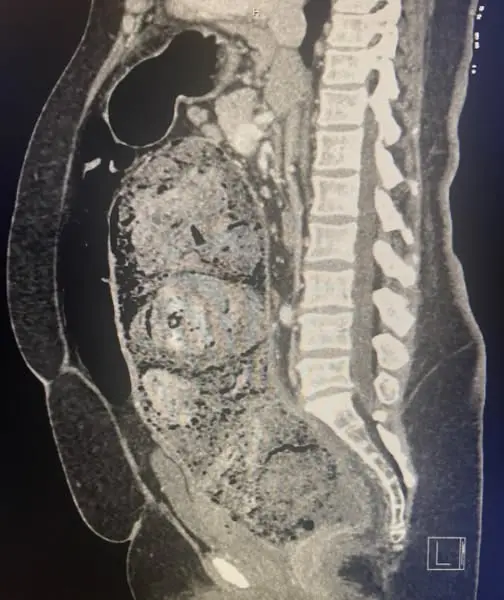
Carol Warren Inactive
Carol Warren Facebook ad creative
nutritiontherapy.co
Read if your gut is ruining your life
Learn more

Carol Warren Facebook and Instagram ad

Carol Warren ran this image ad since Jun 26, 2026, 134 days so far.

First seen
Jun 26, 2026
Running for
134 days
Format
Image
Call to action
Learn more
Niche
Health and supplements
Countries
Not disclosed
Page likes
114

Ad copy

Please STOP trying to fix your diarrhea with Imodium and low-FODMAP diets. I know that sounds crazy, but every time you pop another tablet or cut out another food, you're missing what's actually happening inside your small intestine. Let me explain. I used to be just like you. Standing in the pharmacy aisle, desperately reading labels on probiotics and digestive enzymes, hoping this would be the one that finally worked. Following the low-FODMAP plan to the letter, cutting out food after food until I was eating the same twelve things on repeat. Taking two Imodium tablets before bed every night, praying my stomach would be okay the next day. Month after month, my gut kept getting worse. More trips to the toilet. My safe foods list got a little shorter. It was a slow, creeping loss of control. I felt like I was losing my mind. Was I doing something wrong? Was my gut just too damaged for anything to help? The breaking point came during a weekend away with my husband. He'd booked a nice restaurant. Somewhere new. The kind of place he loves — interesting food, different flavours. I spent the entire meal barely eating, terrified of what my stomach would do. Excused myself to the toilet twice. Couldn't finish my main course. On the drive home, he didn't say anything. But I could see it in his face. A wave of shame washed over me. In that moment, I felt like a disappointment. Like I was ruining everything. That's when I discovered something that changed everything. A neurogastroenterologist — a specialist who focuses on gut motility disorders — explained something crucial: "Ladies, if you've been diagnosed with IBS-D and you're only managing it with Imodium, anti-spasmodics, or restrictive diets, you need to understand something critical. These approaches are like putting a plaster over a wound that's still bleeding underneath. They fail to address what's really happening inside your small intestine." The room went silent. "Here's what's really happening," she continued. "A huge number of people diagnosed with IBS-D actually have SIBO — Small Intestinal Bacterial Overgrowth. Bacteria that belong in your large intestine migrate up into your small intestine where they don't belong. Once they're there, they ferment carbohydrates prematurely — producing hydrogen gas way too high up in your digestive tract. That hydrogen speeds up your gut motility. That's why the diarrhea hits without warning. It pulls water into the intestines — that's why the stool is loose and watery. The gas gets trapped higher up than normal — that's why the bloating is so severe and so painful." She paused, letting that sink in. "As for Imodium and anti-diarrheal medications… they work by slowing gut motility. But if food isn't being digested properly in the small intestine first, slowing things down doesn't prevent the urgency. And every day you take them, your tolerance builds. Two tablets become three. Three become four. You're trapped in a cycle." My heart was racing. This explained everything. Why nothing had worked. Why my gut seemed worse despite trying "everything." "The solution," she explained, "isn't masking symptoms with medications or starving yourself on restricted diets. It's about targeting the bacterial overgrowth at the source so your small intestine can function naturally again." She described cases of women who'd used this approach. Women who'd spent years — some over a decade — being told they had IBS. Women who'd been gaslit by doctor after doctor. Women who went from not being able to leave the house to going on holidays again. But these weren't women forcing changes with medications. These were women who had addressed the bacterial overgrowth and restored their gut function naturally. After learning this, I was stunned. "What you described is exactly what I've been experiencing," I thought. "All these diets, all this Imodium, and my gut just keeps getting worse." "Most women come to this realisation after wasting years on treatments that never address what's happening in the small intestine," she explained. "The good news? Once you stop masking symptoms and start targeting the overgrowth, the improvement can be remarkable." That's when I learned about oil of oregano drops. "Here's what most women don't understand," she explained. "Every tablet, every capsule, every supplement you've tried — your body probably couldn't absorb any of them." "SIBO damages the lining of your small intestine. When that lining is damaged, tablets and capsules can't be broken down and absorbed properly. Every pill you've swallowed has been fighting against a system that couldn't process it." I was skeptical. After so many failures, how could this be different? But the science was compelling: Oil of oregano — specifically the compound inside it called carvacrol — has powerful antimicrobial properties that target the harmful bacteria causing the overgrowth. Unlike Rifaximin, the standard antibiotic for SIBO which kills bacteria indiscriminately and has a massive relapse rate, carvacrol works without destroying your entire gut microbiome. And because it's in liquid drop form, it bypasses the malabsorption problem entirely. It doesn't need to be broken down by a damaged gut. It absorbs directly. The key difference? Instead of masking symptoms with Imodium or starving yourself on restricted diets, oil of oregano targets the bacterial overgrowth itself — the actual root cause. "Think about it," I realised. "I've spent three years treating symptoms. Not once did anyone try to address WHY my gut was malfunctioning." I started taking the drops that night. Just added them to my daily routine. No extra pills to remember. No complicated protocols. No harsh medications irritating my gut. Within two weeks, something changed. The urgency started easing. I made it through a whole morning without rushing to the toilet. For the first time in years, I felt hopeful instead of desperate. By week four, I had a normal bowel movement. Solid. Formed. No urgency. No cramping. I nearly cried. I pressed my fingers against my abdomen and it was soft. Actually soft. Not the rock-hard, painful bloating I'd lived with for years. By month two, the bloating was gone. I went out for dinner. Ordered what I wanted. Sat there afterward without thinking about where the nearest toilet was. Like a normal person. But the real test came when I stopped taking Imodium. No backup tablets. No emergency supply in my handbag. I expected everything to fall apart. Instead, my gut just… worked. That's when I understood the difference between masking and fixing. The overgrowth was being addressed. My small intestine was healing. I didn't need to artificially hold things together with medication anymore. It's been eight months now. I look at my old life and can't believe that was me. The woman who mapped every toilet before leaving the house. The woman spending money on Imodium, probiotics, and supplements that couldn't even be absorbed. The woman who thought this was just her life now. If you're reading this and you recognise yourself in my story, please understand: You don't need to keep throwing money at treatments that miss the real problem. You don't need to accept IBS as something you just "manage." You just need to stop masking symptoms and start targeting what's actually causing them. Oil of oregano drops address what's happening in the small intestine. They target instead of masking. They work with your body's natural systems instead of against them. And because they're liquid drops, they bypass the damaged gut that's been blocking everything else from working. They're currently running up to 40% off. And there's a 60-day money-back guarantee — if nothing changes, full refund. Zero risk. Stop wasting money on treatments that only mask the problem. Start targeting the overgrowth. Your gut isn't broken. It just needs the right support to heal. Click below to try it and finally address what's really happening inside your gut. 👉 https://nutritiontherapy.co/products/oil-of-oregano P.S. — That weekend away with my husband? We went back to the same restaurant last month. I ordered the full menu. Starter, main, dessert. Sat there laughing, eating, enjoying every bite. No toilet trips. No anxiety. No shame. He looked at me across the table and said: "I've missed this." I'd missed it too. Three years of thinking I was the problem. Three years of doctors telling me to manage my stress. Three years of shrinking my life around a toilet. I wasn't lazy. I wasn't cheating on my diet. I was ill. Now I'm not. 👉 https://nutritiontherapy.co/products/oil-of-oregano P.P.S. — I told a woman in an IBS support group about this last month. She messaged me six weeks later. "First solid bowel movement in two years. I sat on the toilet and cried. Good tears." She'd been blaming herself for four years. Four years of "are you really following the diet?" Four years of watching her life shrink. She wasn't doing anything wrong. She was ill. Now she's not. 👉 https://nutritiontherapy.co/products/oil-of-oregano

Placements and targeting

FacebookInstagramAudience NetworkMessengerThreads

More ads from Carol Warren

Full Carol Warren profile
Carol Warren
Carol Warren
+1
Inactive133 days
nutritiontherapy.co
Read if your gut is ruining your life
Learn more

For three years, I took Imodium every night while every test said I was fine. Until I figured out: standard IBS-D tests miss the one thing that's actually causing it. If you're dealing with diarrhea, bloating, or urgency that won't go away — keep reading. Because what a neurogastroenterologist found inside my small intestine explained everything. For three years, I felt like my body was betraying me. Diarrhea. Every single day. Didn't matter what I ate. Plain chicken? Diarrhea. Rice? Diarrhea. The blandest thing imaginable? Still running to the toilet. My stomach was a mess. Six months pregnant by lunchtime. Hard. Tight. Painful. Pressing my fingers into my abdomen and wincing. And the exhaustion... God, the exhaustion. I could sleep nine hours and wake up feeling like I hadn't slept at all. I'd drag myself through the day, running on coffee and willpower, counting down the hours until I could collapse back into bed. I thought maybe it was stress. Maybe I was eating wrong. Maybe this was just what getting older felt like. So I tried everything. Probiotics. Dozens of them. Different strains, different brands, different price points. Nothing. Low-FODMAP diet. Cut out garlic. Cut out onion. Cut out wheat. Cut out dairy. Cut out joy. Still bloating. Still running to the toilet. Imodium. Two tablets before bed became three. Three became four. Some days they held. Some days they didn't. Tolerance kept building while the medication got less reliable every month. Doctor's visits. Colonoscopy came back "normal." Endoscopy came back "normal." CT scan "normal." Blood work "normal." Was told I had IBS-D. Given Imodium and a FODMAP handout and sent home. IBS-D. The diagnosis they give you when they don't know what's wrong. I spent thousands of pounds over three years trying to fix something no one could explain. And every night, I'd lie in bed wondering: Why does my body hate me? Then one night, I'm down a rabbit hole at 2 AM — because of course I couldn't sleep — and I come across a post in a gut health forum. Not some sketchy thread. A neurogastroenterologist's published research. And it's explaining that a large subset of people diagnosed with IBS-D actually have SIBO — Small Intestinal Bacterial Overgrowth. Bacteria colonising the small intestine where they don't belong. Fermenting food prematurely. Producing hydrogen gas. Causing diarrhea, bloating, urgency, cramping, fatigue… I'm reading this list and my stomach drops. That's me. That's literally every single thing I've been dealing with. But SIBO? I'd never heard the word. Not once. Not from any of the doctors I'd seen in three years. So I keep reading. Turns out, SIBO often starts after food poisoning. It damages the migrating motor complex — the cleaning wave your small intestine uses to sweep bacteria down into the large intestine where they belong. Once that mechanism is damaged, bacteria migrate upward. They colonise. They multiply. They ferment everything you eat. And here's the part that made me angry: Standard IBS-D tests don't check for SIBO. Colonoscopies can't see it. Endoscopies can't detect it. Blood work won't show it. You need a hydrogen breath test. Most doctors never order one. You're told you have IBS-D. Sent home with Imodium. While bacteria keep growing inside your small intestine. So now I'm obsessed. I need to know if this is what's been wrong with me. I find a neurogastroenterologist — Dr. Sarah Mitchell — and book a consultation. She runs a hydrogen breath test. Positive. Hydrogen-dominant SIBO. Three years of doctors. Multiple specialists. Every test in the book. And not one of them checked the one thing that was actually wrong. I start researching how to actually get rid of the overgrowth. And I find studies on oil of oregano. Specifically, on a compound called carvacrol. It has powerful antimicrobial properties. Targets the harmful bacteria causing the overgrowth. Without destroying the beneficial flora your gut needs to recover. Used as medicine for thousands of years in the Mediterranean. And because it's liquid drops, it bypasses the malabsorption problem — SIBO damages your gut lining, which means tablets and capsules can't be absorbed properly. Drops absorb directly. Great. Simple. I'll just buy some oregano oil. Except it wasn't simple at all. I bought my first bottle from a health shop. Took it for two weeks. Nothing happened. So I checked the label more carefully. "Oregano oil" — but when I researched the brand, it contained barely any carvacrol. Just cheap carrier oil with oregano flavouring. I tried another brand. Same thing. Then a third. Made me nauseous because it was so poorly formulated. I tried four different brands. Three were useless. One made me feel worse. I spent six months and over £300 on products that did absolutely nothing. And that's when I realised the real problem. It's not that oil of oregano doesn't work. The research is solid. Carvacrol is proven. The problem is that most brands are selling fake potency. They put "oregano oil" on the label, but there's barely any carvacrol inside. Just enough to legally call it oregano oil. Not enough to target anything. It's the same trick the supplement industry has been pulling for years. Low-potency filler. Label claims that mean nothing. And people like me try these products, see no results, and assume "oregano oil doesn't work for SIBO." But it does work — if you can actually find a real one. That's the hard part no one tells you about. I almost gave up. Honestly. I was exhausted from researching. Tired of wasting money. Starting to think maybe it really was "just IBS-D" after all. Then I'm scrolling through a gut health forum one night — just doom-scrolling, not even looking for anything — and someone mentions this company. Says their oil of oregano actually worked for her. That she'd tried everything else and this was different. I almost scrolled past. I'd heard that before. But something made me click. I go to their website. Look at their oil of oregano drops. And I stop. High-potency carvacrol. Standardised concentration. Not just "good" — higher than what most of the products I'd tried even came close to. Clean carrier oil. Not cheap filler diluting everything. Third-party tested. Results published. No fillers. No garbage. I'd looked at maybe twelve brands by this point. None of them had numbers like this. So I thought: one more try. Last chance. If this doesn't work, I'm done. I'm starting the Imodium permanently and accepting this is my life. I'm going to be honest with you. The first few days were quiet. Nothing dramatic. I almost texted my sister and told her it was another dud. But by day three, something shifted. I woke up and realised I hadn't rushed to the toilet first thing. Just got up. Made breakfast. Ate it without cramping. It was 11 AM before I realised I hadn't been to the toilet once. By the end of week one, the bloating started going down. For the first time in three years, I could eat a meal without looking six months pregnant afterwards. I pressed my fingers into my abdomen — soft. Actually soft. By week two, the diarrhea slowed dramatically. Two or three normal movements instead of eight urgent ones. Formed. Solid. No urgency. No cramping. But the biggest change was the energy. I woke up one morning and realised I didn't feel shattered. Not "I can function" — actually not exhausted. Clear. Alert. Ready to start the day. I almost cried. I'd forgotten what that felt like. I'd been running on empty for so long, I thought exhaustion was just my baseline. It wasn't. It was the malabsorption. SIBO had been damaging my gut lining for years — I couldn't absorb nutrients properly. My body was starving while I ate three meals a day. By week four, I felt like a completely different person. The diarrhea was gone. The bloating was gone. The gas was gone. The cramping was gone. The urgency — that constant background terror of not knowing where the nearest toilet was — just... disappeared. I put the Imodium in the back of the drawer. Haven't touched it since. And I was sleeping through the night. No more lying awake with my gut churning. I've been taking these drops daily for eight months now. My husband booked a restaurant last month. Somewhere new. Interesting food. The kind of place I'd refused for three years. I ordered the full menu. Starter, main, dessert. Sat there laughing, eating, enjoying every bite. No toilet trips. No anxiety. No shame. He looked at me across the table and said: "I've missed this." We booked a holiday last week. Flights and everything. No safe food lists. No bathroom mapping. No Imodium in my handbag. I said yes without thinking about it. That's when I realised how much this overgrowth had been affecting everything. I'm not telling you this to sell you something. I'm telling you because I wasted three years suffering. Thousands of pounds on useless products. Countless doctor's visits that led nowhere. Four Imodium tablets every night that were losing their grip. And the solution was there the whole time. I just couldn't find a brand that actually delivered real potency. If you're dealing with diarrhea that won't go away… Bloating that makes you look pregnant by lunchtime… Urgency that makes you map every toilet before going anywhere… Imodium that's getting less reliable every month… A safe foods list that keeps getting shorter… It might not be stress. It might not be "just IBS-D." It might not be your diet. There might be bacteria growing in your small intestine that nobody ever tested for. And your body might be begging you to target them. There's a 60-day money-back guarantee. If you don't notice a difference — less urgency, less bloating, more normal movements — you get a full refund. But here's the thing: they're a small company. They can't always keep up with demand. If you click the link and they're sold out, I apologise. It happens. But if it's available, I'd grab it now. They're running up to 40% off right now. Four weeks changed everything for me. It might do the same for you. Click below to try it. And if you've been struggling like I was — I hope you finally find your answer. 👉 https://nutritiontherapy.co/products/oil-of-oregano

Carol Warren
Carol Warren
+1
Inactive134 days
nutritiontherapy.co
Read if your gut is ruining your life
Learn more

If you've taken Rifaximin twice, spent thousands on gastroenterologists, and followed every IBS-D protocol to the letter—and your diarrhea is STILL ruining your life—while your gastroenterologist acts like this is completely normal... I'm about to show you exactly what's broken and why everything you've tried has failed. And by the end of this, you're gonna be pissed. Because there are three things happening right now: One - Your gut is screaming at you that something's wrong Two - The medical system is gaslighting you into thinking "some people just have IBS-D" and you need to learn to manage it And three - There's a billion-dollar pharmaceutical and supplement industry that profits every single month you stay stuck in this cycle So let me tell you what happened with my wife Sarah, because our story is gonna open your eyes to how fucked up this really is. For YEARS—and I mean like 8 straight years—Sarah was suffering. Her diarrhea was so severe she couldn't leave the house without mapping every bathroom within a mile. Not like "oh I have a sensitive stomach" diarrhea. I'm talking 3 trips to the bathroom before breakfast. 5 by mid-morning. Sometimes 8 before noon. No warning. No control. Her shame? Crushing. She felt like such a disappointment to me because we couldn't go to restaurants, couldn't travel, couldn't do anything normal. She thought I blamed her. I never did. But I could see her disappearing inside herself. And the bloating? She looked six months pregnant by lunchtime every single day. She'd change into pajamas by 2 PM because her waistband was cutting into her so badly she couldn't breathe. Stopped going to restaurants. Stopped vacations. Stopped day trips. And the exhaustion? She would sleep 8 hours and wake up more tired than when she went to bed. Brain fog so bad she'd forget what she was saying mid-sentence. Her self-worth tanked. Started canceling plans. Stopped seeing friends. Crying in the bathroom where I couldn't see her. And the worst part? Nobody could tell her what was actually wrong. So obviously, we go to doctors, right? Multiple gastroenterologists. We're talking thousands of dollars in appointments, colonoscopies, endoscopies, blood work, food sensitivity panels... the whole nine yards. And you know what every single one of them told us? "Your colonoscopy looks normal." "It's probably stress." "Take Imodium." "Try the low-FODMAP diet." "Eat more fiber." IBS-D. My wife can't leave the house without emergency supplies and they're telling us to just... take Imodium and eat more fiber. But here's where it gets worse—and this is the part that made me start digging into what the fuck is actually going on. They prescribed her Imodium. Two tablets before bed. It helped some days. Then her body built tolerance. Two became three. Three became four. Some days four wasn't enough. They told her to eat more fiber. Fiber made it VIOLENTLY worse. Because—as I'd later find out—fiber was FEEDING the bacterial overgrowth in her small intestine. Every fiber recommendation was pouring gasoline on the fire. They put her on low-FODMAP. She followed it perfectly. Cut out garlic, onions, wheat, dairy, most fruits. Her safe foods list went from thirty items to twelve. And she was STILL having diarrhea. So at this point, I'm fucking furious. Because I'm watching Sarah—who's doing everything the doctors tell her, spending all this money, following every protocol—get WORSE. Not better. Worse. And that's when I started asking questions that nobody wants you to ask: Why are gastroenterologists so quick to prescribe Imodium that only masks symptoms? Why do they act like "IBS-D is chronic" is just... normal and you have to live with it? And why does nobody ever talk about WHAT is actually causing the diarrhea in the first place? So I went down a rabbit hole. And I mean a DEEP rabbit hole. I started researching why someone would have all these symptoms—the relentless diarrhea, the bloating that won't quit, the Imodium that stops working—and every mainstream medical site was giving me the same bullshit answers. "Take Imodium. Avoid trigger foods. Reduce stress." But then I found a meta-analysis of 50 studies covering over 8,000 IBS patients. And it showed something that completely changed everything I thought I knew about IBS-D. Up to 53.3% of IBS-D patients actually have SIBO—Small Intestinal Bacterial Overgrowth. And in a Johns Hopkins study, 63.4% of patients tested came back positive. Nearly two-thirds. Now pause for a second. You know what's insane? Everyone talks about IBS-D. Imodium. Low-FODMAP. Fiber. Stress management. But nobody—and I mean NOBODY—ever tested my wife for the thing that over half of IBS-D patients actually have. Eight years. Four gastroenterologists. Not one hydrogen breath test. And that's not an accident. Because once you understand what's actually causing the diarrhea, you realize that 90% of patients on Imodium don't have a "sensitive gut problem" or a "diet problem." They have a bacterial overgrowth problem. Here's what's actually happening: When bacteria colonize your small intestine—often after food poisoning damages the migrating motor complex—they don't just sit there passively. They ferment your food prematurely. Way too high up in your digestive tract. They produce hydrogen gas. That hydrogen causes: Accelerated gut motility that makes diarrhea hit with no warning Water pulled into the intestines creating loose, watery stool Gas trapped higher up than normal creating severe bloating by lunchtime Damaged gut lining blocking absorption of nutrients, vitamins, everything Years of worsening symptoms because the overgrowth keeps growing Thousands spent on Imodium and diets that don't touch the root cause Complete loss of hope because you feel like nothing will ever work And here's the kicker: Imodium doesn't target bacteria. Low-FODMAP doesn't eliminate bacteria. Fiber FEEDS the bacteria. So you can take four Imodium every night and follow low-FODMAP perfectly. But if bacteria are fermenting your food in your small intestine—and nothing is targeting the overgrowth? You're only slowing things down temporarily. The bacteria are still there. The overgrowth keeps growing. And your life keeps shrinking. So you get: Diarrhea that never fully resolves Imodium tolerance that keeps creeping up Bloating that comes back every single time Thousands spent on treatments that don't work long-term A safe foods list that fits on a Post-it note and keeps shrinking Complete destruction of your confidence and your social life And here's the part that made my blood boil: There IS a treatment that outperformed the prescription antibiotic at Johns Hopkins. But your gastroenterologist never mentioned it. Why? Because there's no pharmaceutical drug company behind it. You can't make billions off a natural compound that costs a fraction of Rifaximin. There's no money in telling you to target the ROOT CAUSE. There IS money in keeping you cycling through escalating Imodium doses, expensive specialist visits, and restrictive diets for the REST OF YOUR LIFE. See how that works? So I kept researching. I'm reading gastroenterology journals now. SIBO studies. Talking to anyone who actually understands what's happening inside the small intestine... And I found the Johns Hopkins study that changed everything. Herbal antimicrobials including oregano oil achieved a 46% SIBO clearance rate. Rifaximin—the prescription antibiotic—achieved only 34%. The herbs outperformed the drug. And 57.1% of patients who FAILED Rifaximin then cleared their SIBO using herbal therapy. The compound that does the work is called carvacrol—the active antimicrobial in concentrated oil of oregano. 10+ independent peer-reviewed studies show carvacrol disrupts the cell membranes of the harmful bacteria causing the overgrowth. Selectively. Without destroying beneficial flora. Unlike Rifaximin that carpet-bombs everything—good and bad—leaving nothing to prevent recolonization. But there's a reason most people who try oil of oregano capsules see no results. SIBO damages the lining of your small intestine. When the lining is damaged, capsules and tablets can't be absorbed properly. Every probiotic Sarah swallowed. Every supplement. Every digestive enzyme. Every oregano oil capsule from the health food store. Her body couldn't use ANY of them. They passed right through a damaged system. You can take every supplement on the shelf all day long. But if your gut lining is damaged—and the compound can't be absorbed through a damaged system? It's doing nothing. The carvacrol never reaches the bacteria. It passes through unused. So you get: Oregano oil capsules that don't work Probiotics that "stop working" after a week Supplements that do nothing Hundreds of dollars wasted on products your body can't absorb And the conclusion that "natural remedies don't work" But natural remedies DO work. If the compound can actually REACH the bacteria. And that's the part nobody tells you. Liquid drops bypass the damaged gut lining entirely. They absorb directly. The carvacrol actually reaches the bacteria in the small intestine. At therapeutic concentration. Without being blocked by a damaged system. That's why capsules fail and drops work. Same compound. Different delivery. Completely different result. See how that works? So Sarah finally sees a neurogastroenterologist—Dr. Sarah Mitchell—who actually understands SIBO. And this doctor literally confirms everything I'd been researching. She's like "Imodium keeps failing because it doesn't touch bacteria. Low-FODMAP keeps failing because bacteria adapt and ferment whatever you give them. Fiber made it worse because you were feeding the overgrowth. And every capsule and supplement you've tried couldn't be absorbed through a damaged gut lining—so none of it ever reached the problem." She tells Sarah to start oil of oregano drops. High-potency carvacrol. Clean carrier oil. Third-party tested. Liquid form. And for the first time in eight years, someone actually explained WHY everything had failed. But here's the problem Sarah had at first... She tried cheap brands. Three of them. First brand—Amazon, highest rated. Three weeks. Nothing. Checked the label: barely any carvacrol. Just cheap carrier oil with oregano flavoring. Second brand—health food store, "premium." Four weeks. Nothing. Still low-potency. Third brand—made her nauseous. Poorly formulated. Different brands. Different stores. Inconsistent quality at best. And we were wasting money every month on products that didn't deliver. But you know what? We kept looking. Because the alternative was accepting she'd be on four Imodium every night for the rest of her life with a safe foods list that kept shrinking. And then we found one that had everything Dr. Mitchell described. High-potency carvacrol at standardized concentration. Clean carrier oil. Third-party lab tested for purity and potency. Liquid drops. And I almost fell out of my chair. Because when Sarah was buying all those cheap brands separately? Hundreds wasted. Months wasted. One bottle of the real thing? A fraction of what she'd been spending on Imodium and supplements that didn't work. I literally had to read the research three times because I couldn't believe nobody had told us this eight years ago. Compare that to: Imodium every night for years: hundreds per year, tolerance building, never fixing anything Gastroenterologist visits: $400 each, same diagnosis, same handout Colonoscopies: $3,000, always "normal" Probiotics that can't be absorbed: $89/month Restrictive low-FODMAP diet destroying quality of life: priceless suffering And after about one week? Something shifted. The urgency eased. She woke up one morning and realized she hadn't rushed to the bathroom first thing. Just got up. Made breakfast. Ate it without cramping. After two weeks? The diarrhea slowed dramatically. Bowel movements were forming up. Solid. Normal. No urgency. The bloating was lifting. She pressed her fingers into her abdomen—soft. Actually soft. After six weeks? She ate garlic bread for the first time in years. Sat there waiting for the explosion. It never came. The Imodium went in the back of the drawer. The emergency supplies went in the trash. The safe foods list got thrown away because she didn't need it anymore. I'm looking at Sarah right now, 8 months later. She's eating foods she hasn't been able to touch in years. Her stomach stays flat all day. Her energy is normal. Her brain fog is completely gone. After 8 years of IBS-D, after thousands spent on Imodium and gastroenterologists that kept failing—she's finally free. Her gastroenterologist said at her last follow-up: "Your IBS-D is completely resolved. What did you do?" Sarah told her. SIBO. Oil of oregano drops. Carvacrol targeting the bacteria selectively. Liquid form bypassing the damaged gut lining. The doctor wrote "alternative treatment" in her chart and moved on to her next patient. Now here's the thing I need you to understand: IBS-D gets HARDER to live with the longer you have it. Each month of untreated SIBO means more gut lining damage. Each month of more damage means worse malabsorption. Each increase in Imodium dose means more tolerance. And that's when people give up hope and accept they'll be having diarrhea and mapping bathrooms forever. Every year, like clockwork. IBS-D patients who've been on escalating Imodium for years with no lasting relief KNOW this. They scramble for solutions because they know their gut is getting worse, not better. And then suddenly they're dependent on four Imodium a night, eating twelve foods, spending thousands per year on gastroenterologist visits—because nobody told them about SIBO and nobody offered them a compound that could actually reach the bacteria. I put the link below. And honestly? Even if you're skeptical, grab one bottle. Try it for 8 weeks. Track your bathroom trips week one, then again week four. See if your symptoms respond the way Sarah's did. Because the medical system isn't coming to save you. They profit too much from keeping you on repeat Imodium prescriptions and treating symptoms instead of root causes. You have to save yourself. 60-day money-back guarantee. If nothing changes, full refund. Right now they're running Buy 2 Get 1 Free. Go get it. And use the thousands you save on failed treatments to take a vacation once your gut is healed. 👉 https://nutritiontherapy.co/products/oil-of-oregano

Carol Warren
Carol Warren
+1
Inactive134 days
nutritiontherapy.co
Read if your gut is ruining your life
Learn more

Please STOP trying to fix your diarrhea with Imodium and low-FODMAP diets. I know that sounds crazy, but every time you pop another tablet or cut out another food, you're missing what's actually happening inside your small intestine. Let me explain. I used to be just like you. Standing in the pharmacy aisle, desperately reading labels on probiotics and digestive enzymes, hoping this would be the one that finally worked. Following the low-FODMAP plan to the letter, cutting out food after food until I was eating the same twelve things on repeat. Taking two Imodium tablets before bed every night, praying my stomach would be okay the next day. Month after month, my gut kept getting worse. More trips to the toilet. My safe foods list got a little shorter. It was a slow, creeping loss of control. I felt like I was losing my mind. Was I doing something wrong? Was my gut just too damaged for anything to help? The breaking point came during a weekend away with my husband. He'd booked a nice restaurant. Somewhere new. The kind of place he loves — interesting food, different flavours. I spent the entire meal barely eating, terrified of what my stomach would do. Excused myself to the toilet twice. Couldn't finish my main course. On the drive home, he didn't say anything. But I could see it in his face. A wave of shame washed over me. In that moment, I felt like a disappointment. Like I was ruining everything. That's when I discovered something that changed everything. A neurogastroenterologist — a specialist who focuses on gut motility disorders — explained something crucial: "Ladies, if you've been diagnosed with IBS-D and you're only managing it with Imodium, anti-spasmodics, or restrictive diets, you need to understand something critical. These approaches are like putting a plaster over a wound that's still bleeding underneath. They fail to address what's really happening inside your small intestine." The room went silent. "Here's what's really happening," she continued. "A huge number of people diagnosed with IBS-D actually have SIBO — Small Intestinal Bacterial Overgrowth. Bacteria that belong in your large intestine migrate up into your small intestine where they don't belong. Once they're there, they ferment carbohydrates prematurely — producing hydrogen gas way too high up in your digestive tract. That hydrogen speeds up your gut motility. That's why the diarrhea hits without warning. It pulls water into the intestines — that's why the stool is loose and watery. The gas gets trapped higher up than normal — that's why the bloating is so severe and so painful." She paused, letting that sink in. "As for Imodium and anti-diarrheal medications… they work by slowing gut motility. But if food isn't being digested properly in the small intestine first, slowing things down doesn't prevent the urgency. And every day you take them, your tolerance builds. Two tablets become three. Three become four. You're trapped in a cycle." My heart was racing. This explained everything. Why nothing had worked. Why my gut seemed worse despite trying "everything." "The solution," she explained, "isn't masking symptoms with medications or starving yourself on restricted diets. It's about targeting the bacterial overgrowth at the source so your small intestine can function naturally again." She described cases of women who'd used this approach. Women who'd spent years — some over a decade — being told they had IBS. Women who'd been gaslit by doctor after doctor. Women who went from not being able to leave the house to going on holidays again. But these weren't women forcing changes with medications. These were women who had addressed the bacterial overgrowth and restored their gut function naturally. After learning this, I was stunned. "What you described is exactly what I've been experiencing," I thought. "All these diets, all this Imodium, and my gut just keeps getting worse." "Most women come to this realisation after wasting years on treatments that never address what's happening in the small intestine," she explained. "The good news? Once you stop masking symptoms and start targeting the overgrowth, the improvement can be remarkable." That's when I learned about oil of oregano drops. "Here's what most women don't understand," she explained. "Every tablet, every capsule, every supplement you've tried — your body probably couldn't absorb any of them." "SIBO damages the lining of your small intestine. When that lining is damaged, tablets and capsules can't be broken down and absorbed properly. Every pill you've swallowed has been fighting against a system that couldn't process it." I was skeptical. After so many failures, how could this be different? But the science was compelling: Oil of oregano — specifically the compound inside it called carvacrol — has powerful antimicrobial properties that target the harmful bacteria causing the overgrowth. Unlike Rifaximin, the standard antibiotic for SIBO which kills bacteria indiscriminately and has a massive relapse rate, carvacrol works without destroying your entire gut microbiome. And because it's in liquid drop form, it bypasses the malabsorption problem entirely. It doesn't need to be broken down by a damaged gut. It absorbs directly. The key difference? Instead of masking symptoms with Imodium or starving yourself on restricted diets, oil of oregano targets the bacterial overgrowth itself — the actual root cause. "Think about it," I realised. "I've spent three years treating symptoms. Not once did anyone try to address WHY my gut was malfunctioning." I started taking the drops that night. Just added them to my daily routine. No extra pills to remember. No complicated protocols. No harsh medications irritating my gut. Within two weeks, something changed. The urgency started easing. I made it through a whole morning without rushing to the toilet. For the first time in years, I felt hopeful instead of desperate. By week four, I had a normal bowel movement. Solid. Formed. No urgency. No cramping. I nearly cried. I pressed my fingers against my abdomen and it was soft. Actually soft. Not the rock-hard, painful bloating I'd lived with for years. By month two, the bloating was gone. I went out for dinner. Ordered what I wanted. Sat there afterward without thinking about where the nearest toilet was. Like a normal person. But the real test came when I stopped taking Imodium. No backup tablets. No emergency supply in my handbag. I expected everything to fall apart. Instead, my gut just… worked. That's when I understood the difference between masking and fixing. The overgrowth was being addressed. My small intestine was healing. I didn't need to artificially hold things together with medication anymore. It's been eight months now. I look at my old life and can't believe that was me. The woman who mapped every toilet before leaving the house. The woman spending money on Imodium, probiotics, and supplements that couldn't even be absorbed. The woman who thought this was just her life now. If you're reading this and you recognise yourself in my story, please understand: You don't need to keep throwing money at treatments that miss the real problem. You don't need to accept IBS as something you just "manage." You just need to stop masking symptoms and start targeting what's actually causing them. Oil of oregano drops address what's happening in the small intestine. They target instead of masking. They work with your body's natural systems instead of against them. And because they're liquid drops, they bypass the damaged gut that's been blocking everything else from working. They're currently running up to 40% off. And there's a 60-day money-back guarantee — if nothing changes, full refund. Zero risk. Stop wasting money on treatments that only mask the problem. Start targeting the overgrowth. Your gut isn't broken. It just needs the right support to heal. Click below to try it and finally address what's really happening inside your gut. 👉 https://nutritiontherapy.co/products/oil-of-oregano P.S. — That weekend away with my husband? We went back to the same restaurant last month. I ordered the full menu. Starter, main, dessert. Sat there laughing, eating, enjoying every bite. No toilet trips. No anxiety. No shame. He looked at me across the table and said: "I've missed this." I'd missed it too. Three years of thinking I was the problem. Three years of doctors telling me to manage my stress. Three years of shrinking my life around a toilet. I wasn't lazy. I wasn't cheating on my diet. I was ill. Now I'm not. 👉 https://nutritiontherapy.co/products/oil-of-oregano P.P.S. — I told a woman in an IBS support group about this last month. She messaged me six weeks later. "First solid bowel movement in two years. I sat on the toilet and cried. Good tears." She'd been blaming herself for four years. Four years of "are you really following the diet?" Four years of watching her life shrink. She wasn't doing anything wrong. She was ill. Now she's not. 👉 https://nutritiontherapy.co/products/oil-of-oregano

Carol Warren
Carol Warren
+1
Inactive134 days
nutritiontherapy.co
Read if your gut is ruining your life
Learn more

If you've taken Rifaximin twice, spent thousands on gastroenterologists, and followed every IBS-D protocol to the letter—and your diarrhea is STILL ruining your life—while your gastroenterologist acts like this is completely normal... I'm about to show you exactly what's broken and why everything you've tried has failed. And by the end of this, you're gonna be pissed. Because there are three things happening right now: One - Your gut is screaming at you that something's wrong Two - The medical system is gaslighting you into thinking "some people just have IBS-D" and you need to learn to manage it And three - There's a billion-dollar pharmaceutical and supplement industry that profits every single month you stay stuck in this cycle So let me tell you what happened with my wife Sarah, because our story is gonna open your eyes to how fucked up this really is. For YEARS—and I mean like 8 straight years—Sarah was suffering. Her diarrhea was so severe she couldn't leave the house without mapping every bathroom within a mile. Not like "oh I have a sensitive stomach" diarrhea. I'm talking 3 trips to the bathroom before breakfast. 5 by mid-morning. Sometimes 8 before noon. No warning. No control. Her shame? Crushing. She felt like such a disappointment to me because we couldn't go to restaurants, couldn't travel, couldn't do anything normal. She thought I blamed her. I never did. But I could see her disappearing inside herself. And the bloating? She looked six months pregnant by lunchtime every single day. She'd change into pajamas by 2 PM because her waistband was cutting into her so badly she couldn't breathe. Stopped going to restaurants. Stopped vacations. Stopped day trips. And the exhaustion? She would sleep 8 hours and wake up more tired than when she went to bed. Brain fog so bad she'd forget what she was saying mid-sentence. Her self-worth tanked. Started canceling plans. Stopped seeing friends. Crying in the bathroom where I couldn't see her. And the worst part? Nobody could tell her what was actually wrong. So obviously, we go to doctors, right? Multiple gastroenterologists. We're talking thousands of dollars in appointments, colonoscopies, endoscopies, blood work, food sensitivity panels... the whole nine yards. And you know what every single one of them told us? "Your colonoscopy looks normal." "It's probably stress." "Take Imodium." "Try the low-FODMAP diet." "Eat more fiber." IBS-D. My wife can't leave the house without emergency supplies and they're telling us to just... take Imodium and eat more fiber. But here's where it gets worse—and this is the part that made me start digging into what the fuck is actually going on. They prescribed her Imodium. Two tablets before bed. It helped some days. Then her body built tolerance. Two became three. Three became four. Some days four wasn't enough. They told her to eat more fiber. Fiber made it VIOLENTLY worse. Because—as I'd later find out—fiber was FEEDING the bacterial overgrowth in her small intestine. Every fiber recommendation was pouring gasoline on the fire. They put her on low-FODMAP. She followed it perfectly. Cut out garlic, onions, wheat, dairy, most fruits. Her safe foods list went from thirty items to twelve. And she was STILL having diarrhea. So at this point, I'm fucking furious. Because I'm watching Sarah—who's doing everything the doctors tell her, spending all this money, following every protocol—get WORSE. Not better. Worse. And that's when I started asking questions that nobody wants you to ask: Why are gastroenterologists so quick to prescribe Imodium that only masks symptoms? Why do they act like "IBS-D is chronic" is just... normal and you have to live with it? And why does nobody ever talk about WHAT is actually causing the diarrhea in the first place? So I went down a rabbit hole. And I mean a DEEP rabbit hole. I started researching why someone would have all these symptoms—the relentless diarrhea, the bloating that won't quit, the Imodium that stops working—and every mainstream medical site was giving me the same bullshit answers. "Take Imodium. Avoid trigger foods. Reduce stress." But then I found a meta-analysis of 50 studies covering over 8,000 IBS patients. And it showed something that completely changed everything I thought I knew about IBS-D. Up to 53.3% of IBS-D patients actually have SIBO—Small Intestinal Bacterial Overgrowth. And in a Johns Hopkins study, 63.4% of patients tested came back positive. Nearly two-thirds. Now pause for a second. You know what's insane? Everyone talks about IBS-D. Imodium. Low-FODMAP. Fiber. Stress management. But nobody—and I mean NOBODY—ever tested my wife for the thing that over half of IBS-D patients actually have. Eight years. Four gastroenterologists. Not one hydrogen breath test. And that's not an accident. Because once you understand what's actually causing the diarrhea, you realize that 90% of patients on Imodium don't have a "sensitive gut problem" or a "diet problem." They have a bacterial overgrowth problem. Here's what's actually happening: When bacteria colonize your small intestine—often after food poisoning damages the migrating motor complex—they don't just sit there passively. They ferment your food prematurely. Way too high up in your digestive tract. They produce hydrogen gas. That hydrogen causes: Accelerated gut motility that makes diarrhea hit with no warning Water pulled into the intestines creating loose, watery stool Gas trapped higher up than normal creating severe bloating by lunchtime Damaged gut lining blocking absorption of nutrients, vitamins, everything Years of worsening symptoms because the overgrowth keeps growing Thousands spent on Imodium and diets that don't touch the root cause Complete loss of hope because you feel like nothing will ever work And here's the kicker: Imodium doesn't target bacteria. Low-FODMAP doesn't eliminate bacteria. Fiber FEEDS the bacteria. So you can take four Imodium every night and follow low-FODMAP perfectly. But if bacteria are fermenting your food in your small intestine—and nothing is targeting the overgrowth? You're only slowing things down temporarily. The bacteria are still there. The overgrowth keeps growing. And your life keeps shrinking. So you get: Diarrhea that never fully resolves Imodium tolerance that keeps creeping up Bloating that comes back every single time Thousands spent on treatments that don't work long-term A safe foods list that fits on a Post-it note and keeps shrinking Complete destruction of your confidence and your social life And here's the part that made my blood boil: There IS a treatment that outperformed the prescription antibiotic at Johns Hopkins. But your gastroenterologist never mentioned it. Why? Because there's no pharmaceutical drug company behind it. You can't make billions off a natural compound that costs a fraction of Rifaximin. There's no money in telling you to target the ROOT CAUSE. There IS money in keeping you cycling through escalating Imodium doses, expensive specialist visits, and restrictive diets for the REST OF YOUR LIFE. See how that works? So I kept researching. I'm reading gastroenterology journals now. SIBO studies. Talking to anyone who actually understands what's happening inside the small intestine... And I found the Johns Hopkins study that changed everything. Herbal antimicrobials including oregano oil achieved a 46% SIBO clearance rate. Rifaximin—the prescription antibiotic—achieved only 34%. The herbs outperformed the drug. And 57.1% of patients who FAILED Rifaximin then cleared their SIBO using herbal therapy. The compound that does the work is called carvacrol—the active antimicrobial in concentrated oil of oregano. 10+ independent peer-reviewed studies show carvacrol disrupts the cell membranes of the harmful bacteria causing the overgrowth. Selectively. Without destroying beneficial flora. Unlike Rifaximin that carpet-bombs everything—good and bad—leaving nothing to prevent recolonization. But there's a reason most people who try oil of oregano capsules see no results. SIBO damages the lining of your small intestine. When the lining is damaged, capsules and tablets can't be absorbed properly. Every probiotic Sarah swallowed. Every supplement. Every digestive enzyme. Every oregano oil capsule from the health food store. Her body couldn't use ANY of them. They passed right through a damaged system. You can take every supplement on the shelf all day long. But if your gut lining is damaged—and the compound can't be absorbed through a damaged system? It's doing nothing. The carvacrol never reaches the bacteria. It passes through unused. So you get: Oregano oil capsules that don't work Probiotics that "stop working" after a week Supplements that do nothing Hundreds of dollars wasted on products your body can't absorb And the conclusion that "natural remedies don't work" But natural remedies DO work. If the compound can actually REACH the bacteria. And that's the part nobody tells you. Liquid drops bypass the damaged gut lining entirely. They absorb directly. The carvacrol actually reaches the bacteria in the small intestine. At therapeutic concentration. Without being blocked by a damaged system. That's why capsules fail and drops work. Same compound. Different delivery. Completely different result. See how that works? So Sarah finally sees a neurogastroenterologist—Dr. Sarah Mitchell—who actually understands SIBO. And this doctor literally confirms everything I'd been researching. She's like "Imodium keeps failing because it doesn't touch bacteria. Low-FODMAP keeps failing because bacteria adapt and ferment whatever you give them. Fiber made it worse because you were feeding the overgrowth. And every capsule and supplement you've tried couldn't be absorbed through a damaged gut lining—so none of it ever reached the problem." She tells Sarah to start oil of oregano drops. High-potency carvacrol. Clean carrier oil. Third-party tested. Liquid form. And for the first time in eight years, someone actually explained WHY everything had failed. But here's the problem Sarah had at first... She tried cheap brands. Three of them. First brand—Amazon, highest rated. Three weeks. Nothing. Checked the label: barely any carvacrol. Just cheap carrier oil with oregano flavoring. Second brand—health food store, "premium." Four weeks. Nothing. Still low-potency. Third brand—made her nauseous. Poorly formulated. Different brands. Different stores. Inconsistent quality at best. And we were wasting money every month on products that didn't deliver. But you know what? We kept looking. Because the alternative was accepting she'd be on four Imodium every night for the rest of her life with a safe foods list that kept shrinking. And then we found one that had everything Dr. Mitchell described. High-potency carvacrol at standardized concentration. Clean carrier oil. Third-party lab tested for purity and potency. Liquid drops. And I almost fell out of my chair. Because when Sarah was buying all those cheap brands separately? Hundreds wasted. Months wasted. One bottle of the real thing? A fraction of what she'd been spending on Imodium and supplements that didn't work. I literally had to read the research three times because I couldn't believe nobody had told us this eight years ago. Compare that to: Imodium every night for years: hundreds per year, tolerance building, never fixing anything Gastroenterologist visits: $400 each, same diagnosis, same handout Colonoscopies: $3,000, always "normal" Probiotics that can't be absorbed: $89/month Restrictive low-FODMAP diet destroying quality of life: priceless suffering And after about one week? Something shifted. The urgency eased. She woke up one morning and realized she hadn't rushed to the bathroom first thing. Just got up. Made breakfast. Ate it without cramping. After two weeks? The diarrhea slowed dramatically. Bowel movements were forming up. Solid. Normal. No urgency. The bloating was lifting. She pressed her fingers into her abdomen—soft. Actually soft. After six weeks? She ate garlic bread for the first time in years. Sat there waiting for the explosion. It never came. The Imodium went in the back of the drawer. The emergency supplies went in the trash. The safe foods list got thrown away because she didn't need it anymore. I'm looking at Sarah right now, 8 months later. She's eating foods she hasn't been able to touch in years. Her stomach stays flat all day. Her energy is normal. Her brain fog is completely gone. After 8 years of IBS-D, after thousands spent on Imodium and gastroenterologists that kept failing—she's finally free. Her gastroenterologist said at her last follow-up: "Your IBS-D is completely resolved. What did you do?" Sarah told her. SIBO. Oil of oregano drops. Carvacrol targeting the bacteria selectively. Liquid form bypassing the damaged gut lining. The doctor wrote "alternative treatment" in her chart and moved on to her next patient. Now here's the thing I need you to understand: IBS-D gets HARDER to live with the longer you have it. Each month of untreated SIBO means more gut lining damage. Each month of more damage means worse malabsorption. Each increase in Imodium dose means more tolerance. And that's when people give up hope and accept they'll be having diarrhea and mapping bathrooms forever. Every year, like clockwork. IBS-D patients who've been on escalating Imodium for years with no lasting relief KNOW this. They scramble for solutions because they know their gut is getting worse, not better. And then suddenly they're dependent on four Imodium a night, eating twelve foods, spending thousands per year on gastroenterologist visits—because nobody told them about SIBO and nobody offered them a compound that could actually reach the bacteria. I put the link below. And honestly? Even if you're skeptical, grab one bottle. Try it for 8 weeks. Track your bathroom trips week one, then again week four. See if your symptoms respond the way Sarah's did. Because the medical system isn't coming to save you. They profit too much from keeping you on repeat Imodium prescriptions and treating symptoms instead of root causes. You have to save yourself. 60-day money-back guarantee. If nothing changes, full refund. Right now they're running Buy 2 Get 1 Free. Go get it. And use the thousands you save on failed treatments to take a vacation once your gut is healed. 👉 https://nutritiontherapy.co/products/oil-of-oregano

See all 78 ads

Create a free account to unlock every creative, video and landing page.

Sign up free

Similar health and supplements ads

28-Day Fun Weight Loss Challenge
+2
Inactive1 day
easy-quiz.dancefit.me
7 MIN HOME DANCE PLAN FOR BEGINNERS
Learn more

NO GYM, NO STRESS JUST DANCING! BOOST YOUR MOOD QUICKLY BURN CALORIES Take a quiz and get your dance plan in DanceFitMe

28-Day Fun Weight Loss Challenge
+2
Inactive7 days
easy-quiz.dancefit.me
7 MIN HOME DANCE PLAN FOR BEGINNERS
Learn more

NO GYM, NO STRESS JUST DANCING! BOOST YOUR MOOD QUICKLY BURN CALORIES Take a quiz and get your dance plan in DanceFitMe

28-Day Fun Weight Loss Challenge
+2
Inactive8 days
easy-quiz.dancefit.me
7 MIN HOME DANCE PLAN FOR BEGINNERS
Learn more

NO GYM, NO STRESS JUST DANCING! BOOST YOUR MOOD QUICKLY BURN CALORIES Take a quiz and get your dance plan in DanceFitMe

28-Day Fun Weight Loss Challenge
+2
Inactive4 days
easy-quiz.dancefit.me
7 MIN HOME DANCE PLAN FOR BEGINNERS
Learn more

NO GYM, NO STRESS JUST DANCING! BOOST YOUR MOOD QUICKLY BURN CALORIES Take a quiz and get your dance plan in DanceFitMe

See all ads

Create a free account to unlock every creative, video and landing page.

Sign up free

Keep exploring

Free plan, no card needed

Find more ads like this

Search millions of real ads by keyword, niche and format, and save the winners to your swipe file.

Start free